Many people deal with occasional digestive discomfort after meals, seasonal respiratory challenges that make breathing feel heavier, or everyday stress that builds up over time. These common issues can disrupt your daily flow, leaving you searching for natural ways to feel more comfortable and balanced. The good news is that simple herbs from nature have been used for generations to provide gentle support in these areas.
Indian borage, also known as Cuban oregano or Plectranthus amboinicus, is one such herb cherished in traditional practices around the world. But that’s not all—there’s a surprising way people incorporate it daily that we’ll explore toward the end of this guide.

What Is Indian Borage and Why Do People Love It?
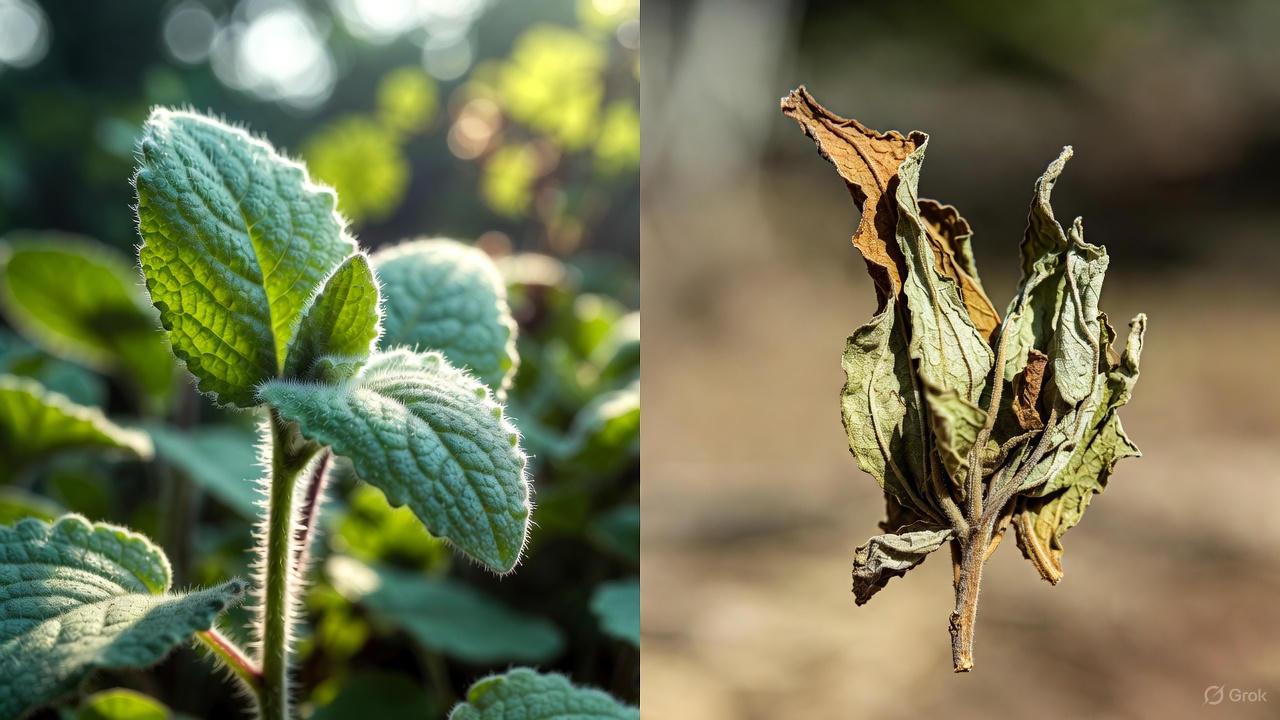
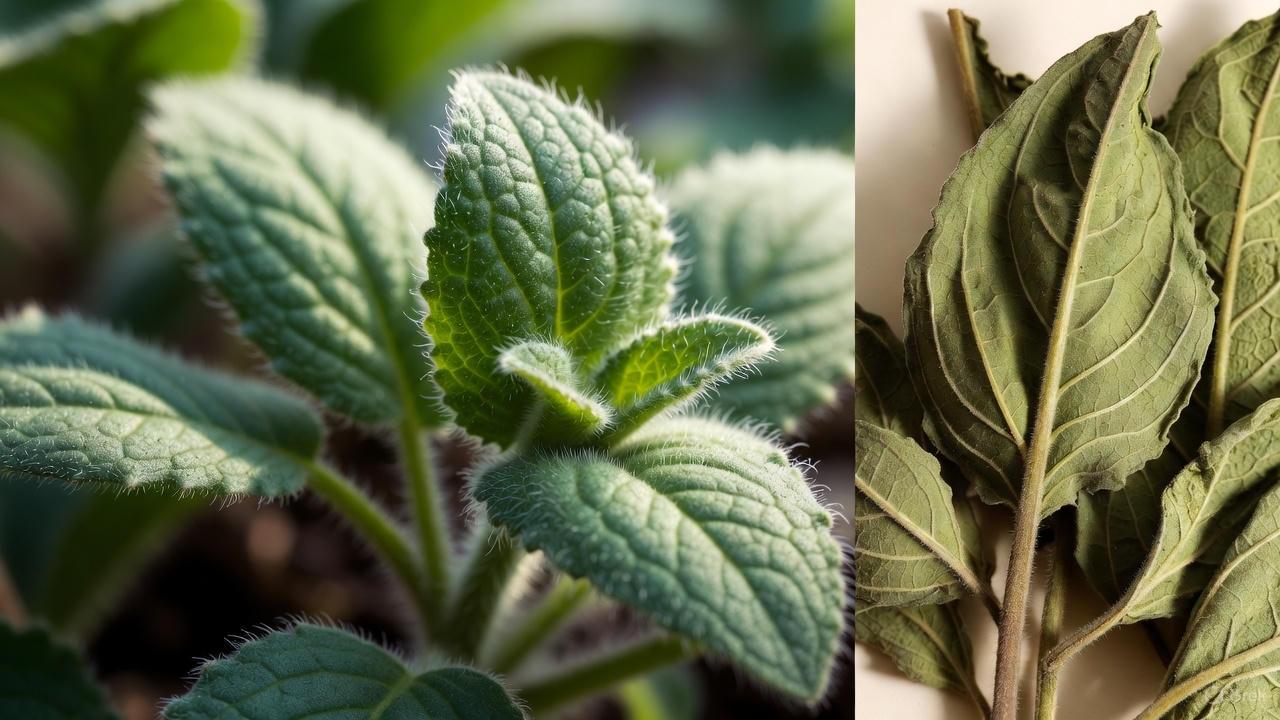
Indian borage is a succulent, aromatic herb from the mint family, originally from parts of Africa and now grown in tropical regions globally. Its thick, fuzzy leaves have a strong, pleasant oregano-like scent that makes it popular in cooking and home remedies.
In many cultures, from India to the Caribbean, families have passed down ways to use this herb for everyday wellness. Research highlights its rich content of antioxidants, essential oils like carvacrol and thymol, and compounds with potential antimicrobial properties. Studies, including those published in journals like Food and Nutrition Sciences, note its antioxidant and antibacterial activities, which align with its long history of use.
But here’s the interesting part: it’s not about drastic changes—many people find value in small, consistent habits.
Popular Traditional Ways People Use Indian Borage
Across different traditions, Indian borage has been incorporated into daily routines for gentle support. Here’s a list of some common traditional uses, based on ethnobotanical reviews and cultural practices:
- Supporting comfortable breathing during seasonal changes, often as a warm tea.
- Promoting easier digestion after heavy meals.
- Soothing occasional skin irritations when applied topically.
- Providing a calming aroma to help unwind in the evening.
- Adding flavor to soups and stews while enjoying its natural properties.
Research in sources like the Journal of Ethnopharmacology documents these ethnobotanical uses, noting its role in respiratory and digestive comfort in various communities.
The truth is, its versatility comes from compounds like rosmarinic acid and flavonoids, which studies suggest contribute to antioxidant effects.
How to Safely Incorporate Indian Borage into Your Daily Habits
Ready to try it yourself? Here are some simple, actionable ways people commonly use this herb. Always start small to see how your body responds.
Making a Simple Herbal Tea
This is one of the most popular methods for everyday use.
- Take 1-2 fresh leaves (or 1 teaspoon dried).
- Rinse them gently.
- Add to a cup of hot water and let steep for 5-10 minutes.
- Strain and sip warm, perhaps with a touch of honey if desired.
- Enjoy once a day, like in the morning or evening.
Many find this soothing for occasional digestive or respiratory comfort.
Topical Application for Skin Support
For minor irritations:
- Crush a fresh leaf to release the juices.
- Apply directly to the area.
- Leave for 10-15 minutes, then rinse.
- Use sparingly, testing a small patch first.
Studies on its essential oils show potential antimicrobial benefits, useful for everyday skin care.
In Cooking for Added Aroma
Add chopped leaves to:
- Soups or broths.
- Stir-fries or salads.
- Herbal seasonings for meats.
This brings flavor while incorporating the herb naturally.
But wait—here’s what makes it stand out: its ease of growth. You can keep a pot on your windowsill for fresh access year-round.
Safety Tips and Important Precautions
While Indian borage is widely used traditionally, it’s essential to approach it mindfully.
- Begin with small amounts to monitor your response.
- If you have ongoing health concerns, allergies, or take medications, consult a healthcare professional first.
- Pregnant or breastfeeding individuals should avoid internal use, as more research is needed for safety.
- Do not use in large quantities—moderation is key.
- Choose fresh or organically grown leaves when possible.
Reviews in publications like PMC emphasize using it responsibly, aligning with its traditional gentle application.
This isn’t about replacing medical advice—it’s about exploring nature’s supportive options.
Final Thoughts: A Simple Herb for Everyday Wellness
Indian borage offers a gentle way to draw from traditional wisdom, with its aromatic leaves supporting digestion, breathing comfort, and relaxation in many households. Whether through tea, cooking, or topical use, small daily additions can make a difference over time.
The “one leaf a day” approach many follow is a reminder of how simple habits can contribute to feeling your best. If you’re curious, start growing your own—it’s rewarding and accessible.
Frequently Asked Questions
Is Indian borage the same as regular oregano?
No, it’s a different plant (Plectranthus amboinicus) with a stronger, more pungent aroma, though it shares some flavor notes.
Can I grow Indian borage at home?
Yes! It thrives in pots with well-draining soil, plenty of sunlight, and moderate water. It’s low-maintenance and spreads easily.
How much is safe to use daily?
Most traditional uses suggest 1-2 leaves per day in tea or food. Always listen to your body and consult a professional if unsure.
Disclaimer: This article is for informational purposes only and shares traditional uses and general research insights. It is not intended to diagnose, treat, or prevent any condition. Always consult a qualified healthcare provider before adding new herbs to your routine, especially if you have health concerns or are pregnant.
(Word count: approximately 1,250)