Many people struggle with dry, uneven skin tones that make daily routines feel frustrating. This common concern often leads to experimenting with various products, only to find that expensive creams and serums don’t always deliver the hoped-for results, leaving skin feeling irritated or unchanged. Recently, a simple mixture using household items like Colgate toothpaste and Vaseline petroleum jelly has gained attention on social media as a quick DIY option. But what if there’s more to this trend than meets the eye—we’ll dive into the details and reveal some surprising insights by the end that could change how you approach skincare hacks.
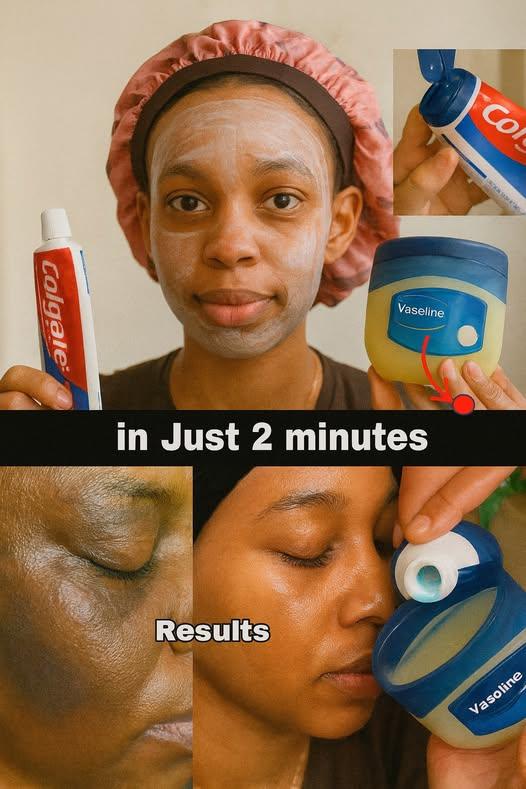
What Is the Colgate and Vaseline Face Hack?
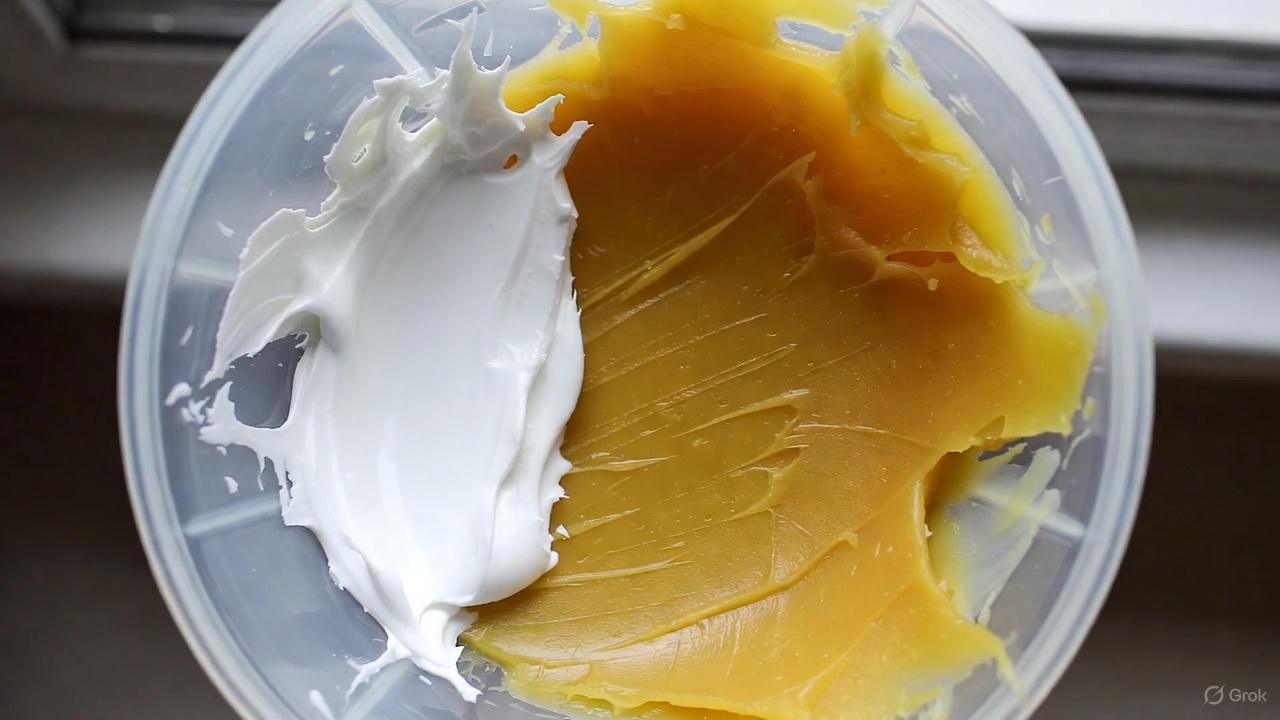
This viral trend involves combining Colgate toothpaste with Vaseline to create a face mask or spot application. It promises a fast routine, often completed in just two minutes. Users mix the two items and apply them to the skin, typically leaving it on briefly before rinsing.
The hack has spread widely on platforms like TikTok and Instagram, with videos showing before-and-after images. People share stories of trying it for various skin concerns.
But that’s not all—understanding the origins helps put it in perspective. It stems from DIY beauty communities where everyday products are repurposed for skincare.
The Ingredients: Breaking Down Colgate and Vaseline
To grasp this hack, let’s look at each component individually. These are common household staples, but their use on the face isn’t traditional.
Colgate Toothpaste
Colgate is primarily designed for oral care, containing ingredients like fluoride, abrasives, and foaming agents. The abrasives, such as hydrated silica, provide a gentle scrubbing effect in dental use.
In skincare contexts, some people note its minty feel, which comes from menthol. Research from general dermatology sources suggests that mild abrasives can exfoliate, but they’re not formulated for facial skin.
Here’s the interesting part: Toothpaste like Colgate often includes humectants that draw moisture, potentially explaining why it’s mixed with other items.
Vaseline Petroleum Jelly
Vaseline, or petroleum jelly, is a semi-solid mixture derived from petroleum. It’s widely used as a moisturizer because it forms a barrier on the skin to lock in hydration.
Studies from organizations like the American Academy of Dermatology indicate that petroleum jelly can help with dry skin by preventing water loss. It’s non-comedogenic for many, meaning it doesn’t typically clog pores.
And get this—it’s been a go-to for chapped lips and minor cuts for generations, showing its versatility in basic skin protection.
How to Try the 2-Minute Hack Step by Step
If you’re curious about experimenting, here’s a straightforward guide. Remember, this is based on popular user methods and not a professional recommendation.
First, gather your materials: a small amount of Colgate toothpaste and Vaseline petroleum jelly.
- Mix equal parts in a clean bowl—about a teaspoon each—to form a paste.
- Cleanse your face with a gentle cleanser and pat dry.
- Apply the mixture thinly to areas of concern, avoiding eyes and mouth.
- Leave on for 1-2 minutes, then rinse with lukewarm water.
- Follow with your regular moisturizer.
This process is quick, hence the “2-minute” label. Users often do it once or twice a week.
But wait, there’s more: Always patch test on a small area first to check for reactions.
Potential Benefits Based on User Experiences
Many who try this hack report a temporary fresh feeling on the skin. The combination might provide a cooling sensation from the toothpaste’s menthol.
Anecdotal accounts on social media describe smoother texture after use, possibly due to the exfoliating elements in toothpaste combined with Vaseline’s occlusive properties.
Research on similar ingredients shows that mild exfoliation can remove dead skin cells, as noted in general skincare studies.
Additionally, the barrier from Vaseline could help retain moisture, aligning with findings from moisturization research.
The truth is, while not everyone sees the same results, it’s the affordability that draws people in—using items already at home.
Possible Risks and Considerations
Like any DIY approach, there are factors to keep in mind. Toothpaste contains ingredients meant for teeth, which might irritate sensitive facial skin.
Some users mention redness or dryness afterward, especially if left on too long. Petroleum jelly is generally safe, but mixing it with abrasives could lead to uneven application.
Dermatology experts, as referenced in articles from sites like Mayo Clinic, advise caution with non-skincare products on the face.
Furthermore, if you have acne-prone skin, the thick texture might not suit everyone.
Here’s a key point: Individual skin types vary, so what works for one person might not for another.
What Science Says About These Ingredients in Skincare
Scientific insights offer a balanced view. For instance, a study published in the Journal of Cosmetic Dermatology discusses how occlusives like petroleum jelly support skin barrier function.
On the exfoliation side, mild abrasives are explored in research from the International Journal of Dermatology, showing they can aid in surface renewal.
However, no specific studies directly examine mixing toothpaste and petroleum jelly for facial use. General guidelines from health organizations emphasize using products as intended.
That said, ingredients like menthol have been studied for their soothing properties in topical applications.
The fascinating aspect is how everyday items can mimic some effects of commercial products, based on component analysis.
Alternatives to the Colgate and Vaseline Hack
If this trend doesn’t appeal, consider these other options. They’re based on common skincare practices.
- Gentle Exfoliants: Use baking soda mixed with honey for a natural scrub—apply once a week.
- Moisturizing Masks: Opt for aloe vera gel combined with coconut oil for hydration.
- Over-the-Counter Products: Look for salicylic acid cleansers for exfoliation without DIY risks.
| Hack Alternative | Key Ingredients | Potential Use | Frequency Suggestion |
|---|---|---|---|
| Baking Soda Scrub | Baking soda, honey | Exfoliation | 1-2 times/week |
| Aloe Vera Mask | Aloe vera, coconut oil | Hydration | Daily if needed |
| OTC Exfoliant | Salicylic acid | Surface renewal | As directed |
These provide similar concepts but with items more aligned for skin.
And here’s why this matters: Exploring alternatives expands your routine without limiting to one viral idea.
Real User Stories and Tips
Sharing experiences builds community. One user on Reddit described a brighter look after trying the hack, but emphasized rinsing thoroughly.
Another tip: Combine with a facial steamer beforehand for better absorption.
From forums like Healthline discussions, people suggest starting small to monitor skin response.
But the real gem is consistency—any routine works best over time.
Conclusion
In summary, the Colgate and Vaseline face hack is a popular DIY trend that’s easy to try with household items. It combines exfoliation and moisture-locking elements, drawing interest for its simplicity. While user reports vary, it’s worth considering your skin type and testing carefully. Ultimately, skincare is personal, and this could be a fun experiment in your routine.
FAQ
What should I do if my skin reacts to the mixture? Rinse immediately with cool water and apply a soothing moisturizer. If irritation persists, consult a skincare professional.
Can I use any toothpaste for this hack? Plain white toothpaste without added colors or gels is commonly recommended by users to avoid extra irritants.
How often should I try this skincare trend? Most suggestions point to 1-2 times per week to prevent over-exfoliation, but listen to your skin’s response.
As with any skincare exploration, it’s wise to consult a dermatologist before incorporating new elements into your routine, especially if you have underlying skin conditions. This article is for informational purposes only and not intended as medical advice.