As we get older, many of us notice small changes that add up over time. Energy levels dip a little, joints feel stiffer after sitting, and staying on top of everyday wellness becomes more important. These shifts are common, and studies show that a large percentage of adults over 60 experience occasional fatigue or mild discomfort from daily activities.
The frustrating part is how these little things can make favorite hobbies or time with family feel harder to enjoy. But here’s the encouraging news: simple dietary habits, like including more garlic in meals, have caught researchers’ attention for their potential role in everyday health.
Keep reading to discover what studies suggest about this everyday ingredient—and a straightforward way to try it yourself that most people overlook.
Why Garlic Stands Out in Research
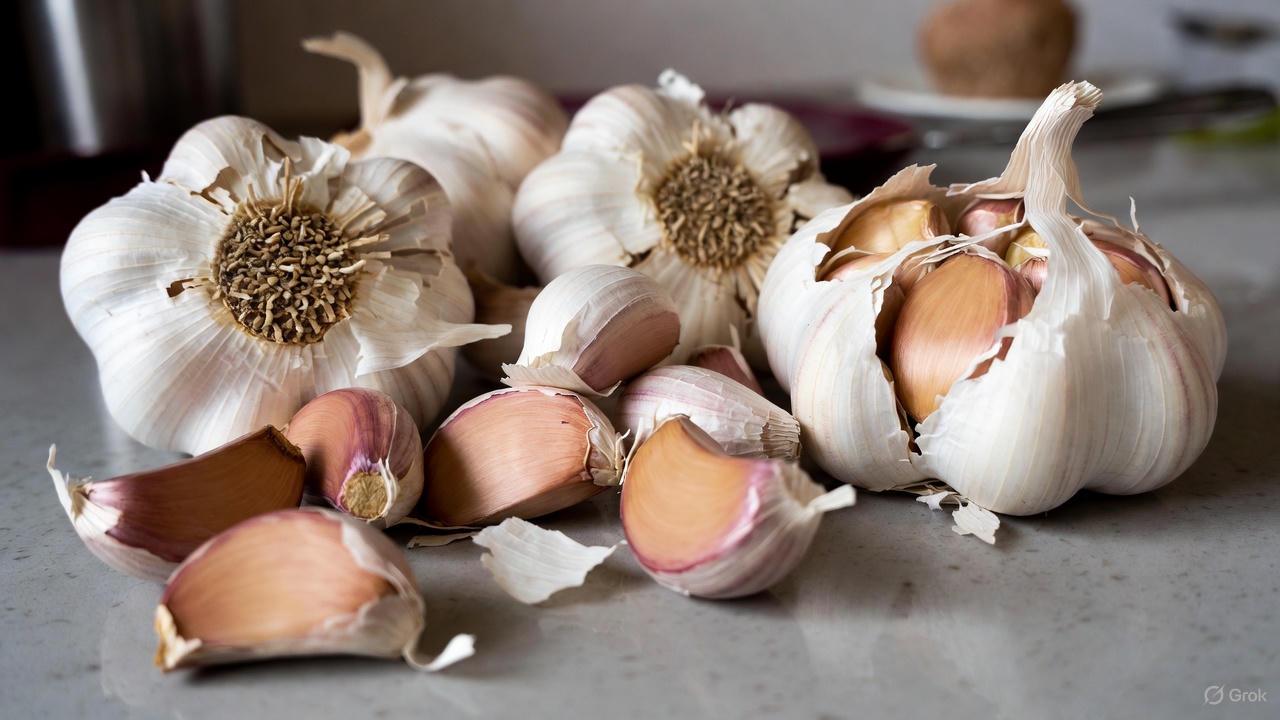
Garlic has been part of kitchens and traditional wellness practices for centuries. Today, scientists are interested in compounds like allicin (formed when garlic is crushed or chopped) and other sulfur-rich antioxidants.
Reviews of human studies, including meta-analyses published in journals like the Journal of Nutrition and PMC articles, point to promising areas. These include support for heart function, immune response, and more. But that’s just the start—let’s look closer.
How Garlic May Help with Common Concerns After 60
Research highlights several areas where adding garlic could make a difference. Here’s what studies commonly explore:
1. Supporting Heart Health and Blood Flow
High blood pressure becomes more common with age. Multiple meta-analyses show garlic supplements can help lower systolic blood pressure by around 5-8 mmHg on average in people with elevated levels.
One updated review of trials found effects similar to some standard approaches. Improved circulation may also contribute to warmer hands and feet.
2. Contributing to a Healthy Immune Response
Colds and seasonal bugs can linger longer as we age. Clinical trials on aged garlic extract suggest it may support immune cell activity, leading to fewer days of discomfort.
Studies indicate stronger responses in older adults.
3. Helping Manage Everyday Inflammation
Low-grade inflammation plays a role in joint stiffness and fatigue. Garlic’s antioxidants appear to influence inflammatory markers in human trials.
A review noted reductions in markers like CRP.
4. Promoting Steady Energy Levels
Mitochondrial function naturally declines over time. Some research links garlic’s sulfur compounds to better cellular energy support.
Participants in nutrition studies reported feeling more lively.
5. Aiding Comfortable Digestion
Digestive changes are frequent after 60. Garlic acts as a prebiotic in some studies, supporting gut balance and easier meals.
6. Encouraging Healthy Cholesterol Balance
Garlic may help regulate serum cholesterol. Meta-analyses show modest improvements in lipid profiles.
7. Supporting Brain Clarity
Antioxidants in garlic protect against oxidative stress. Animal and early human studies hint at benefits for recall and focus.
8. Improving Skin Resilience
Collagen support from sulfur compounds may enhance elasticity. Dermatology reports note potential glow.
9. Enhancing Mood Stability
Garlic influences serotonin pathways in trials, contributing to calmer days.
10. Backing Overall Longevity Markers
Long-term studies associate regular garlic intake with healthier aging signs.
Here’s a quick overview of key areas from reviews:
| Area of Support | What Studies Suggest | Example Evidence Source |
|---|---|---|
| Blood Pressure | Average reduction of 5-8 mmHg in hypertensives | Meta-analyses in PMC and journals |
| Immune Function | Fewer sick days, stronger cell response | Clinical trials on aged extract |
| Inflammation Markers | Lower CRP and others | Human intervention reviews |
| Circulation | Better peripheral flow | Circulation studies |
And another list of easy ways to include it:
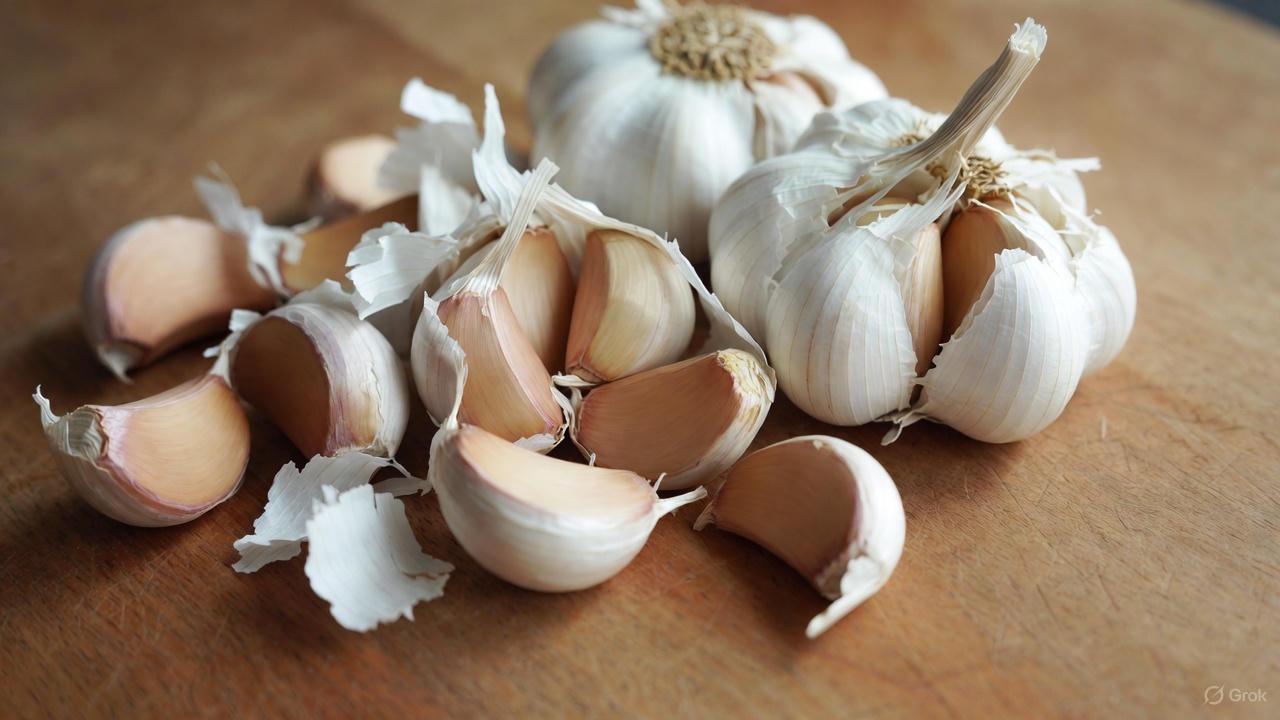
- Add 1-2 fresh cloves to dinners (crush and let sit 10 minutes for max compounds)
- Roast a whole bulb with olive oil for milder flavor
- Use in soups, dressings, or stir-fries
- Try aged garlic supplements if raw is too strong (consult your doctor)
But here’s the part most overlook: cooking methods matter. Raw or lightly cooked preserves more active compounds, while over-heating reduces them.
Practical Ways to Add Garlic Daily
Start small for best results:
- Week 1: Chop 1 clove into evening meals—notice any subtle shifts in energy or comfort.
- Week 2: Experiment with roasted versions or infused oils.
- Ongoing: Aim for variety to keep it enjoyable.
Tips for sensitivity:
- Begin cooked if raw bothers stomach.
- Pair with food.
- Discuss with doctor if on blood thinners.
Many find these habits sustainable and rewarding.
Frequently Asked Questions
How much garlic is typically studied?
Most trials use equivalent of 1-2 cloves daily or standardized supplements (around 600-1200 mg extract).
Is raw or cooked better?
Raw maximizes allicin, but cooked is gentler and still beneficial. Roasting softens flavor without losing all value.
Can it interact with medications?
Yes, especially blood thinners—always check with your healthcare provider.
Final Thoughts
Incorporating garlic into meals is a simple, researched-backed habit many find helpful for daily wellness as they age. From supporting heart and immune function to easing inflammation, the evidence is encouraging.
Start with what feels right for you tonight—your body might appreciate the extra support.