
Many people experience occasional digestive discomfort, like bloating or sluggishness after meals, which can disrupt daily life and leave you feeling less than your best. This common issue often stems from factors such as diet, stress, or irregular habits, making it harder to enjoy food or stay active without that nagging unease. But what if a simple herb from your kitchen could help support your body’s natural processes? Stick around to discover an unexpected way to use it that might just become your new favorite ritual.

What Is Rosemary and Why Consider It for Digestion?
Rosemary is a fragrant evergreen herb native to the Mediterranean region, known for its needle-like leaves and woody stems. It’s commonly used in cooking, but it also has a long history in traditional practices for wellness. Research suggests that certain compounds in rosemary, like rosmarinic acid, may play a role in supporting overall health.
But that’s not all. Studies from sources like the National Institutes of Health indicate that herbs like rosemary contain antioxidants that could aid in maintaining balance in the body. This makes it worth exploring for those interested in natural ways to enhance their routines.
The Science Behind Rosemary’s Potential Benefits
When it comes to digestive wellness, rosemary has been the subject of various studies. For instance, preliminary research published in journals like Phytotherapy Research shows that rosemary extracts might help with antioxidant activity in the gut.
Here’s the interesting part: These antioxidants could support the body’s natural defense against oxidative stress, which sometimes affects digestion. However, more research is needed to fully understand these effects.
To keep things practical, let’s look at how rosemary interacts with the digestive system. It contains essential oils that, according to some lab studies, may promote relaxation in smooth muscles.
Simple Ways to Prepare Rosemary for Daily Use
Getting started with rosemary is easier than you think. You can find fresh or dried rosemary at most grocery stores or even grow it at home.
First, consider making a basic infusion. Start by boiling water and adding a sprig of fresh rosemary or a teaspoon of dried leaves.
Let it steep for 5-10 minutes, then strain and enjoy. This method preserves the herb’s natural flavors.
But wait, there’s more. You can enhance it with lemon for a citrus twist, which adds a refreshing note without overpowering the herb.
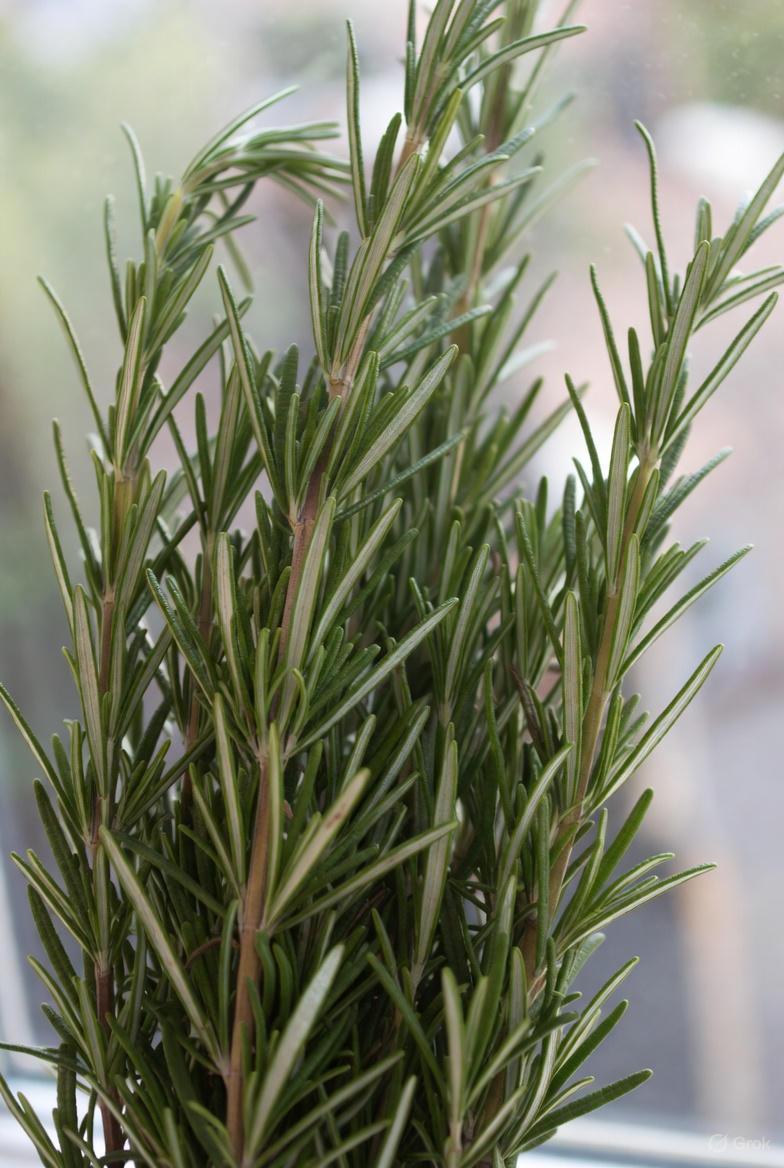
Step-by-Step Guide to Making Rosemary Tea
Follow these easy steps to create a soothing rosemary tea at home:
- Gather your ingredients: One fresh rosemary sprig (or 1 teaspoon dried), 1 cup of water, and optional honey for sweetness.
- Boil the water in a small pot or kettle until it reaches a rolling boil.
- Add the rosemary to a mug and pour the hot water over it.
- Cover and let it steep for 5-7 minutes to extract the flavors.
- Strain out the leaves, add a touch of honey if desired, and sip slowly.
This simple process takes just minutes and can fit into your morning or evening routine seamlessly.
Incorporating Rosemary into Meals for Digestive Support
Beyond tea, rosemary shines in cooking. Sprinkle dried rosemary on roasted vegetables for an earthy flavor that complements carrots or potatoes.
Try this quick recipe: Rosemary-infused olive oil. Heat olive oil gently with rosemary sprigs, then use it for drizzling over salads.
Sustainability tip: Use fresh rosemary from your garden to reduce waste and ensure freshness.
But here’s a pro tip: Pair rosemary with proteins like chicken or fish, as its robust taste enhances savory dishes without needing extra salt.
Potential Side Effects and Precautions to Keep in Mind
While rosemary is generally considered safe for most people when used in culinary amounts, it’s wise to be aware of a few things.
Some individuals might experience mild reactions, such as skin irritation from handling fresh leaves.
Research from the European Medicines Agency notes that excessive amounts could interact with certain medications.
Always consult a healthcare professional before making changes to your routine, especially if you have existing conditions.
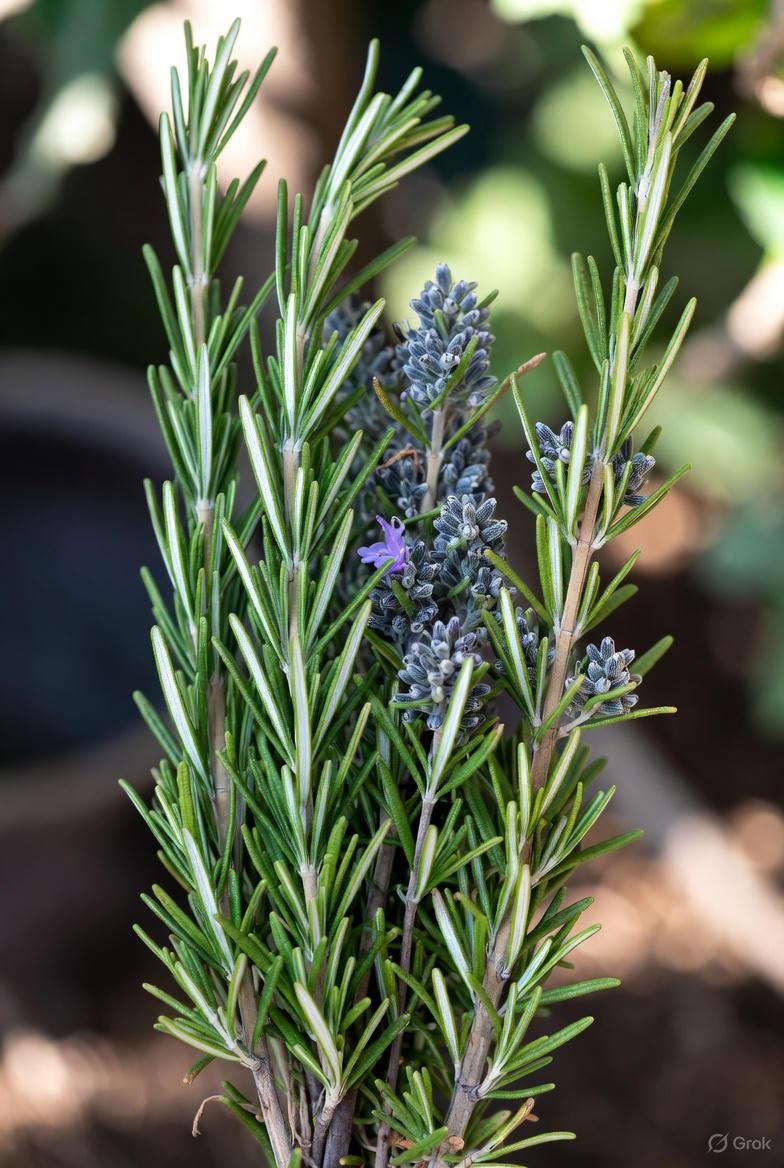
Comparing Rosemary with Other Herbs for Wellness
To give you a clearer picture, here’s a simple comparison table of rosemary versus similar herbs:
| Herb | Key Compounds | Common Uses in Routines | Flavor Profile |
|---|---|---|---|
| Rosemary | Rosmarinic acid, carnosol | Infusions, cooking | Piney, woody |
| Peppermint | Menthol | Teas for relaxation | Cool, minty |
| Ginger | Gingerol | Digestion aids | Spicy, warm |
| Fennel | Anethole | Seed infusions | Licorice-like |
This table highlights how rosemary stands out for its versatility in both sweet and savory applications.
As you can see, each herb offers unique qualities, but rosemary’s antioxidant profile makes it a standout choice for many.
Tips for Growing Your Own Rosemary at Home
If you’re interested in a hands-on approach, growing rosemary is straightforward and rewarding.
Start with a sunny spot, as this herb thrives in at least 6 hours of sunlight daily.
Use well-draining soil to prevent root rot, and water sparingly once established.
Prune regularly to encourage bushy growth and harvest fresh sprigs as needed.
Imagine plucking your own rosemary for tea—it’s a small step that connects you more deeply with your wellness habits.
How Rosemary Fits into a Balanced Lifestyle
Supporting digestive wellness isn’t just about one herb; it’s part of a bigger picture.
Combine rosemary use with habits like staying hydrated and eating fiber-rich foods.
Regular movement, such as walking after meals, can complement these efforts.
Studies from the World Health Organization emphasize the importance of holistic approaches for overall well-being.
By integrating rosemary thoughtfully, you’re taking a proactive step toward feeling more balanced.
Creative Recipes Featuring Rosemary
Let’s dive into some fun ideas. For a twist on tea, try rosemary lemonade: Infuse water with rosemary, add fresh lemon juice, and chill.
Or, make rosemary butter: Mix softened butter with chopped rosemary for spreading on whole-grain toast.
These recipes are quick, using ingredients you likely have on hand.
But the best part? They turn everyday meals into opportunities for mindfulness and enjoyment.
- Rosemary Roasted Nuts: Toss almonds with oil and rosemary, bake at 350°F for 10 minutes.
- Herb-Infused Water: Add rosemary sprigs to your water bottle for subtle flavor throughout the day.
- Salad Dressing: Whisk olive oil, vinegar, and minced rosemary for a homemade vinaigrette.
These options keep things varied and prevent routine boredom.
Building a Habit: Starting Small with Rosemary
To make this sustainable, begin with one cup of rosemary tea per day.
Track how it fits into your schedule—perhaps as an afternoon pick-me-up.
Over time, you might notice it becoming a cherished part of your day.
Remember, consistency is key in any wellness practice.
And speaking of surprises, that unexpected tip I mentioned earlier? It’s using rosemary in foot soaks for relaxation, which indirectly supports digestion through stress reduction.
Conclusion
Incorporating rosemary into your daily routine offers a simple, natural way to explore supportive habits for digestive wellness. From teas to recipes, the possibilities are accessible and enjoyable. By starting small and listening to your body, you can discover what works best for you.
FAQ
What is the best time to drink rosemary tea?
Many people enjoy it in the morning for a gentle start or after meals to aid in comfort. Experiment to find your preference.
Can I use dried rosemary instead of fresh?
Yes, dried rosemary works well; use about half the amount of fresh since it’s more concentrated in flavor.
Is rosemary safe for everyone?
While generally safe in food amounts, pregnant individuals or those with allergies should check with a healthcare provider.
Disclaimer: This article is for informational purposes only and not intended as medical advice. Consult a healthcare professional for personalized guidance.
(Word count: 1,248)


