That occasional sensitivity in your teeth or discomfort in your gums can make even simple things like enjoying a meal feel frustrating. It often stems from everyday buildup of plaque and bacteria that everyone deals with, leading to irritation that lingers longer than you’d like. Many people search for gentle, everyday ways to feel more at ease in their mouth without relying solely on store-bought products. And here’s something interesting: guava leaves, a common plant in many regions, have been used traditionally for oral care—and modern insights are uncovering why they might help support a fresher, more comfortable feeling. But the real surprise comes later when we look at one unexpectedly simple approach that stands out…
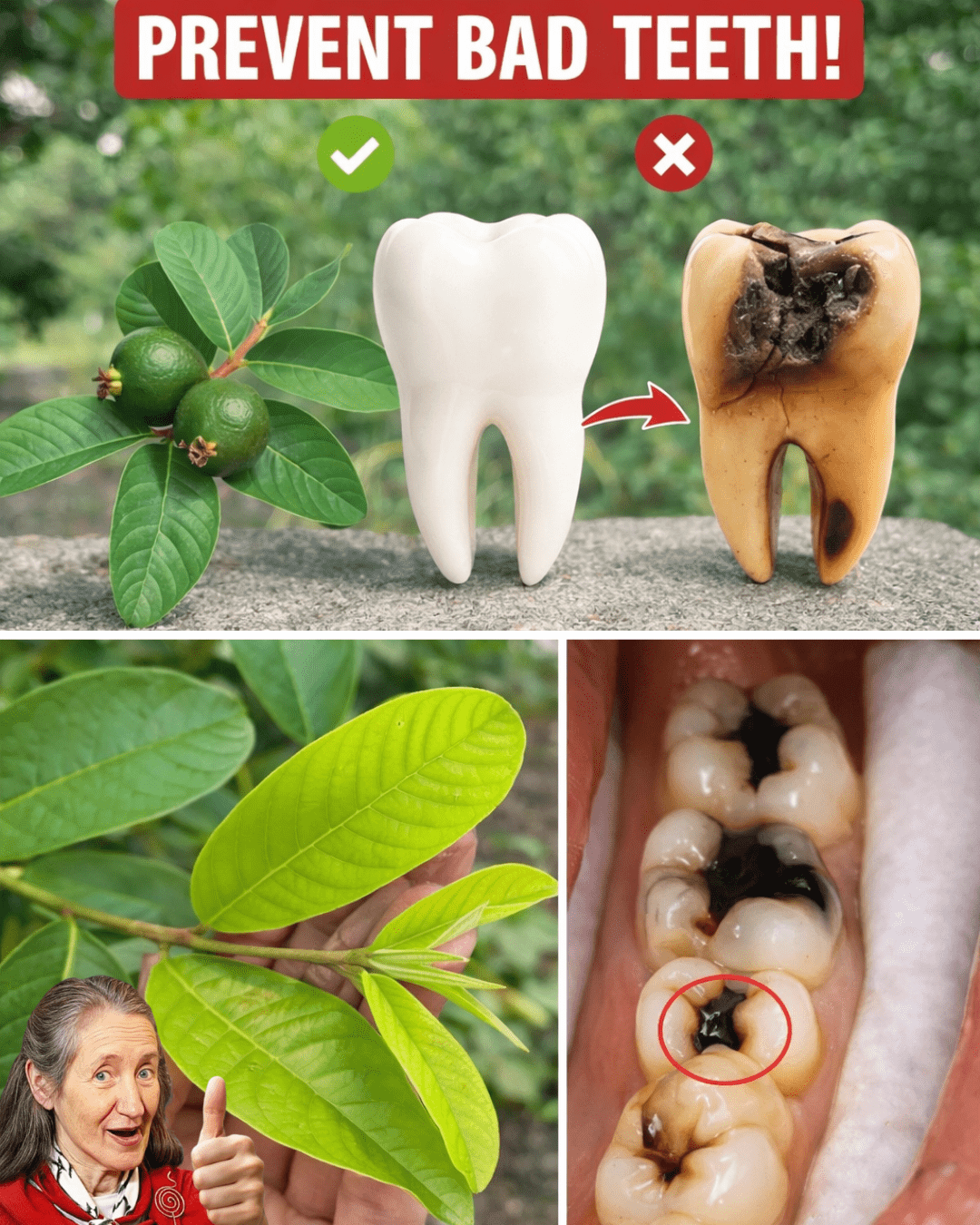
Why Guava Leaves Are Worth Exploring for Oral Health
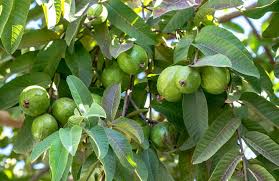
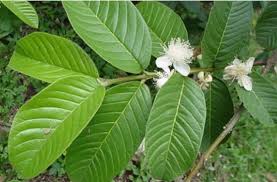
Guava leaves come from the Psidium guajava tree, widely grown in tropical areas. They’ve been part of traditional practices in places like India, Mexico, and Southeast Asia for maintaining oral hygiene.
Research points to compounds like flavonoids (such as quercetin and guaijaverin), tannins, and essential oils that give these leaves their notable properties. Studies, including reviews published in journals like PMC, suggest these elements contribute to antibacterial effects against common oral bacteria, including Streptococcus mutans—a key player in plaque formation.
For instance, in vitro research has shown guava leaf extracts inhibiting growth of oral pathogens. Clinical observations also note potential support for reducing plaque and promoting gingival comfort.
But that’s not all—guava leaves are rich in vitamin C and antioxidants, which may help overall mouth freshness.
Here’s a quick look at key compounds and their studied roles:
- Quercetin: Shown in studies to disrupt bacterial membranes.
- Guaijaverin: Noted for potential anti-plaque activity.
- Tannins: Contribute to astringent effects that may soothe tissues.
These natural elements make guava leaves an accessible option many people turn to.
Way 1: Chewing Fresh Guava Leaves for Daily Freshness
One of the simplest traditional methods is chewing tender young guava leaves.
This direct approach allows the leaves’ compounds to come into contact with your teeth and gums naturally.
People in various cultures have done this for generations to promote a cleaner mouth feel.
Step-by-Step Guide:
- Select 1-2 fresh, young guava leaves (tender ones are milder).
- Rinse them thoroughly under running water.
- Chew gently for 5-10 minutes, focusing on releasing the juices.
- Spit out the fibrous remains and rinse your mouth with water.
Do this once or twice daily, perhaps after meals.
Many find it leaves a refreshing sensation. Research on similar traditional uses supports its role in everyday oral routines.
The interesting part? It’s completely free if you have access to a guava tree.
Way 2: Preparing a Guava Leaf Decoction as a Rinse
Boiling guava leaves to make a decoction is another popular way to create a homemade rinse.
This method concentrates the beneficial compounds into a liquid that’s easy to swish around your mouth.
Studies on guava leaf mouth rinses have observed reductions in plaque scores and improved gingival health in participants.
How to Make and Use It:
- Gather 5-8 fresh or dried guava leaves.
- Wash them well.
- Boil in 2 cups of water for 10-15 minutes until the water reduces by half.
- Let it cool to room temperature, then strain.
- Use 1/2 cup to rinse your mouth for 30-60 seconds, twice daily.
Store any extra in the fridge for up to 2 days.
This rinse feels gentle, and some trials compare its effects favorably to placebo for maintaining comfort.
Here’s what makes it stand out:
| Benefit Observed in Studies | Traditional Use | Modern Insight |
|---|---|---|
| Supports plaque reduction | Gargle for sore gums | Antibacterial against oral streptococci |
| Promotes fresh breath | Daily oral rinse | Antioxidant effects |
| Soothes minor irritation | Swollen gums relief | Anti-inflammatory compounds |
Way 3: Making a Simple Guava Leaf Paste for Targeted Comfort
For a more direct application, crushing leaves into a paste allows focused use on specific areas.
This is handy if you’re dealing with localized sensitivity.
Traditional practices in regions like Nigeria and Brazil include using leaf pastes for oral sores or discomfort.
Easy Steps to Prepare:
- Take 3-5 fresh leaves and wash them.
- Crush them using a mortar and pestle (or blender) into a coarse paste.
- Apply a small amount gently to your gums with a clean finger.
- Leave for 5-10 minutes, then rinse.
Use up to twice a day.
The paste’s texture provides mild abrasion while delivering compounds directly.
But here’s the part that surprises many: combining this with regular brushing can enhance your overall routine more than expected.
Tips for Getting the Most Out of Guava Leaves
To keep things effective and safe:
- Always use clean leaves—preferably organic or from a trusted source.
- Start with small amounts to see how your mouth responds.
- Combine with good habits like brushing twice daily and flossing.
- Fresh leaves work best, but dried ones are a convenient alternative.
Research indicates moderate use is generally well-tolerated, with no major concerns in studies on oral application.
If you have allergies or sensitivities, test a small area first.
Conclusion
Exploring guava leaves through chewing, rinsing, or pasting offers simple, nature-inspired ways to support oral comfort and tooth health. Backed by both tradition and emerging research on their antibacterial and soothing properties, these methods are easy to try at home. Many people appreciate the natural approach alongside their regular dental care.
Frequently Asked Questions
Can guava leaves replace regular dental visits? No—these are supportive options only. Regular check-ups with your dentist are essential for professional care.
How often can I use guava leaf rinses? Most people use them 1-2 times daily. Listen to your body and adjust as needed.
Are guava leaves safe for children? For young kids, supervise use and consult a pediatric dentist first, as mouths can be more sensitive.
Disclaimer: This information is for educational purposes and shares traditional and researched uses of guava leaves for oral support. It is not medical advice and does not diagnose, treat, or prevent any condition. Always consult a qualified healthcare professional or dentist for personalized guidance, especially if you have oral health concerns or are pregnant. Natural remedies may vary in effect and are not a substitute for professional dental treatment.