As we enter our 60s, many of us start noticing that simple daily activities—like climbing stairs or carrying groceries—feel more challenging than before. This gradual decline in muscle strength can leave us feeling less energetic and more limited in the things we enjoy. The encouraging part is that everyday foods, especially certain fruits, can supply valuable nutrients that may help support muscle function when part of a balanced diet and gentle activity.
Wondering which fruits stand out for their potential muscle-supporting nutrients? Keep reading to discover the top five highlighted in research, plus practical ways to enjoy them every day.

Understanding Muscle Changes After Age 60
From around age 50 onward, muscle mass often begins to decrease by about 1-2% per year in many adults. Studies suggest that up to 50% of people over 60 experience noticeable impacts from this natural process.
It might show up as looser clothing, weaker grip, or getting tired more quickly during routine tasks. Reduced protein utilization and increased inflammation are among the contributing factors.
But there’s more to the picture. Certain vitamins and plant compounds in fruits may help counter inflammation and oxidative stress—elements research links to better muscle maintenance.
Why Fruits Can Be Valuable Allies for Muscle Health
Fruits offer hydration, fiber, vitamins, and natural compounds like polyphenols and antioxidants. These may aid recovery after light activity and promote overall cellular health.
When included regularly alongside protein-rich foods and gentle movement, they could play a supportive role in muscle function. Research in publications such as the American Journal of Clinical Nutrition has examined these potential connections.
Ready to see the list? Let’s count down the top five fruits that studies often highlight.
#5: Tart Cherries – A Natural Recovery Supporter
Tart cherries owe their vibrant color to anthocyanins—plant compounds known for anti-inflammatory effects.
Research, including studies on physically active adults, indicates that tart cherry consumption may help ease muscle soreness and promote quicker recovery after exercise.
Many older adults enjoy a small handful of dried tart cherries or a glass of unsweetened tart cherry juice as a bedtime snack.
#4: Oranges – Excellent Source of Vitamin C
A single medium orange provides more than the daily recommended vitamin C for most adults.
Vitamin C is essential for collagen production, which supports the structure of muscles and connective tissues. Some studies associate higher vitamin C intake with better-preserved muscle mass in older populations.
Simply peel and eat one or two fresh oranges daily, or add segments to salads for a refreshing touch.
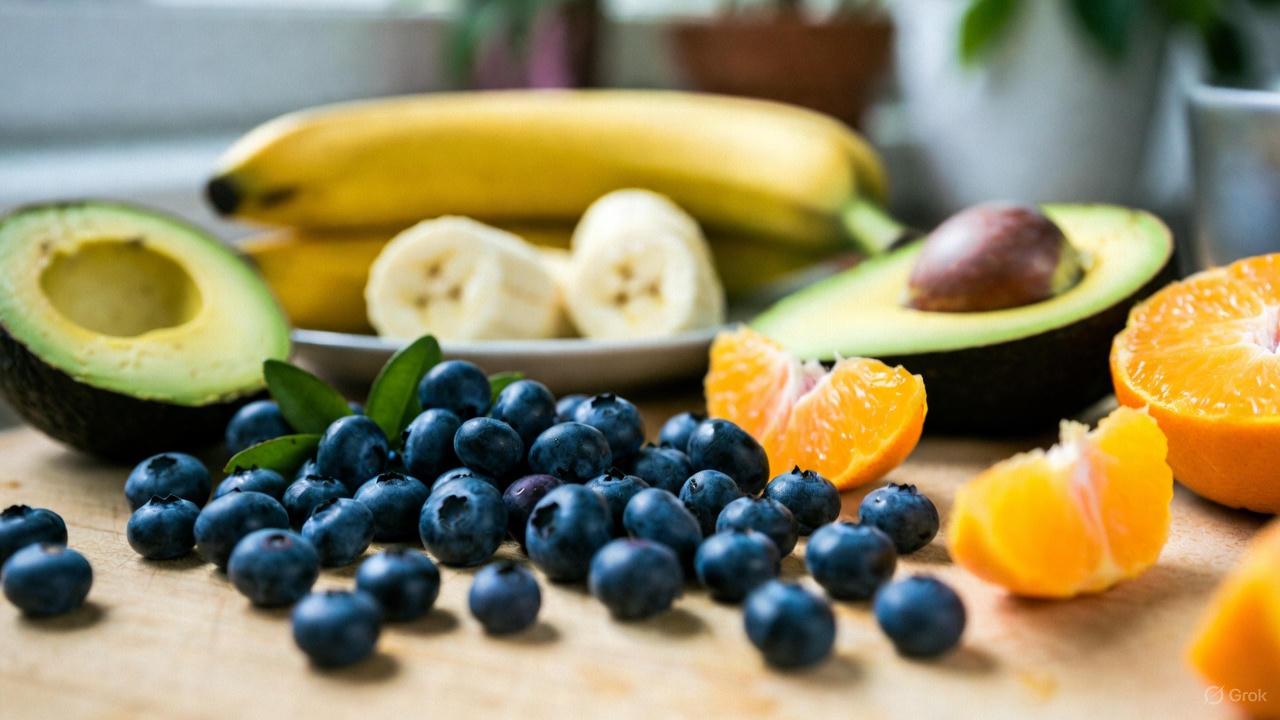
#3: Avocados – Provider of Healthy Fats and Potassium
Though creamy in texture, avocados are botanically a fruit.
They deliver monounsaturated fats that may help reduce inflammation, along with substantial potassium for electrolyte balance.
Population-based research has linked regular avocado intake to improved diet quality and healthier aging indicators.
Enjoy half an avocado sliced on whole-grain toast or blended into smoothies.
#2: Bananas – Convenient Potassium and Energy Source
Bananas are one of the easiest ways to get potassium, vital for proper muscle contractions and nerve signaling.
They also supply quickly digestible carbohydrates for gentle energy before or after light activity.
Many people report that including bananas helps with occasional muscle cramps, particularly in warmer weather.
#1: Blueberries – Loaded with Antioxidants
Blueberries earn the top spot due to their exceptional levels of anthocyanins and other polyphenols.
Numerous studies, including randomized trials, suggest regular blueberry consumption may help combat oxidative stress and support improved physical function in older adults.
One cup of fresh or frozen blueberries is an ideal addition to yogurt or oatmeal at breakfast.
Here’s a handy comparison table of their key nutrients:
| Fruit | Key Nutrients | Potential Benefits Backed by Research | Easy Daily Serving Suggestion |
|---|---|---|---|
| Blueberries | Anthocyanins, vitamin C | May help reduce oxidative stress and support mobility | 1 cup fresh or in smoothies |
| Bananas | Potassium, vitamin B6 | Supports electrolyte balance and quick energy | 1 medium banana after activity |
| Avocados | Monounsaturated fats, potassium | Anti-inflammatory properties, sustained energy | Half avocado in salads or on toast |
| Oranges | Vitamin C, folate | Aids collagen formation | 1-2 whole oranges or segments |
| Tart Cherries | Anthocyanins, melatonin | May support recovery and sleep quality | Handful dried or small glass juice |
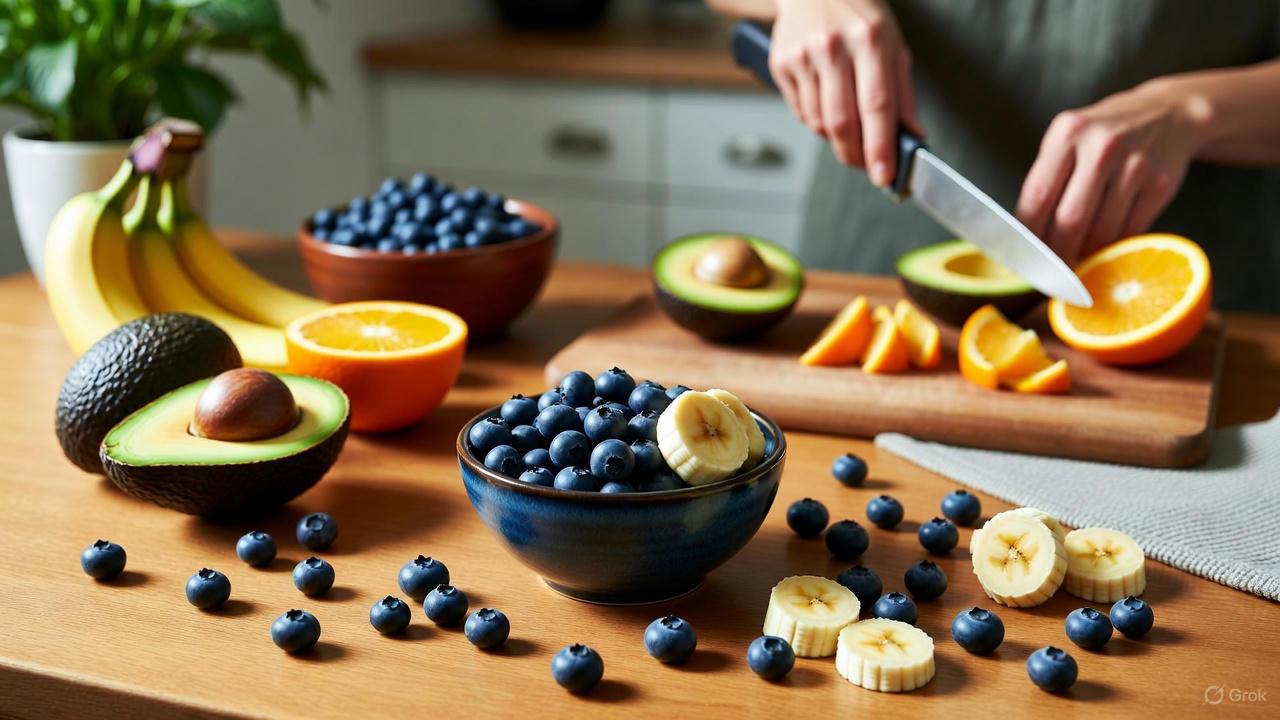
How People Incorporate These Fruits in Real Life
Readers often share that small, consistent changes make a difference over time. Common examples include:
- Mixing blueberries into morning oatmeal
- Keeping bananas handy for quick snacks
- Adding avocado slices to lunch sandwiches
- Enjoying an orange as an afternoon pick-me-up
- Snacking on tart cherries in the evening
Consistency matters more than perfection.
Simple Tips to Add These Fruits to Your Daily Routine
Here are actionable steps you can try right away:
- Opt for ripe seasonal produce or unsweetened frozen options.
- Rotate through the five fruits for variety throughout the week.
- Pair them with protein sources like Greek yogurt, nuts, or eggs to enhance nutrient absorption.
- Stick to moderate portions—one piece or one cup is typically ideal.
- Wash well and store properly to keep them fresh.
Gentle Ways to Enhance the Benefits
Nutrition is key, but pairing these fruits with light activity often yields the best outcomes:
- Incorporate short walks or resistance band exercises 2-3 times weekly.
- Include protein at every meal.
- Drink plenty of water—fruits contribute, but plain water remains essential.
Conclusion: Everyday Habits for Long-Term Strength
Adding these five nutrient-packed fruits—blueberries, bananas, avocados, oranges, and tart cherries—to your meals is an enjoyable, straightforward way to support muscle health as you age.
Ongoing research explores their potential roles, and many individuals report greater daily energy and ease with consistent inclusion.
Pick one or two favorites to start today and gradually build the habit. It’s a small step with potentially rewarding results.
Frequently Asked Questions
1. How many servings of fruit should I aim for daily to support muscle health? Most guidelines suggest 2-3 servings of fruit per day within a balanced diet. Variety helps ensure a broad range of nutrients.
2. Can these fruits take the place of exercise for maintaining muscle strength? No—light physical activity is still important. Fruits work best as a complement to movement and adequate protein.
3. Are frozen or dried versions equally beneficial? Yes, frozen fruits preserve most nutrients, and unsweetened dried options are convenient. Just be mindful of portions with dried fruit due to concentrated natural sugars.
This article is for informational purposes only and is not a substitute for professional medical advice. Please consult your healthcare provider before making significant dietary changes, especially if you have underlying health conditions.