Feeling unusually tired after a full night’s sleep or finding yourself heading to the bathroom more often than usual can be frustrating and easy to brush off as part of a busy life. These small changes might seem harmless at first, but when they start piling up, they can leave you wondering if something deeper is going on, disrupting your daily energy and comfort in ways that build quietly over time. The good news is that paying attention to these patterns early can give you valuable insights into your health—and there’s a simple way to connect the dots that we’ll reveal toward the end of this article.
Diabetes, particularly type 2, often develops gradually, and many people live with elevated blood sugar levels for years without realizing it. According to recent data from the Centers for Disease Control and Prevention (CDC), more than 38 million Americans have diabetes, with a significant portion undiagnosed. Research shows that recognizing these subtle indicators sooner rather than later allows for timely conversations with a healthcare provider.
But that’s not all—these signs can overlap with everyday stresses, making them easy to overlook. Let’s dive into 20 common ones that studies and health experts frequently link to high blood sugar.
Why These Subtle Changes Matter More Than You Might Think
High blood sugar can affect how your body uses energy, leading to shifts that feel minor at first. Studies indicate that type 2 diabetes often builds over time due to insulin resistance, where cells don’t respond as well to insulin.
This is where awareness comes in. Spotting clusters of these signs can prompt helpful steps. Here’s a closer look at some overlooked indicators.

The 20 Overlooked Signs to Watch For
These can vary from person to person, but research from sources like the American Diabetes Association highlights them as potential red flags.
- Persistent Fatigue: Feeling drained even after resting? High blood sugar can make it harder for cells to get energy.
- Frequent Urination: Needing to go more often, especially at night? Excess sugar in the blood pulls fluid from tissues.
- Intense Thirst: Constantly reaching for water? This often pairs with urination as the body tries to flush out extra sugar.
- Blurry Vision: Vision that comes and goes? Fluid changes in the eyes can affect focus temporarily.
- Slow-Healing Sores: Cuts or bruises taking longer than usual? Poor circulation plays a role.
But hold on—these are just the start. Keep reading for more that might surprise you.
- Unexplained Weight Changes: Dropping pounds without trying? The body may burn fat for fuel instead.
- Increased Hunger: Feeling hungry soon after eating? Cells might not be getting proper energy from food.
- Dry or Itchy Skin: Skin feeling unusually dry? Dehydration from high sugar levels can contribute.
- Tingling in Hands or Feet: Pins-and-needles sensations? Early nerve changes are possible.
- Recurrent Infections: Yeast infections or UTIs happening more? Sugar can feed certain bacteria.
The list continues—here’s the next set that often gets dismissed.
- Gum Problems: Bleeding gums or slow healing after dental work? Inflammation is a common link.
- Mood Changes: Feeling irritable or off-balance? Blood sugar fluctuations can affect the brain.
- Fruity Breath: A sweet or unusual odor? This can occur in some cases with ketone buildup.
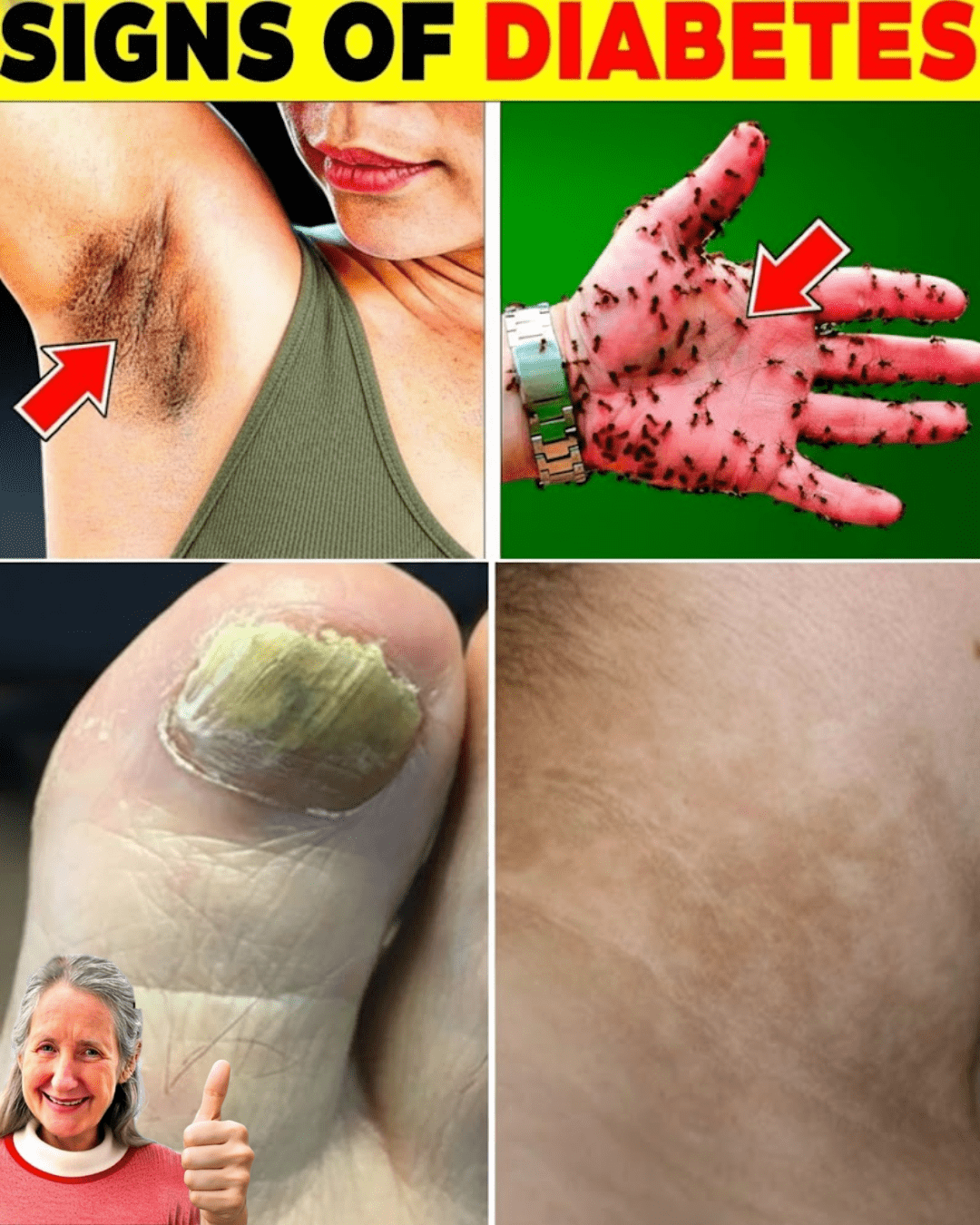
- Darkened Skin Patches: Velvety dark areas on neck or armpits (acanthosis nigricans)? Often tied to insulin resistance.
- Skin Infections: Boils or spots that linger? Immune response may be impacted.
- Frequent Headaches: More headaches than usual? Dehydration or vascular effects might be factors.
- Stomach Upset: Occasional nausea? Digestion can slow in some situations.
- Sexual Health Changes: Issues like erectile dysfunction in men? Blood flow and nerves are involved.
- Dry Mouth: Persistent dryness despite drinking? A companion to thirst.
- General Feeling of Being Off: Multiple small changes adding up? Patterns are key.
Sự thật là… seeing several of these together is what often stands out most in research.

Common Signs Grouped for Easier Recognition
To make it simpler, here’s how experts often categorize them:
| Category | Common Examples | Possible Connection |
|---|---|---|
| Energy and Hydration | Fatigue, thirst, frequent urination | How the body processes glucose |
| Skin and Healing | Itchy skin, slow wounds, darkened patches | Circulation and immune effects |
| Sensory Changes | Blurry vision, tingling, headaches | Nerve and fluid shifts |
| Other Patterns | Hunger, infections, mood swings | Overall energy use and inflammation |
This breakdown can help spot connections faster.
Additional Indicators Worth Noting
Beyond the main 20, some people notice:
- Unusual snoring or sleep disruptions
- Thinning hair
- Hearing shifts
These aren’t definitive on their own, but combined with others, they add to the picture.
Practical Steps to Track and Respond
You don’t have to wait—here are easy actions you can take today:
- Keep a Simple Journal: Note any changes over a week or two. This helps identify patterns.
- Monitor Daily Habits: Pay attention to water intake, energy levels, and bathroom trips.
- Talk to Your Doctor: Share your notes and ask about blood sugar checks, like a fasting test or A1C.
- Support Overall Wellness: Incorporate balanced meals with veggies, proteins, and whole grains, plus regular movement like walking.
Research shows that early lifestyle adjustments can make a real difference in how you feel day-to-day.
Here’s a quick guide:
| Step | Why It Helps | Easy Way to Start |
|---|---|---|
| Symptom Tracking | Reveals patterns quickly | Use a notebook or phone app |
| Doctor Discussion | Provides accurate insights | Schedule a routine checkup |
| Healthy Eating | Supports steady energy | Add more non-starchy veggies |
| Daily Movement | Boosts how the body uses glucose | Aim for 30 minutes of walking |
Small steps like these empower many people.
Wrapping It Up: Tuning Into Your Body’s Signals
Noticing these subtle shifts—from ongoing fatigue to skin changes—can be the first step toward greater clarity about your health. Like many others, connecting a few signs has led to positive changes through simple awareness and professional guidance.
The key takeaway? Listening to your body and acting on patterns early opens the door to feeling your best.
Frequently Asked Questions
What if I only have one or two of these signs? Individual signs can stem from many causes, like stress or aging. It’s clusters that often matter most—consider chatting with a doctor for peace of mind.
How common is it to have high blood sugar without knowing? Data from the CDC suggests millions experience elevated levels before awareness, highlighting why routine checks are helpful.
Can lifestyle changes really make a difference? Yes, studies show that habits like balanced eating and activity support better blood sugar management for many.
This article is for informational purposes only and is not a substitute for professional medical advice. Always consult your healthcare provider for personalized guidance.