Every time you enjoy a creamy avocado, that large seed in the center often ends up in the trash. Many people overlook it entirely, focusing only on the rich green flesh. Yet, this overlooked part of the fruit has sparked interest in natural wellness circles for its concentrated nutrients—and throwing it away means missing out on something potentially useful. But here’s the intriguing part: emerging insights suggest the seed holds more antioxidants than the flesh itself, opening up possibilities you might not expect. Keep reading to uncover the details.
What Exactly Is an Avocado Seed?
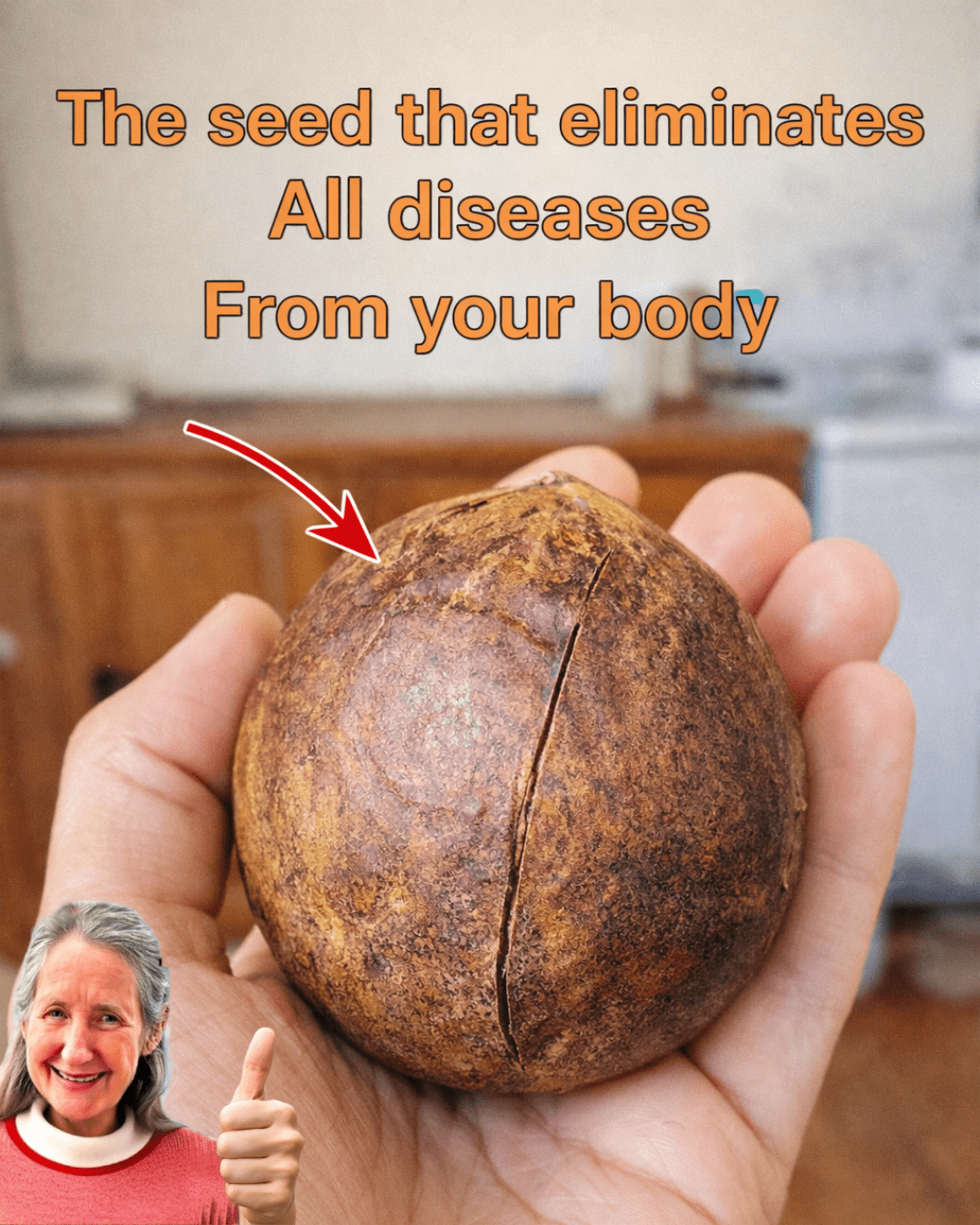
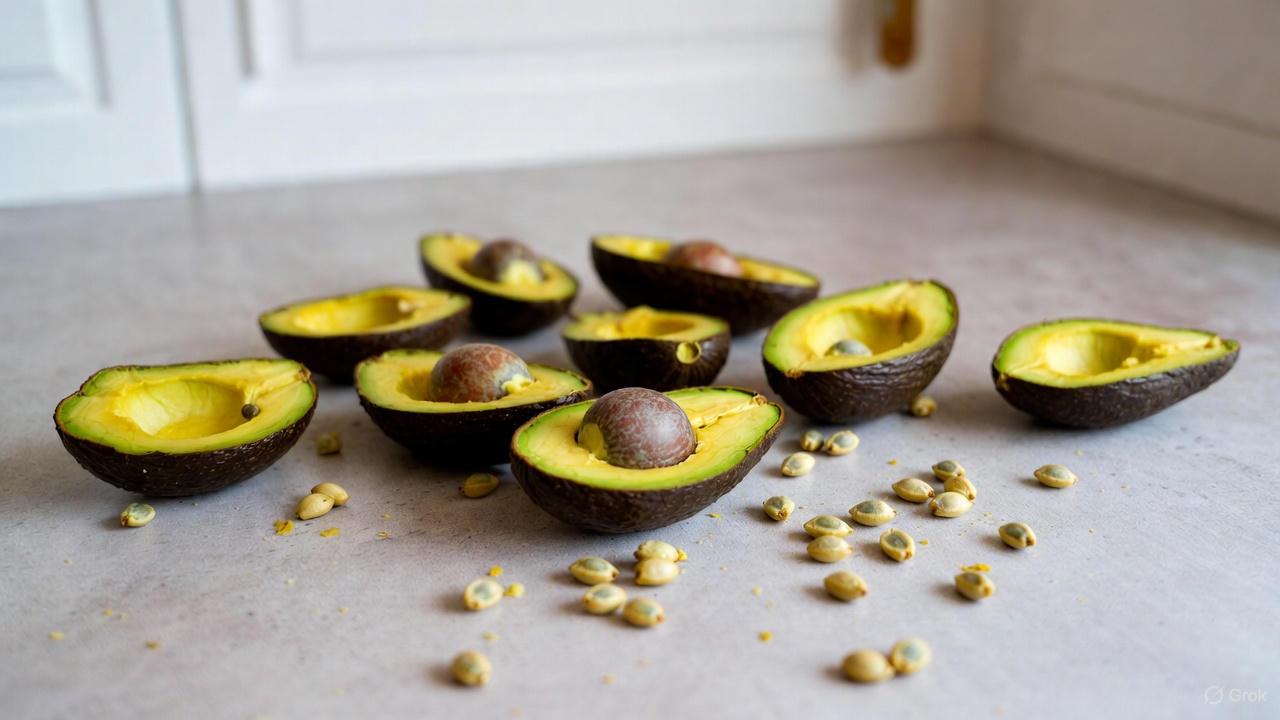
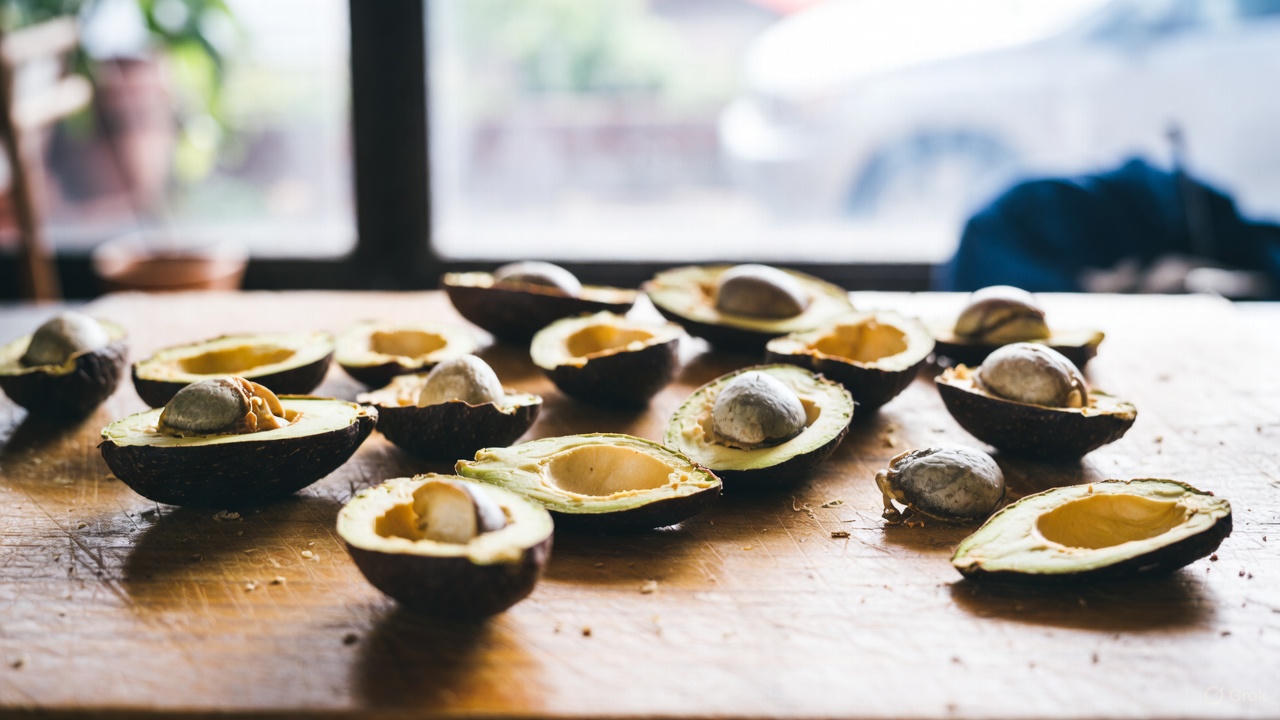
The avocado seed, often called the pit, is the hard, brown core at the heart of the fruit. It makes up a significant portion of the avocado’s weight and serves to protect and nourish new growth in nature.
In various cultures, people have traditionally used avocado seeds in remedies. Today, preliminary research explores its bioactive compounds, like polyphenols and flavonoids, which contribute to its potential supportive properties.
Nutritional Properties of Avocado Seeds
Avocado seeds pack a dense mix of natural compounds that differ from the fruit’s flesh.
- Rich in dietary fiber, supporting overall digestive regularity
- High in antioxidants, including polyphenols and flavonoids
- Contains healthy fats and minor amounts of minerals
- Features plant-based compounds with anti-inflammatory potential
Studies indicate the seed may hold up to 70% of the avocado’s total antioxidants. Research published in scientific reviews notes these compounds help combat oxidative stress in lab and animal models.
But that’s not all—let’s explore how these properties might play a role in daily wellness.
Potential Ways Avocado Seeds May Support Digestive Health
Fiber is key for smooth digestion, and avocado seeds are loaded with it, mostly insoluble.
This type of fiber can:
- Promote regular bowel movements
- Contribute to a feeling of fullness
- Support a balanced gut environment
In animal studies, avocado seed extracts showed prebiotic-like effects. Adding small amounts of prepared seed to your routine might complement a fiber-rich diet.
The truth is, many people struggle with inconsistent digestion without realizing simple additions could help.
Why Antioxidants in Avocado Seeds Deserve Attention
Antioxidants play a vital role in protecting cells from daily wear and tear.
Avocado seeds stand out here because:
- They contain higher levels of phenolic compounds than the pulp
- These may neutralize free radicals in test-tube studies
- Early research links them to reduced oxidative damage
One review highlighted that avocado seed extracts demonstrated strong antioxidant activity in various assays. This could support long-term cellular health when paired with a balanced lifestyle.
Here’s the exciting part: incorporating antioxidant-rich foods like this might enhance your body’s natural defenses over time.
Exploring Anti-Inflammatory Compounds in Avocado Seeds
Inflammation is a natural response, but ongoing low-level inflammation concerns many.
Compounds in avocado seeds, such as flavonoids, have shown:
- Potential to reduce inflammatory markers in lab settings
- Support for joint comfort in preliminary animal research
A study from Penn State found avocado seed extracts exhibited anti-inflammatory effects in cell models. While human evidence is limited, these findings suggest a supportive role alongside anti-inflammatory foods.
How Avocado Seeds Might Contribute to Heart Health Support
Heart health relies on factors like cholesterol balance and circulation.
Avocado seeds offer:
- Soluble fiber that may bind to cholesterol
- Antioxidants protecting vascular tissues
- Plant sterols with cholesterol-supporting properties
Animal studies suggest seed extracts could influence lipid profiles positively. Combined with the heart-friendly fats in avocado flesh, the seed adds another layer.
But wait—there’s more to how this humble pit might fit into broader wellness.
Other Areas Where Avocado Seeds Show Promise
Beyond the basics, research touches on:
- Antimicrobial effects against certain bacteria in lab tests
- Potential immune-supporting compounds
- Skin benefits when used topically, like gentle exfoliation
Some cultures use seed preparations for minor skin issues. Ground seed mixed with oils creates a natural scrub.
Simple and Safe Ways to Prepare Avocado Seeds at Home
Never consume avocado seeds raw—they’re tough and bitter. Proper preparation is essential.
Making Avocado Seed Powder: Step-by-Step
- Remove the seed from a ripe avocado and rinse thoroughly
- Dry it completely (air-dry or bake at low heat until brittle)
- Peel off the thin outer skin if possible
- Grate, chop, or grind into a fine powder using a strong blender
- Store in an airtight container in the fridge
Use sparingly—start with ½ teaspoon in:
- Smoothies
- Herbal teas
- Baked goods
Brewing Avocado Seed Tea
- Slice a dried seed into pieces
- Boil in water for 10-15 minutes
- Strain and enjoy plain or with honey
This mild, earthy drink is a popular traditional method.
Topical Uses
Mix powder with coconut oil for a DIY face or body scrub.
Important Precautions to Keep in Mind
While avocado seeds show promise in studies, human research remains limited. Most benefits come from extracts in controlled settings.
- Start with very small amounts to monitor tolerance
- Avoid if pregnant, breastfeeding, or on medications without advice
- High amounts may cause digestive upset due to fiber and tannins
- Some compounds like persin are harmless to humans in moderation but warrant caution
Always prioritize whole foods and consult a healthcare professional for personalized guidance.
Final Thoughts
Avocado seeds offer an intriguing way to reduce waste while exploring natural nutrient sources. Their fiber, antioxidants, and plant compounds make them worth considering in moderation as part of a varied diet.
Paired with the beloved avocado flesh, they highlight how nature packs value into every part.
Frequently Asked Questions
Is it safe to eat avocado seeds every day?
In small amounts and properly prepared, many people tolerate them well. However, due to limited human studies, it’s best to use occasionally and listen to your body.
How much avocado seed powder should I use?
Begin with ½ to 1 teaspoon per day, mixed into food or drinks. Avoid exceeding this without professional input.
Can avocado seeds help with weight management?
The fiber may promote satiety, and animal studies suggest metabolic support, but they’re not a standalone solution—focus on overall diet and activity.
Disclaimer: This article is for informational purposes only and does not constitute medical advice. Avocado seeds are not intended to diagnose, treat, cure, or prevent any disease. Consult a qualified healthcare provider before adding new foods to your routine, especially if you have health conditions.