Many people notice changes in their urine, like foaminess, and start wondering about their overall kidney function. This observation can spark concerns about protein in the urine, known as proteinuria, which might signal that the kidneys are working harder than usual. It often leaves individuals feeling uneasy, questioning their daily habits and seeking ways to maintain better wellness. The good news is that simple hydration choices, backed by general research, might play a role in supporting kidney health and addressing these worries.
But wait until you see the final drink on our list—it’s a lesser-known option that could redefine your approach to daily hydration.

Understanding Proteinuria and Kidney Health Basics
Proteinuria happens when proteins from the blood end up in the urine, often due to how the kidneys filter waste. While it’s not uncommon, paying attention to it can encourage healthier lifestyle adjustments.
Research from organizations like the National Kidney Foundation suggests that staying hydrated is key to kidney function. Proper fluid intake helps the kidneys flush out toxins more efficiently.
But that’s not all. Certain beverages might offer additional benefits through their natural compounds.
Why Drinks Matter for Kidney Support
Drinks aren’t just about quenching thirst—they can provide antioxidants, vitamins, and minerals that aid bodily processes.
Studies show that hydration impacts kidney performance. For instance, a review in the American Journal of Kidney Diseases highlights how adequate fluid intake may help reduce the risk of kidney stones and support filtration.
Here’s where it gets interesting: Not all drinks are equal. Some might even hinder kidney health if consumed in excess.
Top 10 Drinks to Consider for Kidney Wellness
Let’s dive into our curated list of drinks. Each one is selected based on general nutritional insights and potential benefits for kidney support. Remember, these are suggestions to incorporate alongside a balanced diet.
1. Plain Water
Water is the foundation of good hydration. It helps dilute urine and supports the kidneys in removing waste.
To make it a habit: Start your day with a full glass upon waking. Aim for 8-10 cups daily, adjusting based on activity level.
Research indicates that proper water intake may lower the concentration of substances that could stress the kidneys.
2. Lemon Water
Adding a squeeze of lemon to water introduces vitamin C and citric acid, which some studies link to kidney stone prevention.
Here’s a simple step-by-step: Slice half a lemon, squeeze into warm water, and sip first thing in the morning.
A study in the Journal of Urology notes that citrate from lemons might help manage certain urinary issues.
But hold on—there’s more to explore with herbal options.
3. Cranberry Juice (Unsweetened)
Cranberry juice is popular for urinary tract support, thanks to its proanthocyanidins that may prevent bacteria from sticking to urinary walls.
Choose unsweetened versions to avoid added sugars. Mix half a cup with water for a refreshing drink.
Evidence from the Cochrane Database suggests it could aid in maintaining urinary health, indirectly benefiting kidneys.
4. Green Tea
Packed with catechins, green tea offers antioxidant properties that research associates with overall organ health.
Brew a cup: Steep a bag in hot water for 3 minutes, then enjoy plain or with a hint of lemon.
A meta-analysis in Nutrients journal points to potential protective effects on kidney function.
5. Herbal Tea (Like Dandelion)
Dandelion tea acts as a mild diuretic, potentially helping with fluid balance.
Preparation tip: Use dried dandelion leaves, steep in boiling water for 5-10 minutes.
Some herbal studies, including those in the Journal of Alternative and Complementary Medicine, suggest it supports liver and kidney detoxification processes.
6. Beet Juice
Beets contain nitrates that may improve blood flow, which could indirectly support kidney circulation.
Juice fresh beets or buy pure versions. Start with small amounts, like 4 ounces daily.
Research in the British Journal of Nutrition indicates beets might help with blood pressure, a factor in kidney health.
7. Carrot Juice
Rich in beta-carotene, carrot juice provides antioxidants that combat oxidative stress.
Blend fresh carrots with a bit of water. Consume fresh for best nutrients.
Studies from the American Journal of Clinical Nutrition link carotenoids to better cellular health.

8. Pomegranate Juice (Unsweetened)
Pomegranates are high in polyphenols, which may have anti-inflammatory effects.
Dilute pure juice with water to reduce intensity. Aim for 4-6 ounces a few times a week.
A review in Pharmacological Research suggests it could support cardiovascular and kidney systems.
9. Coconut Water
Natural electrolytes in coconut water make it a hydrating alternative to sports drinks.
Select fresh or unsweetened packaged options. Drink chilled after exercise.
Hydration studies in the International Journal of Sport Nutrition show it replenishes fluids effectively.
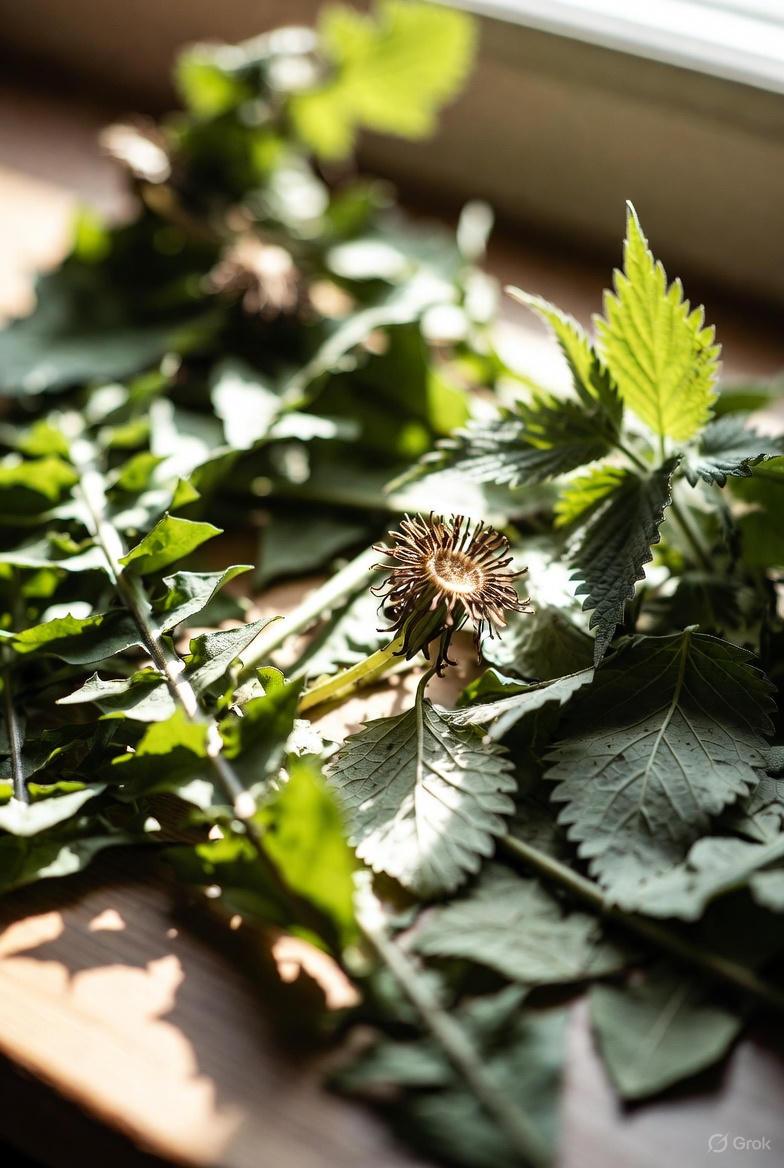
10. Nettle Tea
Nettle leaf tea, made from stinging nettle, has been used traditionally for urinary support.
Steep dried nettle in hot water for 10 minutes. Add honey if needed, but sparingly.
Historical uses and some modern research, like in Phytotherapy Research, indicate it may help with fluid retention and kidney comfort.
And there it is—the nettle tea revelation. This humble herb might just be the unexpected hero in your hydration routine.
How to Incorporate These Drinks into Your Daily Routine
Making changes doesn’t have to be overwhelming. Start small for lasting habits.
- Morning Boost: Begin with lemon water or green tea to kickstart hydration.
- Midday Refresh: Opt for cranberry or pomegranate juice diluted in water.
- Evening Wind-Down: Herbal teas like dandelion or nettle promote relaxation.
Track your intake with a journal. Note how you feel after a week.
Potential Benefits and Considerations
These drinks may contribute to a supportive environment for kidneys by providing hydration and nutrients.
However, variety is key. Rotate them to avoid overconsumption of any one type.
Research from the Kidney International journal emphasizes balanced intake for optimal function.
Comparing Drink Options: A Quick Guide
Here’s a simple table to help you choose:
| Drink | Key Nutrient | Potential Benefit | Serving Suggestion |
|---|---|---|---|
| Water | None (pure) | Basic hydration | 8-10 cups/day |
| Lemon Water | Vitamin C | Stone prevention support | 1 glass morning |
| Cranberry Juice | Proanthocyanidins | Urinary tract aid | 4 oz diluted |
| Green Tea | Catechins | Antioxidant protection | 1-2 cups/day |
| Dandelion Tea | Potassium | Diuretic effect | 1 cup evening |
| Beet Juice | Nitrates | Blood flow improvement | 4 oz daily |
| Carrot Juice | Beta-carotene | Oxidative stress reduction | 6 oz fresh |
| Pomegranate Juice | Polyphenols | Anti-inflammatory | 4-6 oz/week |
| Coconut Water | Electrolytes | Replenishment | Post-exercise |
| Nettle Tea | Minerals | Fluid balance support | 1 cup daily |
This comparison breaks down options for easy decision-making.
Lifestyle Tips Beyond Drinks
While drinks are helpful, combine them with other habits.
Eat kidney-friendly foods like berries and leafy greens. Exercise regularly to promote circulation.
Stay consistent—small daily actions add up over time.
Wrapping It Up: Your Path to Better Hydration
Incorporating these top 10 drinks could be a simple way to support your kidney health and address concerns like proteinuria symptoms. From basic water to herbal surprises like nettle tea, each offers unique potential benefits.
Remember, consistency and balance are your allies. Experiment with a few and see what fits your lifestyle.
Frequently Asked Questions
What causes foamy urine, and should I be concerned?
Foamy urine can result from dehydration or protein presence, but it’s best to consult a healthcare professional for personalized advice.
How much fluid should I drink daily for kidney health?
General guidelines suggest 8-13 cups for adults, but needs vary by age, activity, and health status.
Can these drinks replace medical advice?
No, these are informational suggestions. Always seek guidance from a doctor for any health concerns.
This article is for informational purposes only and not intended as medical advice. Consult your healthcare provider before making changes to your diet or routine, especially if you have existing conditions.