Many people enjoy bananas as a quick, nutritious snack, but certain habits might reduce their benefits or even cause minor digestive discomfort. These everyday choices, like how you store or prepare them, can affect nutrient absorption and overall enjoyment. Fortunately, small adjustments can help you make the most of this popular fruit. Stick around to uncover a surprising tip at the end that could change how you think about bananas forever.

Why Bananas Are a Staple in Healthy Diets
Bananas are packed with essential nutrients like potassium, vitamin C, and fiber, making them a go-to option for energy boosts and digestive support. Research from sources like the Harvard School of Public Health highlights their role in maintaining heart health through natural electrolytes. But here’s the thing: even with these advantages, small oversights in how we handle them can diminish their value.
That said, understanding these habits is key to optimizing your routine.
Mistake 1: Eating Bananas on an Empty Stomach
Starting your day with a banana might seem harmless, but it can lead to a quick spike in blood sugar levels due to their natural sugars. This might leave you feeling sluggish later on. Studies suggest that pairing fruits with proteins or fats helps stabilize energy.
To fix this easily, try combining your banana with a handful of nuts or yogurt. This simple step creates a balanced snack that sustains you longer.
But that’s not all—let’s look at storage next.
Mistake 2: Storing Bananas in the Fridge
Placing bananas in the refrigerator might preserve other produce, but it causes banana peels to blacken quickly due to cold sensitivity. The fruit inside remains edible, yet the appearance can be off-putting, leading to unnecessary waste.
A better approach: Keep them at room temperature, away from other fruits to prevent ethylene gas from speeding up ripening. Hang them on a hook for even better airflow.
Here’s a quick tip: If they’re ripening too fast, separate them from the bunch.
Mistake 3: Ignoring Ripeness Levels
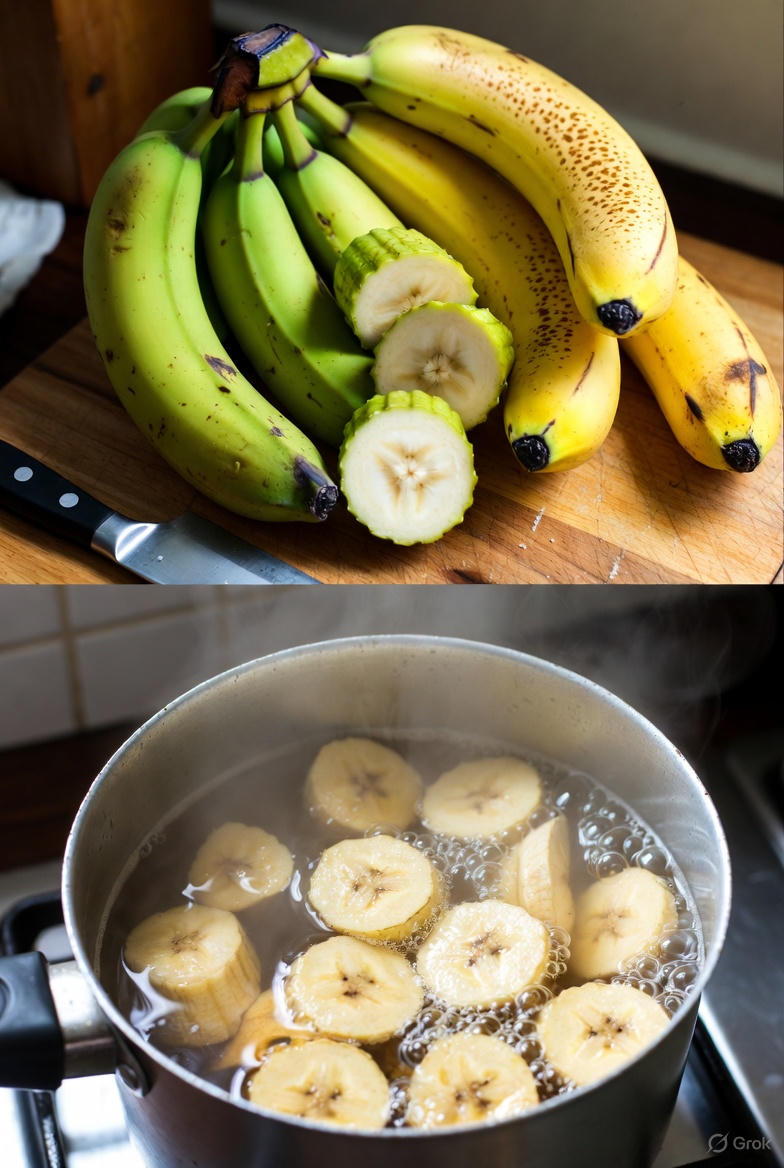
Grabbing underripe bananas might mean missing out on easier digestion and sweeter flavor. Green bananas have higher resistant starch, which some find harder on the stomach, while overripe ones offer more antioxidants but can be mushy.
Check for yellow peels with small brown spots for peak ripeness. This ensures optimal texture and nutrient availability, as noted in nutritional reviews from the Academy of Nutrition and Dietetics.
And speaking of nutrients, the next mistake ties right in.
Mistake 4: Peeling Bananas the Wrong Way
Most people peel from the stem end, which can bruise the fruit and make it messy. Monkeys, interestingly, peel from the bottom, avoiding this issue entirely.
Give it a try: Pinch the bottom tip and peel downward for a cleaner experience. This small habit change can make snacking more enjoyable.
But wait, there’s more to consider about combinations.
Mistake 5: Pairing Bananas with Dairy Incorrectly
While banana smoothies are popular, blending them with milk might cause bloating for those sensitive to lactose or certain fruit acids. This combination can sometimes slow digestion.
Opt for plant-based alternatives like almond milk instead. Add spinach or berries for extra nutrients, turning it into a wholesome meal.
Sự thật là, preparation matters too—let’s dive deeper.
Mistake 6: Not Washing Bananas Before Eating
Bananas might seem clean, but their peels can harbor pesticides or dirt from handling. Touching the fruit after peeling transfers these residues.
Rinse the peel under water before opening, even if you don’t eat it. This hygienic step, recommended by food safety guidelines from the FDA, helps reduce exposure.
Now, onto quantity—it’s trickier than you think.
Mistake 7: Eating Too Many Bananas at Once
Bananas are healthy, but consuming several in one sitting can lead to excess potassium intake, potentially causing mild stomach upset in sensitive individuals. Balance is essential, as per dietary advice from the USDA.
Limit to one or two per day, incorporating variety with other fruits. Track your intake if you have specific health concerns.
And finally, the last common oversight.
Mistake 8: Overlooking Banana Allergies or Sensitivities
Some people experience oral itching or digestive issues from bananas due to latex-fruit syndrome, a cross-reactivity noted in allergy research. Ignoring this can make eating them uncomfortable.
If symptoms arise, consult a professional for advice. Alternatives like apples or berries can fill the gap.
Here’s the interesting part: By avoiding these, you might notice better energy levels throughout your day.
Quick Comparison: Banana Ripeness Stages and Benefits
| Stage | Appearance | Benefits | Drawbacks |
|---|---|---|---|
| Green | Firm, no spots | High resistant starch for gut health | Harder to digest, less sweet |
| Yellow | Bright, minimal spots | Balanced nutrients, easy eating | Ripens quickly |
| Spotted | Brown flecks | Higher antioxidants | Softer texture, may bruise easily |
| Brown | Mostly dark | Great for baking, concentrated sugars | Too mushy for fresh eating |
This table shows how choosing the right stage enhances your experience.
Simple Ways to Incorporate Bananas Daily
- Slice them into oatmeal for a fiber boost.
- Freeze for smoothies to avoid waste.
- Mash into pancakes for natural sweetness.
- Pair with peanut butter on whole-grain toast.
- Use in salads for unexpected texture.
These tips are actionable and fit busy lifestyles.
But that’s just the start—implementing them can transform your habits.
How These Changes Can Improve Your Routine
Adjusting these small habits around bananas can lead to better digestion, sustained energy, and less food waste. Research from nutritional journals supports mindful eating for overall wellness.
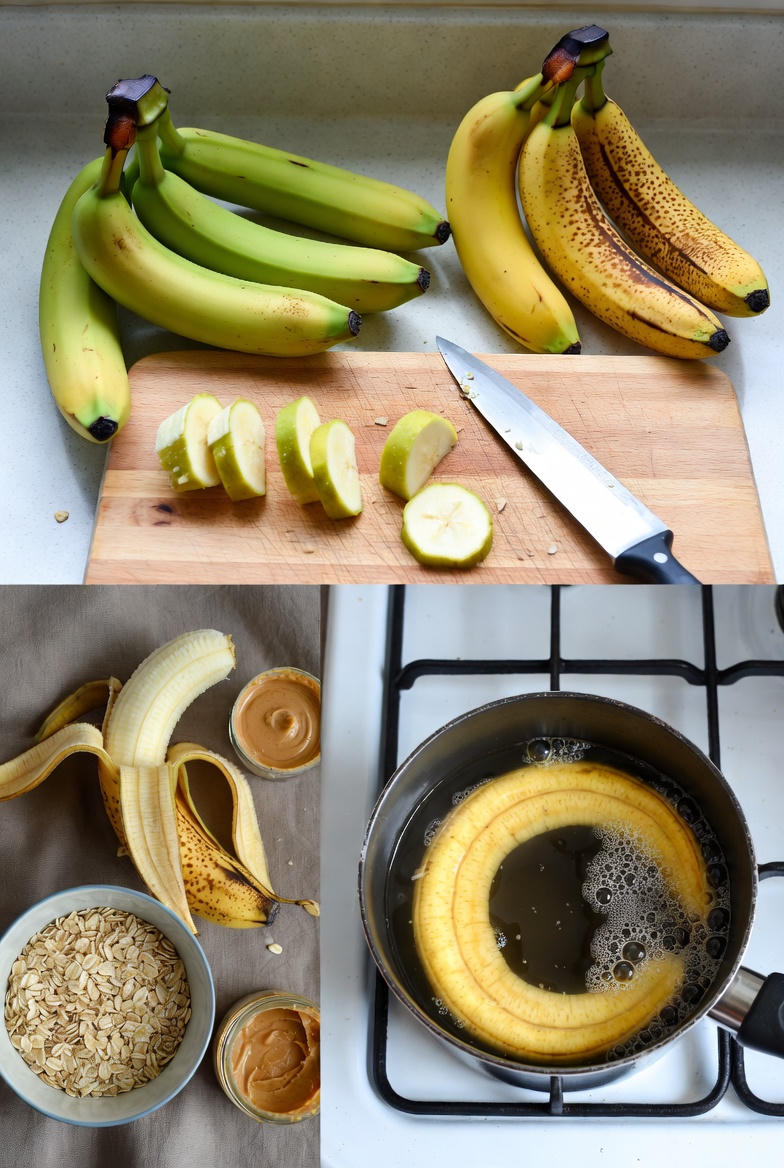
Remember that surprising tip? It’s this: Experimenting with banana tea—boiling peels for a soothing drink—might offer additional relaxation benefits, as some studies explore.
Frequently Asked Questions
Can eating bananas help with weight management?
Bananas provide fiber that promotes fullness, potentially aiding portion control when part of a balanced diet. However, individual results vary based on overall habits.
Are organic bananas better than conventional ones?
Organic options may have fewer pesticides, appealing to those concerned about residues. Both provide similar nutritional value, so choose based on preference and budget.
What if I have diabetes—should I avoid bananas?
Bananas have a moderate glycemic index, so portion control is key. Pairing with proteins can help manage blood sugar, as suggested in diabetes management resources.
Always consult with a healthcare provider for personalized advice regarding your health and diet. This article is for informational purposes only and not intended as medical advice.