Maintaining healthy kidneys is something many of us take for granted until we start feeling off—maybe more tired than usual, or noticing changes that make us worry about our overall well-being. High creatinine levels in the blood can be a sign that the kidneys are working harder than they should, often due to everyday factors like diet, dehydration, or stress on the body. It’s frustrating and concerning when lab results come back higher than expected, leaving you wondering what small changes could make a real difference without overwhelming your routine.
But here’s the good news: simple, everyday foods packed with nutrients can play a supportive role in promoting kidney function and encouraging balanced creatinine levels over time. Research suggests that a diet rich in antioxidants, healthy fats, and fiber may help reduce inflammation and oxidative stress, which are key factors in kidney health. And the best part? We’ll uncover some surprising everyday staples that fit right into your meals—keep reading to discover how these 12 superfoods could become your allies.

Why Diet Matters for Kidney Health
Your kidneys filter waste, balance fluids, and regulate blood pressure every single day. When creatinine—a natural byproduct of muscle activity—builds up, it can signal that this filtering process needs extra support.
Studies, including those from the National Kidney Foundation, show that incorporating antioxidant-rich foods and healthy fats can help combat inflammation and support overall kidney function. A balanced approach focusing on whole foods often makes a noticeable difference.
But that’s not all—let’s dive into the foods that research highlights as particularly helpful.
The 12 Superfoods to Consider Adding to Your Diet
Here are 12 nutrient-dense foods that studies and health experts often recommend for supporting kidney health. Each one brings unique benefits, backed by evidence from sources like the National Kidney Foundation and various nutritional reviews.
1. Apples
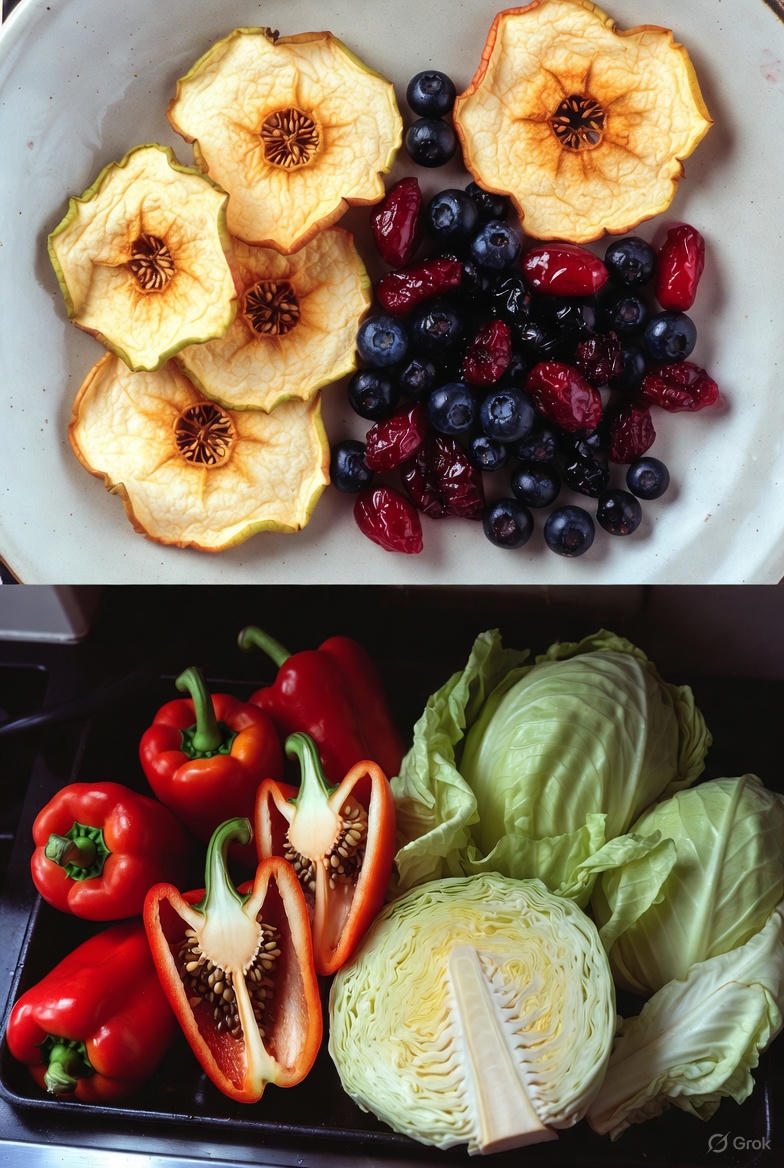
Apples are low in potassium and packed with fiber and antioxidants. The pectin in apples may help manage cholesterol and blood sugar, indirectly supporting kidney function.
- Enjoy one apple as a daily snack.
- Slice into salads or bake with cinnamon.
Research indicates apples can contribute to heart health, which is closely linked to kidneys.
2. Berries (Blueberries, Strawberries, Cranberries)
Berries are loaded with antioxidants that fight inflammation. Cranberries, in particular, may help prevent urinary tract issues that can affect kidneys.
- Aim for a handful of mixed berries daily.
- Add to yogurt or smoothies.
Studies show berries’ anti-inflammatory properties make them a smart choice.

3. Red Bell Peppers
Low in potassium but high in vitamins C and A, red bell peppers provide antioxidant support without overloading the kidneys.
- Chop into stir-fries or eat raw with dips.
- Roast for added flavor.
They’re a colorful, kidney-friendly vegetable staple.
4. Cabbage
Rich in fiber and vitamins, cabbage is low in potassium and helps with digestion while offering anti-inflammatory benefits.
- Use in slaws, soups, or stir-fries.
It’s affordable and versatile for everyday meals.
5. Cauliflower
A great low-potassium alternative to higher-carb veggies, cauliflower is full of vitamin C and fiber.
- Mash as a potato substitute or rice it for sides.
This cruciferous veggie supports detoxification processes.
6. Garlic
Garlic contains allicin, a compound with anti-inflammatory effects that may protect kidney tissue.
- Add minced garlic to sauces, dressings, or roasted veggies.
Research suggests it can be as supportive as some medications for kidney protection in certain contexts.
7. Onions
Onions provide quercetin, a powerful antioxidant that may reduce inflammation.
- Sauté as a base for many dishes.
They’re a flavorful addition without adding much sodium.
8. Olive Oil (Extra Virgin)
Extra virgin olive oil is rich in healthy monounsaturated fats and polyphenols that combat oxidative stress.
- Use for cooking, dressings, or dipping bread.
- Drizzle over veggies.
Evidence from Mediterranean diet studies links it to better cardiovascular and kidney outcomes.
9. Fatty Fish (Like Salmon)
Omega-3 fatty acids in fatty fish may help lower inflammation and support heart health, benefiting kidneys indirectly.
- Grill or bake 2-3 times a week.
- Check portions for phosphorus if needed.
Choose low-mercury options.
10. Egg Whites
Egg whites offer high-quality protein without the phosphorus found in yolks, making them easier on the kidneys.
- Use in omelets or scrambled.
- Separate and whip for lighter dishes.
They’re a lean protein source for balanced meals.
11. Leafy Greens (Like Kale or Arugula, in Moderation)
Certain greens provide vitamins and antioxidants, though monitor potassium intake.
- Steam or add to smoothies sparingly.
Focus on lower-potassium varieties.
12. Cherries
Cherries are antioxidant powerhouses that may reduce inflammation and support overall wellness.
- Fresh, frozen, or in smoothies.
They add natural sweetness without excess sugar.
Simple Ways to Incorporate These Foods Daily
Making changes doesn’t have to be complicated. Here’s how to get started:
- Breakfast: Berry smoothie with cauliflower rice on the side.
- Lunch: Salad with red bell peppers, onions, cabbage, and olive oil dressing.
- Dinner: Grilled salmon with garlic-roasted veggies and apple slices.
- Snacks: Handful of cherries or egg white bites.
But here’s the interesting part—consistency matters more than perfection. Start with 3-4 of these foods and build from there.
Bucket Brigades to Keep You Reading
You might be thinking, “This sounds great, but will it really help?” The truth is, while no single food is a magic fix, combining them with hydration and balanced habits often leads to positive shifts.
Here’s a quick comparison of key nutrients in some of these superfoods:
| Food | Key Benefits | Potassium (per serving) | Antioxidants |
|---|---|---|---|
| Apples | Fiber, pectin | Low | High |
| Berries | Anti-inflammatory | Low-Moderate | Very High |
| Red Bell Peppers | Vitamin C | Low | High |
| Olive Oil | Healthy fats, polyphenols | None | High |
| Egg Whites | Lean protein | Low | Moderate |
This variety ensures you’re getting broad support.
Additional Tips for Supporting Kidney Health
- Stay hydrated: Aim for clear, consistent urine.
- Limit processed foods and excess sodium.
- Manage portions of high-protein foods.
- Include light activity, like walking, to promote circulation.
Research from organizations like the National Kidney Foundation emphasizes these habits alongside diet.
Conclusion
Incorporating these 12 superfoods into your routine can be a practical, enjoyable way to support your kidneys and encourage healthy creatinine levels. Small, consistent choices add up, helping you feel more energized and in control.
Remember, diet is just one piece—pair it with regular check-ups for the best results.
Frequently Asked Questions (FAQ)
1. Can certain foods directly lower creatinine levels quickly?
No single food acts quickly or alone, but a consistent diet rich in antioxidants and low in processed items may support balanced levels over time, according to nutritional studies.
2. Is it safe to eat these foods if I have existing kidney concerns?
Many are kidney-friendly, but individual needs vary—especially potassium or phosphorus limits. Always consult your healthcare provider.
3. How much of these superfoods should I eat daily?
Start with moderate portions, like 1-2 servings per food, and adjust based on your overall diet and doctor’s advice.
Disclaimer: This article is for informational purposes only and is not intended as medical advice. Always consult with a qualified healthcare professional before making dietary changes, especially if you have kidney concerns or other health conditions.
(Word count: approximately 1350)