Many women go about their daily lives without giving much thought to subtle changes in their bodies, but these shifts can sometimes signal important health concerns. It’s easy to dismiss minor discomforts as normal aging or stress, yet overlooking them might mean missing opportunities for early awareness and timely check-ups. The good news is that becoming more attuned to your body’s signals can empower you to take proactive steps toward better breast health. But what if there was a way to recognize these signs even earlier than you think? Stick around to uncover a surprising insight at the end that could change how you approach your routine self-checks.
Understanding Breast Health Basics
Breast health is something every woman should prioritize, as it plays a key role in overall well-being. Breasts can change naturally over time due to factors like hormonal fluctuations, pregnancy, or menopause. However, being aware of what feels and looks normal for you is essential.
Research from organizations like the American Cancer Society highlights the importance of regular self-exams and screenings. These habits help you spot deviations early on.
But that’s not all—let’s dive into why early awareness matters so much.
Why Early Awareness of Changes Matters
Staying vigilant about breast changes isn’t about fear; it’s about empowerment. When you’re familiar with your body’s baseline, you’re better equipped to notice anything unusual.
Studies show that women who perform monthly self-exams are more likely to detect changes promptly. This simple practice can lead to earlier consultations with healthcare providers.
Here’s the interesting part: many changes are benign, but knowing when to seek advice can make all the difference.
The First Sign: Unusual Lumps or Thickening
One of the most commonly discussed changes is the presence of a lump or thickened area in the breast or underarm. This might feel like a hard knot or a thickened patch that’s different from the surrounding tissue.
It’s not always a cause for alarm, as lumps can result from cysts or fibroadenomas, which are non-cancerous. However, if it’s new or persistent, it’s worth noting.
To check for this, use the pads of your fingers in a circular motion during your self-exam. Start from the outer edge and move inward.
Actionable tip: Perform this check once a month, ideally a few days after your period ends when breasts are less tender.
But wait, there’s more to consider beyond just lumps.
The Second Sign: Changes in Breast Shape or Size
Noticeable alterations in the shape, size, or contour of one or both breasts can be another indicator to watch. This might include swelling, dimpling, or an orange-peel texture on the skin.
These changes can occur due to various reasons, including weight fluctuations or hormonal shifts. Yet, if they’re unexplained and affect only one side, pay attention.
A study published in the Journal of the National Cancer Institute suggests that asymmetry in breast size could warrant further evaluation.
Here’s a step-by-step guide to monitoring this:
- Stand in front of a mirror with arms at your sides.
- Raise your arms overhead and look for any pulling or dimpling.
- Place hands on hips and flex your chest muscles.
- Note any differences and track them over time.
Sự thật là, these visual checks are quick and can become a habit.
The Third Sign: Nipple Changes or Discharge
Changes involving the nipple, such as inversion (turning inward), redness, or flaky skin, shouldn’t be ignored. Additionally, any spontaneous discharge that’s not related to breastfeeding—clear, bloody, or otherwise—deserves attention.
Nipple discharge is common and often harmless, especially if it’s milky and from both sides. But unilateral or bloody discharge is different.
According to guidelines from the Mayo Clinic, these symptoms prompt a professional assessment.
To observe this, gently squeeze the nipple during your self-exam and note any fluid.
This is the part where consistency pays off—regular checks help you know what’s normal.
The Fourth Sign: Skin Irritation or Redness
Persistent redness, rash, or irritation on the breast skin can mimic an infection but may indicate something else. This could appear as warmth, swelling, or a rash that doesn’t resolve with typical treatments.
Inflammatory conditions or allergies might be the culprit, but ongoing issues need checking.
Research from the Centers for Disease Control and Prevention (CDC) emphasizes monitoring skin changes as part of breast health routines.
Practical advice: If over-the-counter remedies don’t help within a week, consult a doctor.
Now, let’s look at how these signs compare in a simple table for clarity.
| Sign | What to Look For | When to Act | Common Benign Causes |
|---|---|---|---|
| Lumps or Thickening | Hard knots or thickened areas | If new or persistent | Cysts, fibroadenomas |
| Shape/Size Changes | Swelling, dimpling, asymmetry | If unexplained and one-sided | Hormonal shifts, weight changes |
| Nipple Changes | Inversion, discharge, flakiness | If spontaneous or bloody | Infections, eczema |
| Skin Irritation | Redness, warmth, rash | If lasting more than a week | Allergies, dermatitis |
This table breaks it down simply, making it easier to reference.
How to Incorporate Self-Exams into Your Routine
Making self-exams a habit doesn’t have to be complicated. Start by choosing a consistent time each month.
Step 1: Lie down and use your opposite hand to examine each breast in circular motions.
Step 2: Check the underarm area for any swelling.
Step 3: Stand and repeat in the shower, where soapy skin makes it easier to feel.
Step 4: Visually inspect in a mirror as described earlier.
The key is regularity—set a calendar reminder if needed.
But here’s the exciting bit: combining this with annual professional screenings amplifies your awareness.

Additional Factors That Influence Breast Health
Lifestyle plays a role too. Maintaining a healthy weight, limiting alcohol, and exercising regularly are supported by evidence from the World Health Organization.
Genetics matter as well—if there’s a family history, discuss earlier screenings with your doctor.
Don’t forget emotional well-being; stress can affect how attuned you are to your body.
When to See a Healthcare Professional
If any of these signs appear, it’s better to err on the side of caution. Schedule an appointment without delay.
Doctors may recommend mammograms, ultrasounds, or other imaging based on your age and risk factors.
Remember, most changes are not serious, but checking provides peace of mind.
Wrapping It Up: Empowering Yourself Through Knowledge
In summary, staying informed about these four key changes—lumps, shape alterations, nipple issues, and skin irritation—can help you maintain better breast health awareness. By incorporating simple self-checks and healthy habits, you’re taking control of your well-being.
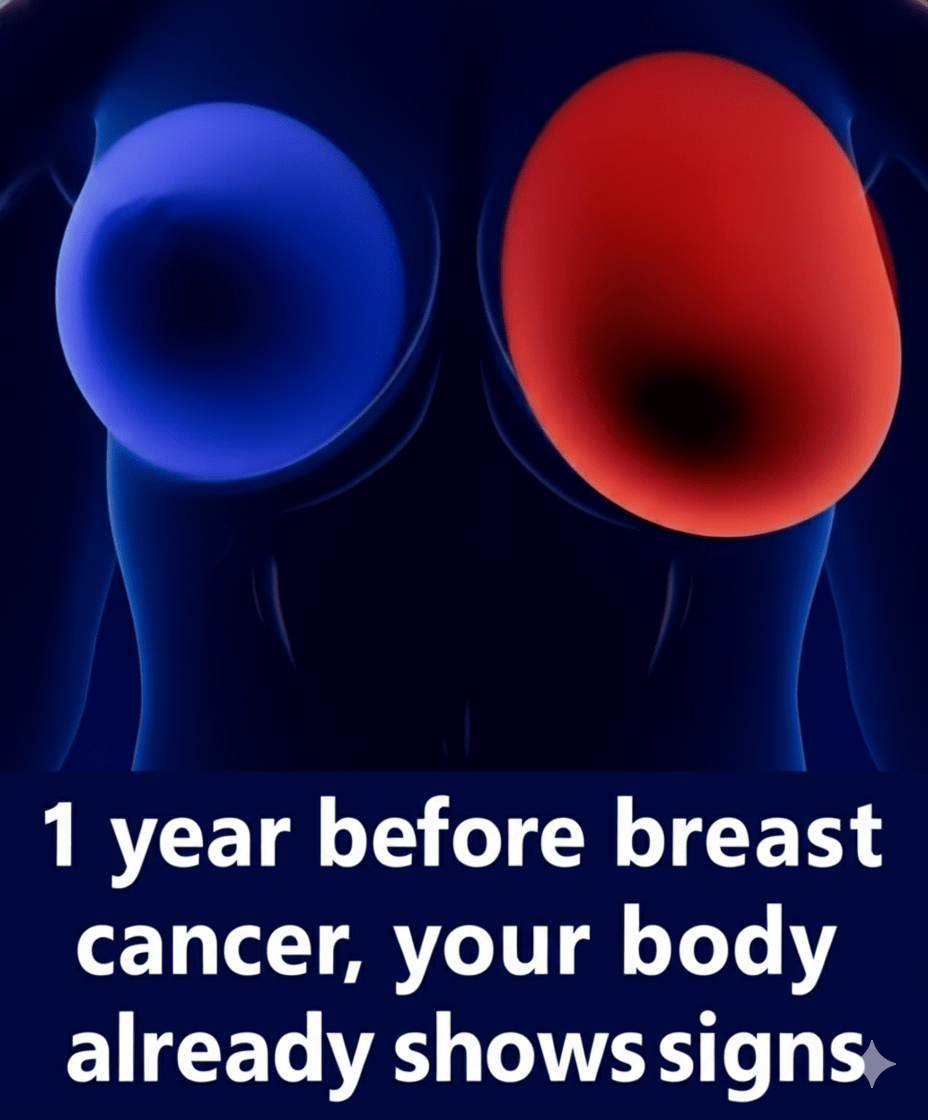
And now, that surprising insight I promised: research indicates that some women notice subtle temperature differences in their breasts up to a year before other signs emerge, often warmer on one side. While not definitive, this underscores the value of holistic monitoring.
Frequently Asked Questions
What age should women start self-exams for breast health?
Women in their 20s can begin monthly self-exams to establish a baseline, as recommended by health organizations like the American Cancer Society. This helps in recognizing changes early.
Are there lifestyle changes that support breast health?
Yes, regular physical activity, a balanced diet rich in fruits and vegetables, and limiting alcohol intake are associated with better overall health, including breast health, according to various studies.
How often should I get professional screenings?
Guidelines suggest starting mammograms at age 40 for average-risk women, but discuss with your doctor based on personal factors like family history.
Disclaimer: This article is for informational purposes only and is not a substitute for professional medical advice, diagnosis, or treatment. Always consult a qualified healthcare provider with any questions you may have regarding a medical condition.
(Word count: 1,248)