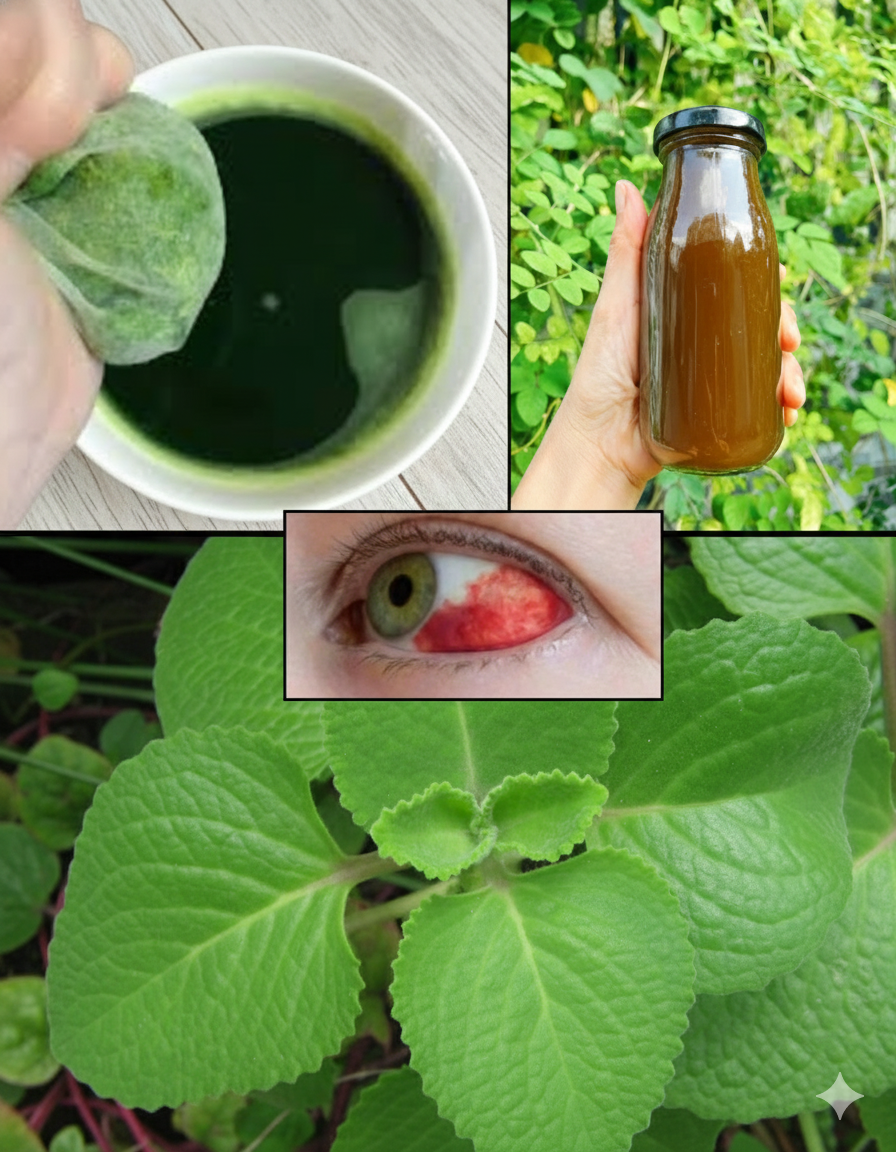
Indian borage, scientifically known as Plectranthus amboinicus, is a succulent herb with thick, fuzzy leaves that give off a strong, aromatic scent similar to oregano. Also called Mexican mint, Cuban oregano, or Spanish thyme, it’s been used for generations in traditional practices across Asia, the Caribbean, and Latin America.
This plant grows easily in warm climates or even indoors on a windowsill. Its leaves contain natural compounds like rosmarinic acid, carvacrol, and thymol, which research suggests may support the skin’s natural response to everyday irritants.
Studies, including those published in journals like Pharmacognosy Research and PubMed, indicate that extracts from Indian borage show anti-inflammatory properties in lab models. For instance, rosmarinic acid is known for its potential to calm skin responses, while carvacrol and thymol may help with circulation and soothing effects.
Key Compounds in Indian Borage That May Support Skin Comfort
Here’s a quick look at some of the main natural compounds found in Indian borage and what preliminary research says about them:
- Rosmarinic acid: Abundant in the leaves, this antioxidant has been studied for its role in supporting the body’s natural anti-inflammatory pathways.
- Carvacrol and thymol: These give the herb its distinctive aroma and are linked to gentle warming and circulation-supporting effects in traditional use.
- Vitamin C and flavonoids: The leaves provide natural sources that may contribute to overall skin vitality when used topically or in teas.
But that’s not all—many people appreciate its cooling sensation when applied fresh, thanks to the juicy gel inside the thick leaves.
A Gentle Evening Ritual: How to Use Fresh Indian Borage Leaves Around the Eyes
If you’re curious about trying this herb, here’s a simple, step-by-step approach shared by those who incorporate it into their self-care routines. Always start with caution and test for sensitivity.
- Select 2-3 fresh, healthy leaves from a plant (or purchase from a reliable source).
- Gently rinse and pat dry, then chill them in the fridge for 15-20 minutes for extra cooling.
- Lightly crush the leaves to release the natural juices without tearing them completely.
- Relax with eyes closed and place one leaf under each eye area, like a soft compress, for 10-15 minutes.
- Afterward, gently massage any remaining gel into the skin in circular motions.
- Rinse with cool water or leave on overnight if it feels comfortable.
This ritual takes just minutes and combines aromatherapy with a natural cooling effect. Many find the herbal scent relaxing, helping unwind at the end of the day.


Indian Borage Compared to Common Eye Care Options
To help visualize the differences, here’s a simple comparison based on traditional and everyday use:
| Feature | Fresh Indian Borage Leaf | Typical Store-Bought Eye Product |
|---|---|---|
| Cost per use | Very low (pennies if grown at home) | Higher (several dollars) |
| Natural aroma | Yes, herbal and plant-based | Often synthetic |
| Cooling sensation | Immediate from fresh leaf | Varies, often from additives |
| Environmental impact | Biodegradable | Packaging waste |
| Ease of sourcing | Grow indoors or buy fresh | Readily available in stores |
This isn’t about replacing products but exploring complementary natural options.
Safety Tips and Important Considerations
While Indian borage has a long history of traditional use, it’s essential to approach it mindfully:
- Always perform a patch test on your inner arm for 24 hours before using near the eyes.
- Avoid if you have known sensitivities to the mint family (like oregano, basil, or thyme).
- Do not use on broken skin or near the eyes if irritation occurs—rinse immediately.
- Consult a healthcare professional if pregnant, nursing, or managing any health conditions.
Research supports its general safety for topical use in most people, but individual responses vary.
Growing Your Own Indian Borage for Ongoing Use
One of the best parts? This resilient plant thrives in pots. Place it on a sunny windowsill, water moderately, and snip leaves as needed. A single plant can provide fresh supplies for months, making it a sustainable addition to your home.
Frequently Asked Questions
How often can I try this ritual? Many people use it 3-5 times a week in the evening for a relaxing wind-down.
Where can I find Indian borage? Look for plants or fresh leaves at nurseries, Asian markets, or online sellers. It’s easy to propagate from cuttings.
Can I combine it with other routines? Yes, pair with a gentle cleanser and moisturizer, but avoid strong actives like retinol on the same night.
Final Thoughts
Exploring natural herbs like Indian borage can be a refreshing way to add variety to your daily self-care. Its traditional use for soothing skin, backed by emerging research on its compounds, makes it worth considering for those seeking gentle options. Start small, listen to your skin, and enjoy the process.
This article is for informational purposes only and is not a substitute for professional medical advice. Always consult your healthcare provider before trying new routines, especially around the sensitive eye area.