Many people deal with dull skin, uneven texture, or occasional breakouts from daily environmental exposure and buildup of dead cells. These common concerns can make the complexion feel rough or lackluster over time. The good news is that gentle, natural ingredients from your kitchen may offer a refreshing way to support smoother, brighter-looking skin.
But here’s the interesting part: combining a few everyday items could create an easy cleanser that feels invigorating—keep reading to discover the full recipe and tips that might surprise you.
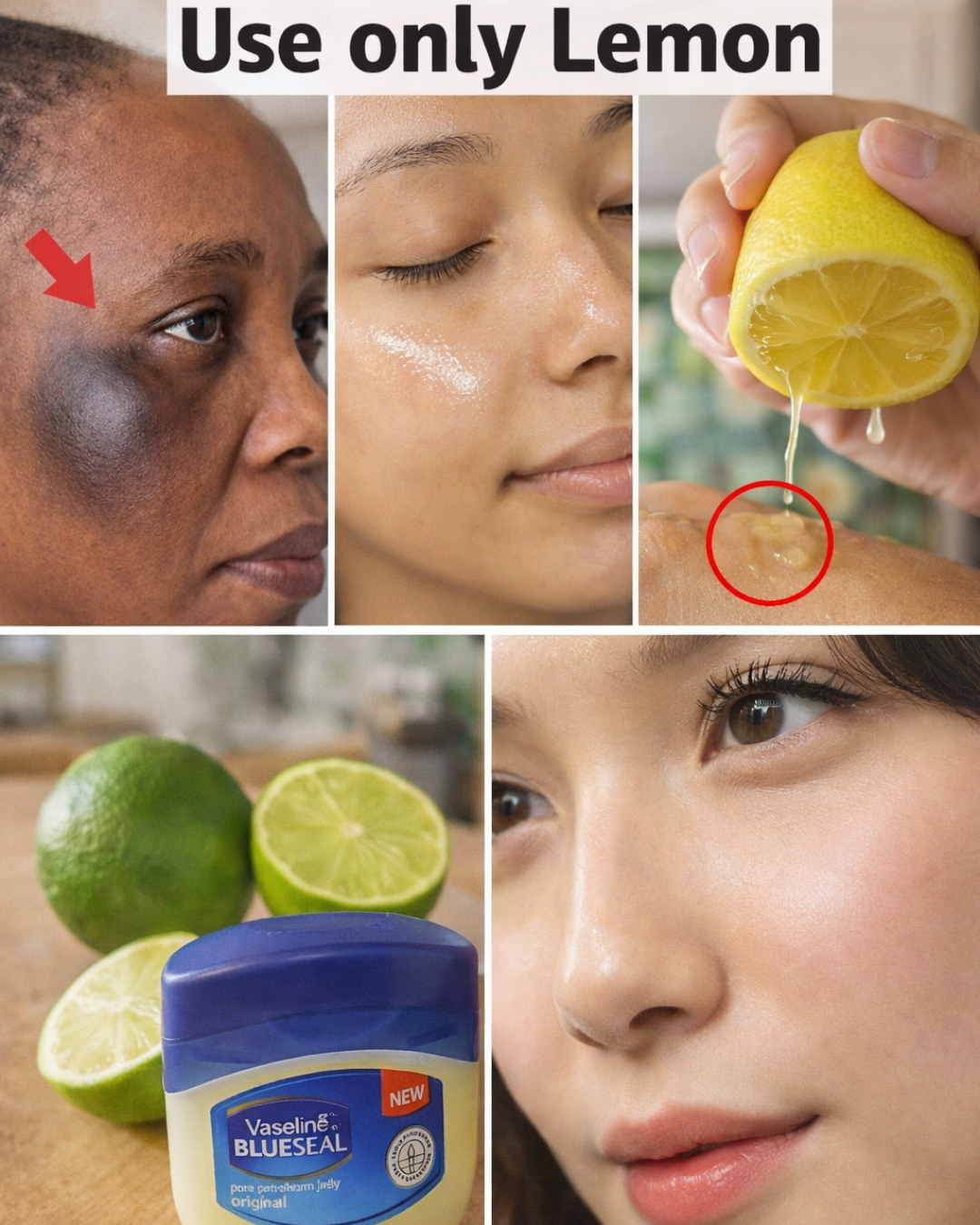
Why Consider Natural Ingredients for Facial Cleansing?
Store-bought cleansers often work well, but some prefer simpler options using household staples. Ingredients like lemon, honey, and sugar have been popular in homemade routines for years.
Research shows that certain natural components can provide mild exfoliation and hydration. For instance, studies on vitamin C (found in citrus) suggest it acts as an antioxidant that may help protect skin from daily stressors. Honey is known for its soothing properties, with research in journals like the Journal of Cosmetic Dermatology highlighting its ability to maintain moisture.
That said, natural doesn’t always mean suitable for everyone—more on safety later.
Understanding the Key Ingredients and Their Potential Roles
Each part of this DIY cleanser brings something unique:
- Fresh Lemon Juice: Rich in vitamin C and citric acid, it provides a natural astringent effect. Some studies indicate topical vitamin C can support an even-looking tone over time.
- Granulated Sugar: Acts as a gentle physical exfoliant due to its texture, similar to how glycolic acid (derived from sugar cane) helps remove dead cells in professional products.
- Raw Honey: A natural humectant that draws in moisture. Research confirms honey’s antibacterial properties, making it a popular choice for calming skin.
- Water: Helps dilute the mixture for gentler application.
The real appeal? This combo creates a refreshing, zesty cleanser that’s quick to make. But remember, results vary, and it’s not a replacement for proven skincare.
Step-by-Step Guide to Making the Cleanser
Ready to try it? This recipe makes enough for about a week’s use (refrigerated).
Ingredients (for one batch):
- Juice from 1 fresh lemon (about 2-3 tablespoons)
- ½ tablespoon granulated sugar
- ½ teaspoon raw honey
- 2 tablespoons purified water
Preparation Steps:
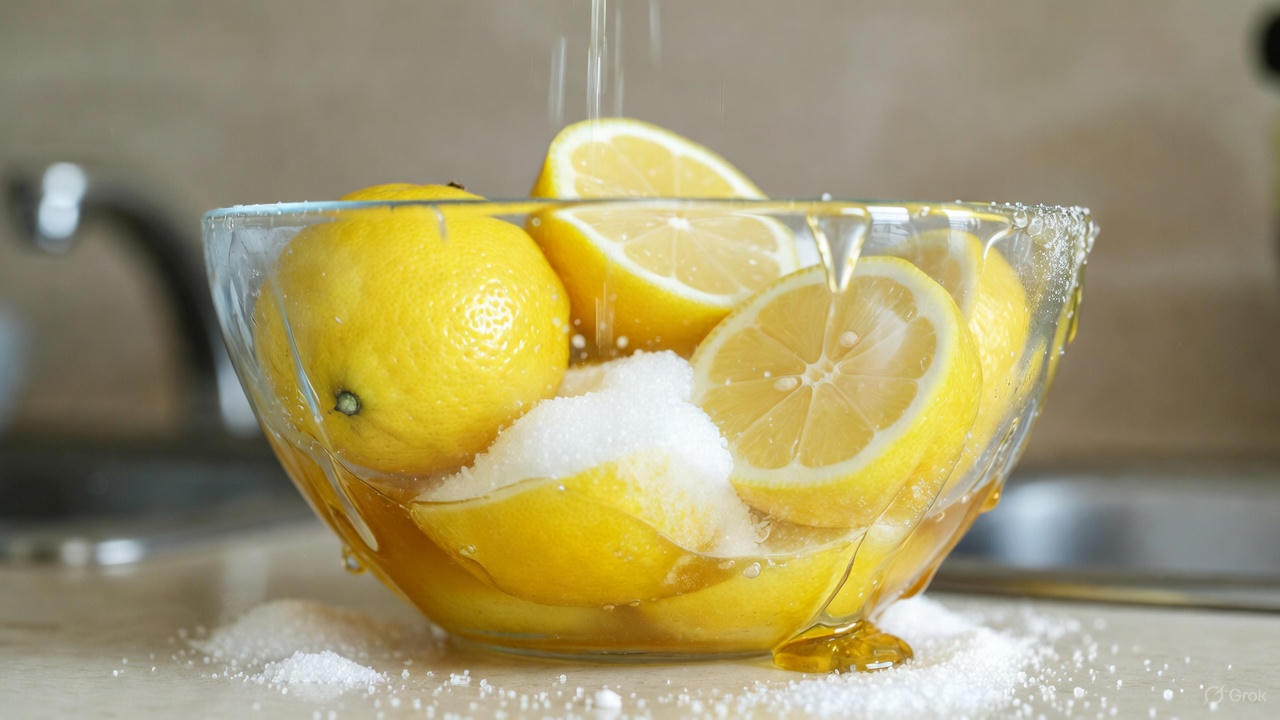
- Squeeze the lemon into a small bowl, straining out seeds and pulp for clear juice.
- Add the sugar and stir until mostly dissolved.
- Mix in the honey until smooth.
- Stir in the water to dilute everything.
- Transfer to a clean glass spray bottle or jar.
Pro tip: Use organic lemons if possible for fresher scent. Store in the fridge—it lasts up to 7-10 days.
How to Use It Safely and Effectively
Consistency matters more than intensity. Here’s a simple routine:
- Start with clean, dry skin (wash with a mild soap first).
- Shake the bottle, then spray or apply a small amount to your face and neck.
- Gently massage in circular motions for 1-2 minutes—feel the light exfoliation.
- Let it sit for 5-10 minutes (less if sensitive).
- Wipe off with a damp cotton pad, then rinse with cool water.
- Follow with your usual moisturizer.
Use 2-3 times per week. For sensitive skin, begin with once weekly and dilute more if needed.
But that’s not all—pairing it with a simple moisturizing step can enhance comfort.
Boosting Moisture: A Quick Follow-Up Tip
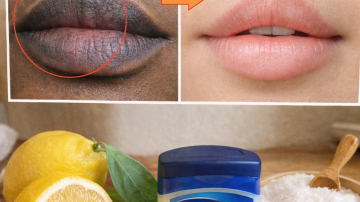
After rinsing, apply a thin layer of petroleum jelly (like Vaseline) on slightly damp skin. This creates a barrier to lock in hydration, which can feel especially soothing after exfoliation.
Many find this “seal” helps skin feel softer longer. Just a pea-sized amount, gently pressed in.
The Science Behind the Ingredients
Here’s a quick breakdown based on available research:
| Ingredient | Key Compound | Potential Benefits Supported by Studies |
|---|---|---|
| Lemon Juice | Vitamin C & Citric Acid | Antioxidant support; may aid even tone (Journal of Cosmetic Dermatology) |
| Sugar | Natural granules | Gentle physical exfoliation, similar to glycolic effects |
| Honey | Natural enzymes | Humectant and soothing; antibacterial properties noted in reviews |
| Water | Dilution | Reduces intensity for better tolerance |
Combined use may promote gentle cell turnover, but individual results differ.
Important Safety Considerations
Natural ingredients can still cause reactions. Lemon juice is acidic and may increase sun sensitivity (photosensitivity), raising risk of irritation from UV exposure. Studies and dermatologists strongly recommend daily SPF 30+ if using citrus-based recipes.
Avoid if you have:
- Sensitive or eczema-prone skin
- Open wounds or active rosacea
- Known citrus allergies
Always patch test: Apply a bit to your inner arm, wait 24 hours.
If stinging occurs, rinse immediately and dilute further next time.
Common Questions About This DIY Cleanser
Is this safe for daily use?
No—2-3 times weekly is better to avoid over-exfoliation. Daily might dry or irritate skin.
Can it help with uneven skin tone?
Some notice brighter appearance from regular gentle exfoliation, but it’s not guaranteed. Stable vitamin C serums often provide more consistent support.
What if my skin feels dry afterward?
Increase honey or moisturizer. Reduce frequency if needed.
Final Thoughts
This simple lemon, honey, and sugar cleanser offers an easy, affordable way to incorporate gentle exfoliation into your routine. Many enjoy the fresh feel and natural approach.
Start slow, listen to your skin, and track how it responds over a couple weeks.
This article is for informational purposes only and is not medical advice. Results vary, and homemade recipes may not suit all skin types. Consult a dermatologist before trying new ingredients, especially if you have sensitive skin, conditions, or are on medications that affect sun sensitivity. Always prioritize sun protection.