Many women notice their hair becoming drier, more brittle, or harder to manage as they get older, while skin can start to look dull or feel less hydrated despite using regular products. These common changes often lead to frustration, especially when expensive routines don’t deliver noticeable improvements. The good news is that a simple, centuries-old practice from Asian traditions may offer a gentle, natural alternative worth exploring.
Keep reading to discover the interesting history, potential benefits supported by research, and easy ways to try it yourself—plus a few tips that make a real difference.
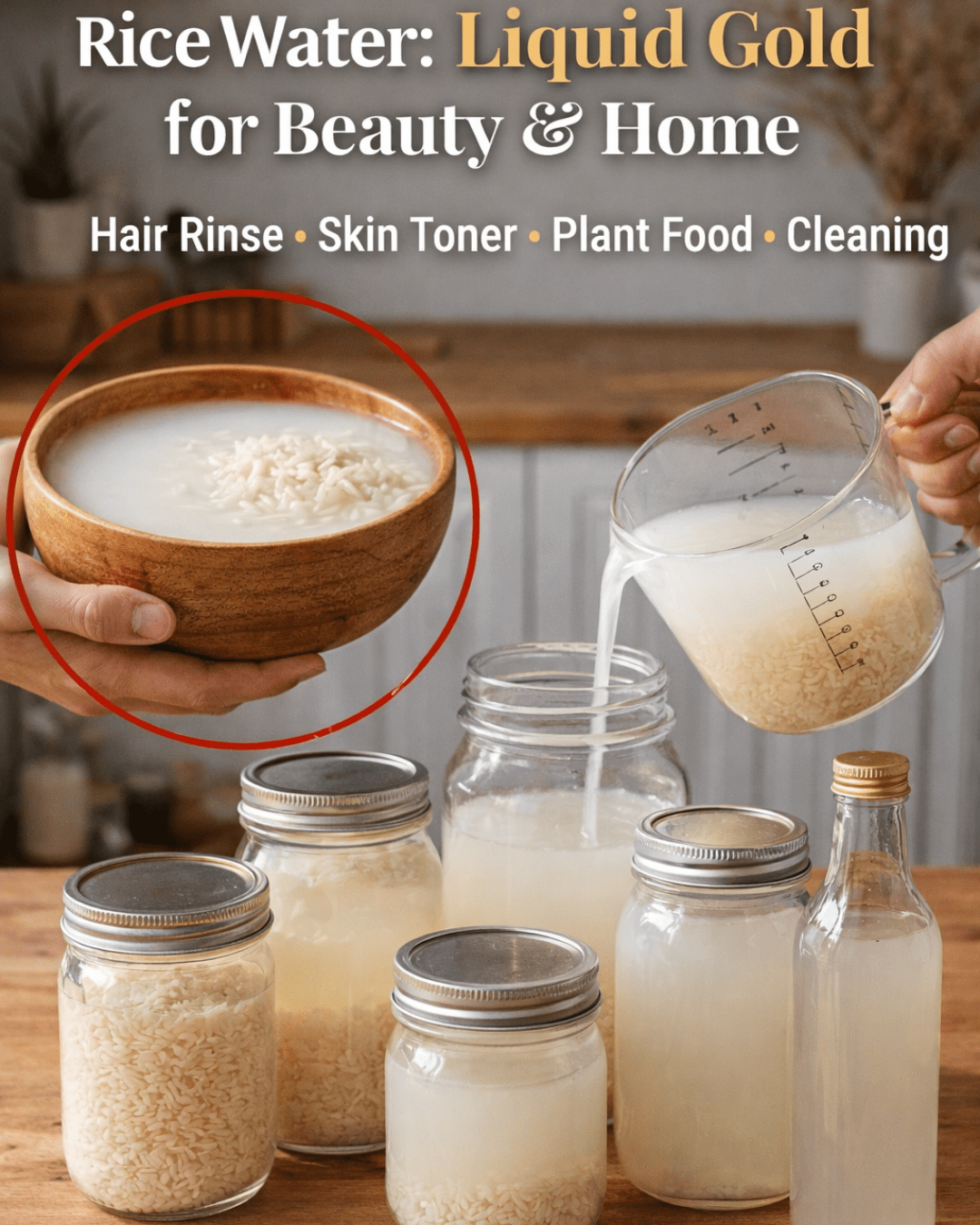
The Fascinating History Behind Rice Water in Beauty Routines
For centuries, women in parts of China and Japan have used rice water as part of their hair and skin care. The Yao ethnic group in Huangluo Village, often called the “Long Hair Village,” is particularly famous for this tradition. Many women there maintain exceptionally long, dark hair well into later years.
Historical records and ethnographic studies highlight how they rinse their hair with water left over from rinsing rice, often after letting it ferment slightly. This practice has drawn attention from researchers interested in traditional beauty methods.
But how does something so simple gain such a reputation? Let’s look closer.
What Makes Rice Water Interesting from a Scientific Perspective
Rice water contains several compounds that have caught the attention of scientists. When rice is soaked or rinsed, it releases starch, proteins, amino acids, vitamins (like B vitamins and vitamin E), minerals, and antioxidants such as ferulic acid.
A 2010 study published in the International Journal of Cosmetic Science noted that inositol—a compound found in rice water—can remain inside hair strands even after rinsing, potentially helping improve elasticity. Other research on rice bran extracts has explored their antioxidant properties and effects on skin cells.
These findings help explain why many people report positive experiences, even if results vary from person to person.
Here’s a quick overview of key compounds often mentioned in studies:
- Inositol: May help repair and protect hair structure
- Ferulic acid: A potent antioxidant also found in many skincare ingredients
- Amino acids: Building blocks that support protein formation in hair and skin
- Starch: Forms a light coating that can reduce friction
The science is still emerging, but these elements make rice water an intriguing natural option.
Potential Benefits for Hair Health
People who use rice water regularly often share similar observations about their hair.
Improved Smoothness and Shine
The starch in rice water can create a subtle coating on hair strands, reducing surface friction. Lower friction often means less frizz and more natural shine. Some users notice their hair feels silkier after a few applications.
Better Elasticity and Less Breakage
Inositol appears to penetrate the hair shaft and stay there, potentially making strands more flexible. More flexible hair tends to break less during brushing or styling.
Gentler Scalp Environment
The mild pH of fermented rice water may help maintain scalp balance without stripping natural oils. Many report reduced itchiness or flaking over time.
Support for Hydration
Dry hair can benefit from the humectant properties of certain compounds in rice water, which help attract and retain moisture.
Research continues to explore these effects, but anecdotal reports combined with preliminary studies make it a popular choice.
Potential Benefits for Skin Care
Rice water isn’t limited to hair—many use it as a facial toner or mist.
Brighter Appearance
Ferulic acid and other antioxidants may help protect skin from environmental stressors, contributing to a more even, radiant look over time.
Gentle Soothing Effect
Its anti-inflammatory properties could calm occasional redness or irritation, making it suitable for sensitive skin types.
Lightweight Hydration
As a toner, it provides mild hydration without feeling heavy, which appeals to those seeking minimalist routines.
Dermatological interest in rice-derived ingredients has grown, with some clinical studies examining their role in supporting skin barrier function.
How to Make Rice Water at Home: Simple Step-by-Step Guide
Creating rice water is straightforward and uses ingredients you likely already have.
Basic Method (Quick Rinse)
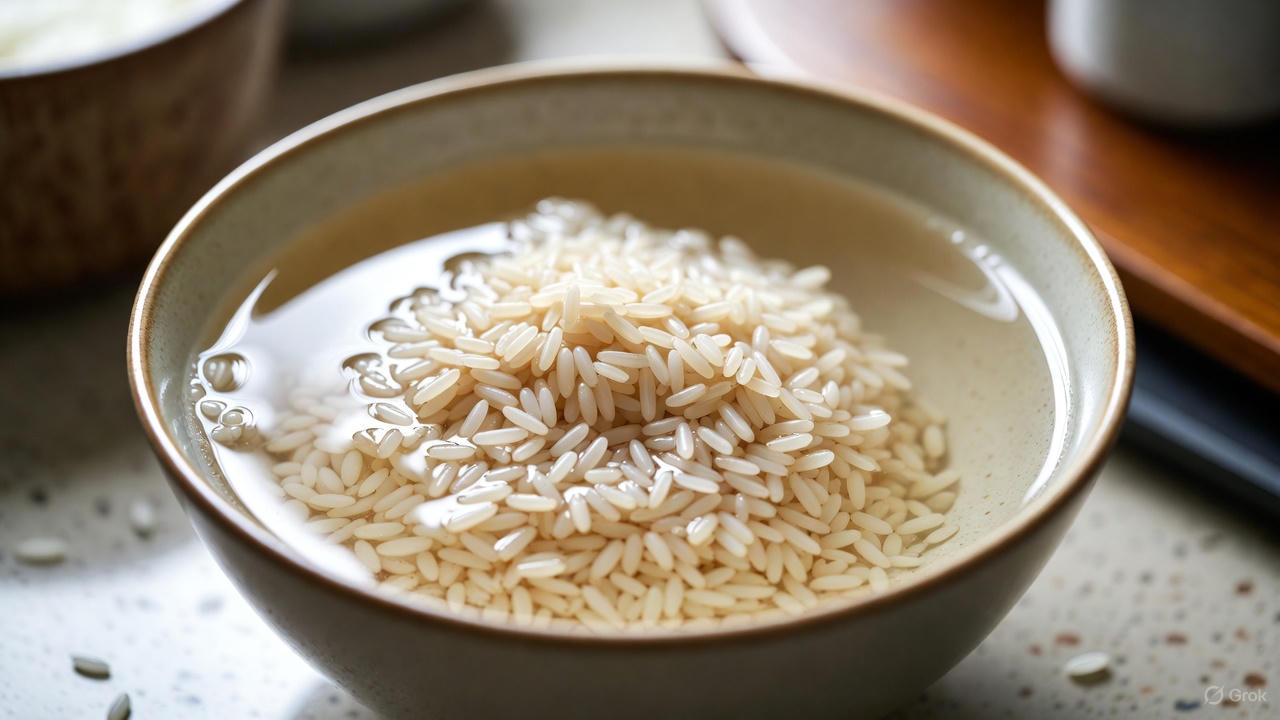
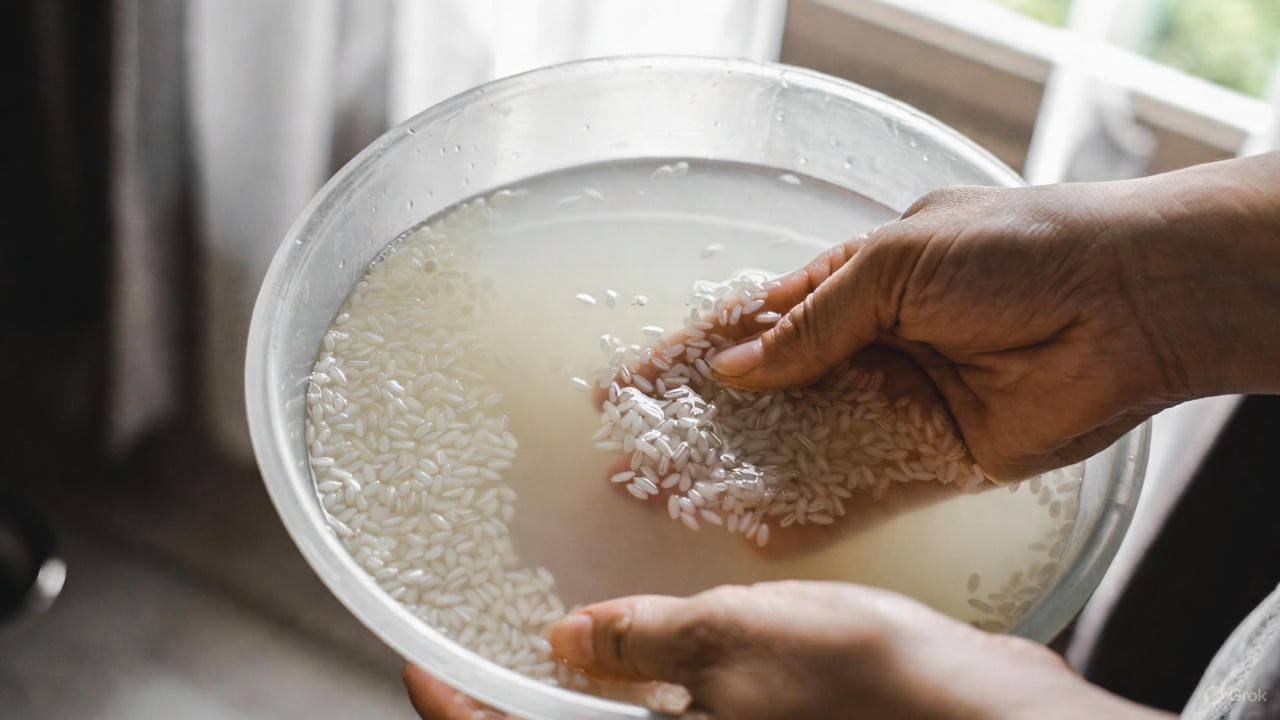
- Take ½ cup of uncooked rice (any type—white, brown, or jasmine works).
- Rinse the rice briefly to remove dirt.
- Place the rice in a bowl with 2–3 cups of water.
- Stir or massage the rice for a few minutes.
- Strain the cloudy water into a clean container.
Use immediately or store in the fridge for up to 3 days.
Fermented Method (For Extra Potency)
Follow the basic steps above, then:
- Cover the strained water loosely.
- Let it sit at room temperature for 24–48 hours (it will develop a slightly sour smell—this is normal).
- Dilute with plain water if the scent is strong.
- Refrigerate and use within a week.
Fermentation may increase antioxidant levels, according to some research.
Safe Ways to Incorporate Rice Water Into Your Routine
Start slowly to see how your hair and skin respond.
For Hair
- After shampooing, pour rice water over clean hair.
- Gently massage into scalp and lengths.
- Leave on for 10–20 minutes.
- Rinse thoroughly with plain water.
- Use 1–2 times per week.
For Skin
- Pour into a spray bottle or use a cotton pad.
- Apply after cleansing, before moisturizer.
- Start with once daily.
Tip: Always patch test on your inner arm first to check for sensitivity.
Rice Water vs. Commercial Products: A Balanced Comparison
Here’s a simple comparison to help you decide:
| Aspect | Rice Water | Typical Commercial Products |
|---|---|---|
| Cost | Virtually free | $15–60 per bottle |
| Ingredients | Single natural source | Multiple synthetic + natural actives |
| Customization | Easy to adjust strength/scent | Fixed formulation |
| Consistency | Varies by preparation | Standardized |
| Environmental impact | Minimal packaging | More packaging and shipping |
Many people enjoy combining both approaches for best results.
But that’s not all—consistency matters more than perfection.
Common Questions About Using Rice Water
Here are answers to questions we often hear:
How long until I might notice changes?
Most people report subtle differences after 2–4 weeks of regular use, though individual results vary.
Can it cause protein overload in hair?
Rice water contains small amounts of protein. If your hair feels stiff or dry, reduce frequency or dilute further.
Is fermented better than plain?
Fermentation may enhance certain compounds, but both versions are popular. Try both to see what you prefer.
Final Thoughts: A Gentle Tradition Worth Exploring
Rice water offers an accessible, low-cost way to experiment with natural care inspired by long-standing traditions and supported by emerging research. While it won’t replace professional advice or treatments, many find it a refreshing addition to their routine.
Start small, stay consistent, and listen to how your hair and skin respond.
Disclaimer: This article is for informational purposes only and is not intended to diagnose, treat, cure, or prevent any condition. Results vary by individual. Always consult a healthcare professional or dermatologist for personalized advice, especially if you have sensitive skin, scalp issues, or underlying health concerns.