Many people experience occasional tooth sensitivity, discomfort from hot or cold foods, or notice early signs of plaque buildup that can make daily life less enjoyable. These issues often stem from everyday habits like consuming sugary foods or inconsistent brushing, leading to bacterial growth in the mouth. It can be frustrating when minor oral discomfort interrupts meals, affects confidence in smiling, or builds up over time despite efforts with regular toothpaste.
The good news is that natural options from common plants have been explored in traditional practices and some studies for supporting oral hygiene. Guava leaves, in particular, stand out—and there’s an interesting insight about their compounds that most people don’t know until they dive deeper into the details below.
Why Guava Leaves Are Worth Exploring for Oral Health
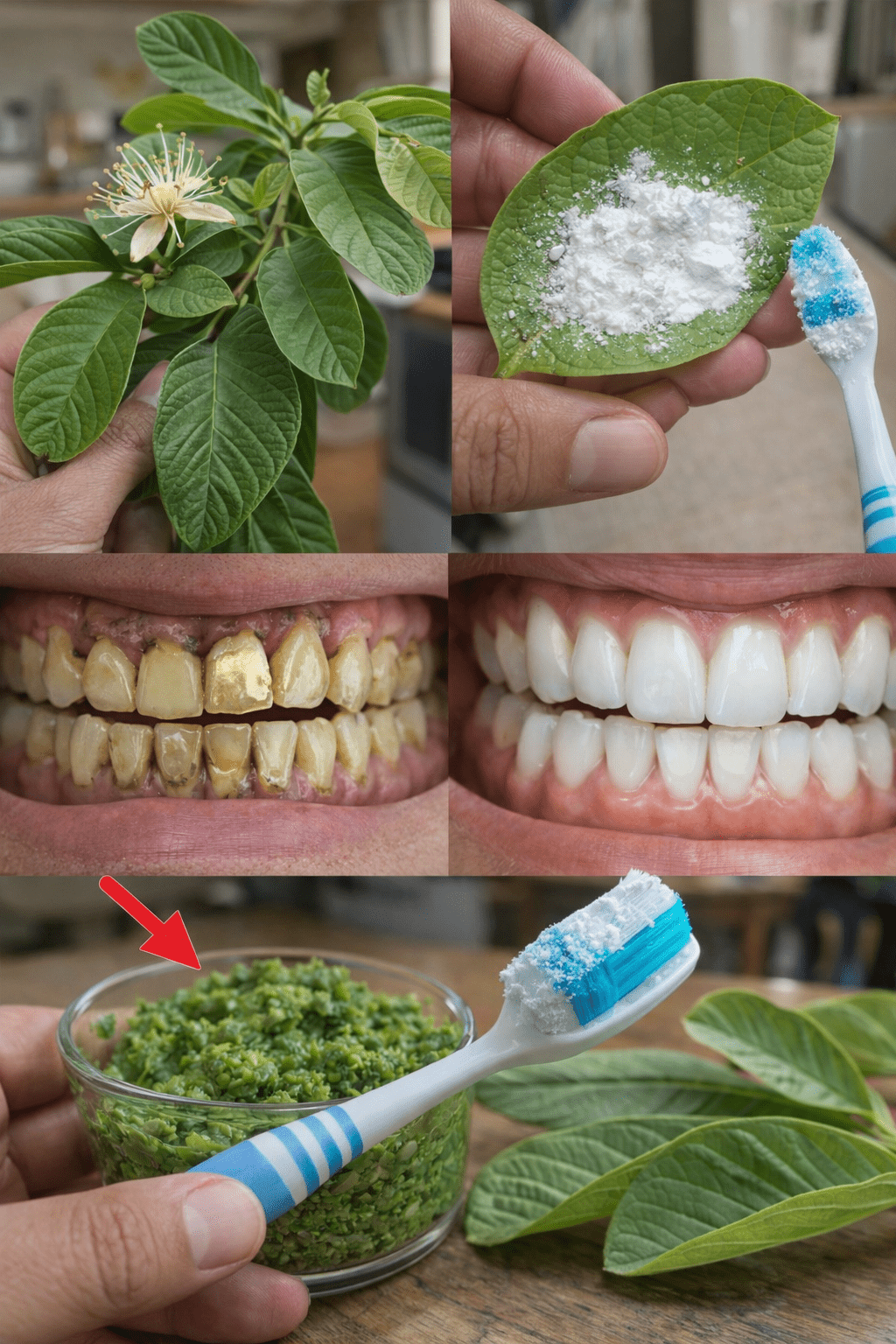
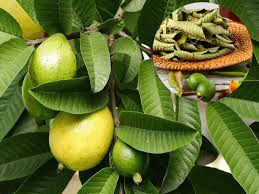
Guava leaves (from Psidium guajava) have been used in various cultures for generations to support mouth comfort. Research suggests that compounds like flavonoids, including quercetin and guaijaverin, may contribute to antimicrobial and anti-inflammatory effects.
Studies, such as those published in PMC, indicate these compounds can inhibit bacteria commonly found in the mouth, like Streptococcus mutans, which plays a role in plaque formation. Other research highlights potential antiplaque properties when used in rinses or pastes.
But here’s something interesting: Young, tender leaves often contain higher levels of these active compounds compared to older ones. Always choose fresh or properly dried leaves for the best results.
These natural approaches won’t replace professional care, but they can complement daily habits affordably.
Tip 1: Chewing Fresh Guava Leaves for Quick Soothing
If you’re dealing with occasional sensitivity or discomfort in a specific area, chewing fresh leaves is one of the simplest traditional methods.
Here’s how to do it step by step:
- Select 1-2 clean, young guava leaves.
- Wash them thoroughly under running water.
- Chew gently for a few minutes to release the juices.
- Spit out the pulp afterward—don’t swallow large amounts.
Traditional users report this helps soothe irritation quickly due to the natural compounds interacting directly with the mouth tissues.
Research on guava leaves supports potential analgesic and antimicrobial effects, making it a gentle option for temporary relief.
Many find it handy during busy days when discomfort flares up unexpectedly.
Ready for something you can prepare ahead?

Tip 2: Guava Leaf Rinse for Daily Oral Freshness
A warm rinse made from guava leaves is popular for overall mouth support and has been studied as a natural mouthwash alternative.
Step-by-step preparation:
- Take 5-6 fresh or dried guava leaves.
- Boil them in 2 cups of water for 10-15 minutes.
- Let it cool to a comfortable temperature.
- Strain and use as a rinse, swishing for 30-60 seconds twice daily.
Studies, including clinical trials on guava-based rinses, show reductions in plaque scores and bacterial counts compared to plain water, thanks to the antimicrobial activity.
This method is easy to incorporate into your morning and evening routine.
It’s especially useful if you notice buildup after meals.
But that’s not all—there’s a targeted approach for specific areas too.
Tip 3: Crushed Guava Leaf Paste for Focused Comfort
For localized gum irritation or sensitivity around certain teeth, a simple paste can provide direct application.
How to make and use it:
- Crush 2-3 fresh young leaves into a fine paste (use a mortar or blender).
- Optionally, add a pinch of salt for extra soothing (but use sparingly).
- Apply gently to the affected area with clean fingers.
- Leave for 5-10 minutes, then rinse thoroughly.
- Use as needed, 1-2 times daily.
The anti-inflammatory properties noted in research may help calm irritated tissues.
This hands-on method feels empowering and uses minimal ingredients.
Quick Comparison of the Three Tips
| Tip | Best For | How Often | Key Benefit |
|---|---|---|---|
| Chewing Fresh Leaves | Quick, on-the-go soothing | 1-2 times daily | Direct contact for fast feel |
| Leaf Rinse | Daily freshness and support | Twice daily | Covers the whole mouth |
| Crushed Paste | Targeted areas | As needed, 1-2x | Focused application |
These options are cost-effective and use readily available leaves from guava trees common in many regions.
Making the Most of These Tips
For best results, combine with good habits like brushing twice daily, flossing, and reducing sugary snacks. Studies emphasize that natural supports work best alongside consistent hygiene.
Imagine feeling more comfortable during meals or smiling without hesitation—many who try these report noticing differences over time.
Start small: Pick one tip today and see how it fits your routine.
FAQ
1. Are guava leaves safe for everyone to use in the mouth?
Most people find them gentle, but if you have allergies to guava or related plants, avoid them. Start with small amounts to check for any reaction.
2. Where can I get guava leaves?
Fresh from a guava tree (common in tropical areas) or dried from herbal stores. Ensure they’re clean and pesticide-free.
3. How long before I might notice any difference?
Experiences vary, but some report soothing effects within days of consistent use. Remember, these are supportive tips, not instant fixes.
Disclaimer: This information is for educational purposes only and is not intended to diagnose, treat, or prevent any oral health condition. Guava leaves may support comfort and hygiene based on traditional use and some studies, but they do not replace professional dental care. Always consult a dentist for persistent discomfort, sensitivity, or signs of issues.