Many people experience occasional restlessness at night or minor discomfort from daily activities. These common issues can disrupt relaxation and make it harder to feel at ease in everyday life. What if a plant often overlooked as a simple weed could offer gentle support drawn from centuries of traditional knowledge? Prickly lettuce (Lactuca serriola), a resilient wild relative of garden lettuce, has been part of folk remedies in various cultures for its potential calming properties. But there’s more to discover about how people have incorporated its young leaves into daily routines—keep reading to uncover practical insights you might find surprisingly useful.

What Is Prickly Lettuce and Why Is It Worth Knowing About?
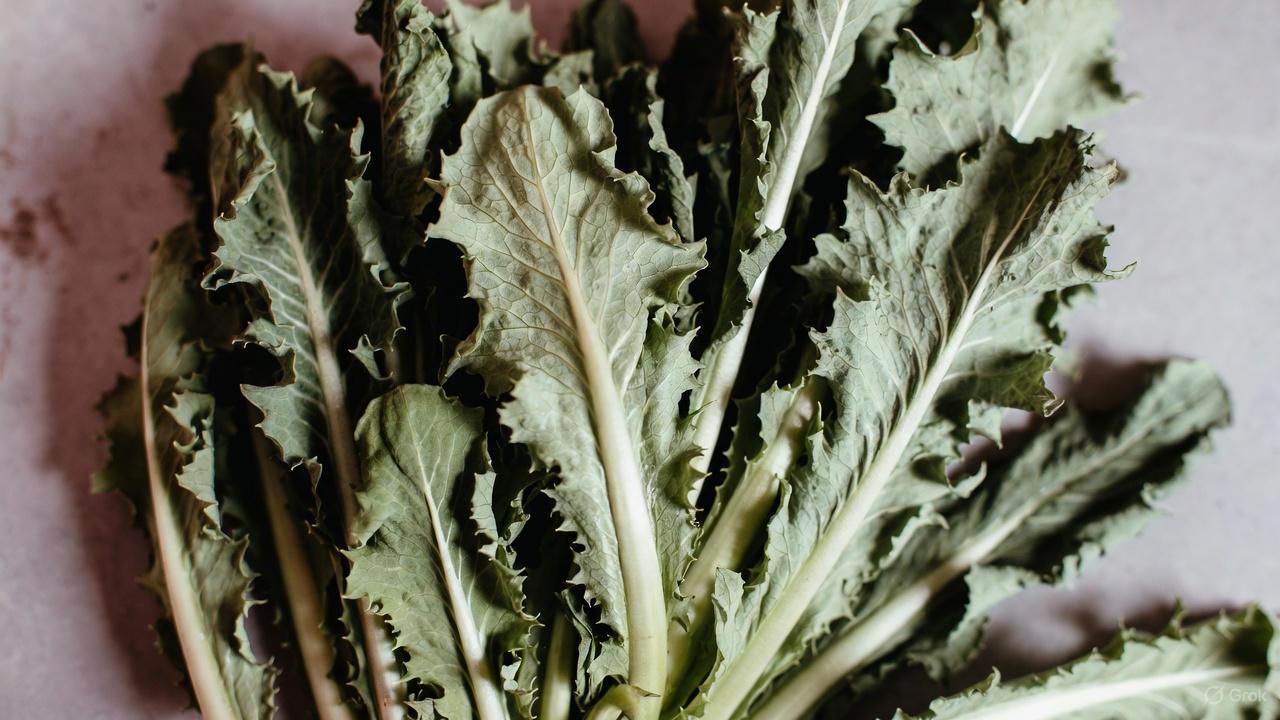
Prickly lettuce, scientifically known as Lactuca serriola, is an annual or biennial plant commonly found in disturbed soils, roadsides, and fields across many regions. It’s easily recognized by its tall stem, lobed leaves with prickly edges, and milky sap when broken.
This plant has a long history in traditional herbal practices, where its leaves and sap (known as lactucarium) have been used for mild relaxation and comfort. Research notes its compounds, like sesquiterpene lactones, which contribute to these traditional applications.
But that’s not all—modern observations and preliminary studies suggest it may hold antioxidant properties too.
Traditional Support for Relaxation and Restful Evenings
In folk medicine, prickly lettuce has been valued for its mild sedative effects. The milky sap contains compounds that have shown sedative activity in animal studies.
People have traditionally brewed tea from dried leaves to promote calmness before bed. One study on related Lactuca species highlighted hypnotic-like effects from the latex.
If you’ve ever struggled with winding down after a busy day, this ancient approach might intrigue you.
Here’s a quick comparison of traditional uses:
| Traditional Use | Common Preparation | Noted in Folklore For |
|---|---|---|
| Promoting relaxation | Tea from dried leaves | Evening calmness |
| Supporting rest | Infusion of young leaves | Better sleep quality |
Potential Help for Everyday Discomfort
Historical records describe prickly lettuce as a gentle analgesic alternative. Compounds like lactucin have demonstrated pain-relieving effects in mouse studies, comparable to milder over-the-counter options.
Traditional users applied leaf infusions for minor aches. Animal research supports possible antispasmodic actions, helping relax muscles.
This makes it interesting for those exploring natural ways to support comfort during active days.
Respiratory and Digestive Traditions
Folk remedies often turned to prickly lettuce for respiratory ease. Extracts showed bronchodilator effects in lab tests on rabbit tissues, validating expectorant uses.
For digestion, it was considered a demulcent and mild laxative. Studies indicate spasmolytic activity on gastrointestinal smooth muscles.
Imagine incorporating something from nature to gently aid these areas—pretty fascinating, right?
- Expectorant support in traditional cough remedies
- Antispasmodic for gut comfort
- Diuretic properties noted in historical texts
Antioxidant and Nutritional Aspects
Prickly lettuce leaves contain flavonoids and polyphenols. Research shows antioxidant activity, with methanolic extracts protecting cells in lab models.
Young leaves provide vitamins A and C, plus minerals like iron. Adding them to meals offers a nutritional boost.
Studies also hint at hepatoprotective potential, restoring liver markers in animal trials.
Safe and Simple Ways to Incorporate Prickly Lettuce Leaves
Start with young, tender leaves—they’re milder and less bitter.
Step-by-Step Tea Preparation
- Harvest or source young leaves from clean areas.
- Wash thoroughly and dry completely.
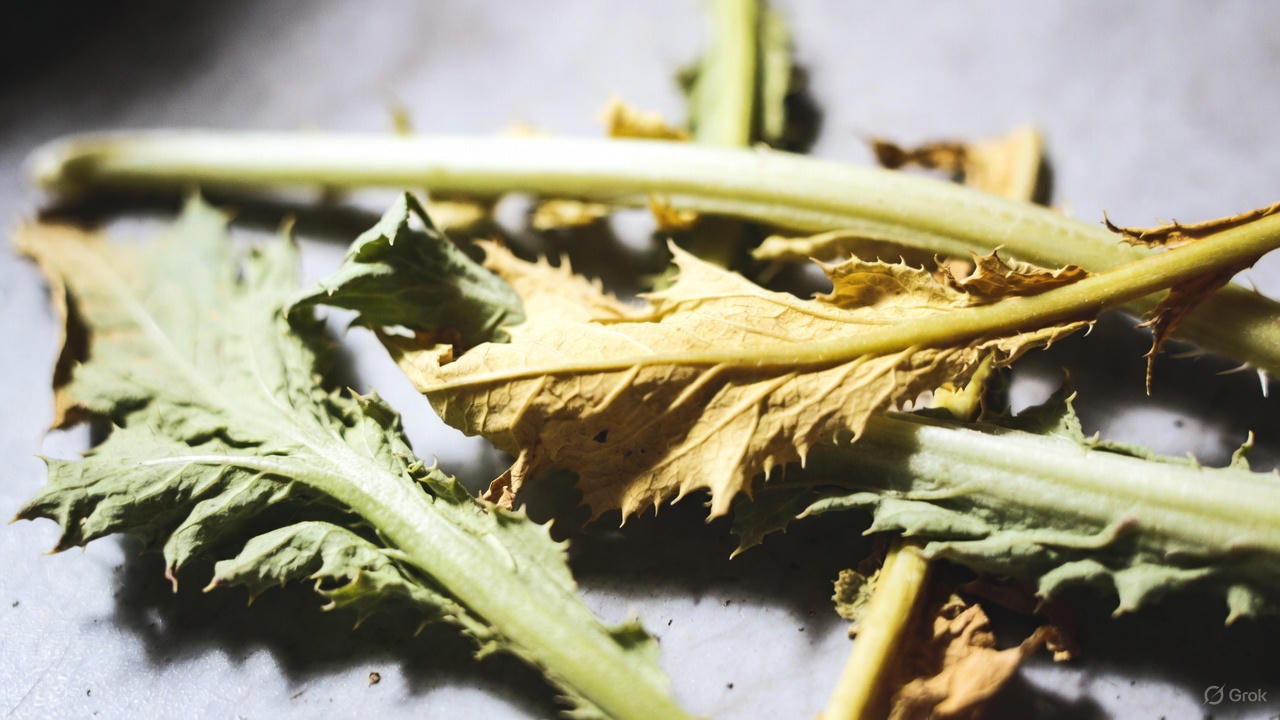
- Steep 1-2 teaspoons of dried leaves in hot water for 10 minutes.
- Strain and enjoy in the evening.
For salads: Mix chopped young leaves with milder greens to balance the bitterness.
Bonus tip: Combine with honey for a soothing drink.
Always start small to see how your body responds.
Other Traditional Applications
- Diuretic aid for fluid balance in folklore
- Versatile in soups or cooked dishes
- Topical poultices from crushed leaves for skin soothing
Research continues to explore these areas, building on traditional wisdom.
Conclusion: Rediscovering a Familiar Plant
Prickly lettuce offers a window into nature’s traditional toolkit for wellness. From potential relaxation support to nutritional value, its leaves provide gentle options worth exploring mindfully.
Many find joy in learning about common plants like this—perhaps you’ll try a simple tea and notice the difference.
Frequently Asked Questions
Is prickly lettuce safe for everyone?
It’s generally considered safe in moderation for most adults, but avoid large amounts. Those with latex allergies or on sedatives should be cautious.
How do I identify prickly lettuce correctly?
Look for prickly midribs on leaves, tall stems, and milky sap. Confirm with a reliable guide to avoid confusion with similar plants.
Can I eat the leaves raw?
Yes, young leaves are edible raw in salads, but older ones are bitter and better cooked or dried.
Disclaimer: This article is for informational purposes only and is not intended to diagnose, treat, cure, or prevent any disease. Always consult a healthcare professional before trying new herbs, especially if you have health conditions or take medications. Individual results may vary, and scientific evidence for many traditional uses is limited.