Bed bugs can disrupt sleep and cause frustration in any home, regardless of how clean it is. These small pests hide in tiny spaces during the day and become active at night, leading to itchy spots and restless evenings. Many people deal with this issue without realizing simple preparation and consistent efforts can make a real difference. But here’s the good news: there are practical steps you can take at home to support control efforts—and the most surprising part comes when you combine them for better results. Keep reading to discover what actually helps.
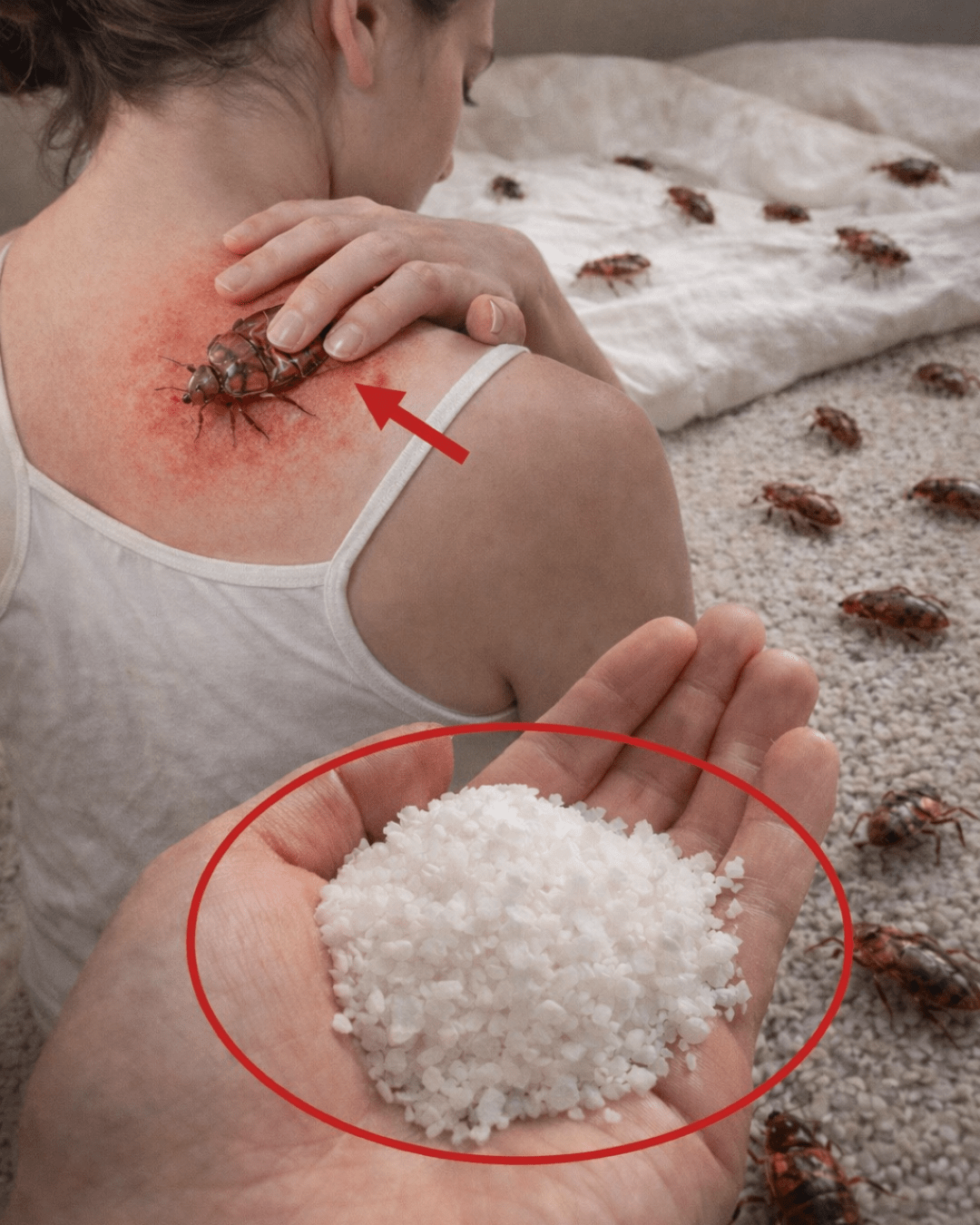
Understanding Bed Bugs: Why They Spread So Easily
Bed bugs are resilient hitchhikers that travel on luggage, furniture, or clothing. Research shows they thrive in various environments, with surveys indicating many U.S. households have encountered them directly or indirectly.
The challenge comes from their ability to hide in cracks and reproduce quickly. Studies from sources like the EPA note that non-chemical approaches play a key role in management, especially when combined thoughtfully.
But that’s not all—early action often prevents bigger problems. Here’s how to start spotting signs early.
Signs to Watch For in Your Home
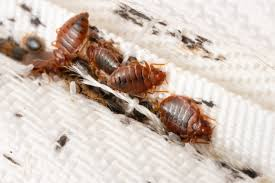
Common indicators include small reddish spots on bedding, tiny dark specks in seams, or shed skins around sleeping areas. Itchy welts in lines or clusters can also appear.
Regular checks help catch issues sooner. The EPA recommends inspecting mattresses, frames, and nearby furniture weekly if concerned.
This leads to the first practical step many overlook…
Strategy 1: Thorough Vacuuming for Immediate Reduction
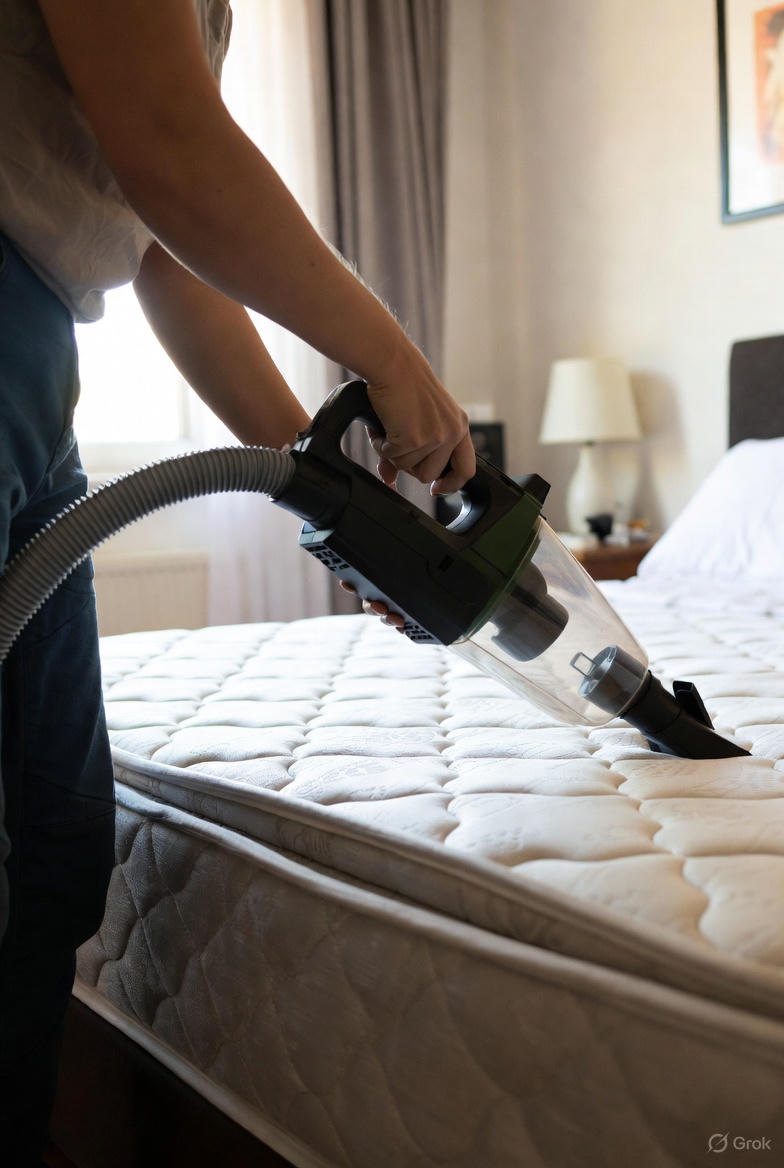
Vacuuming physically removes visible bugs, eggs, and debris from surfaces.
How to Do It Effectively:
- Use a crevice tool on mattress seams, bed frames, baseboards, and furniture.
- Go slowly for better coverage.
- Seal and dispose of the bag outside immediately after.
The EPA highlights that consistent vacuuming significantly reduces populations when done properly.
Many find noticeable improvement within days. But combining it with heat takes things further…
Strategy 2: High-Heat Washing and Drying for Fabrics
Heat above 120°F can affect all life stages of bed bugs.
Step-by-Step Guide:
- Wash infested bedding, clothes, and linens in hot water.
- Dry on the highest setting for at least 30-45 minutes.
- Handle items carefully to avoid spreading.
This method is straightforward for washable items and supported by EPA guidelines.
Next, for non-washable surfaces…
Strategy 3: Steam Cleaning for Targeted Areas
Steam at 130°F or higher penetrates fabrics and cracks.
Tips for Safe Use:
- Choose a steamer with a large head for even application.
- Move slowly over mattresses, upholstery, and baseboards.
- Avoid excess moisture to prevent mold.
Studies show steam effectively reaches hidden spots without chemicals.
Here’s a quick comparison of heat-based methods:
| Method | Best For | Key Benefit | Time Needed |
|---|---|---|---|
| Hot Dryer | Clothes and bedding | Easy and accessible | 30-45 minutes |
| Steam Cleaning | Mattresses and furniture | Deep penetration | Varies by area |
| Freezing | Small sealed items | No equipment needed beyond freezer | 4 days at 0°F |
Strategy 4: Mattress Encasements for Long-Term Protection
Special zippered covers trap bugs inside and block new access.
How to Choose and Use:
- Select encasements labeled bed-bug-proof with strong zippers.
- Install on mattress and box spring.
- Leave in place for at least one year.
The EPA recommends this as it starves trapped bugs over time.
Strategy 5: Interceptors for Monitoring and Trapping
Place cups under bed legs to catch climbing bugs.
Simple Setup:
- Use commercial interceptors or double containers with talcum powder for slipperiness.
- Check and clean weekly.
This helps detect activity and limits movement.
Reducing hiding spots makes everything more effective…
Strategy 6: Decluttering to Limit Harborages
Fewer items mean fewer places for bugs to hide.
Actionable Steps:
- Remove unnecessary clutter from floors and under beds.
- Store essentials in sealed plastic bins.
Experts note clutter complicates control efforts.
Strategy 7: Sealing Cracks and Entry Points
Caulk gaps in walls, outlets, and baseboards.
This reduces spread and forces bugs into open areas.
Strategy 8: Freezing for Smaller Items
Seal items like bags or shoes and freeze at 0°F for 4 days.
Verify temperature with a thermometer, as home freezers vary.
Strategy 9: Food-Grade Diatomaceous Earth as a Desiccant
Apply a thin layer of food-grade DE in cracks and around bases.
It works physically by dehydrating bugs on contact, with no resistance buildup possible per EPA insights.
Use a mask during application and allow time for results.
Strategy 10: Essential Oils for Supportive Repelling
Diluted oils like lavender or tea tree may deter bugs in some cases.
Research indicates limited direct impact, but they can support other methods as repellents.
Spray lightly on fabrics after testing.
Strategy 11: Isolating Your Bed
Pull the bed away from walls and ensure no bedding touches the floor.
This restricts access routes.
Strategy 12: Consistent Monitoring for Prevention
Check interceptors and seams regularly.
Travel precautions, like inspecting hotel rooms, help avoid reintroduction.
Best Combinations for Better Results:
- Encasements + Interceptors: Traps and monitors effectively.
- Vacuuming + Steam: Removes and targets hidden areas.
- Decluttering + Sealing: Reduces hiding and spread.
Persistence with multiple strategies often yields the best outcomes.
The real key? An integrated approach starting with non-chemical steps.
Conclusion: Taking Control Step by Step
Managing bed bugs involves preparation, consistency, and combining methods. Starting with vacuuming, heat treatments, and encasements can support your efforts significantly.
Monitor progress over weeks and adjust as needed. Many find relief through diligent home strategies, leading to more peaceful nights.
Frequently Asked Questions
How long does it take to see improvement with these strategies?
Results vary, but reductions often appear in 1-4 weeks with consistent application. Full management may take months.
Can these methods work on their own for larger issues?
They help manage minor situations, but severe cases often benefit from professional guidance.
Are home strategies safe for families and pets?
Non-chemical options like heat, vacuuming, and encasements are generally low-risk when used properly.
Disclaimer: This information is for educational purposes only and is not a substitute for professional pest control or medical advice. Home strategies may assist in management but do not guarantee elimination. For significant infestations, consult a licensed pest management professional. Always follow product instructions and safety guidelines.