Finding unwanted pests in your home can be incredibly frustrating. Those tiny intruders seem to appear out of nowhere, disrupting your peace and making everyday spaces feel uncomfortable. The constant worry about where they might hide next only adds to the stress, especially when you want to keep things safe for your family and pets.
But here’s the good news: many common kitchen staples can help deter these visitors naturally. And toward the end of this guide, I’ll share a surprisingly simple combination that ties several of them together for even better results—stay with me to discover it.
Why Choose Natural Pest Control Methods?
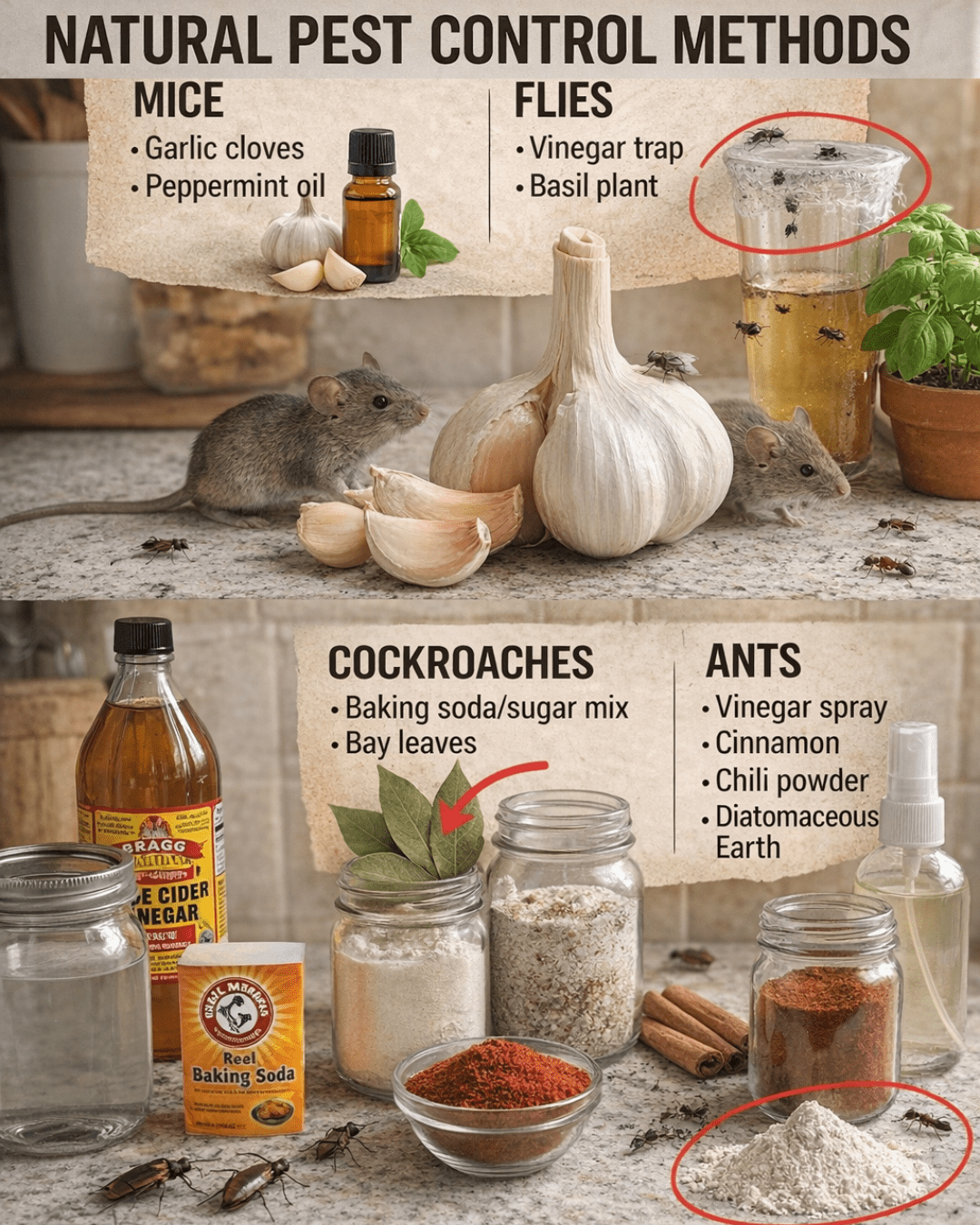
Many people turn to household items for pest management because they offer a gentler approach compared to stronger options. These methods often rely on scents or textures that pests tend to avoid.
Research from sources like university extension programs and entomology studies shows that certain natural substances can disrupt pest behavior or create barriers. For instance, studies have explored how plant-based compounds affect insects, providing insights into why these everyday items might help.
The key is consistency and combining prevention with deterrence. Let’s dive into some practical ways to use what you likely already have in your pantry.
Vinegar: A Simple Spray for Ants and Flies
Vinegar is one of the most versatile items in your kitchen, and it can play a role in deterring ants and flies.
Its strong scent can interfere with the trails ants follow, making it harder for them to navigate.
How to Make and Use a Vinegar Spray
- Mix equal parts white vinegar and water in a spray bottle.
- Add a few drops of dish soap if desired to help the solution stick.
- Spray along entry points, countertops, and areas where you’ve noticed activity.
- Wipe down surfaces after a few minutes.
- Reapply every few days or after cleaning.
Many homeowners report success with this method for minor issues. Studies on acetic acid (the active component in vinegar) indicate it can disrupt ant pheromone trails temporarily.
But that’s not all—vinegar works well in traps for flies too.
Quick Fly Trap Idea
- Fill a jar with apple cider vinegar.
- Add a drop of dish soap.
- Cover with plastic wrap, poke small holes, and watch as flies are drawn in.
This simple setup can reduce flying pests around fruit or trash areas.
Baking Soda and Sugar: Targeting Cockroaches
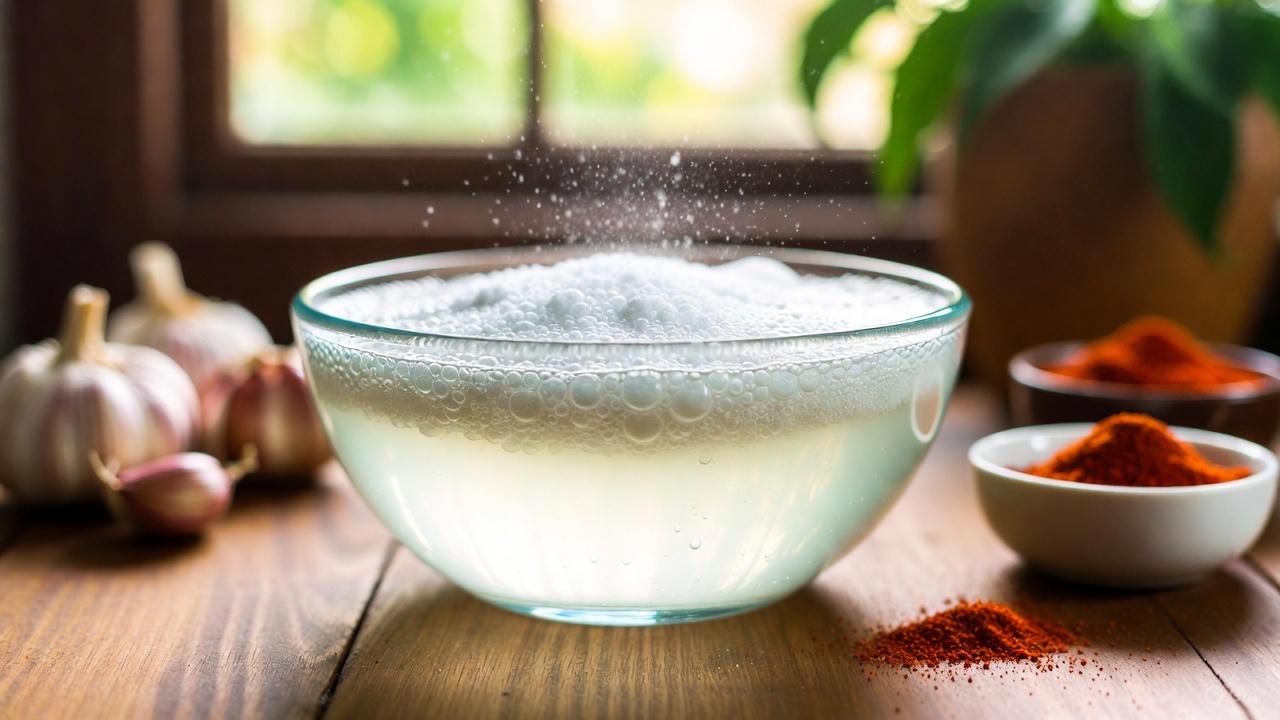
Cockroaches are tough, but a classic mix of baking soda and sugar is a popular homemade option.
The idea is that sugar attracts them, while baking soda affects their system when ingested.
Step-by-Step Bait Recipe
- Combine equal parts baking soda and sugar in a shallow dish.
- Place in dark, hidden spots like under sinks or behind appliances.
- Keep away from pets and children.
- Refresh the mixture weekly.
Anecdotal reports and some lab observations suggest this can help manage small populations. However, results vary, and it’s best used alongside thorough cleaning.
Pair it with bay leaves for added deterrence—more on that next.
Bay Leaves and Chili Powder: Deterring Cockroaches and Ants
Strong scents from spices like bay leaves, cinnamon, and chili powder are often cited as natural deterrents.
Bay leaves, in particular, release compounds that some pests find off-putting.
Effective Ways to Use Spices
- Crush dried bay leaves and sprinkle in cabinets, drawers, or along baseboards.
- Place whole leaves in pantry shelves.
- Sprinkle cinnamon or chili powder around entry points.
Here’s a quick comparison of common spice deterrents:
| Spice | Best For | How to Apply | Notes |
|---|---|---|---|
| Bay Leaves | Cockroaches, ants | Whole or crushed in hiding spots | Long-lasting scent |
| Cinnamon | Ants | Powder along trails | Pleasant smell for humans |
| Chili Powder | Ants, rodents | Mixed in water for spray | Can irritate skin—use gloves |
Research on essential oils from these plants shows repellent effects in controlled settings, though real-world results depend on the infestation level.
Peppermint Oil and Garlic: Repelling Mice and Insects
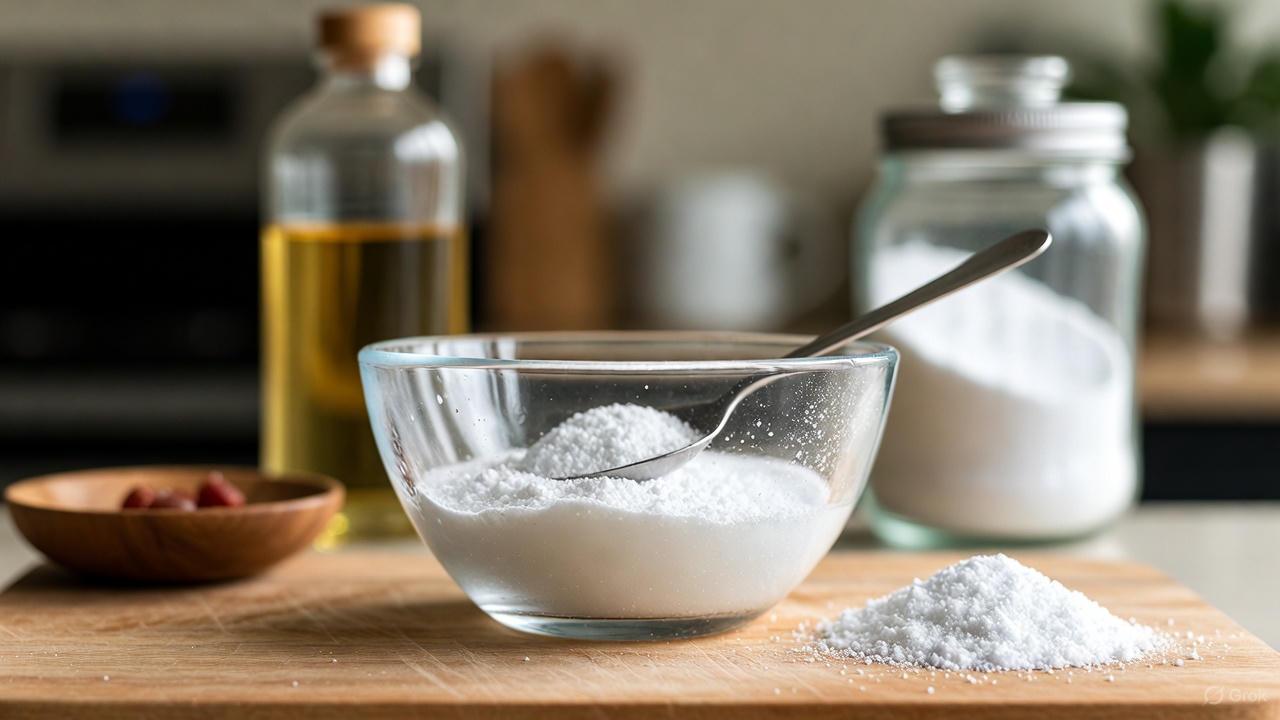
Peppermint oil’s intense aroma is frequently recommended for mice.
Soak cotton balls in diluted peppermint essential oil and place them near potential entry points.
Studies on rodent behavior indicate strong scents can temporarily discourage exploration.
Garlic offers similar benefits for various insects.
Garlic Spray for Garden or Home Use
- Blend several cloves with water.
- Strain and add to a spray bottle.
- Apply to plants or around windows.
Lab tests have shown garlic extracts can repel aphids, caterpillars, and even some mosquitoes.
The sulfur compounds are thought to be the key factor.
Diatomaceous Earth: A Mechanical Barrier Option
For crawling pests like ants, cockroaches, or fleas, food-grade diatomaceous earth (DE) stands out.
This fine powder from fossilized algae works mechanically by damaging insect exoskeletons, leading to dehydration.
Scientific reviews confirm its effectiveness against many hard-bodied pests when kept dry.
Safe Application Tips
- Use food-grade only.
- Sprinkle a thin layer in cracks, along walls, or around bases.
- Wear a mask to avoid inhaling dust.
- Reapply after vacuuming or rain.
It’s non-toxic to humans and pets but lethal to insects—backed by multiple entomology studies.
Bonus Tip: Combining Methods for Better Results
Here’s the part you’ve been waiting for: many find success by layering approaches.
For example, use vinegar sprays to clean trails, then sprinkle DE as a barrier, and add bay leaves or peppermint for scent deterrence.
This multi-step strategy addresses different pest behaviors at once.
Prevention is crucial too—seal cracks, store food properly, and reduce moisture.
Frequently Asked Questions
Are these natural methods safe around children and pets?
Most are, when used as directed. Keep baits and powders out of reach, and opt for food-grade products like DE.
How long do these deterrents last?
Effects vary—scents fade in days to weeks, while DE persists until disturbed. Reapply regularly.
When should I call a professional?
If pests persist or multiply despite efforts, professional help ensures thorough management.
In summary, everyday items like vinegar, baking soda, spices, and DE provide accessible ways to deter common household pests naturally. Start small, observe what works in your space, and maintain good habits for lasting comfort.
Disclaimer: These suggestions are for informational purposes only and focus on natural deterrence. They are not intended to diagnose, treat, or prevent any health issues related to pests. For significant infestations or concerns, consult a licensed pest control professional or healthcare provider. Always prioritize safety and test small areas first.