You open your latest lab results and notice protein in your urine once again. The foamy appearance in the toilet, the subtle swelling in your ankles by evening, and that lingering fatigue that hits every afternoon can make everyday life feel heavier. It’s frustrating when standard advice focuses only on medication and monitoring, leaving you wondering if there’s anything else you can do day-to-day. Stay with me, because simple shifts in what you eat might offer meaningful everyday support—and I’ll share the practical list that many people find helpful.

What Proteinuria Actually Signals About Your Kidneys
Proteinuria means that some protein is passing through your kidneys into the urine. This often happens when the tiny filters in the kidneys, called glomeruli, become stressed or inflamed.
Common triggers include high blood pressure, blood sugar fluctuations, or ongoing inflammation. The good news? Research shows that lifestyle factors, including nutrition, can play a supportive role alongside medical care.
But that’s not all—certain foods may help create a gentler environment for your kidneys.
Why Food Choices Can Make a Noticeable Difference
Medications like ACE inhibitors or ARBs help reduce pressure in the kidney filters for many people. Yet food works differently: it provides ongoing nutrients that may support inflammation balance, antioxidant protection, and metabolic stability.
Studies suggest that nutrient-rich, anti-inflammatory eating patterns can complement medical management. This isn’t about replacing your doctor’s plan—it’s about giving your body better daily tools.
Here’s the exciting part: certain everyday foods stand out for their potential benefits.
The Top 10 Kidney-Friendly Superfoods to Consider Adding
These foods are generally considered gentle on the kidneys while offering valuable nutrients. Always check with your healthcare provider about portion sizes, especially regarding potassium, phosphorus, and protein needs.
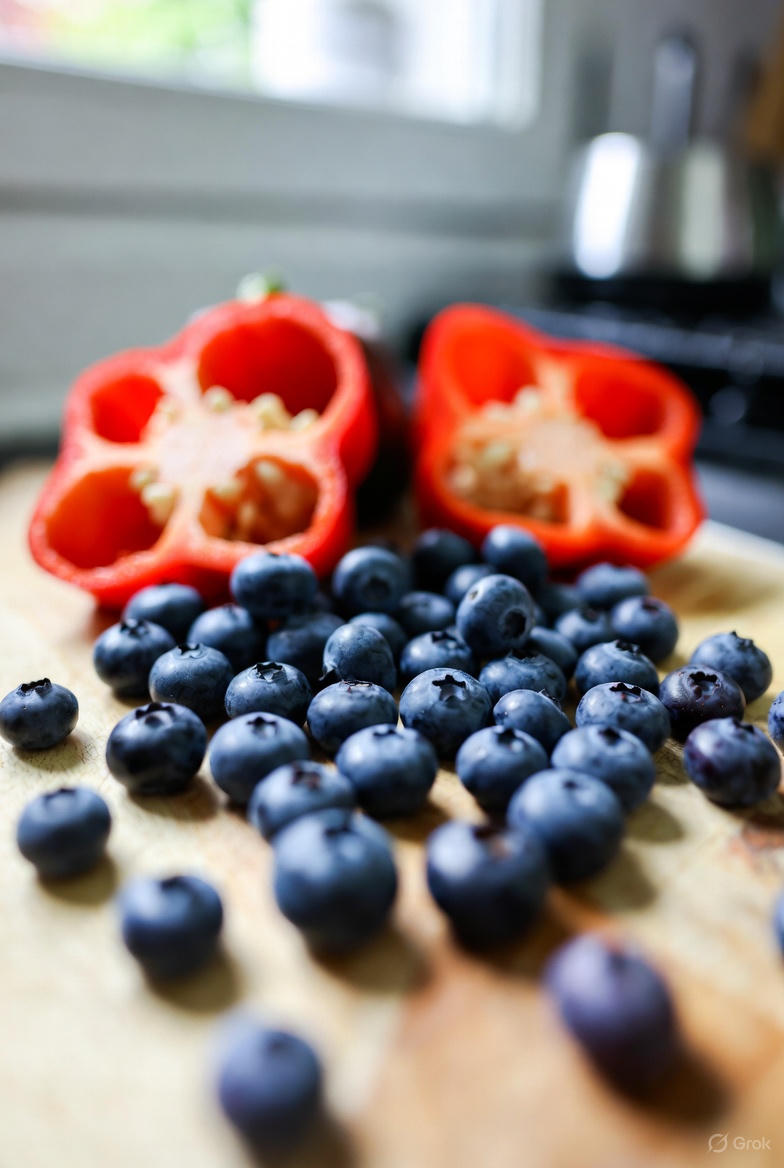
10. Blueberries
Packed with anthocyanins, blueberries are a sweet-tart treat that many people enjoy as a dessert swap. Research highlights their antioxidant properties, which may help buffer daily oxidative stress.
9. Cold-Water Fatty Fish (Salmon, Sardines, Mackerel)
Rich in omega-3 fatty acids (EPA and DHA), these fish are widely studied for supporting healthy inflammation responses. Aim for 2–3 servings per week, choosing low-sodium options.
8. Red Bell Peppers
Crunchy and naturally sweet, red bell peppers provide vitamin C and carotenoids while being lower in potassium compared to many vegetables. They make an easy, colorful addition to meals.
7. Garlic
Fresh garlic adds bold flavor and contains organosulfur compounds linked to cardiovascular support in studies. A little goes a long way in soups, stir-fries, or dressings.
6. Cabbage
Affordable and versatile, cabbage offers fiber and phytonutrients that support gut health and satiety. Use it in slaws, sautés, or soups for satisfying volume without heavy carbs.
5. Extra-Virgin Olive Oil
Its polyphenols are associated with anti-inflammatory effects in research. Use it as your primary cooking fat or drizzle it over vegetables for rich flavor.
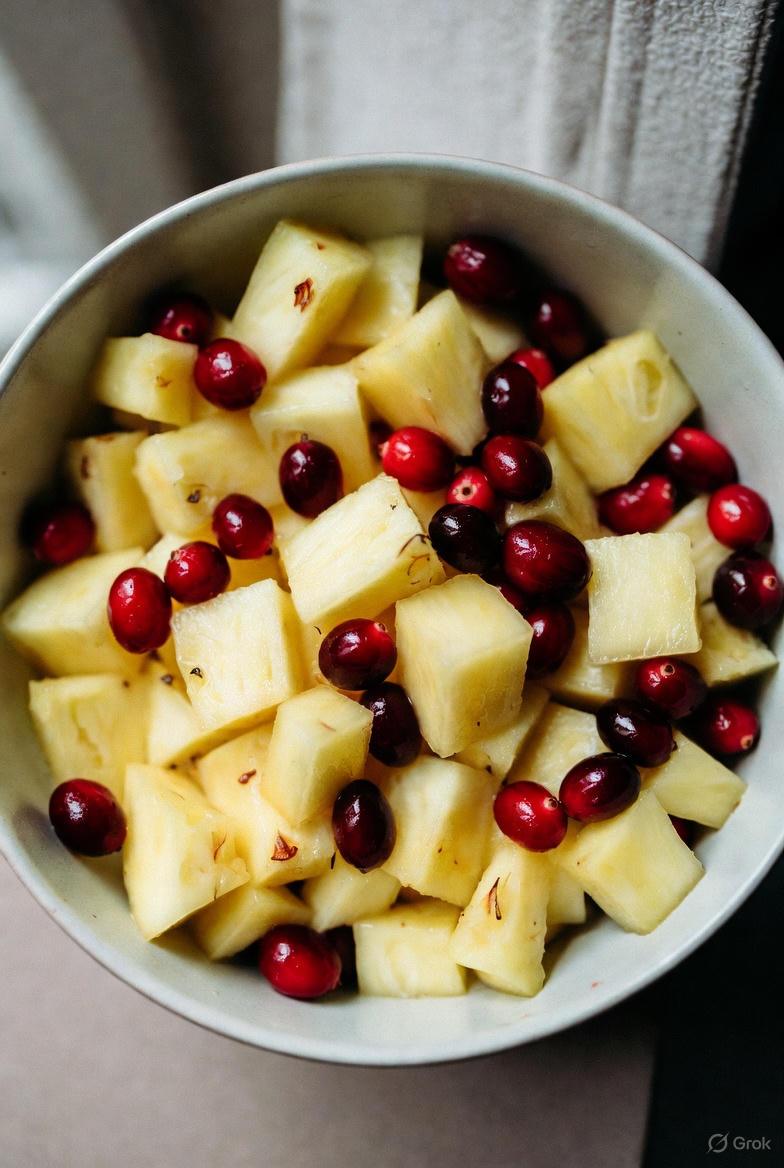
4. Unsweetened Cranberries
Known for their polyphenol content, cranberries (fresh, frozen, or diluted unsweetened juice) are a tart option many people tolerate well in moderation.
3. Egg Whites
A high-quality, lower-phosphorus protein source compared to some meats. They’re quick to prepare and help maintain muscle when protein intake needs careful attention.
2. Cauliflower
This versatile vegetable works as rice, mash, or roasted side, providing fiber and vitamin C while helping replace higher-glycemic starches.
1. Fresh Ginger
With its warming gingerol compounds, fresh ginger is often used for digestive comfort and inflammation support. Add it to teas, stir-fries, or soups.
Quick Comparison: Key Nutrients and Potential Support
| Food | Standout Nutrients/Compounds | What Research Suggests It May Support |
|---|---|---|
| Blueberries | Anthocyanins | Antioxidant balance |
| Fatty Fish | Omega-3s (EPA/DHA) | Healthy inflammation response |
| Red Bell Peppers | Vitamin C, carotenoids | Cellular protection |
| Garlic | Organosulfur compounds | Cardiovascular health |
| Cabbage | Fiber, phytonutrients | Gut health and feeling full |
| Olive Oil | Polyphenols | Anti-inflammatory patterns |
| Cranberries | Polyphenols | Urinary tract comfort |
| Egg Whites | High-quality protein | Muscle maintenance |
| Cauliflower | Fiber, vitamin C | Better carb alternatives |
| Ginger | Gingerols | Digestive and comfort support |
Simple Ways to Add These Foods Safely
Start small to build sustainable habits:
- Replace sugary snacks with a handful of blueberries or red pepper strips.
- Use extra-virgin olive oil for cooking and dressings instead of processed oils.
- Keep frozen cauliflower rice or low-sodium sardines stocked for quick meals.
- Add fresh garlic and ginger to almost any savory dish for instant flavor boost.
- Fill half your plate with non-starchy vegetables like cabbage and peppers.
Portion awareness matters—especially for fish, egg whites, and fruits. Your doctor or dietitian can tailor amounts to your labs.
A Realistic One-Day Meal Template
Here’s an easy framework you can adapt:
- Breakfast: Egg white scramble with chopped red bell peppers and a side of blueberries.
- Lunch: Baked salmon over cauliflower rice drizzled with olive oil and garlic.
- Snack: Cabbage slaw with lemon and a touch of olive oil.
- Dinner: Ginger stir-fry with cabbage, peppers, and your choice of lean protein.
- Evening wind-down: Warm ginger tea or diluted unsweetened cranberry drink (if it fits your plan).
This pattern emphasizes flavor, satisfaction, and nutrient density without feeling restrictive.
Practical Shopping List to Get Started
Keep it simple with these staples:
- Frozen or fresh blueberries
- Red bell peppers
- Fresh garlic and ginger
- Head of cabbage
- Extra-virgin olive oil
- Unsweetened cranberries (fresh/frozen or pure juice)
- Egg whites or cartons
- Cauliflower (fresh or frozen)
- Low-sodium salmon or sardines
Most of these are budget-friendly and last well in the fridge or freezer.
Signs It’s Time to Check In With Your Doctor
While nutrition can be supportive, watch for:
- Persistent foamy urine
- Increasing swelling in legs or ankles
- Uncontrolled blood pressure
- Unusual fatigue or changes in urination
Early conversations with your healthcare team make the biggest difference.
Final Thoughts: Small Steps for Meaningful Support
Adding these kidney-friendly foods won’t overhaul everything overnight, but many people report feeling more energized, less puffy, and more in control after a few weeks of consistent choices.
The key is repetition over perfection. Choose 2–3 foods to focus on first, build simple routines, and track how you feel.
Over time, these habits may support better blood pressure stability, inflammation balance, and overall well-being—while you continue following your prescribed medical plan.
Frequently Asked Questions
Can these foods reduce protein in my urine on their own?
No single food does that alone. They may support overall kidney health when combined with medical care, medication adherence, and lifestyle factors.
How much protein should I eat with proteinuria?
It varies by your kidney function stage and labs. Always follow your doctor’s or dietitian’s personalized guidance—egg whites are often well-tolerated in moderation.
Are these foods safe if I have advanced kidney issues?
Many are considered gentle, but potassium, phosphorus, and portion sizes matter. Work closely with your healthcare provider to customize your plan.
This article is for informational purposes only and is not medical advice. Always consult your qualified healthcare provider before making dietary changes, especially with kidney concerns.