As we move past 40, many of us start noticing subtle shifts in how our eyes feel day to day. Screens can leave them feeling strained more quickly, dryness creeps in during long hours at work, and bright lights or fine print might seem a bit more challenging. These changes often stem from everyday factors like prolonged screen time and natural aging processes that increase oxidative stress and inflammation in the body. The frustrating part? Common supports like drops or glasses help temporarily, but they don’t always address the bigger picture of daily wellness.
But here’s something intriguing: what if a familiar herb from your spice rack could play a supportive role in your overall eye comfort routine? Keep reading, because the most practical insights—and a simple way to get started—are waiting toward the end.
Understanding Common Eye Challenges After 40
Aging affects more than just energy levels or joints—it can influence eye comfort in quiet ways. Many adults experience:
- Increased dryness or occasional irritation
- Faster fatigue from screens or reading
- Greater sensitivity to glare or light changes
These aren’t always signs of serious issues, but they’re linked to oxidative stress (from free radicals) and low-level inflammation, which research shows play roles in how eyes age. Studies, including those on antioxidants, suggest that supporting the body’s natural defenses through diet may help maintain comfort.
And that’s where everyday foods and herbs come in. They’re easy to incorporate without adding another “task” to your day.
Why Oregano Stands Out as a Potential Ally for Eye Wellness
Oregano isn’t just for seasoning—it’s packed with plant compounds like carvacrol and rosmarinic acid. Research highlights these for their strong antioxidant properties, which help neutralize free radicals, and potential anti-inflammatory effects.
For instance:
- Lab and animal studies show carvacrol may protect cells from oxidative damage, including in retinal models.
- Rosmarinic acid has been noted in reviews for supporting antioxidant defenses.
While direct human studies on oregano and eyes are limited, broader research on these compounds points to benefits for reducing systemic oxidative stress and inflammation—factors that influence eye health indirectly.
The beauty? Using oregano in meals or as tea fits seamlessly into habits you already have.
Key Ways Oregano’s Compounds May Contribute to Eye Comfort
Here’s a breakdown of how oregano’s natural properties could offer support, based on available research:
1. Antioxidant Support Against Daily Stress
Oregano ranks high in antioxidant capacity, thanks to polyphenols. Studies indicate these help combat oxidative stress, which affects delicate eye tissues like the retina over time.
2. Potential to Ease Low-Level Inflammation
Compounds like carvacrol have shown anti-inflammatory activity in lab research, which might help the body feel less reactive overall—including eye irritation tied to dryness.
3. Indirect Benefits for Circulation and Nutrient Delivery
Some evidence suggests oregano compounds support healthy blood flow, potentially aiding nutrient delivery to eyes.
4. Comfort During Screen Time or Light Changes
By contributing to whole-body balance, regular use might make eyes feel less strained in modern environments.
But that’s not all—consistent small habits often yield the most noticeable differences.
Practical Comparison: Oregano vs. Common Eye Supports
To make it clearer, here’s a simple table comparing oregano to typical options:
| Common Approach | Typical Challenge | Oregano’s Potential Edge |
|---|---|---|
| Eye drops | Short-term relief only | Daily food-based consistency |
| Antioxidant supplements | Easy to forget, can be costly | Natural part of meals |
| Blue-light glasses | Helps some situations | Supports internal defenses |
| Hydration reminders | Requires extra effort | Combines with flavorful tea |
Oregano shines as an “add-in” rather than a standalone fix.
Easy Ways to Incorporate Oregano Into Your Routine
Start small for the best results. Here are actionable steps:
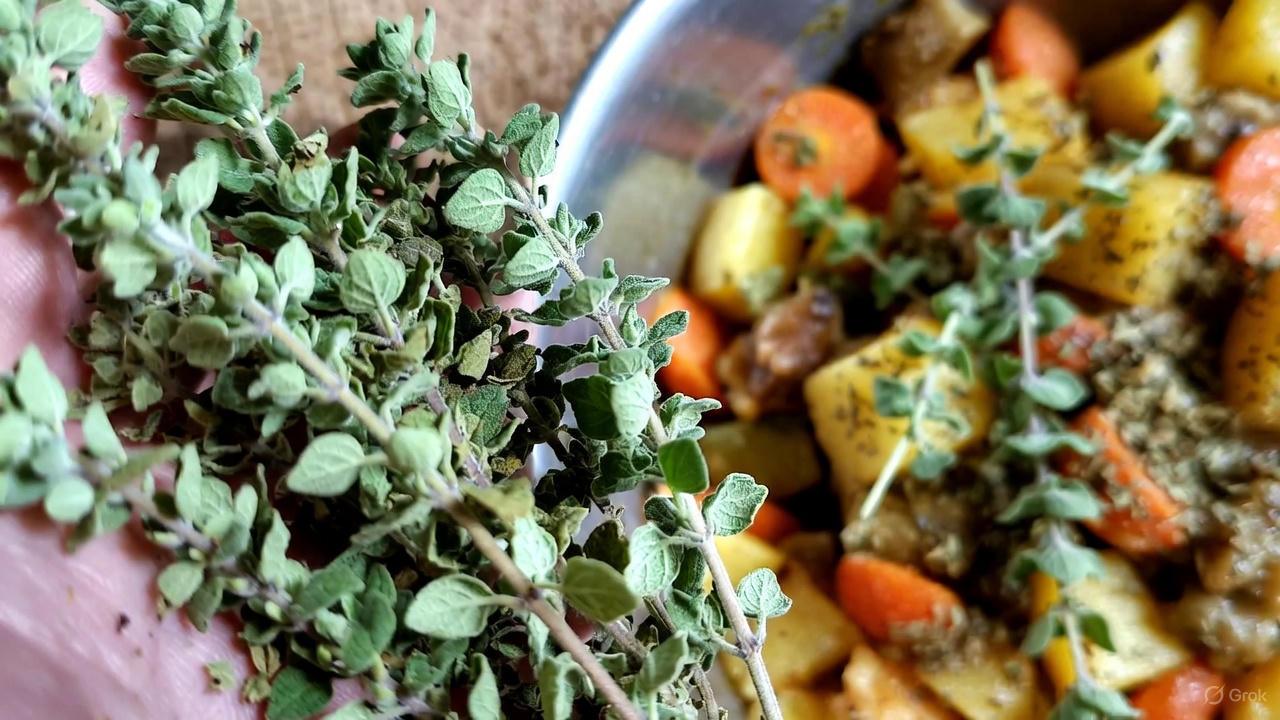
- Culinary Use: Sprinkle 1/2–1 teaspoon of dried oregano on eggs, salads, soups, or roasted veggies daily. Pair with olive oil for better absorption of fat-soluble compounds.
- Mild Oregano Tea: Steep 1 teaspoon dried leaves (or a small handful fresh) in hot water for 5–10 minutes. Sip once a day—keep it light to avoid strong flavor.
- Combinations for Extra Support: Add to carotenoid-rich foods like spinach, carrots, or tomatoes for a broader nutrient mix.
Track how your eyes feel after a week or two—no pressure, just notice.
A Gentle 7-Day Trial to Try
If you’re curious, here’s a low-key plan:
- Days 1–3: Add oregano to one meal per day.
- Days 4–6: Include a mild tea in the evening.
- Day 7: Reflect on any differences in comfort or strain.
Many find this approachable and sustainable.
Safety Notes and Realistic Expectations
Oregano is generally safe in food amounts and as mild tea. However:
- Concentrated oregano oil can irritate skin or stomach—dilute heavily if using topically, and avoid eyes entirely.
- It may interact with blood thinners or diabetes medications due to potential effects on clotting or blood sugar.
- Not recommended in large amounts during pregnancy or breastfeeding.
Always consult your doctor before major changes, especially with existing eye conditions.
Research is promising but mostly from lab/animal studies—human evidence for eye-specific benefits is emerging, not conclusive.
Wrapping It Up: Small Habits for Long-Term Comfort
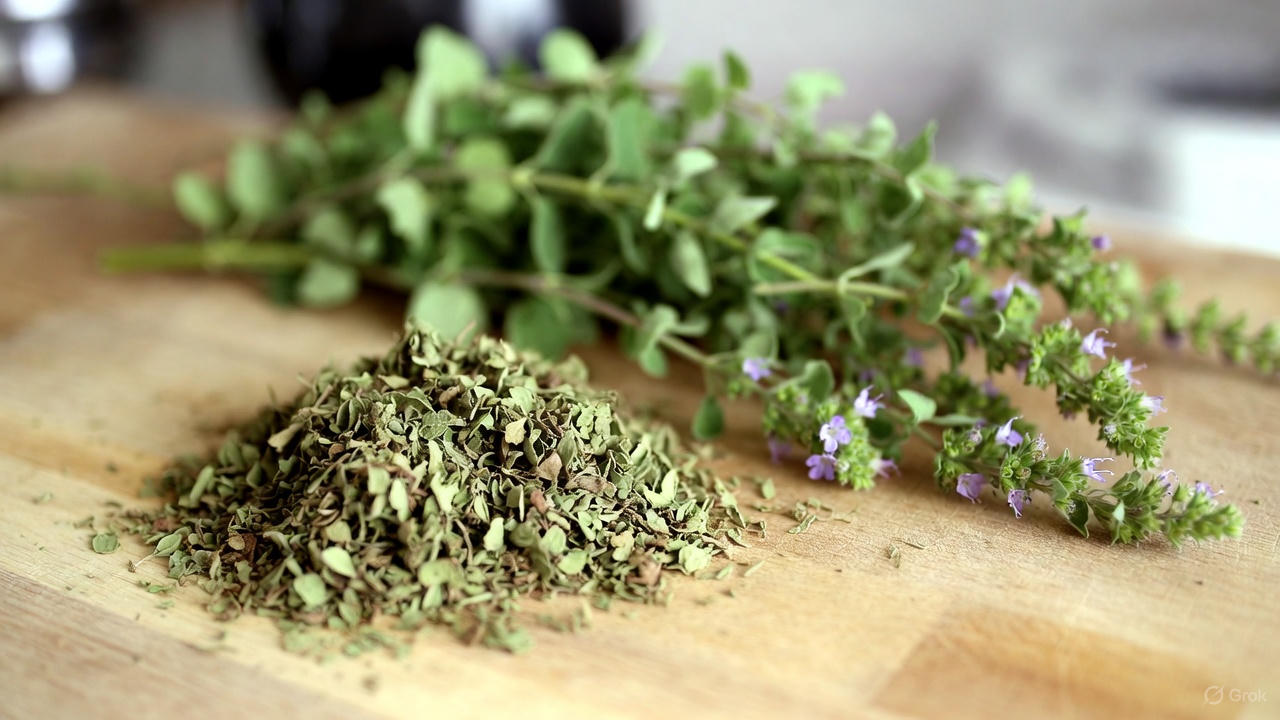
Incorporating oregano regularly might offer gentle, indirect support for eye wellness through its antioxidant and anti-inflammatory compounds. It’s not a quick fix, but part of a balanced diet with good habits—like screen breaks and hydration—it could help eyes feel more resilient.
The real power lies in consistency. Start with what feels easy, and build from there.
Frequently Asked Questions
Is oregano tea good for daily eye support?
Mild oregano tea provides antioxidants and hydration. One cup a day is a simple way to include it, but balance with other fluids.
Can oregano replace eye vitamins or drops?
No—it complements a healthy lifestyle but doesn’t replace medical advice or targeted supplements.
How much oregano is safe to use daily?
Culinary amounts (1–2 teaspoons dried) or mild tea are fine for most adults. Start low and monitor how you feel.
This article is for informational purposes only and is not intended to diagnose, treat, or prevent any condition. Consult a healthcare professional for personalized advice, especially regarding eye health.
(Word count: approximately 1,250)