Many people face occasional digestive discomfort, such as bloating or irregular bowel movements, that can disrupt daily routines and leave them feeling less than their best. These issues often stem from busy lifestyles, dietary choices, or simply not getting enough fiber, leading to sluggishness and reduced energy throughout the day. The good news is that small, natural adjustments to your meals can help promote smoother digestion and a sense of balance. In this article, we’ll dive into one versatile legume that’s been a staple in traditional diets for generations—but stick around to discover a simple preparation method that could become your new go-to for everyday wellness.

What Are Mung Beans and Why Consider Them?
Mung beans, also known as green gram, are small, green legumes native to India and widely used in Asian cuisines. They’ve gained popularity worldwide for their mild flavor and quick cooking time compared to other beans.
These beans come in whole, split, or sprouted forms, making them adaptable for soups, salads, or even desserts. Research shows that legumes like mung beans are nutrient-dense, offering a range of vitamins and minerals that support general health.
But that’s not all. Their easy digestibility sets them apart, especially for those with sensitive stomachs.
Here’s the interesting part: In traditional practices like Ayurveda, mung beans are valued for their light qualities that may aid in maintaining digestive harmony.
The Nutritional Profile of Mung Beans
Understanding what mung beans bring to the table can help you see their potential role in your diet.
A single cup of cooked mung beans provides about 14 grams of protein, making them a solid plant-based option for meals.
They’re also rich in fiber—around 15 grams per cup—which includes both soluble and insoluble types. Soluble fiber, like pectin found in mung beans, can help with regular bowel movements by forming a gel-like substance in the gut.
Additionally, they contain essential minerals such as magnesium, potassium, and iron, along with B vitamins that contribute to energy metabolism.
Studies indicate that the antioxidants in mung beans, including phenols, may support overall cellular health.
Sustainability is another plus—these beans require less water to grow than many crops, making them an eco-friendly choice.
How Fiber in Mung Beans Supports Digestive Health
Fiber plays a key role in digestive processes, and mung beans are a great source.
The soluble fiber in them can absorb water, softening stool and promoting regularity without harsh effects.
Research suggests that diets high in fiber from legumes may help maintain a healthy gut environment by supporting beneficial microbes.
Insoluble fiber adds bulk, helping food move through the system more efficiently.
But here’s a key point: Starting with small amounts can prevent any initial discomfort as your body adjusts.
Animal and human studies have explored how mung bean consumption might influence gut microbiota, potentially leading to better metabolite production.
In one study, mung bean supplementation showed positive effects on microbial balance in certain models.
This doesn’t mean they’re a fix-all, but incorporating them could complement a balanced diet.

Comparing Mung Beans to Other Fiber-Rich Foods
To put mung beans in perspective, let’s look at how they stack up against similar options.
| Food Item | Fiber per Cup (Cooked) | Protein per Cup | Key Notes |
|---|---|---|---|
| Mung Beans | 15 grams | 14 grams | Light and quick-cooking; versatile in recipes. |
| Lentils | 16 grams | 18 grams | Heavier on the stomach for some; great for soups. |
| Chickpeas | 12 grams | 15 grams | Nutty flavor; ideal for hummus or salads. |
| Black Beans | 15 grams | 15 grams | Rich in antioxidants; common in Latin dishes. |
As you can see, mung beans hold their own in fiber content while being easier to digest for many.
The truth is, variety is key—mixing different legumes can provide a broader nutrient profile.
Practical Tips for Adding Mung Beans to Your Meals
Getting started doesn’t have to be complicated. Here are some actionable steps:
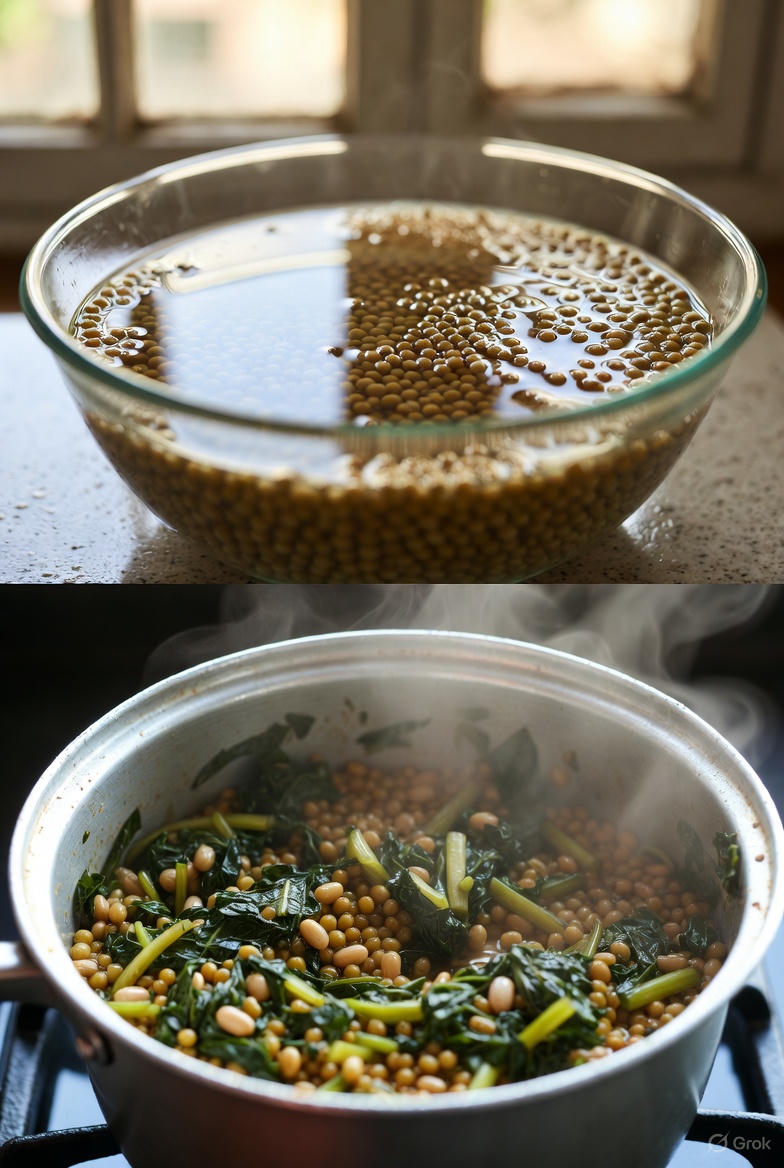
- Start Simple: Soak whole mung beans overnight, then boil them for 20-30 minutes until tender. Add to salads for a protein boost.
- Make a Soup: Combine split mung beans with vegetables like carrots and spinach. Simmer with spices for a comforting broth.
- Sprout Them: Rinse and let mung beans sprout over 2-3 days. Sprinkle on sandwiches or stir-fries for crunch and freshness.
Research supports that sprouted forms may enhance nutrient absorption.
And remember, pairing with healthy fats like olive oil can aid in nutrient uptake.
But wait, there’s more—try blending cooked mung beans into smoothies for a hidden fiber addition.
Potential Benefits Beyond Digestion
While focusing on gut support, mung beans offer other perks worth noting.
Their protein content can help with satiety, supporting weight management efforts when part of a balanced diet.
Studies show they may assist in maintaining healthy cholesterol levels due to their fiber and plant compounds.
The antioxidants could contribute to reducing oxidative stress, as seen in preclinical research.
In traditional uses, they’re often included in detox protocols, but modern science emphasizes their role in overall nutrition.
Sustainability aside, they’re affordable and store well, making them practical for busy households.
Easy Recipes to Try at Home
Ready to experiment? These step-by-step ideas can get you going.
Mung Bean Salad:
- Cook 1 cup of mung beans until soft.
- Mix with chopped cucumbers, tomatoes, and onions.
- Dress with lemon juice, olive oil, and herbs.
- Serve chilled for a refreshing side.
This provides fiber and veggies in one dish.
Mung Bean Stew:
- Sauté garlic and ginger in a pot.
- Add split mung beans, water, and spices like turmeric.
- Simmer for 25 minutes, adding greens at the end.
- Enjoy with whole grains for a complete meal.
Such recipes align with fiber-rich eating patterns recommended for gut health.
The best part? They’re customizable to your taste preferences.
Common Myths About Legumes and Digestion
It’s worth addressing some misconceptions.
Many think beans always cause gas, but soaking and rinsing can minimize this.
Studies indicate that regular consumption actually improves tolerance over time.
Another myth: All fibers are the same. But mung beans’ mix of soluble and insoluble types offers unique support.
Here’s the reality—listening to your body and starting slow is key.
Wrapping Up: Small Steps for Lasting Habits
Incorporating mung beans into your routine can be a simple way to add more fiber and nutrients, potentially supporting digestive comfort as part of a healthy lifestyle. Remember, consistency matters more than perfection—try one new recipe this week and build from there. As we’ve explored, these humble beans have a lot to offer, from their nutritional punch to versatile uses. And that simple preparation method? It’s the classic mung bean soup, often called “kitchari” in traditional contexts, which combines beans with rice for easy digestion.
FAQ
What are some easy ways to prepare mung beans for beginners?
Start with soaking them overnight to reduce cooking time, then boil or sprout them. Simple recipes like salads or soups make them approachable without fancy equipment.
Can mung beans fit into a gluten-free or vegan diet?
Yes, they’re naturally gluten-free and plant-based, making them ideal for various dietary needs. Pair them with veggies and grains for balanced meals.
How much mung beans should I eat weekly for potential benefits?
Aim for 1-2 servings a few times a week, but adjust based on your needs. Always consider overall diet variety for best results.
This information is for educational purposes only and not intended as medical advice. Consult a healthcare professional before making significant dietary changes, especially if you have underlying health conditions.