Have you ever felt like daily life leaves you searching for natural ways to feel more energized and supported in your wellness routine? Many people turn to familiar ingredients for a boost, but sometimes the real surprise comes from combining them in unexpected ways. What if a simple homemade drink, rooted in traditional practices, could become a refreshing part of your day—and there’s one lesser-known twist that takes it further?
In this article, we’ll explore hibiscus tea, a popular herbal infusion enjoyed worldwide, along with how some add avocado seeds and cloves for extra flavor and interest. We’ll look at what research says about these ingredients and share an easy guide to trying it yourself. Keep reading to discover why this combination is gaining attention and how you might incorporate it mindfully.
What Makes Hibiscus Tea So Popular in Wellness Routines?
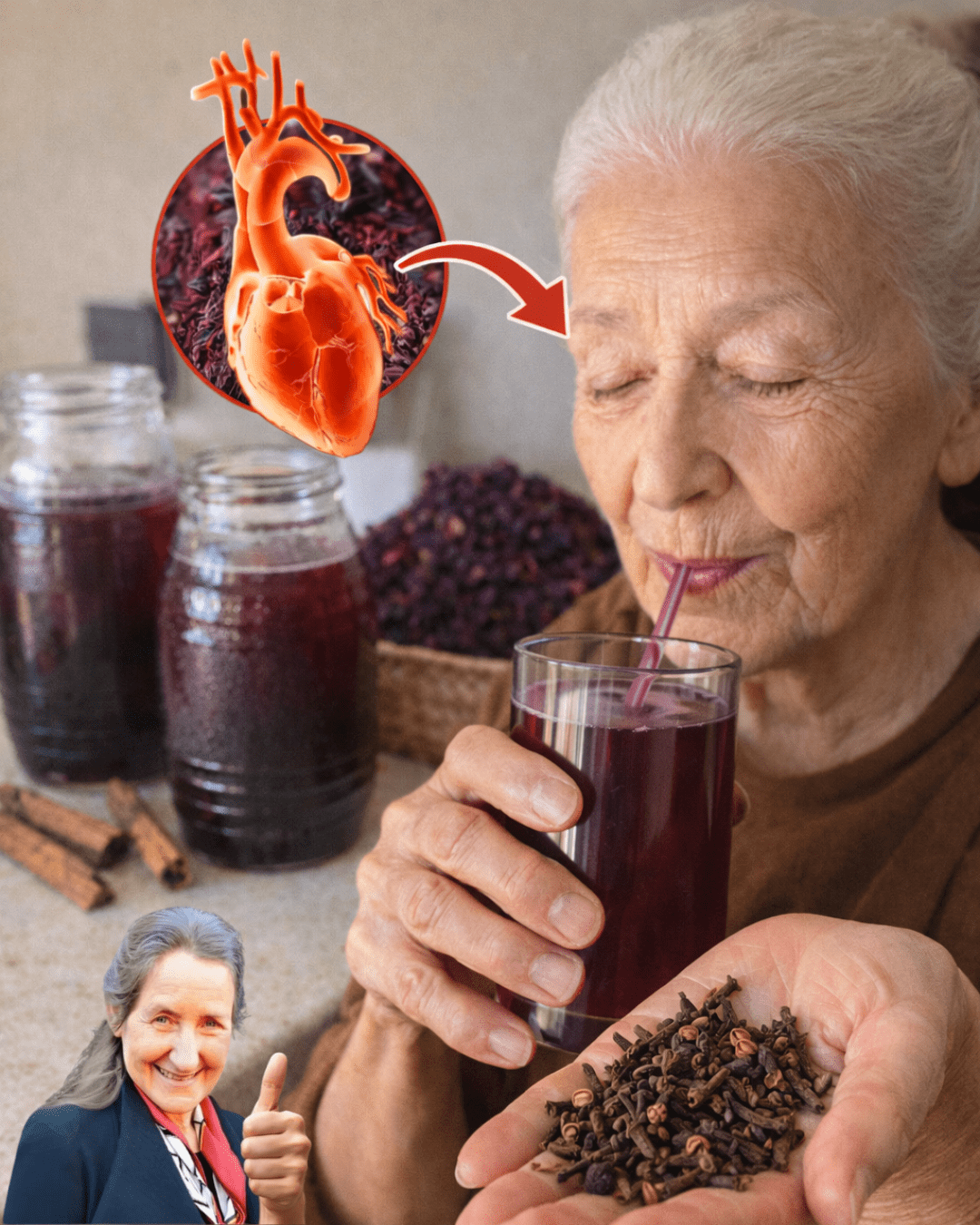
Hibiscus tea, made from the dried calyces of the Hibiscus sabdariffa plant, has been a staple in many cultures for generations. Its vibrant red color and tart flavor make it a refreshing choice, hot or cold.
Research highlights hibiscus for its rich antioxidant content, including anthocyanins and polyphenols. Studies, including reviews of clinical trials, suggest that regular consumption of hibiscus tea may support healthy blood pressure and lipid profiles in some people. For instance, multiple randomized controlled trials have noted positive effects on cardiovascular markers when drinking 2-3 cups daily.
But that’s not all—hibiscus is also valued for its potential role in overall vitality. Animal and human studies point to its diuretic properties and ability to contribute to metabolic balance.
Here’s a quick look at key nutrients in hibiscus calyces:
- High in vitamin C
- Contains organic acids like citric and malic acid
- Rich in flavonoids and anthocyanins
These compounds are why many enjoy it as part of a balanced lifestyle.
The Often-Overlooked Avocado Seed: What Do We Know?
Most of us discard the large seed when enjoying an avocado, but in some traditional recipes, it’s grated or powdered and added to drinks or foods.
Avocado seeds contain fiber, phenolic compounds, and antioxidants. Preliminary research, mostly from animal and lab studies, indicates they may offer anti-inflammatory and antioxidant effects. Some reviews note potential benefits for digestive health due to the high fiber content.
However, human studies are limited, and experts emphasize caution. Organizations like the California Avocado Commission advise against consuming the seed, as its long-term safety in humans isn’t fully established. Always start small if experimenting, and consult a healthcare provider.
The real appeal? It reduces food waste by using the whole fruit.
Adding Cloves: A Warm, Aromatic Touch
Cloves bring a spicy, warming note to teas and infusions. This spice is packed with eugenol, a compound studied for its antioxidant and anti-inflammatory properties.
Research, including lab and animal studies, suggests cloves may support oral health, digestion, and immune function. Traditional uses often include them for their warming effect.
In small amounts—like a few whole cloves in a drink—they add depth without overpowering.
Here’s a simple comparison of the three main ingredients:
| Ingredient | Key Compounds | Common Traditional Use | Research Highlights |
|---|---|---|---|
| Hibiscus | Anthocyanins, polyphenols | Refreshing herbal tea | Supports cardiovascular health markers |
| Avocado Seed | Fiber, phenolics | Added to drinks for texture | Antioxidant potential (limited human data) |
| Cloves | Eugenol | Spice for warmth and flavor | Anti-inflammatory and antimicrobial effects |
This table shows how they complement each other naturally.
How to Prepare This Traditional Hibiscus Drink at Home
Ready to try it? Here’s a straightforward, step-by-step guide to making a hibiscus tea infused with avocado seed and cloves. This is inspired by cultural recipes—think of it as a customizable herbal infusion.
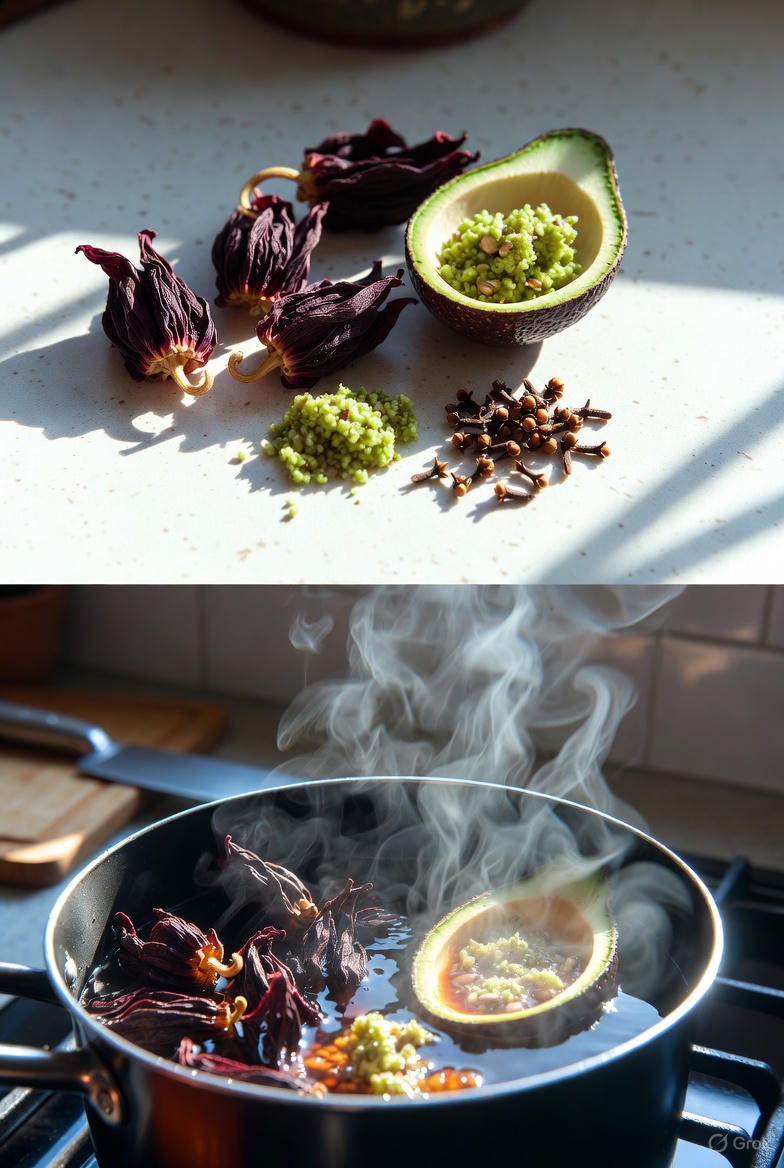
Ingredients (for 4 cups):
- 1/4 cup dried hibiscus flowers (available at most grocery stores)
- 1 clean avocado seed, peeled and grated (from a ripe avocado)
- 4-6 whole cloves
- Optional: Cinnamon stick for extra warmth
- Honey or lemon to taste (after brewing)
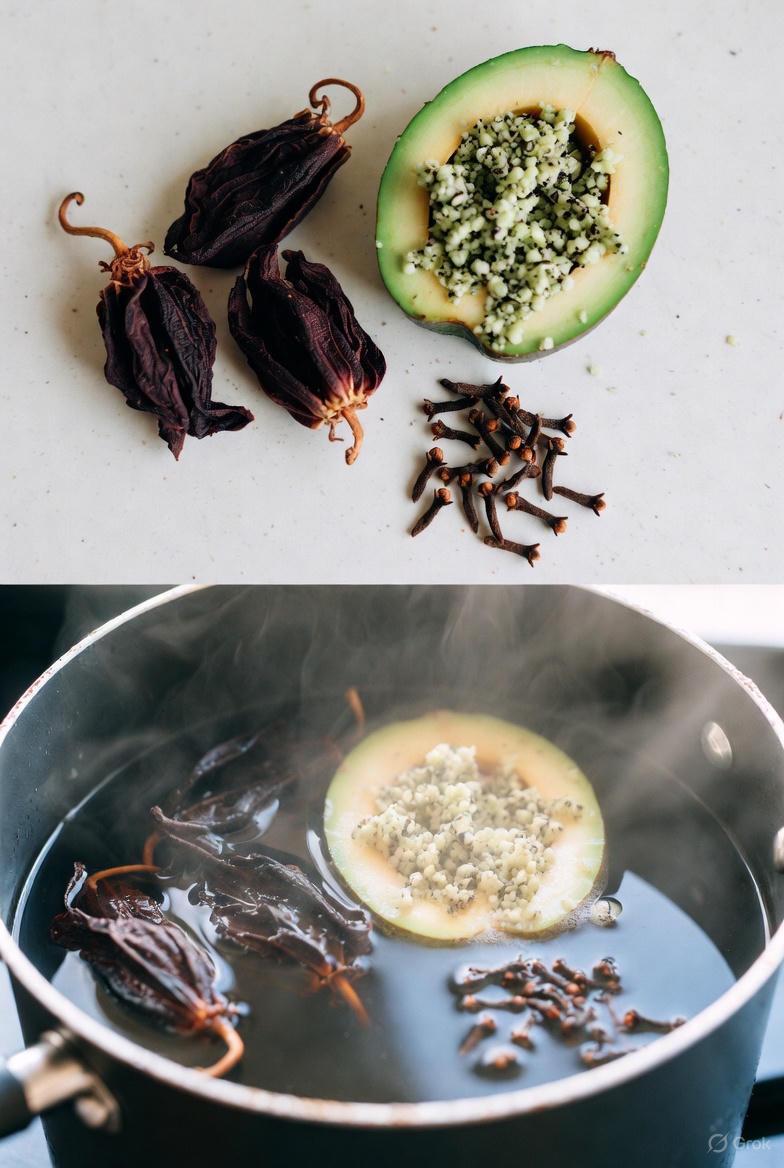
Step-by-Step Instructions:
- Rinse the hibiscus flowers under cool water to remove any dust.
- Prepare the avocado seed: Remove the thin brown skin, then grate it finely (use a box grater—it’s easier when fresh).
- In a pot, add 4 cups of water, hibiscus flowers, grated avocado seed, and cloves.
- Bring to a gentle boil, then reduce heat and simmer for 10-15 minutes. The liquid will turn deep red.
- Remove from heat and let steep for another 10 minutes.
- Strain into cups, discarding solids. Add honey or lemon if desired.
- Enjoy warm or chilled over ice.
Start with 1-2 cups a day. This makes a tart, invigorating drink perfect for afternoons.
But here’s the interesting part: Many who try variations like this report enjoying the ritual as much as the flavor.
Tips for Incorporating It Into Your Routine
- Use organic ingredients when possible for better quality.
- Store dried hibiscus in an airtight container.
- Experiment: Add fresh ginger for a zingy twist.
- Pair with meals—it’s naturally caffeine-free.
Consistency matters more than quantity. Think of it as one small habit among many, like walking or eating more veggies.
Why People Are Rediscovering These Natural Ingredients
In a world full of quick fixes, turning to time-tested plants feels grounding. Hibiscus tea stands out for its evidence-backed profile, while additions like avocado seed and cloves add intrigue from traditional knowledge.
Studies continue to explore these ingredients, reminding us that nature offers plenty of ways to support daily wellness.
Frequently Asked Questions
1. How much hibiscus tea can I drink daily?
Many studies use 2-3 cups (about 240-500ml each). Listen to your body and start slow.
2. Is this drink suitable for everyone?
It’s generally enjoyed by adults, but pregnant individuals, those on medications (especially for blood pressure), or with health conditions should check with a doctor first.
3. Where can I find dried hibiscus flowers?
Look in the tea aisle, international markets, or online—they’re often labeled as “flor de Jamaica” or “sorrel.”
Final Thoughts
Exploring a simple hibiscus-based drink with avocado seeds and cloves can be a fun way to embrace natural flavors and traditions. Backed by research on hibiscus and emerging interest in the others, it fits nicely into a mindful lifestyle.
Remember, no single drink replaces a balanced diet, exercise, or medical advice.
Disclaimer: This article is for informational purposes only and not intended to diagnose, treat, or prevent any disease. Always consult a healthcare professional before trying new ingredients, especially if you have health concerns or take medications.
(Word count: 1,248)