Many people deal with everyday minor issues like itchy skin from bug bites, occasional digestive discomfort, or tired muscles after a long day. These small annoyances can add up, making it tempting to reach for over-the-counter options time and again. Yet, overlooking common plants growing nearby means missing out on gentle, time-tested approaches that cultures around the world have relied on for generations. And here’s the intriguing part: there’s one surprisingly simple way to prepare this plant that takes less than two minutes and fits easily into even the busiest schedules—keep reading to discover it toward the end.
What Is Billygoat Weed (Ageratum conyzoides)?
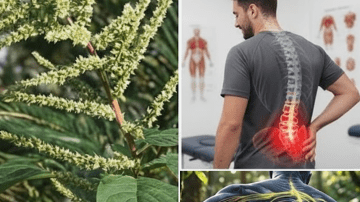
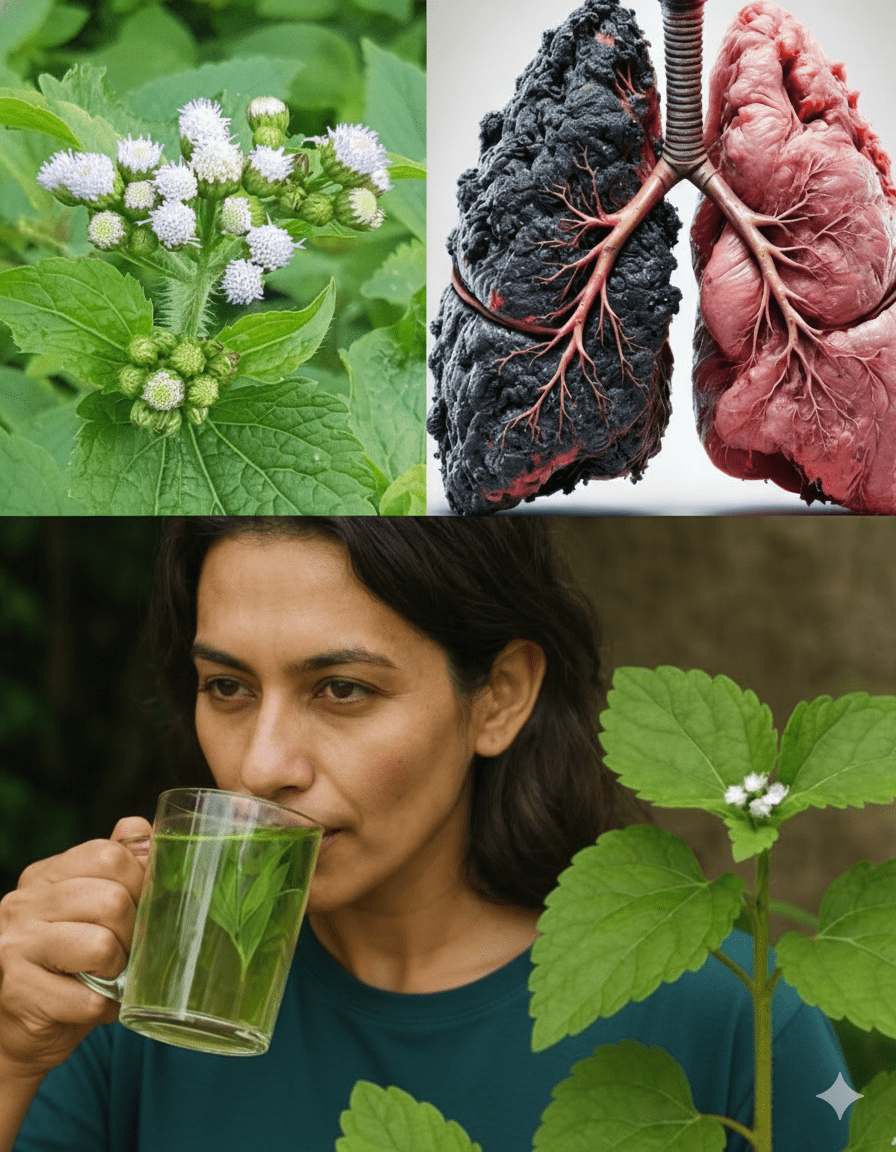
Ageratum conyzoides, often called billygoat weed due to its distinctive odor when crushed, is a common annual herb found in tropical and subtropical regions. It grows wild in disturbed areas like roadsides, fields, and gardens, reaching 12 to 36 inches tall with soft, oval leaves and clusters of small blue-lavender or white flowers.
In many parts of Africa, Asia, Latin America, and the Caribbean, people have incorporated this plant into traditional home practices for centuries. Laboratory studies have begun exploring its natural compounds, including flavonoids, essential oils, and coumarins, which may explain some of its longstanding popularity in folk wellness routines.
But that’s not all—researchers have noted its potential antimicrobial and anti-inflammatory properties in lab and animal models, aligning with how it’s been used traditionally.
Emerging Insights from Research on Traditional Applications
Over the past decades, studies on Ageratum conyzoides have highlighted promising activities in preliminary research:
- Antimicrobial effects observed against certain bacteria and fungi in lab settings.
- Anti-inflammatory actions in animal models.
- Antioxidant properties from its natural compounds.
These findings provide context for why this plant remains a go-to in many households for minor everyday concerns. Of course, more human studies are needed to fully understand its role.
Here’s the exciting part: many of these traditional incorporations are straightforward and use items you likely already have at home.
15 Traditional Home Practices with Ageratum conyzoides
People in various cultures have explored these gentle, topical or external methods with billygoat weed. Always start with small amounts and observe how your body responds.
- Poultice for minor skin irritations: Fresh crushed leaves applied directly as a traditional wrap for scrapes or bites.
- Soothing rinse for insect bite discomfort: Cooled leaf infusion used to gently wash affected areas.
- Warm compress for occasional muscle soreness: Cloth soaked in warm infusion placed on tense areas.
- Foot soak for tired feet: Infusion added to warm water for a relaxing traditional soak.
- Mouth rinse for oral freshness: Dilute cooled infusion swished gently in folk practices.
- Scalp rinse in hair care routines: Added to water for traditional homemade rinses.
- Cooling forehead compress: For hot days or mild tension.
- Hand soak after gardening: To clean minor scratches in a natural way.
- Natural smoke repellent: Dried bundles burned outdoors in some rural traditions.
- Gentle steam inhalation: Warm infusion for chest comfort in traditional expectorant uses.
- Bathing additive: Leaves added to bathwater for overall skin soothing.
- Minor bruise compress: Crushed leaves in a traditional poultice.
- Digestive comfort tea (external note: traditionally sipped in small amounts): Mild infusion for occasional bloating.
- Hair lotion base: Incorporated into homemade mixtures.
- Gardeners’ skin cleanser: Leaf juice for post-work cleanup.
These practices draw from generational knowledge, supported by lab observations of the plant’s compounds.

Common Traditional External Applications
For skin-related routines, many favor simple topical methods:
- Crushed fresh leaves as a direct poultice.
- Cooled infusions for washes or compresses.
- Warm soaks for feet or hands.
Research notes potential antifungal and antibacterial activity in extracts, which may relate to these uses.
Insights into Internal Traditional Uses
In some cultures, mild teas from the leaves support digestive or respiratory comfort. Preliminary animal studies suggest carminative (gas-relieving) and expectorant-like effects, but human evidence is limited.
Simple Preparation Methods You Can Try at Home
The beauty of Ageratum conyzoides lies in its ease of use. Here’s a quick guide to basic preparations:
Basic Leaf Infusion (Under 2 Minutes)
- Gather a small handful of fresh, clean leaves.
- Crush lightly or chop.
- Steep in hot water for 5-10 minutes (or use room temperature for cold infusion).
- Strain and cool for topical use, or sip mildly if following tradition.
This method is the “surprisingly easy” one mentioned earlier—perfect for busy days.
Drying Leaves for Later Use
- Spread clean leaves in a shaded, airy spot.
- Dry naturally for 3-5 days.
- Store in a cool, dark place.
Dried leaves work well for infusions or smoke bundles.
Safety tip: Use only plants from clean, pesticide-free areas. Wash thoroughly.
Safety Considerations and Best Practices
While traditional uses are widespread, Ageratum conyzoides contains pyrrolizidine alkaloids, compounds that can be harmful to the liver with prolonged or high internal use. Stick primarily to external applications and occasional, mild traditional practices.
Research shows potential toxicity in animal models at higher doses, so moderation is key. Pregnant or nursing individuals, children, and those with liver concerns should avoid it entirely.
Conclusion
Incorporating common plants like billygoat weed into gentle wellness habits connects us to time-honored practices backed by emerging science. From simple poultices to quick infusions, these 15 approaches offer natural ways to address everyday minor discomforts.
Start small, listen to your body, and enjoy exploring nature’s roadside treasures.
Frequently Asked Questions
Is Ageratum conyzoides safe for daily use? Traditional external uses in moderation appear gentle for many, but due to potential liver concerns from certain compounds, limit internal use and consult a professional for personalized advice.
How do I identify billygoat weed correctly? Look for soft oval leaves, clusters of tiny blue-lavender flowers, and a goat-like smell when crushed. Confirm with a local field guide to avoid mix-ups.
Can I grow it at home? Yes, it thrives in sunny spots with disturbed soil, but it can spread easily—contain it if planting intentionally.
Disclaimer: This article is for informational purposes only and shares traditional and research-based insights. It is not medical advice. Ageratum conyzoides is not intended to diagnose, treat, cure, or prevent any condition. Always consult a qualified healthcare provider before trying new herbs, especially if you have health concerns or take medications. Use at your own risk, and prioritize external applications.