Many folks deal with everyday concerns like uneven skin tone or frizzy hair that just won’t cooperate, no matter what store-bought items they try. This ongoing battle can leave you feeling discouraged, constantly searching for something that fits into your busy life without breaking the bank. Fortunately, a simple byproduct from your kitchen—rice water—has been part of traditional routines for centuries, offering a natural way to explore new habits. Stick around to the end, where I’ll share an unexpected twist on preparation that could change how you approach your daily care.
What Is Rice Water Exactly?
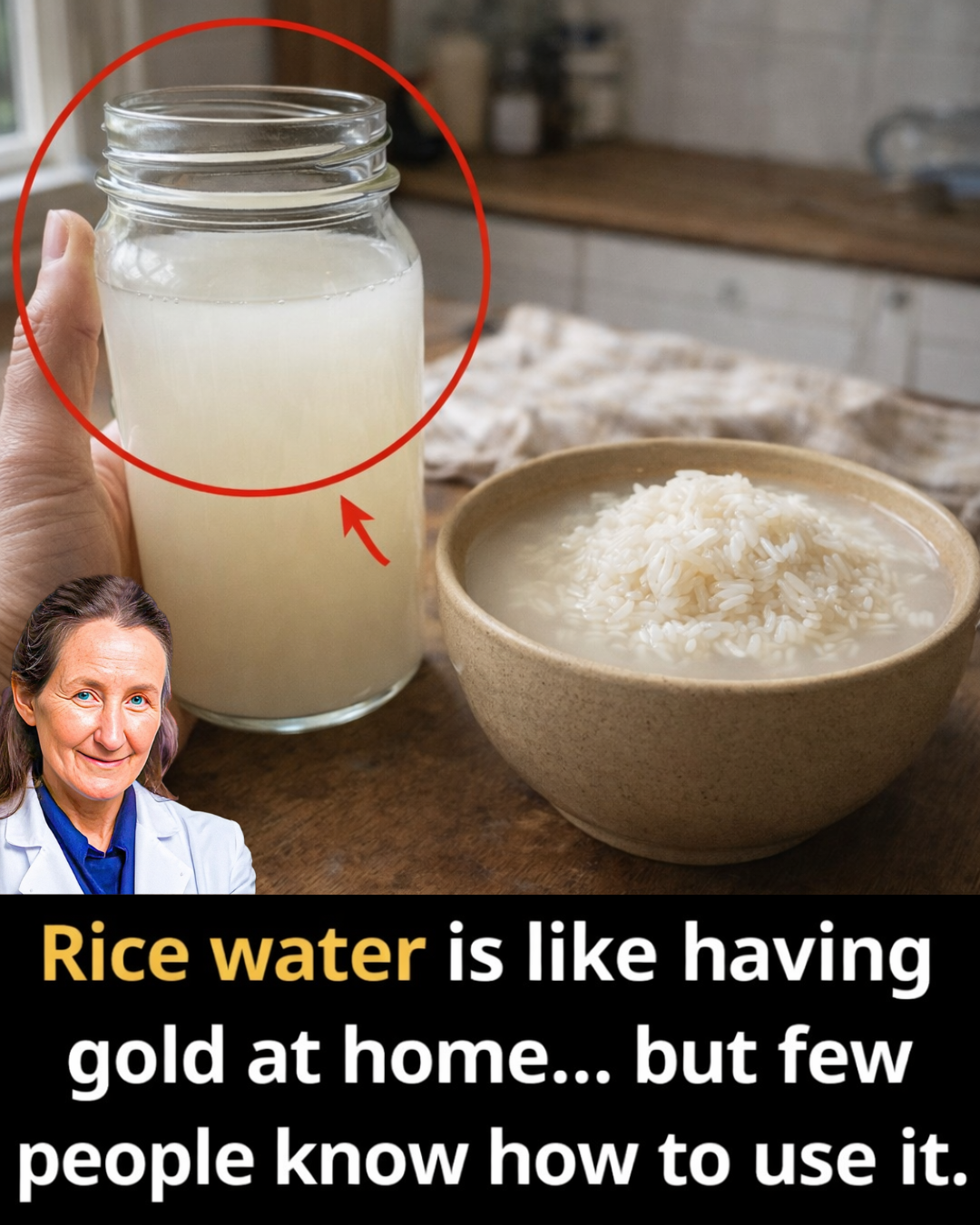
Rice water is simply the starchy liquid left behind after soaking or cooking rice. It’s been a staple in Asian beauty practices for generations, passed down through families as a go-to for everyday grooming.
But that’s not all—it’s packed with vitamins, minerals, and amino acids from the rice itself. Think of it as a gentle, homemade addition to your shelf.
Research shows that rice contains compounds like ferulic acid and antioxidants, which some studies link to general skin and hair support. For instance, a study published in the Journal of Cosmetic Dermatology highlighted its potential in skincare formulations.
Sustainability-wise, it’s a zero-waste hero. Instead of tossing out that rinse water, you’re repurposing it.
Now, let’s move on to the fun part: making it yourself.
Simple Ways to Prepare Rice Water at Home
Preparing rice water is straightforward and requires minimal tools. You can choose from a few methods based on your time and preferences.
Here’s a quick comparison to help you decide:
| Method | Time Needed | Best For | Notes |
|---|---|---|---|
| Rinsing | 5 minutes | Quick use | Mild starch content |
| Soaking | 30 minutes | Balanced | Everyday routines |
| Fermenting | 1-2 days | Deeper nourishment | Slightly tangy smell |
| Boiling | 20 minutes | Concentrated | Use sparingly |
Start with organic rice if possible to avoid residues. White, brown, or jasmine varieties all work, but white rice yields more starch.
The Basic Soaking Method: Step-by-Step
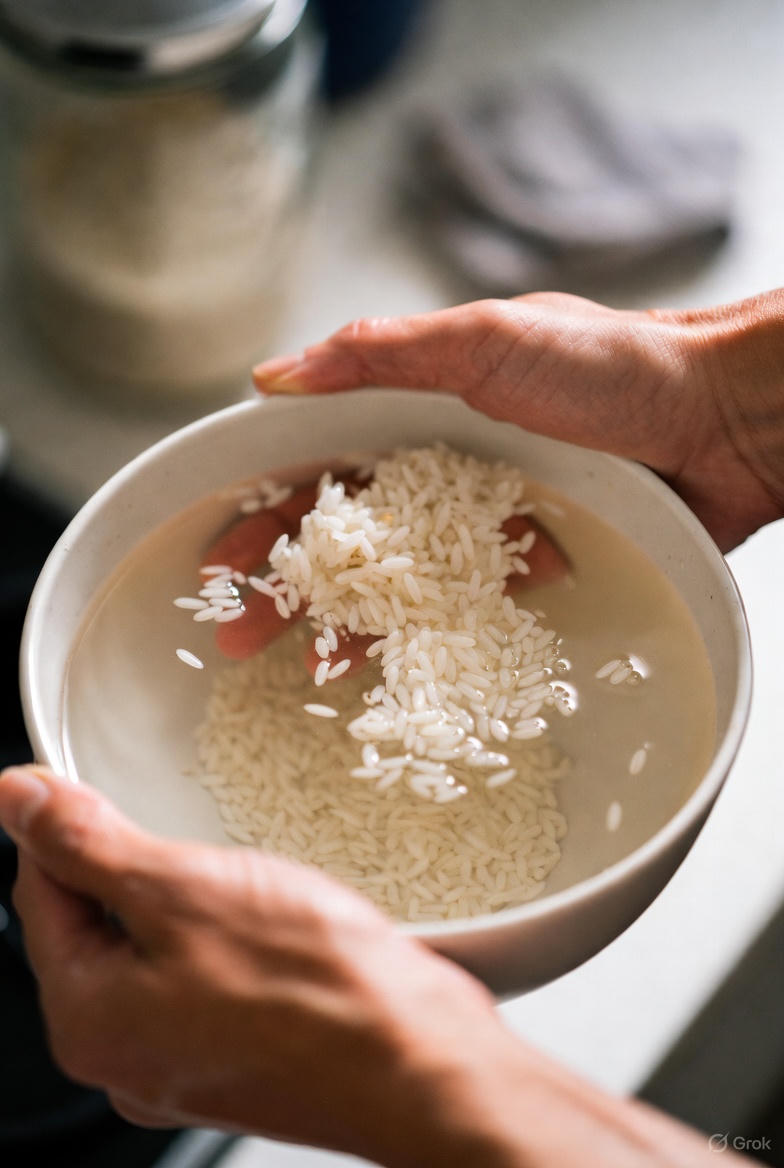
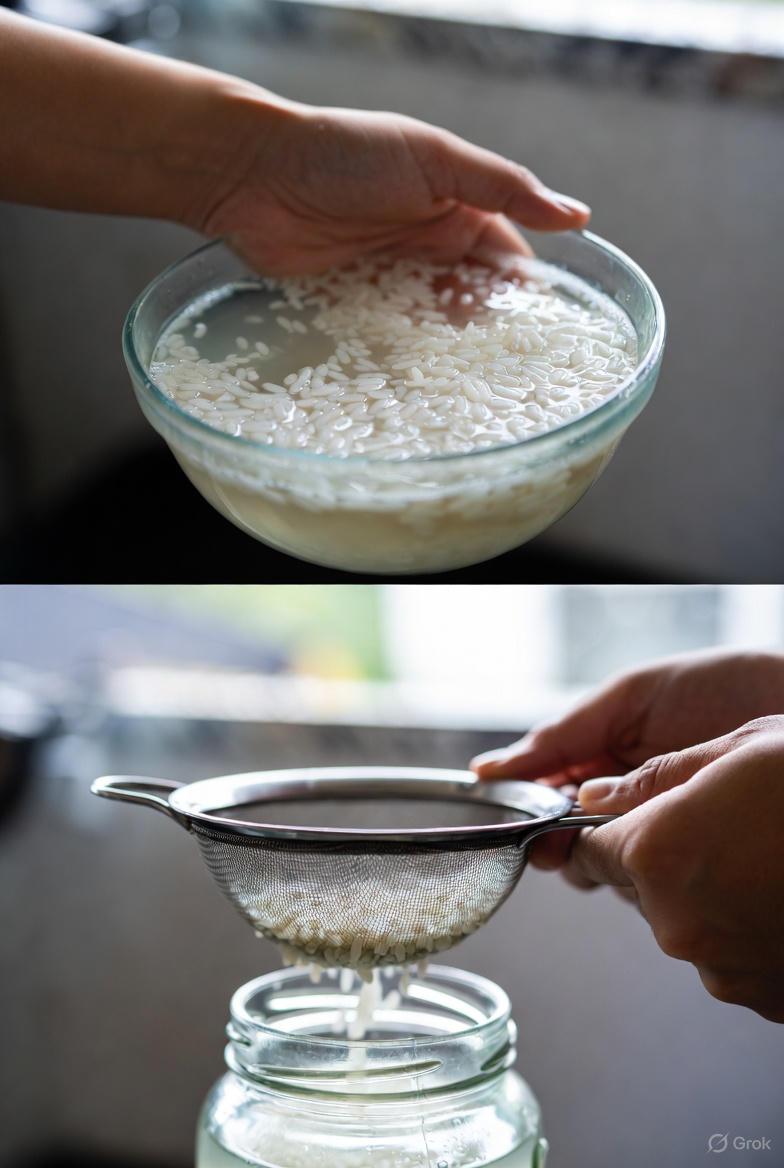
- Measure half a cup of uncooked rice into a bowl.
- Rinse it under running water to remove dirt—about 10-15 seconds.
- Add 2-3 cups of clean water and let it soak for 30 minutes, stirring occasionally.
- Strain the liquid into a jar, discarding the rice or using it for cooking.
- Store in the fridge for up to a week.
This method is ideal for beginners. It’s quick and produces a cloudy liquid ready for use.
But wait, if you want something more potent, try fermenting.
Fermenting for Extra Potency
Fermentation amps up the nutrients through natural processes. Some research, like a piece in Cosmetics journal, suggests fermented rice water may have higher antioxidant levels.
To do it:
- Follow the soaking steps above.
- Leave the strained water at room temperature for 24-48 hours, covered loosely.
- You’ll notice a slight sour scent—that’s normal.
- Refrigerate once fermented.
Use this version diluted to avoid overpowering your routine.
Sustainability tip: Compost the leftover rice to keep things eco-friendly.
Exploring Rice Water for Skin Care Habits
Rice water has been traditionally used as a gentle toner or rinse in daily skincare.
Some studies indicate it may help soothe skin after exposure to common irritants, like those in soaps. A Healthline review mentions its calming effect on SLS-induced irritation.
It contains vitamins B and E, which are known for their role in skin hydration.
Here’s the interesting part: applying it might fit into your morning or evening wash.
Daily Application Tips
- As a toner: After cleansing, splash or spritz rice water on your face. Pat dry gently.
- For masks: Mix with honey or yogurt for a 10-minute face pack, then rinse.
- Spot treatment: Dab on areas needing extra attention with a cotton pad.
Users often report a smoother feel after consistent use. But remember, results vary.
To boost engagement, track your progress with a simple journal. Note how your skin feels week by week.
Research from MDPI supports its anti-aging potential through elastase inhibition, but always patch test first.
Incorporating Rice Water into Hair Care Routines
For hair, rice water is often praised in folklore for adding shine and manageability.
A systematic review in the Journal of Drugs in Dermatology examined rice bran extracts, noting potential support for hair growth phases.
It may help with frizz control and strand protection, according to anecdotal evidence and limited studies.
The starch coats the hair shaft, potentially smoothing cuticles.
Now, here’s a key tip: dilute it for fine hair to prevent heaviness.
Step-by-Step Hair Rinse Guide
- Shampoo your hair as usual.
- Pour diluted rice water (1:1 with plain water) over your scalp and lengths.
- Massage gently for 5 minutes.
- Rinse thoroughly with cool water.
- Follow with conditioner if needed.
Do this 1-2 times a week. Some notice softer texture over time.
For dandruff-prone scalps, the fermented version might be worth exploring, as per traditional uses.
But that’s not everything—combine it with oils like coconut for a pre-wash treatment.
Potential Considerations and Precautions
While rice water is generally mild, it’s smart to be aware of how it interacts with your unique needs.
Some people experience dryness if overused, as noted in beauty forums and Dr. Axe articles.
Allergic reactions are rare but possible—always test on a small area.
If you have sensitive skin, start with the non-fermented type.
Research warns of protein buildup in hair, leading to stiffness. Balance it with clarifying shampoos.
For storage, keep it cool to prevent bacterial growth.
Sustainability note: Use glass jars to reduce plastic waste.
If you’re pregnant or have specific conditions, chat with a professional first.
Creative Ways to Use Rice Water Beyond Basics
Expand your routine by mixing rice water into baths for full-body softness.
Or, freeze it into cubes for under-eye refreshers.
In cooking, some add it to soups for a nutrient boost, though that’s off-topic for beauty.
Here’s a list of fun variations:
- Infuse with herbs like rosemary for hair.
- Blend with aloe vera for skin soothing.
- Use as a makeup remover base.
These tweaks keep things exciting and personalized.
Studies on rice compounds suggest broader applications, but stick to what’s comfortable.
Wrapping It Up: Making Rice Water a Habit
Incorporating rice water into your skin and hair care can be a simple, cost-effective addition to your daily habits. From easy preparation methods to gentle applications, it’s all about experimentation and consistency. Remember that open loop from the start? The surprising twist is fermenting with a pinch of sea salt—it can enhance stability and reduce odor, based on user tips from wellness sites.
Give it a try and see what works for you.
Frequently Asked Questions
What types of rice work best for making rice water?
Any uncooked rice will do, but white rice provides more starch. Brown rice adds extra nutrients like antioxidants. Choose organic to minimize impurities.
How often should I use rice water in my routine?
Start with 1-2 times a week for hair or daily as a skin toner, diluted. Adjust based on how your skin and hair respond.
Can rice water be stored, and for how long?
Yes, refrigerate in a sealed container for up to a week. Fermented versions might last a bit longer but check for off smells.
Always consult with a healthcare professional before trying new routines, especially if you have underlying health concerns. This information is for educational purposes only and not intended as medical advice.
(Word count: 1,248)