Many people enjoy fresh garlic in their meals for its bold flavor, but have you noticed how its strong smell and sharpness can sometimes cause digestive discomfort or bad breath that lingers all day? These common issues make it hard to include garlic regularly, even though it’s a staple in kitchens worldwide. The frustration builds when you want the potential upsides of this popular ingredient without the downsides that affect your comfort and confidence in social situations.
But what if there was a simple variation of garlic that keeps the appealing qualities while being gentler and easier to incorporate into everyday eating? Keep reading, because toward the end, I’ll share a lesser-known tip that might change how you think about adding this food to your diet.

What Exactly Is Black Garlic and How Is It Different from Regular Garlic?
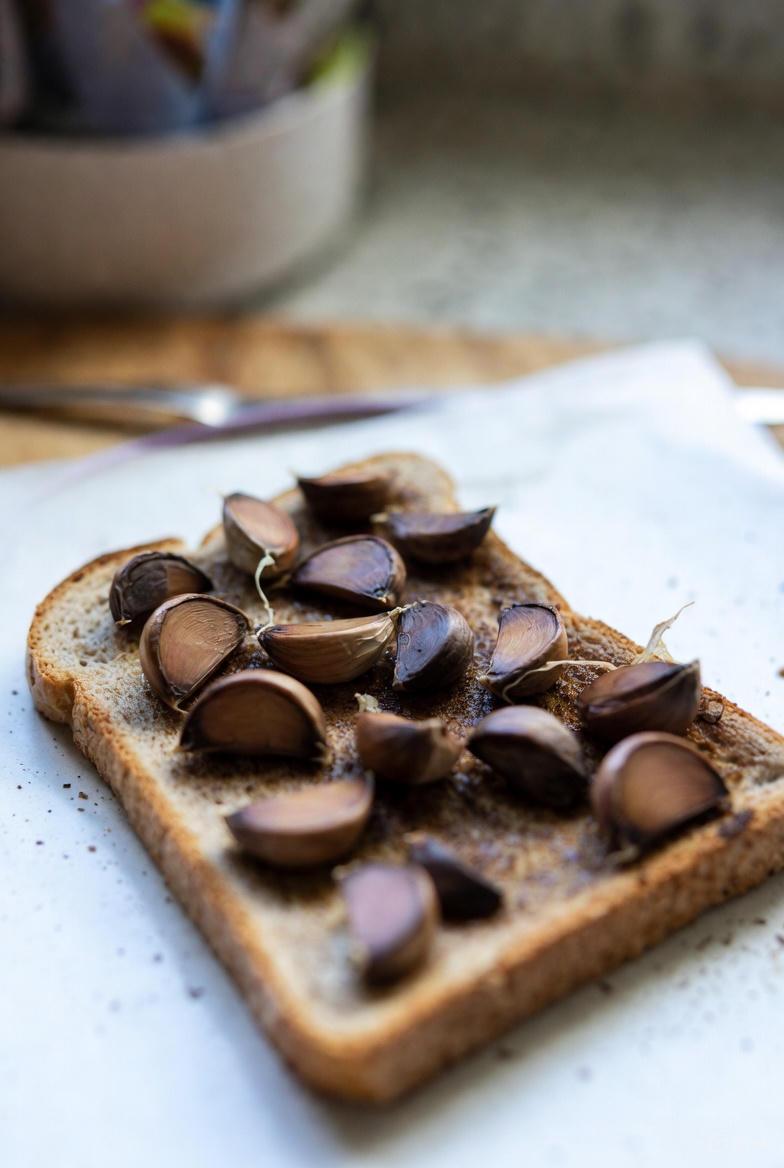
Black garlic starts as fresh garlic bulbs that go through a slow aging process under controlled heat and humidity for several weeks. This transforms the cloves into a dark, soft texture with a sweet, tangy taste often described as a mix of molasses and balsamic vinegar.
Unlike raw garlic, which can be pungent and spicy due to a compound called allicin, black garlic has much lower levels of allicin. Instead, the aging boosts other compounds like S-allylcysteine (SAC), making it milder on the stomach and breath.
Research shows this process increases antioxidant levels significantly compared to fresh garlic. Studies indicate black garlic can have two to three times more antioxidants, which help protect cells from daily wear and tear.
But that’s just the beginning…
Why Antioxidants in Black Garlic Matter for Everyday Health
Antioxidants play a key role in supporting the body’s natural defenses against oxidative stress from environmental factors like pollution or processed foods.
Studies, including those reviewed on sites like Healthline and WebMD, suggest black garlic’s higher antioxidant content may contribute to overall vitality. For instance, animal research has pointed to potential benefits for liver protection and reducing inflammation markers.
Here’s a quick comparison of key compounds:
| Compound | Fresh Garlic | Black Garlic |
|---|---|---|
| Allicin | High (pungent) | Low |
| S-allylcysteine (SAC) | Low | Significantly higher |
| Antioxidants | Moderate | 2-3 times higher |
This shift makes black garlic a more concentrated source of these supportive elements.
The interesting part? Many people find it tastes more like a gourmet ingredient than a sharp vegetable.

How Black Garlic Differs from Fresh Garlic in Supporting Heart Health
Heart health is a common concern, and including certain foods in your routine can make a difference over time.
Research, including human studies on cholesterol levels, has explored how compounds in aged garlic products like black garlic may help maintain healthy lipid profiles. One study found improvements in endothelial function and lipid markers after regular consumption.
Animal studies also suggest potential for better blood flow and reduced inflammation in arteries.
But that’s not all—black garlic’s milder nature means it’s easier to eat more consistently without the usual garlic aftereffects.
Simple Ways to Add Black Garlic to Your Meals
Incorporating black garlic is straightforward and versatile.
Here are some actionable tips to get started:
- Spread it like butter: Mash a clove and spread on toast or crackers for a sweet-savory snack.
- Enhance sauces and dressings: Blend into vinaigrettes or pasta sauces for depth without sharpness.
- Add to proteins: Slice thinly over grilled chicken, fish, or steak.
- Mix into sides: Stir into mashed potatoes, rice, or soups for umami flavor.
- Eat it straight: Enjoy 1-2 cloves daily as a simple habit.
Start with small amounts—about 1-3 cloves per day—and see how it fits your routine.
Step-by-Step Guide: Making Black Garlic at Home
Want to try creating your own? It’s easier than you might think with basic kitchen tools.
- Select fresh, firm garlic bulbs (organic if possible).
- Place whole bulbs in a rice cooker or slow cooker on the “warm” setting (around 140-170°F).
- Keep the lid closed for 2-4 weeks—do not open frequently to maintain humidity.
- Check periodically; cloves should turn black, soft, and sweet.
- Store in an airtight container in the fridge for up to a month or freeze for longer.
This low-effort method yields homemade black garlic that’s fresh and customizable.
Here’s another list of benefits people often notice:
- Milder flavor that’s naturally sweet
- No strong odor on breath or hands
- Softer texture, easy to spread or chop
- Versatile in both savory and even some sweet dishes
What Research Says About Black Garlic and Overall Wellness
Ongoing studies continue to explore black garlic’s role in daily health.
Reviews in journals like PMC highlight its potential anti-inflammatory and immune-supporting properties from organosulfur compounds. Animal models show promise for brain health by reducing oxidative stress.
Human trials are limited but encouraging, with some noting better cholesterol management and antioxidant status.
The truth is, while more research is needed, black garlic stands out as a nutrient-dense food worth exploring.
Conclusion
Black garlic offers a gentler, more flavorful alternative to fresh garlic, with higher levels of certain beneficial compounds that may support antioxidant intake, heart health markers, and overall wellness when part of a balanced diet. From its unique aging process to easy home preparation, it’s a simple addition that can enhance meals without the common drawbacks of raw garlic.
And that lesser-known tip? Many find pairing black garlic with fermented foods like yogurt or kimchi amplifies its appealing tangy notes—try it and see the difference.
Frequently Asked Questions
1. How much black garlic should I eat daily?
Most people enjoy 1-3 cloves per day as part of meals. Start small and adjust based on your preferences.
2. Is black garlic safe for everyone?
It’s generally well-tolerated, but those on blood-thinning medications should consult a healthcare provider due to potential interactions.
3. Where can I buy black garlic if I don’t want to make it?
Look for it in specialty grocery stores, Asian markets, or online—it’s becoming more widely available.
Disclaimer: This article is for informational purposes only and is not intended to diagnose, treat, or prevent any disease. Always consult with a healthcare professional before making changes to your diet, especially if you have underlying health conditions.