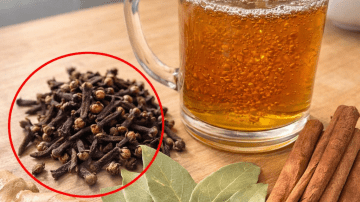
In today’s fast-paced world, many people face everyday discomforts like occasional aches, seasonal sniffles, or minor skin irritations that disrupt their routines. These common issues can leave you feeling drained and searching for simple ways to feel more balanced amid the hustle. Fortunately, nature has long offered insights through plants that have been part of human traditions for centuries, providing a foundation for many familiar wellness approaches we use now. But wait until you discover a surprising plant at the end that might already be in your kitchen, hiding its historical secrets.
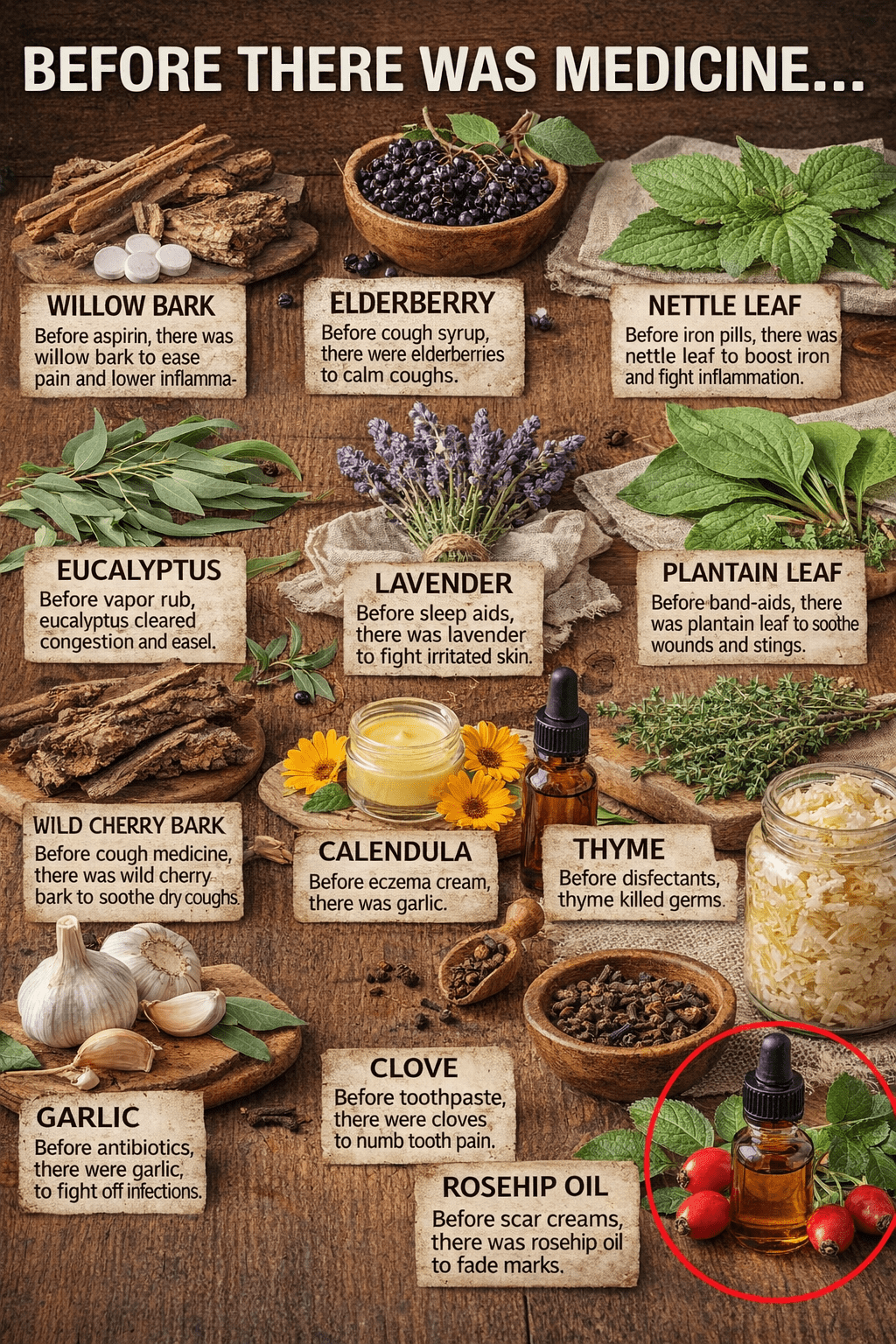
The Fascinating History of Plants in Wellness Traditions
Before modern pharmacies lined our streets, communities around the world turned to the earth’s bounty for support in daily life. Plants like willow bark and elderberry weren’t just random choices—they were carefully observed over generations for their unique properties. This deep-rooted knowledge highlights how our ancestors paid close attention to nature’s patterns.
Research from historical records and botanical studies shows that these traditions span cultures, from ancient Egypt to indigenous American practices. For instance, willow bark has been documented in texts dating back thousands of years. But that’s not all—let’s dive into how these plants connect to contemporary habits.
Willow Bark: Nature’s Inspiration for Pain Support
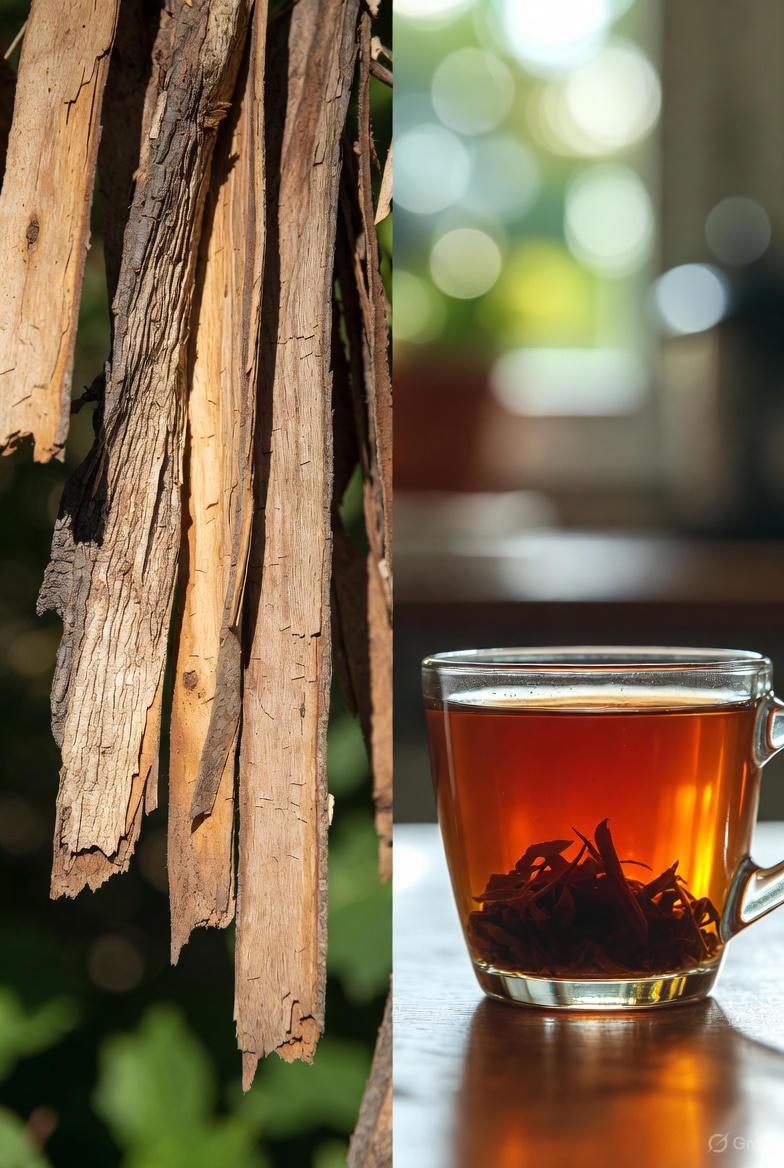
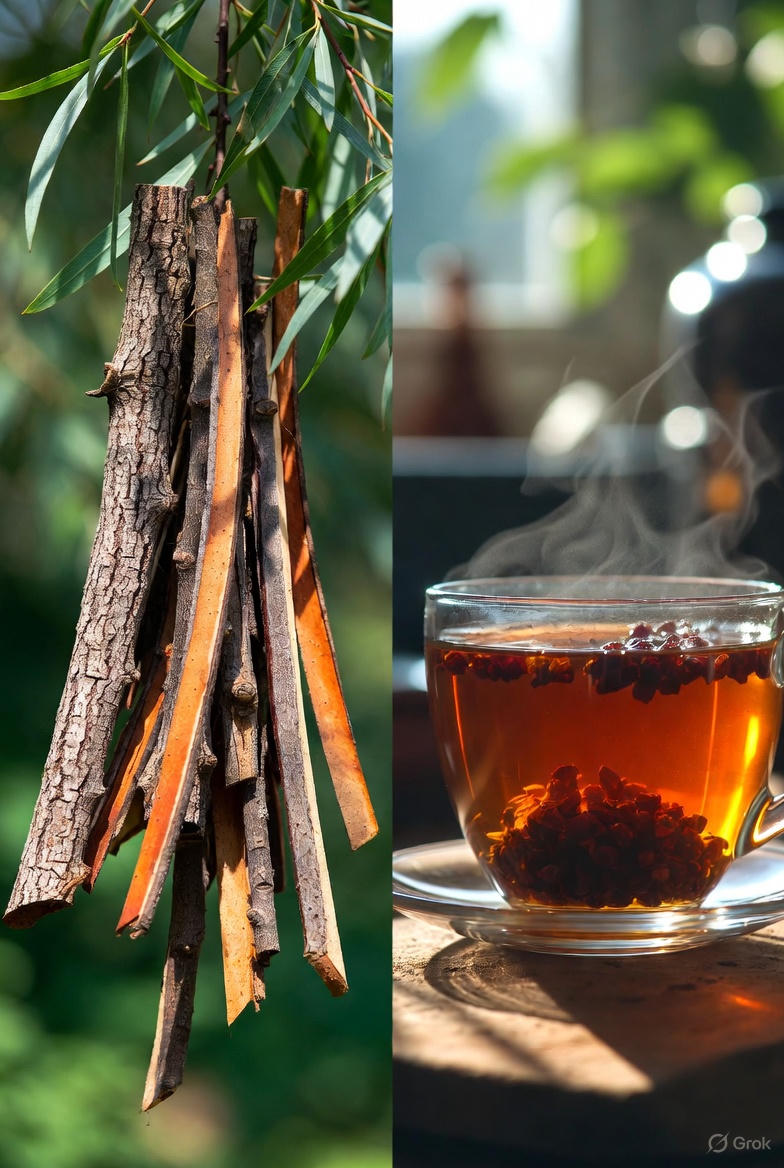
Willow bark stands out as one of the earliest examples of plant-based wisdom. Traditionally, people steeped the bark in water to create infusions that they sipped during times of discomfort.
Studies, such as those published in the Journal of Ethnopharmacology, suggest that willow contains compounds like salicin, which the body can convert into salicylic acid—a building block similar to what’s found in some over-the-counter options.
Here’s a simple way to explore this tradition at home:
- Gather dried willow bark from a reputable herbal supplier.
- Steep 1-2 teaspoons in hot water for 10 minutes.
- Strain and enjoy as a warm tea, perhaps with a touch of honey for flavor.
Remember, starting small helps you gauge how it fits into your routine. And speaking of routines, this leads us to another berry with a storied past.
Elderberry: A Seasonal Favorite from the Wild
Elderberry bushes have dotted landscapes for ages, their dark berries harvested in late summer. Communities used them in syrups and jams, especially during cooler months when people gathered indoors more often.
According to research from the University of Maryland Medical Center, elderberries are rich in antioxidants like flavonoids, which have been studied for their role in supporting immune function in lab settings.
To incorporate elderberry thoughtfully:
- Look for elderberry syrup or gummies from trusted brands.
- Add a spoonful to your morning smoothie for a fruity twist.
- Or brew dried berries into a tea for a cozy evening ritual.
But here’s the interesting part—these berries remind us that plants often multitask in nature’s toolkit.
Nettle Leaf: Boosting Vitality with Minerals
Nettle might seem prickly at first glance, but once dried or cooked, it transforms into a nutrient-packed leaf. Ancient herbalists valued it for its iron and mineral content, using it in soups or teas.
Scientific reviews in Phytotherapy Research indicate that nettle leaves contain vitamins and minerals that may support overall vitality, particularly in plant-based diets.
Try this step-by-step approach:
- Wear gloves to harvest fresh nettles if foraging (or buy dried).
- Blanch leaves in boiling water to remove sting.
- Add to salads or blend into pesto for a green boost.
Sustainability tip: Always source from clean areas to avoid contaminants. Now, let’s shift to something more aromatic.
Eucalyptus: Clearing the Air Naturally
The fresh scent of eucalyptus leaves has long been associated with open spaces and fresh starts. In traditional practices, vapors from the leaves were inhaled during steamy baths.
Studies from the American Journal of Respiratory and Critical Care Medicine explore how eucalyptol, a key compound, interacts with airways in controlled experiments.
For a home spa experience:
- Add a few drops of eucalyptus essential oil to a diffuser.
- Or place fresh branches in your shower for steam release.
- Inhale deeply during your routine for that invigorating feel.
Of course, dilution is key for safe use. And that fresh theme continues with our next plant.
Lavender: Promoting Calm in Daily Life
Lavender’s purple blooms have adorned gardens and sachets for centuries, prized for their soothing aroma. Herbal traditions often included it in pillows or baths to encourage restful evenings.
A meta-analysis in the journal Evidence-Based Complementary and Alternative Medicine notes that lavender’s essential oils have been examined for their potential to support relaxation through aromatherapy.
Simple integration ideas:
- Sprinkle dried flowers in a warm bath.
- Use a lavender pillow spray before bedtime.
- Or grow a pot on your windowsill for easy access.
But wait, there’s more to uncover about leaves that heal from the ground up.
Plantain Leaf: A Common Weed with Uncommon Uses
Don’t overlook plantain— that humble weed in your yard. Traditionally, its leaves were crushed into poultices for minor outdoor mishaps like bug bites.
Botanical research from the International Journal of Molecular Sciences highlights plantain’s mucilage content, which has been studied for its soothing properties on skin.
Quick DIY tip:
- Clean fresh leaves thoroughly.
- Mash into a paste with a bit of water.
- Apply to the area and cover with a cloth.
Harvest responsibly to keep your local ecosystem balanced. Transitioning to barks again, let’s explore one for respiratory support.
Wild Cherry Bark: Soothing Traditions from the Forest
Wild cherry bark was a go-to in native remedies, often brewed into teas for those dry, tickly feelings in the throat.
Studies in herbal pharmacology journals discuss compounds like prunasin, which contribute to its traditional reputation.
To try it safely:
- Purchase pre-dried bark from herbal stores.
- Simmer gently in water for a mild infusion.
- Sip slowly, perhaps mixed with other herbs.
Safety first—consult resources for proper identification. Now, onto flowers that brighten both gardens and routines.
Calendula: Bright Blooms for Skin Care
Calendula’s sunny petals have been infused into oils and salves throughout history, appreciated for their golden hue and gentle nature.
Research from the Journal of Wound Care suggests calendula extracts have been tested for supporting skin integrity in various applications.
Craft your own infusion:
- Dry calendula flowers completely.
- Steep in carrier oil like olive for weeks.
- Strain and use in homemade balms.
Patience pays off with this slow process. And for a herbaceous twist, thyme enters the scene.
Thyme: An Herb with Antimicrobial Insights
Thyme’s tiny leaves pack a punch in kitchens and beyond. Ancient Greeks burned it as incense, while others used it in gargles.
According to antimicrobial studies in Food Microbiology, thymol in thyme has shown activity against microbes in lab tests.
Everyday uses:
- Add fresh sprigs to cooking for flavor.
- Brew into tea for a warming drink.
- Or use essential oil in cleaning sprays.
Versatility makes it a staple. Speaking of staples, garlic is next.
Garlic: A Kitchen Hero with Deep Roots
Garlic bulbs have flavored dishes and supported wellness in folklore from Asia to Europe. Crushed cloves release allicin, a compound of interest.
The Journal of Nutrition reviews indicate garlic’s sulfur compounds have been researched for immune support.
Incorporate easily:
- Mince raw into salads.
- Roast whole for milder taste.
- Or ferment for added benefits.
Fresh is best for potency. But don’t stop—arnica awaits.
Arnica: Topical Support from Mountain Flowers
Arnica grows in high altitudes, its yellow flowers used in gels for active lifestyles.
Clinical trials in Rheumatology International explore arnica’s role in topical applications for comfort.
Application steps:
- Choose a diluted arnica cream.
- Apply sparingly to intact skin.
- Massage gently as needed.
Avoid open wounds. Fermented foods like sauerkraut offer a different angle.
Sauerkraut: Fermentation for Gut Wellness
Before probiotics hit shelves, fermented cabbage provided live cultures. This tangy food has European roots in preservation techniques.
Gut health studies in the World Journal of Gastroenterology link fermented foods to microbiome diversity.
Make your own:
- Shred cabbage and salt it.
- Pack into jars and let ferment.
- Enjoy after a week or more.
Experiment with flavors. Clove brings us to oral traditions.
Clove: Spicing Up Oral Care Habits
Clove buds have been chewed or used in oils for fresh breath in ancient dentistry.
Dental research in the Journal of Indian Society of Pedodontics notes eugenol’s properties.
Use mindfully:
- Dab clove oil on cotton for spot use.
- Add to homemade mouth rinses.
- Or grind into spice blends.
Moderation is essential. Finally, rosehip oil rounds it out.
Rosehip Oil: Nourishing Skin from Berries
Rosehip’s red fruits yield oil rich in vitamins, used in skincare rituals.
Cosmetic Dermatology studies suggest its fatty acids support skin hydration.
Daily ritual:
- Apply a few drops to clean skin.
- Massage in circular motions.
- Use morning or night.
Consistency matters. And now, that promised surprise: Garlic, often overlooked, has inspired modern antimicrobial research, potentially in your next meal.
Wrapping Up: Embracing Nature’s Lessons in Modern Life
Exploring these plants reveals how nature’s wisdom continues to influence our wellness choices. By understanding their historical roles, you can thoughtfully integrate them into your habits for a more connected approach to daily life.
FAQ
What are some easy ways to start using these plants at home? Begin with simple teas or infusions from dried herbs, available at health stores, and build from there with recipes.
How do I know if a plant is safe for me? Research reputable sources like herbal guides and consider your personal health history before trying new things.
Can these plants complement my existing routines? Many people find they pair well with balanced diets and lifestyles, adding variety without overhaul.
Always consult with a healthcare professional before making changes to your wellness routine, as this information is for educational purposes only and not intended as medical advice.