Feeling more tired than usual, even after a good night’s sleep? Noticing subtle changes in your body that you brush off as part of getting older? Many people experience these quiet shifts without realizing they could point to something important happening with their kidneys.
The problem is, kidneys work silently behind the scenes, filtering waste and balancing fluids every day. When they start to struggle, the signals are often easy to overlook—until they become harder to ignore. But here’s the good news: paying attention early can make all the difference. And by the end of this article, you’ll discover a simple daily habit that many people use to support their kidney health naturally.

Why Early Awareness of Kidney Health Matters
Your kidneys filter about 200 liters of blood daily, removing waste and maintaining balance in your body. Conditions like high blood pressure or diabetes can affect them over time, and research shows that millions of adults have early kidney changes without knowing it.
Studies from organizations like the National Kidney Foundation indicate that 9 out of 10 people with early-stage kidney issues aren’t aware they have them. Recognizing potential signs early allows you to take supportive steps and talk to your doctor sooner.
But what exactly should you pay attention to? Let’s look at some common indicators that research links to kidney function.
Common Changes in Urination Patterns
One of the first areas people notice changes is in how they urinate.
- Persistent foamy urine that doesn’t go away quickly
- Needing to get up multiple times at night to urinate
- Urine that appears darker, cloudy, or unusually pale
- Any noticeable changes in frequency or urgency during the day
These shifts can happen gradually, and many people dismiss them as normal aging. But research suggests they may reflect how well the kidneys are filtering waste and proteins.
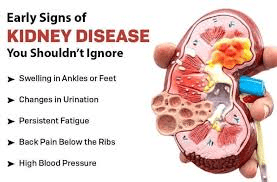
Swelling in Different Parts of the Body
Fluid retention is another common observation.
You might notice:
- Swelling in your feet, ankles, or legs, especially at the end of the day
- Puffiness around the eyes, particularly in the morning
- Rings or socks leaving deeper marks than usual
This happens because kidneys help regulate fluid balance. When they’re under strain, excess fluid can build up in tissues. Many people first notice this when their shoes feel tighter than normal.
Skin and Sensory Changes You Might Notice
Your skin and senses can also provide clues.
Persistent itching, especially if it’s widespread and hard to relieve, is something many people report. Dry, flaky skin that doesn’t improve with moisturizer is another common observation.
Some people also experience:
- A metallic taste in the mouth
- Ammonia-like breath that doesn’t go away with brushing
- Changes in how food tastes
Research points to waste buildup and mineral imbalances as possible reasons behind these sensory shifts.
Here’s a quick overview of some skin-related signs:
| Sign | What You Might Notice | Why It Could Matter |
|---|---|---|
| Dry, flaky skin | Persistent dryness despite moisturizing | Possible mineral and hydration shifts |
| Intense itching | Deep, unrelenting itch across the body | Mineral imbalances like phosphorus |
| Unusual rashes | Red, irritated patches | Waste affecting skin health |
Energy Levels and Daily Comfort
Feeling unusually tired is one of the most common complaints.
This isn’t just normal fatigue—it’s a deep tiredness that rest doesn’t fully resolve. Studies link this to reduced production of a hormone that helps make red blood cells, leading to lower energy.
Muscle cramps, especially at night, are another frequent issue. These can be sudden and severe, often in the legs.
Shortness of breath with minimal activity is also something to note. This can happen if fluid builds up around the lungs or if oxygen-carrying capacity decreases.

Digestive and Mental Clarity Changes
Nausea, reduced appetite, or feeling full quickly can appear gradually.
Some people experience:
- Waves of queasiness, especially in the morning
- Loss of interest in food
- Unintentional weight changes
Brain fog—difficulty concentrating or remembering things—is another subtle sign many people overlook. Toxins that kidneys normally filter can affect mental sharpness when they build up.
Blood Pressure Observations
Kidneys play a key role in blood pressure regulation.
If you’ve noticed your blood pressure readings are harder to keep in a healthy range, even with lifestyle efforts, it could be connected. High blood pressure can both affect kidneys and be affected by them—a cycle that research shows is important to address early.
Simple Steps You Can Take Today to Support Kidney Health
The good news? There are practical habits you can start right away.
- Stay hydrated with plain water throughout the day—aim for consistent sips rather than large amounts at once
- Include more whole foods like fruits, vegetables, and lean proteins in your meals
- Move your body regularly with activities you enjoy, like walking or gentle stretching
- Monitor your blood pressure at home if you have a device
- Limit processed foods and excess salt
- Get adequate sleep and manage stress through simple techniques like deep breathing
Research supports that maintaining a healthy weight, staying active, and managing blood sugar and blood pressure are among the most effective ways to support long-term kidney health.
Remember that small, consistent changes often make the biggest difference over time.
When to Talk to Your Healthcare Provider
If you’re noticing several of these signs together, especially if they persist for weeks, it’s worth discussing with your doctor.
Simple tests like blood work and urine analysis can provide valuable information about kidney function. Early conversations allow for better support and peace of mind.
Frequently Asked Questions
What are the most common early signs of kidney concerns?
Changes in urination, swelling in feet or around eyes, persistent fatigue, and skin itching are among the most frequently reported.
Can these signs appear in younger adults too?
Yes—while risk increases with age, younger adults with conditions like diabetes or high blood pressure can experience early indicators as well.
How can I support my kidney health naturally?
Focus on staying hydrated, eating whole foods, maintaining regular physical activity, and managing blood pressure and blood sugar through healthy habits.
This article is for informational purposes only and is not a substitute for professional medical advice. Always consult your healthcare provider for personalized guidance regarding your health concerns.