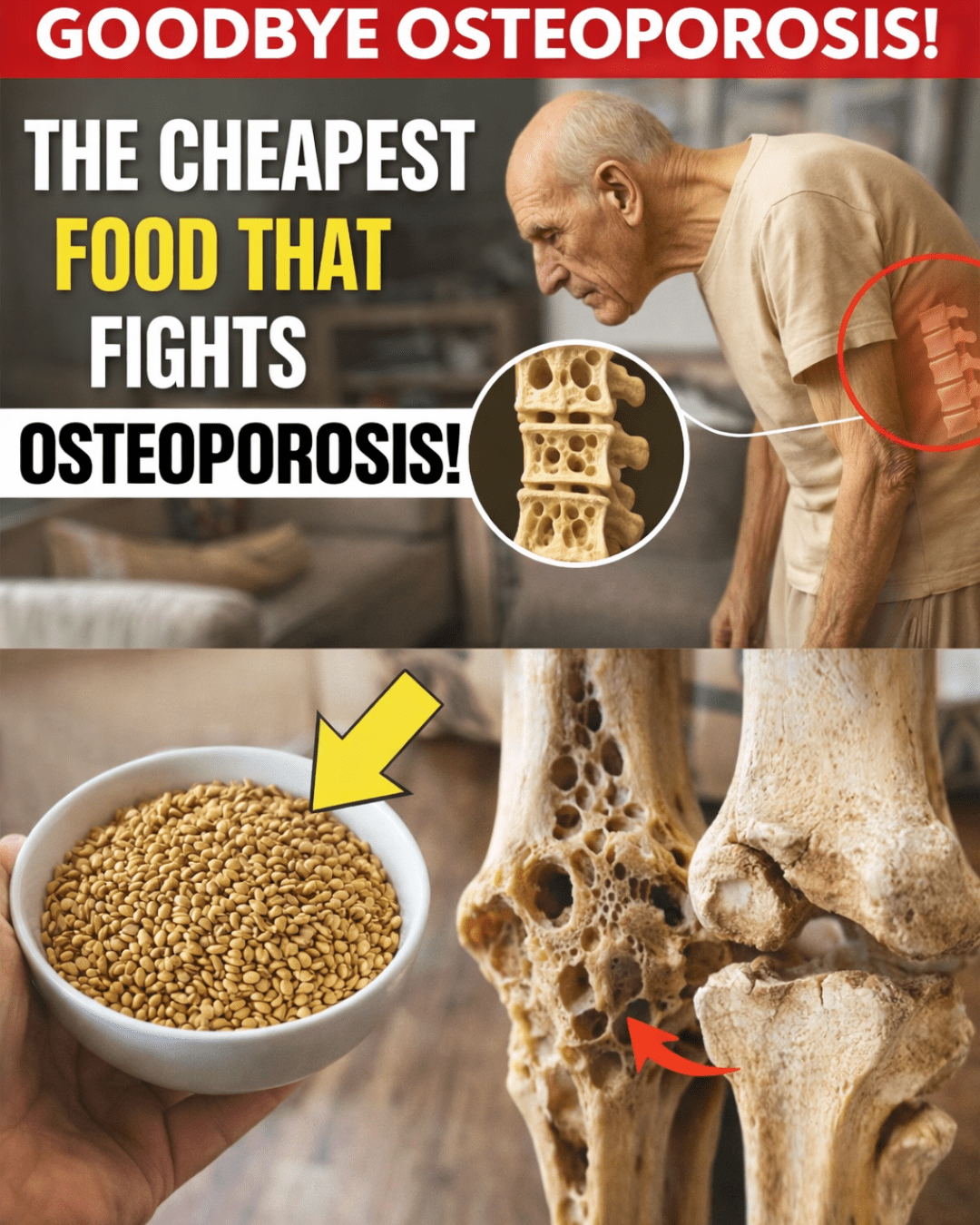
As we age past 60, maintaining strong bones becomes a quiet concern for many—small aches after daily activities or worries about slips can start to feel more noticeable. These changes often happen gradually, making everyday tasks like gardening or playing with grandchildren feel less certain. Yet finding practical ways to give bones extra support doesn’t have to involve complicated routines or high costs. Keep reading to discover a simple, everyday food that research suggests could play a helpful role—and why it’s often sitting unnoticed on grocery shelves.
The Common Challenge of Keeping Bones Strong After 60
Bone density naturally shifts as we get older. For many adults over 60, this can mean bones become a bit more fragile over time.
Research from organizations like the National Institutes of Health shows that millions of Americans experience low bone density, and the risk of fractures increases with age.
You might notice it through occasional stiffness or a hesitation before bending down. These subtle signs can build concern, especially if you want to stay active and independent.
But here’s the good news: certain nutrients from food can help support bone maintenance in natural ways.
Why One Affordable Food Stands Out for Bone Support
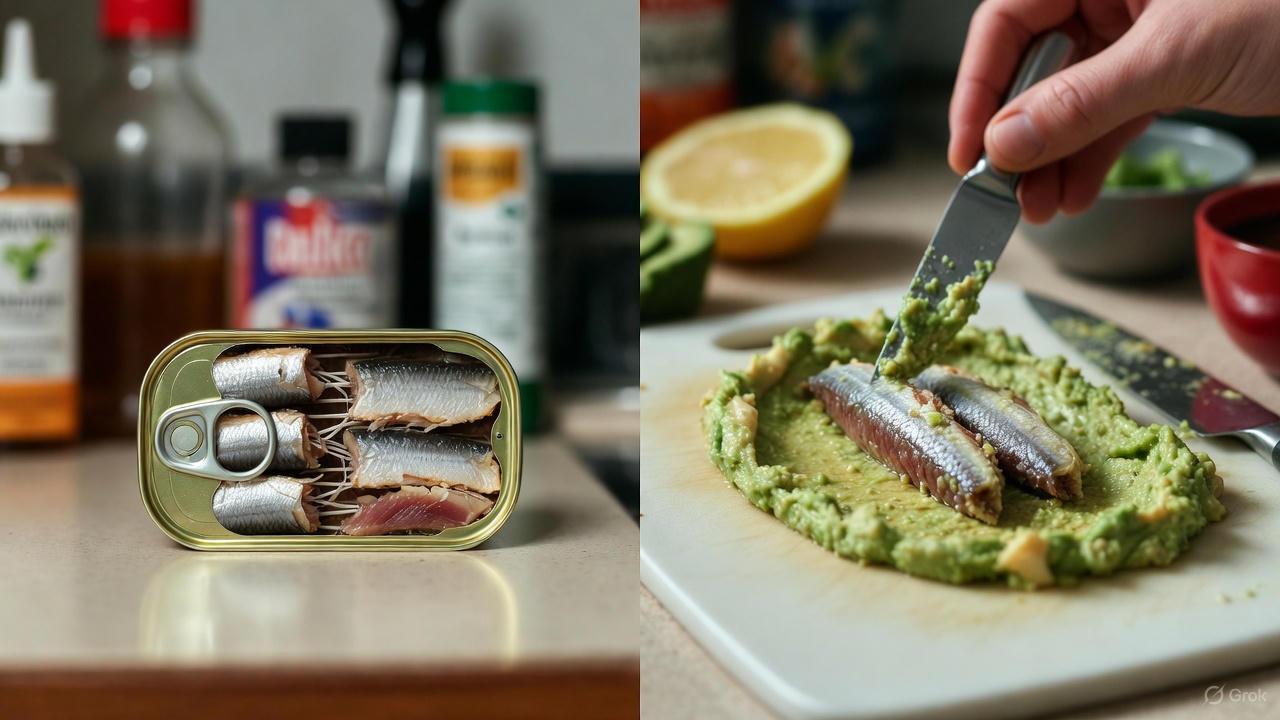
Among everyday options, canned sardines—with their edible bones—offer a unique combination of nutrients that research links to bone health.
A typical 3.75-ounce can provides around 325–350 mg of calcium, along with vitamin D to aid absorption. Studies, including those published in the Journal of Bone and Mineral Research, suggest that getting calcium and vitamin D together from food sources may support bone density better than isolated supplements for some people.
What makes sardines interesting is how affordable they are—often under $2 per can—while delivering multiple bone-friendly nutrients in one serving.
But that’s just the beginning. Let’s look closer at what research highlights.
Key Nutrients in Sardines That May Help Support Bone Health
Sardines pack several elements that work together for overall wellness. Here are some that studies often connect to stronger bones:
- Calcium from edible bones: Highly absorbable and comparable to a glass of milk in one small can.
- Natural vitamin D: Helps the body use calcium more effectively—up to 170 IU per serving.
- Omega-3 fatty acids: Known for anti-inflammatory properties; some research links regular fatty fish intake to better bone markers.
- High-quality protein: Supports muscle strength, which in turn helps protect bones during movement.
- Magnesium and phosphorus: Both play roles in bone structure and mineralization.
The real advantage? These nutrients come together naturally, rather than in separate pills.
Research in the American Journal of Clinical Nutrition notes that whole-food sources may offer synergistic benefits for nutrient absorption.
How Sardines Compare to Other Common Sources
To make it easier to see the value, here’s a quick comparison of typical servings:
| Food Source | Serving Size | Calcium (mg) | Vitamin D (IU) | Approx. Cost per Serving |
|---|---|---|---|---|
| Canned Sardines (with bones) | 3.75 oz can | 325–350 | ~170 | $1–2 |
| Fortified Milk | 8 oz glass | ~300 | ~100 | $0.50–1 |
| Plain Yogurt (low-fat) | 6 oz | 200–300 | Varies | $1–2 |
| Calcium Supplement | 1 tablet | 500–600 | Usually none | $0.20–0.50 |
Sardines provide a balanced mix at a low price point, making them practical for regular use.
Simple Ways to Add Sardines to Your Weekly Meals
Starting with sardines doesn’t have to feel overwhelming. Many people begin slowly and find enjoyable ways to include them.
Here are practical steps to try:
- Choose the right type – Look for cans packed in water or olive oil, and make sure they include bones for the calcium benefit.
- Start small – Aim for 1–2 servings per week to see how your body responds.
- Keep sodium in mind – Opt for low-sodium versions if you watch salt intake.
- Try easy recipes – Mash with avocado and lemon for a spread, add to salads, or mix into pasta.
- Pair for better taste – A squeeze of fresh lemon or herbs can balance the flavor nicely.
Studies suggest that 2–3 servings of fatty fish weekly may support overall health for many adults.
Real-Life Experiences Many People Share
Countless adults over 60 have shared how adding sardines made meals more interesting while providing peace of mind about nutrition.
One retiree mentioned feeling more confident during walks after incorporating them regularly. Another noted simpler grocery shopping without needing multiple supplements.
Of course, everyone’s experience is different, and food choices are just one part of staying active.
The key is finding small changes that fit your lifestyle.
Addressing Common Concerns About Sardines
It’s normal to have questions before trying something new. Here are a few common ones:
- Taste worries – Many start with milder varieties in olive oil and find the flavor grows on them.
- Mercury concerns – Sardines are lower on the food chain, so they generally have lower mercury levels than larger fish, according to FDA guidelines.
- Allergies – Avoid them if you have a fish allergy, and always check labels.
Starting gradually helps most people adjust comfortably.

Bringing It All Together for Everyday Wellness
Adding an affordable, nutrient-rich food like canned sardines can be a simple step toward supporting bone health after 60.
With natural calcium, vitamin D, omega-3s, and more in each can, they offer a practical option that fits most budgets.
Small, consistent habits—like enjoying sardines a couple of times a week—can add up over time.
Talk with your healthcare provider about what makes sense for you, especially if you take medications or have specific conditions.
Frequently Asked Questions
Are canned sardines safe to eat regularly?
Yes, for most people. Guidelines suggest 2–3 servings of fatty fish per week. Choose low-mercury options like sardines.
Do I need to eat the bones in sardines?
The soft, edible bones are where much of the calcium comes from. They mash easily and are barely noticeable in many recipes.
Can sardines replace calcium supplements entirely?
They can be a helpful food source, but they’re not a direct replacement. Discuss your needs with a doctor.
This article is for informational purposes only and is not medical advice. Always consult your healthcare provider before making dietary changes, especially if you have health conditions or take medications.