Have you ever glanced down at your arms or legs and noticed tiny white spots that weren’t there before? They’re usually painless and don’t itch, but they can make you wonder what’s going on beneath the surface. Many people brush them off as nothing serious, yet these subtle changes often reflect something deeper happening in the body. The good news? Understanding the possible reasons can help you take simple steps toward healthier skin—and there’s one everyday factor many overlook that we’ll reveal toward the end.

Why Do White Spots Appear on the Skin?
Small white spots on the skin, sometimes called hypopigmentation, happen when certain areas produce less melanin—the natural pigment that gives skin its color. This can stem from various everyday factors, from diet and lifestyle to environmental influences.
Research shows that skin pigmentation is sensitive to internal and external changes. When something disrupts the normal process, lighter patches may gradually appear, especially on sun-exposed areas like arms and legs.
But that’s not the whole story…
Nutritional Factors That May Play a Role
Your skin relies on specific vitamins and minerals to maintain even tone and healthy renewal. When levels dip low over time, it can affect how pigment is distributed.
Vitamin B12 and Skin Pigmentation
Studies, including those published in journals like the British Journal of Dermatology, suggest that low vitamin B12 levels are linked to changes in skin color in some people. This vitamin supports cell production and nerve function, and inadequate amounts might contribute to pale patches.
People who follow plant-based diets or have absorption issues tend to be at higher risk. Other common signs include fatigue or tingling sensations.
The Role of Vitamin D
Vitamin D helps regulate skin cell growth and repair. With many spending more time indoors, lower levels have become increasingly common worldwide.
Research from the Journal of Investigative Dermatology indicates that vitamin D influences melanin production. Getting moderate sunlight or including natural sources in your diet may support overall skin health.
Key Minerals: Zinc, Copper, and Calcium
Melanin production also depends on minerals like zinc and copper. These work together to help create and distribute pigment evenly.
Calcium supports various cellular processes in the skin. A balanced intake through food can contribute to maintaining normal pigmentation.
Here are some everyday foods rich in these nutrients:
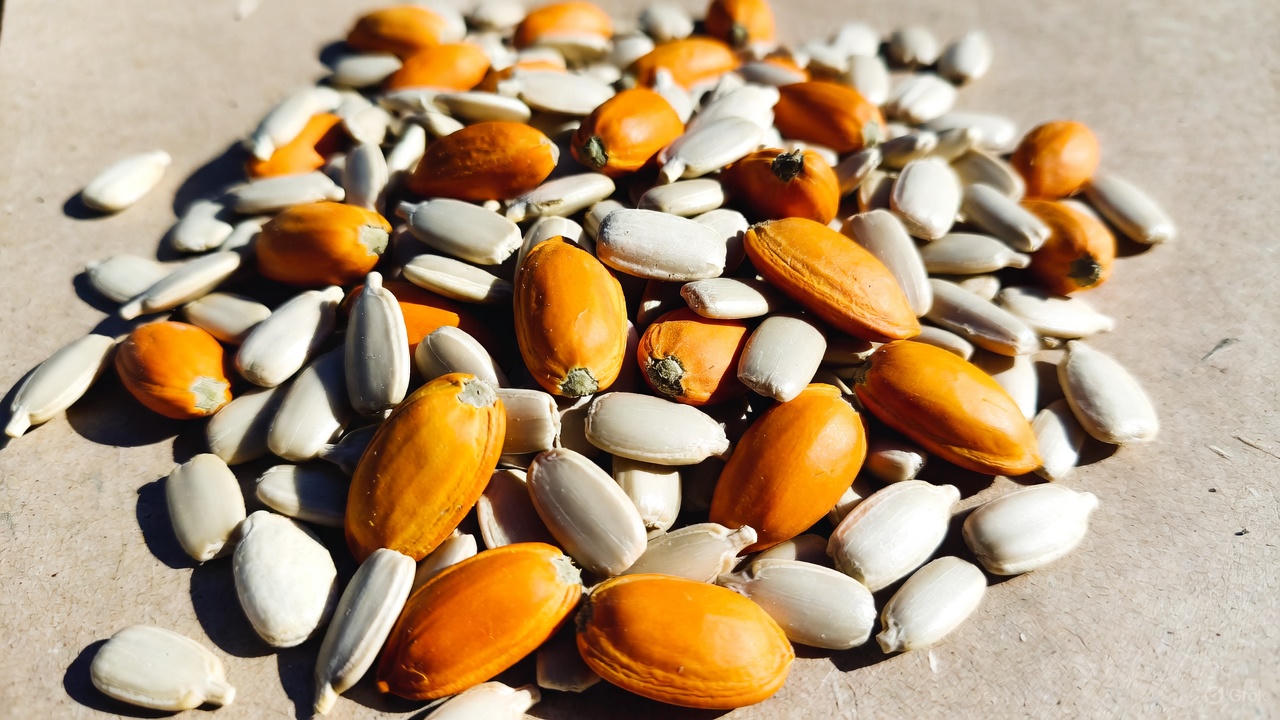
- Pumpkin seeds and sunflower seeds (great for zinc)
- Seafood like oysters and shrimp (copper sources)
- Dark leafy greens such as spinach and kale (calcium and more)
- Nuts, especially Brazil nuts (selenium bonus)
- Whole grains like oats and quinoa
Adding variety to meals makes it easier to get these naturally.
Non-Nutritional Causes to Consider
Not every white spot relates to diet. Sometimes other common skin conditions are involved.
Fungal Growth and Tinea Versicolor
In warm, humid environments, a naturally occurring yeast on the skin can overgrow, leading to lighter or darker patches known as tinea versicolor. These often appear on the chest, back, arms, or legs and may be more noticeable after sun exposure.
The American Academy of Dermatology notes this is quite common and tends to recur in certain climates.
Sun Exposure and Skin Response
Prolonged or intense sun exposure without protection can sometimes trigger localized pigment changes. The skin’s response varies from person to person.
Other Dermatological Factors
Conditions like idiopathic guttate hypomelanosis—small white dots often seen with age or sun exposure—are frequently reported in dermatology practices. Post-inflammatory changes after minor irritation can also leave lighter areas temporarily.
Here’s a quick comparison of common appearances:
| Appearance | Possible Associated Factor | Typical Locations |
|---|---|---|
| Small round white dots | Sun exposure over time | Arms, legs, back |
| Larger flaky patches | Fungal (tinea versicolor) | Trunk, arms |
| Irregular spreading patches | Autoimmune (e.g., early vitiligo) | Hands, face, body folds |
This table isn’t diagnostic—just a general guide based on common descriptions.
Practical Daily Habits to Support Healthy Skin
The best approach starts with gentle, consistent habits anyone can adopt.
- Eat a colorful variety of whole foods daily—aim for different fruits, vegetables, proteins, and healthy fats.
- Spend 10–15 minutes in gentle morning or late afternoon sunlight most days (avoid midday intensity).
- Stay hydrated by drinking water throughout the day.
- Use a broad-spectrum sunscreen when outdoors for extended periods.
- Gently moisturize skin after showering to support its natural barrier.
These small steps add up over time and benefit overall well-being.
And here’s the part many people miss…
The surprising connection between gut health and skin appearance is gaining more attention in recent studies. A balanced microbiome may influence how nutrients are absorbed—including those important for pigmentation. Simple habits like including fermented foods (yogurt, kefir, sauerkraut) or fiber-rich meals can support this indirectly.
When to Seek Professional Advice
Most white spots are harmless and stable. However, if they spread quickly, change in size or shape, or come with other symptoms, it’s wise to consult a dermatologist or healthcare provider. They can offer personalized insights based on your unique situation.
Early attention often brings peace of mind.
Final Thoughts
Small white spots on arms and legs are common and usually nothing to worry about excessively. By understanding possible nutritional and lifestyle influences—and making supportive daily choices—you can feel more confident about your skin’s health. Listening to your body’s subtle signals is one of the kindest things you can do for yourself.
Frequently Asked Questions
Are small white spots on skin always caused by nutrient deficiencies?
No, they can have various causes including sun exposure, fungal conditions, or simply natural aging changes. Nutrient levels are just one possible factor.
How long do white spots from sun exposure last?
In cases like idiopathic guttate hypomelanosis, they tend to be permanent but harmless. Other types may fade with time or proper skin care.
Can diet alone improve white spots on skin?
A nutrient-rich diet supports overall skin health, but results vary. It’s most effective as part of broader healthy habits.
Disclaimer: This article is for informational purposes only and is not medical advice. Always consult a qualified healthcare professional for personal concerns or before making significant changes to your diet or lifestyle. They can provide guidance tailored to your individual needs.