Feeling constantly bloated after meals, struggling with occasional digestive discomfort, or noticing your skin looks dull despite drinking plenty of water? These everyday issues can make you feel sluggish and frustrated, draining your energy and confidence as the days go on. Many people turn to quick fixes that offer temporary relief but don’t address the root causes tied to hydration, digestion, and overall balance.
But what if a simple, natural habit could help support your body’s natural processes in a gentle way? In this guide, you’ll discover how to make aloe vera water at home and explore what research suggests about its potential role in daily wellness—plus a few practical tips to get started safely.
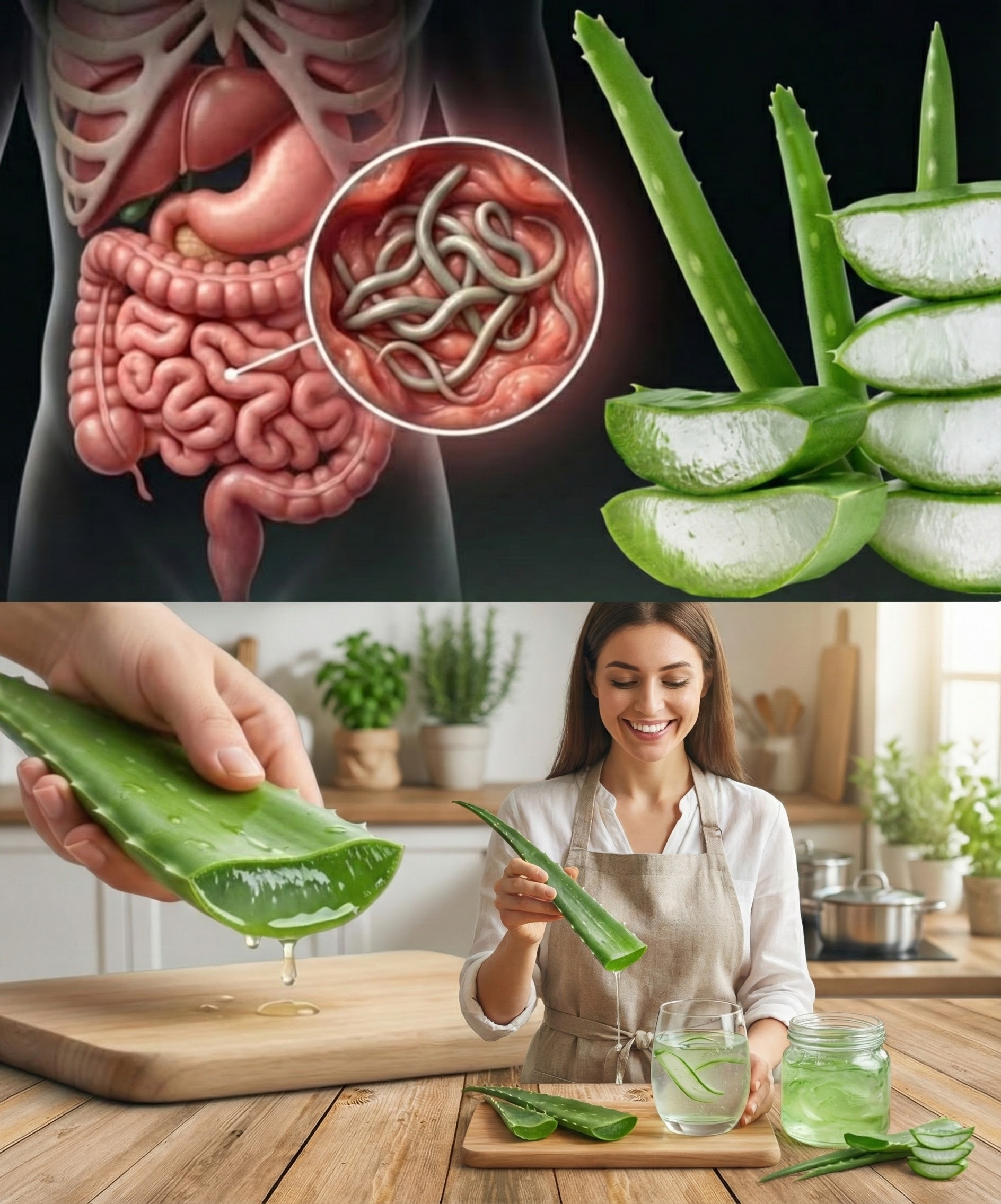
What Makes Aloe Vera a Popular Choice for Hydration Drinks
Aloe vera has been used for centuries in various cultures for its soothing properties. The clear gel inside the leaves is packed with water, vitamins like C and E, minerals, and polysaccharides—compounds that contribute to its unique texture and potential benefits.
When diluted into water, it becomes a refreshing drink that’s low in calories and easy to incorporate into your routine. Studies, including reviews from sources like Healthline and PubMed, note that aloe vera gel is mostly water (over 99%), making it a hydrating option with added nutrients.
But that’s just the beginning…
Step-by-Step Guide: How to Prepare Safe Aloe Vera Water at Home
Making aloe vera water yourself ensures it’s fresh and free from additives. The key is using only the inner gel and avoiding the yellow latex layer, which can cause digestive upset.
Ingredients (for about 1 liter)
- 1 large organic aloe vera leaf (from a mature plant)
- 1 liter filtered water
- Optional: Juice from 1 lemon or a teaspoon of honey for taste
Preparation Steps
- Wash the leaf thoroughly under running water.
- Stand the leaf upright in a glass for 10-15 minutes to let the yellow latex drain out—discard this part completely.
- Trim the spiky edges and cut off the top and bottom.
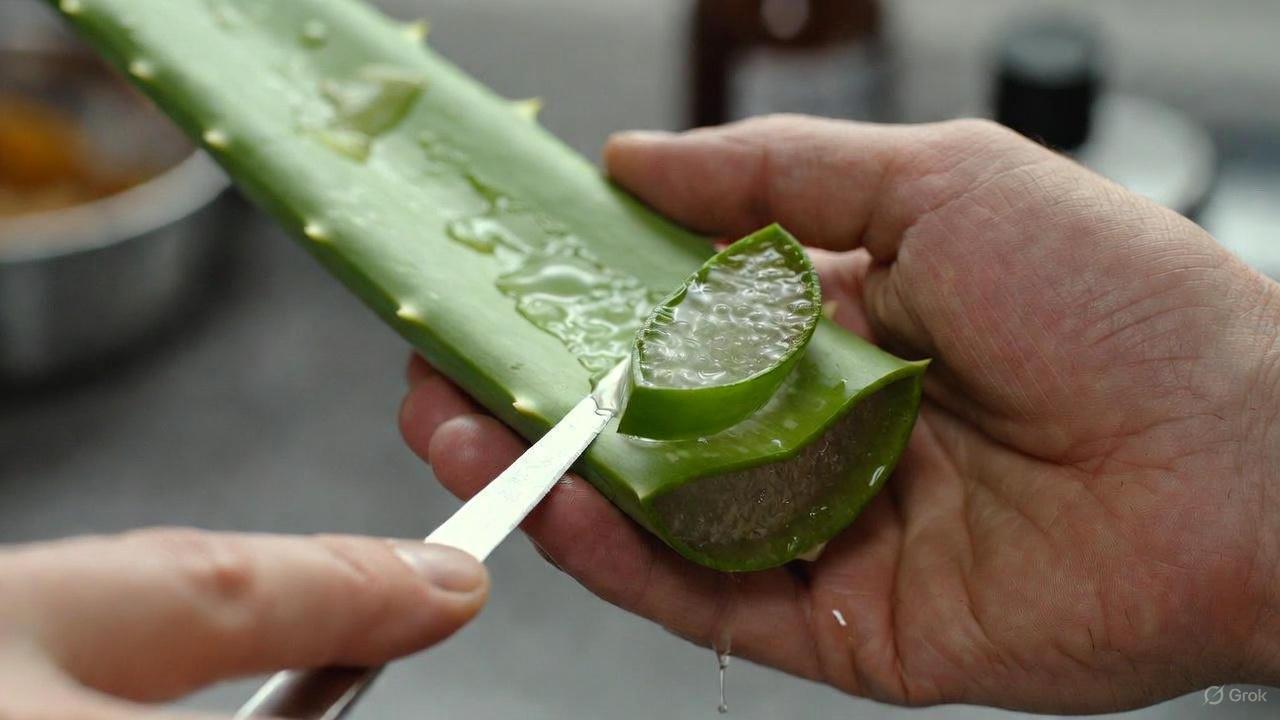
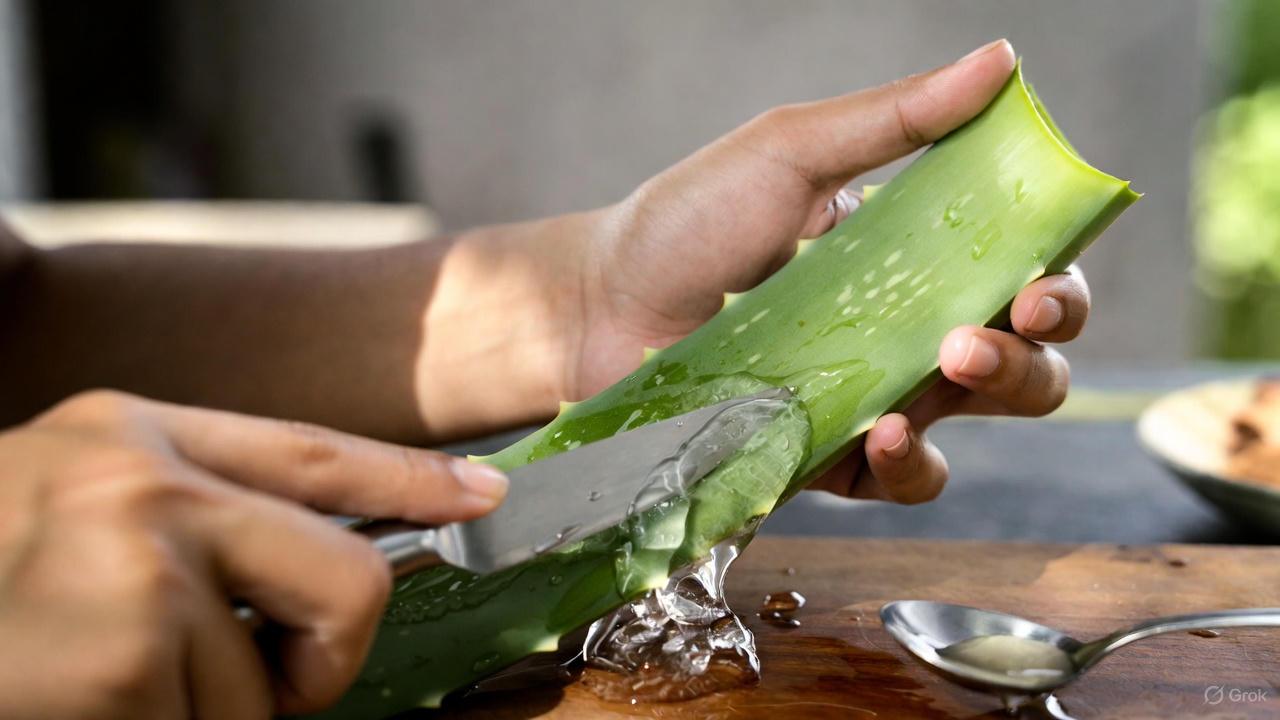
- Carefully fillet the leaf to remove the green skin, scooping out only the clear gel.
- Rinse the gel under water to remove any remaining residue.
- Blend 2-4 tablespoons of gel with the water (and optional flavorings) until smooth.
- Strain if you prefer a clearer drink, then store in the fridge.
This process takes about 15 minutes and yields a mild, refreshing beverage. Store it chilled and consume within 3-5 days for best freshness.
Here’s a quick comparison of homemade vs. store-bought:
| Aspect | Homemade Aloe Vera Water | Store-Bought Aloe Vera Drinks |
|---|---|---|
| Freshness | Made fresh, no preservatives | May contain additives for shelf life |
| Customization | Adjust gel amount and flavors easily | Fixed recipe |
| Cost | Low (one leaf makes multiple servings) | Higher per serving |
| Control | You ensure no latex is included | Check labels for “inner leaf” or low aloin |
Potential Ways Aloe Vera Water May Support Your Daily Wellness
Research on oral aloe vera gel is ongoing, with some studies showing promising areas. Here’s what emerging evidence suggests:
- Enhanced Hydration: Aloe vera’s high water content and polysaccharides may help improve how your body absorbs and retains moisture, benefiting skin and overall comfort.
- Digestive Comfort: Preliminary studies, including those reviewed on WebMD, indicate aloe gel might soothe occasional heartburn or support regular bowel movements when used properly.
- Blood Sugar Balance: Some clinical trials suggest aloe vera supplementation could help maintain healthy fasting blood sugar levels, especially in prediabetes—though more research is needed.
- Antioxidant Support: Rich in vitamins and compounds with antioxidant properties, it may help protect cells from daily stressors.
- Skin Appearance from Within: By promoting better hydration and nutrient delivery, regular intake might contribute to clearer, more radiant skin over time.
But that hasn’t been all—research also explores its role in immune function and mild inflammation reduction, thanks to its natural compounds.
Key Nutrients in Aloe Vera Gel
- Vitamins: A, C, E, B12
- Minerals: Magnesium, zinc, calcium
- Enzymes and amino acids for natural support
Studies from PubMed highlight these components, noting aloe’s traditional use backed by modern lab findings.
Practical Tips to Incorporate Aloe Vera Water Into Your Routine
Start small to see how your body responds:
- Drink 4-8 ounces (about 100-200 ml) once or twice a day, preferably in the morning or before meals.
- Mix with lemon for a zesty twist or cucumber for extra refreshment.
- Use it as a base for smoothies—blend with fruits like pineapple or berries.
Consistency matters, but listen to your body. Many people follow a 2-4 week cycle with breaks in between.
For variety, try these simple additions:
- Lemon and ginger for a warming feel
- Mint leaves for cooling freshness
- A splash of coconut water for electrolytes
Conclusion: A Gentle Addition to Your Wellness Habits
Incorporating aloe vera water into your day is an easy, natural way to boost hydration and explore potential supportive benefits backed by preliminary research. From better digestion to glowing skin, this simple drink aligns with a balanced lifestyle focused on whole foods and mindful habits.
paired with healthy eating and exercise, it could help you feel more energized and comfortable in your own skin.
Frequently Asked Questions
1. How much aloe vera water should I drink daily?
Most sources suggest starting with 4-8 ounces per day. Adjust based on how you feel, and don’t exceed 16 ounces without guidance.
2. Is aloe vera water safe for everyone?
Generally yes when prepared properly (using only inner gel), but it’s best to check with a healthcare provider if you have conditions like diabetes or digestive issues.
3. Can I drink store-bought aloe vera juice instead?
Yes—look for products labeled “inner leaf gel” or low in aloin (under 10 ppm) for safety.
Important Note: This article is for informational purposes only and not medical advice. Aloe vera may support wellness in various ways based on available research, but it is not intended to diagnose, treat, cure, or prevent any disease. Always consult a healthcare professional before adding new habits, especially if pregnant, breastfeeding, or on medications.
(Word count: approximately 1350)