After a long day on your feet, that familiar ache and tension can make it hard to unwind, leaving you feeling drained and restless as evening approaches. This discomfort often builds up quietly, affecting your mood and even how well you rest at night, making simple moments of calm feel out of reach. But there’s a gentle, time-honored habit using a common kitchen spice that many find brings a surprising sense of ease and comfort—and we’ll explore why it might be worth trying, along with a few unexpected insights toward the end.

What Makes Cloves Special in Traditional Home Practices?
Cloves have been valued for centuries in various cultures, not just as a warming spice in cooking, but also in simple wellness routines. The key compound here is eugenol, a natural component that research suggests contributes to their distinctive aroma and supportive properties.
Studies, including reviews published in sources like PMC and Healthline, indicate that eugenol may offer:
- Antioxidant effects to help combat oxidative stress
- Mild anti-inflammatory qualities
- Antimicrobial support in lab settings
These properties explain why cloves appear in traditional remedies worldwide. When used in warm water infusions, they release subtle aromatic oils gently, without overwhelming the senses.
But that’s just the start—there’s more to how this spice interacts with the body in everyday rituals.
Why Focus on the Feet for This Relaxing Habit?
Your feet endure a lot daily, bearing weight and connecting to thousands of nerve endings. Warm soaks alone have long been appreciated for promoting circulation and easing muscle tension, as noted in wellness practices involving reflexology.
Adding whole cloves to the water enhances the experience by introducing their soothing scent and compounds. Many people report a gentle warming sensation that helps feet feel less tight after standing or walking for hours.
Research on foot therapies, including reflexology, points to benefits like:
- Improved local blood flow
- Reduced feelings of fatigue in the lower legs
- A calming signal to the nervous system
This isn’t about dramatic changes—it’s a subtle way to support daily comfort, especially in cooler weather or after active days.
Here’s the interesting part: consistency with short sessions often yields the most noticeable sense of relief over time.
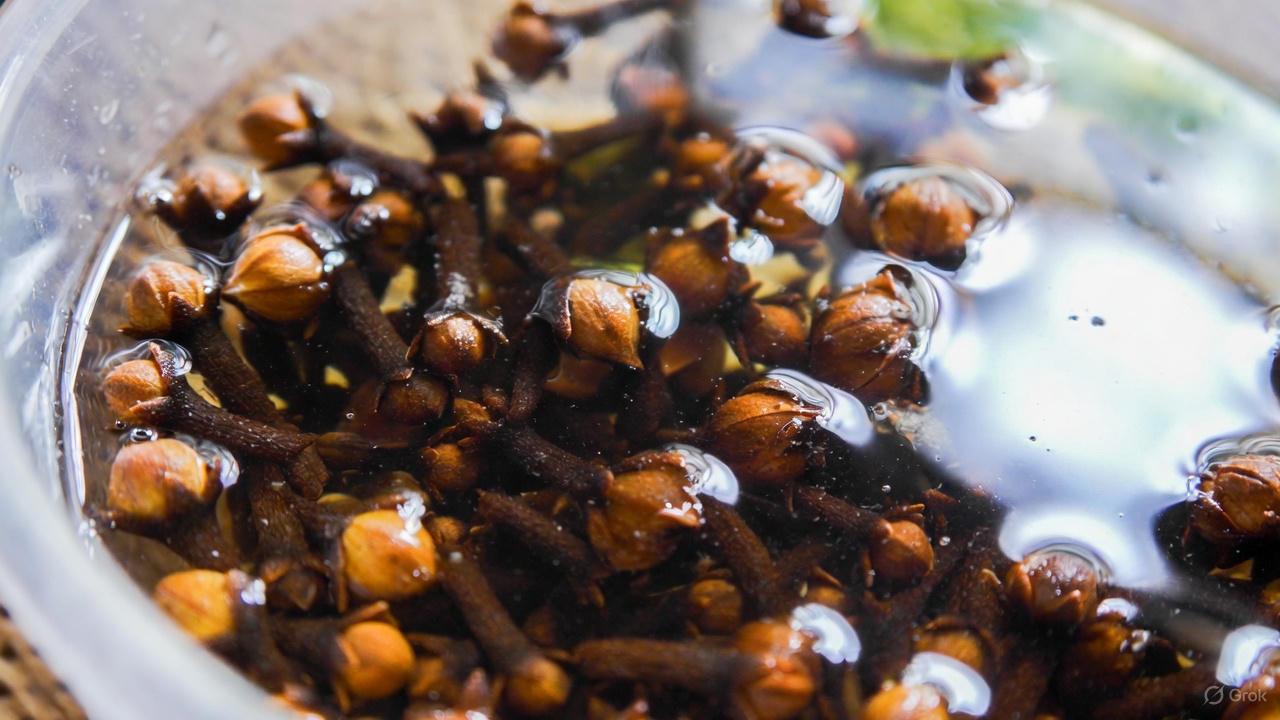
Step-by-Step Guide to the Simple 5-Minute Clove Foot Soak
This ritual is straightforward and requires minimal ingredients, making it easy to incorporate into your evening routine.
You’ll need:
- 1-2 tablespoons of whole cloves (available in most grocery spice aisles)
- A basin of warm water (comfortably warm, not hot)
- A towel for drying
Follow these steps:
- Fill a basin with warm water enough to cover your feet.
- Add the whole cloves and let them steep for 3-5 minutes to release their aroma.
- Soak your feet for about 5 minutes, allowing the warmth to do its work.
- Pat dry gently—no rinsing needed.
Many describe the feeling as cozy and grounding, with the spicy scent adding an aromatherapy-like touch. Adjust clove amounts if the aroma feels too strong at first.
Another Gentle Option: Clove Steam for Breathing Comfort
For those occasional stuffy moments, a quick clove steam inhalation is another traditional variation.
Simple steps:
- Boil water and pour into a heat-safe bowl.
- Add 3-5 whole cloves.
- Lean over the bowl at a safe distance (about 12 inches).
- Drape a towel over your head to trap the steam.
- Breathe deeply and gently for 5-7 minutes.
The rising vapors carry eugenol-rich oils, creating a clearing, soothing sensation in the nasal passages. Lab studies suggest these vapors may support respiratory comfort through antimicrobial and anti-inflammatory effects.
Safety first: Use hot but not boiling water to avoid burns, and keep sessions short.
What People Commonly Notice from These Clove Rituals
Over weeks of regular use, individuals often share experiences like:
- Feet feeling warmer and less heavy
- Easier winding down in the evenings
- A subtle uplift in overall relaxation
- Mild support during seasonal discomforts
These observations align with eugenol’s studied properties, though individual results vary. Research in journals like Phytotherapy Research highlights its potential for gentle soothing without harsh effects.
The real appeal? These habits are low-effort yet feel nurturing, fitting seamlessly into busy lives.
How Often Should You Try This Clove Ritual?
Start slow to see what works for you:
- 2-3 times per week is a common starting point
- Evenings tend to be ideal for promoting rest
- Pair with other relaxing habits, like dim lights or quiet time
Short, consistent sessions often prove more enjoyable than infrequent longer ones. Listen to your body—if it feels good, continue; if not, pause.
Important Precautions for Safe Enjoyment
While cloves are generally safe in small, topical amounts:
- Avoid if you have open wounds or broken skin on feet
- Skip if known sensitivity to cloves or eugenol exists
- Use caution with respiratory conditions; consult a professional
- Not recommended for children, pregnant, or breastfeeding individuals without guidance
- Stop if any irritation, burning, or discomfort occurs
These are supportive rituals, not replacements for medical care.
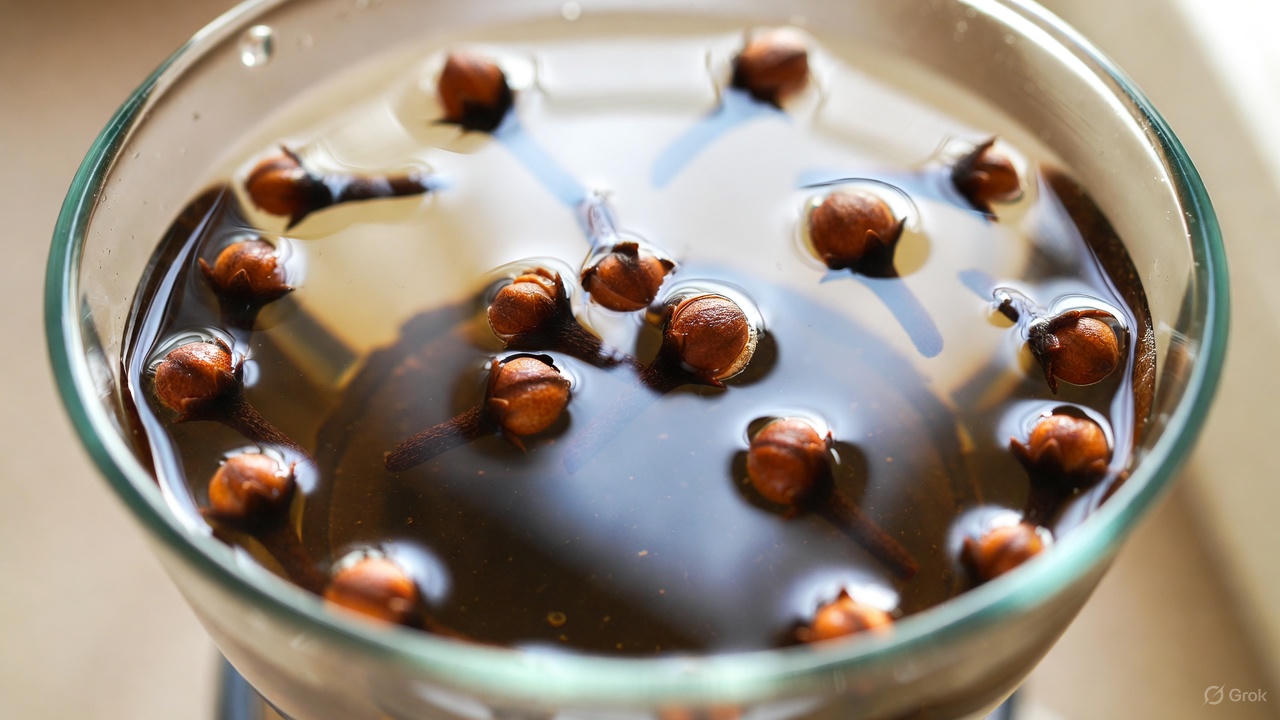
Why This Timeless Clove Habit Continues to Appeal
In a world of complex routines, the beauty of clove rituals lies in their simplicity. A handful of spices, warm water, and a few quiet minutes can create a moment of pause that many find restorative.
Studies reinforce eugenol’s role in traditional uses, from aromatherapy to mild soothing support. It’s not about quick fixes—it’s about gentle, consistent self-care that respects the body’s natural rhythms.
Ready to give it a try? Start tonight and see how this understated practice fits into your routine.
Frequently Asked Questions
How many whole cloves should I use in a foot soak?
Begin with 1 tablespoon per basin and adjust up to 2 based on preference—the goal is a pleasant aroma, not overpowering strength.
Can I reuse the cloves for multiple soaks?
Fresh cloves work best for each session to maintain their natural oils, but you can experiment with reusing once if desired.
Is this ritual safe daily?
2-3 times weekly is typically suggested for balance; daily use is fine for most if no irritation occurs, but moderation helps.
Disclaimer: This article is for informational purposes only and shares traditional practices supported by general research. It is not medical advice. Always consult a healthcare professional before trying new wellness habits, especially if you have health conditions or take medications.
(Word count: approximately 1,350)