Many people experience occasional digestive discomfort, such as bloating or irregular bowel movements, which can stem from everyday factors like diet or stress. These issues might leave you feeling sluggish and less energetic throughout the day, impacting your overall sense of well-being. Fortunately, incorporating natural foods like mung beans into your routine could offer gentle support for healthy digestion. But here’s the intriguing part: by the end of this article, you’ll uncover an unexpected twist on how this humble legume might enhance more than just your gut—keep reading to find out.

What Are Mung Beans and Why Are They Worth Exploring?
Mung beans, also known as green gram or Vigna radiata, are small green legumes native to India and widely used in Asian cuisines. They’ve been a staple in traditional diets for centuries, valued for their versatility in soups, salads, and drinks.
These beans are easy to find in most grocery stores, either whole or split, and they’re affordable too. What makes them stand out is their mild flavor, which blends well with other ingredients.
But that’s not all. Mung beans have gained attention in modern nutrition for their nutrient-dense profile. Let’s dive deeper into what they offer.
The Nutritional Profile of Mung Beans
Mung beans pack a punch when it comes to nutrition. A single cup of cooked mung beans provides about 14 grams of protein, making them a great plant-based option.
They’re also rich in fiber—around 15 grams per cup—which plays a key role in daily health. This fiber includes both soluble and insoluble types.
Soluble fiber forms a gel in the digestive tract, potentially aiding in smoother processes. Insoluble fiber adds bulk, which can help with regularity.
Additionally, mung beans contain vitamins like folate, magnesium, and potassium. These nutrients contribute to overall vitality.
Here’s a quick comparison table of mung beans versus other common legumes:
| Legume | Protein (per cup cooked) | Fiber (per cup cooked) | Calories |
|---|---|---|---|
| Mung Beans | 14g | 15g | 212 |
| Lentils | 18g | 16g | 230 |
| Chickpeas | 15g | 12g | 269 |
| Black Beans | 15g | 15g | 227 |
As you can see, mung beans hold their own in terms of nutrition while being lower in calories.
The truth is, their digestibility sets them apart from heavier legumes like kidney beans, which might cause more discomfort for some people.
How Mung Beans May Support Healthy Digestion
Research suggests that the high fiber content in mung beans can contribute to digestive wellness. For instance, studies indicate that diets including legumes like mung beans may help maintain balanced gut microbiota.
One study found that mung bean consumption could positively influence beneficial gut microbes and metabolite production. This might support a healthier gut environment over time.
Moreover, the soluble fiber in mung beans could help with blood sugar control, which indirectly benefits digestion by reducing spikes that might lead to discomfort.
In traditional practices like Ayurveda, mung beans are praised for their lightness and ease on the digestive system, especially during times of recovery.
But wait, there’s more. Preclinical research shows that mung bean proteins might help modulate gut health by enriching probiotics.
Of course, individual responses vary, but incorporating them mindfully could be a simple addition to your habits.
A Step-by-Step Guide to Making a Simple Mung Bean Drink
Ready to try it yourself? This easy recipe uses basic ingredients and takes about 30 minutes to prepare. It’s a refreshing way to enjoy mung beans.
Here’s what you’ll need:
- 1/2 cup dried mung beans (rinsed and soaked overnight for easier cooking)
- 4 cups water
- 1-inch piece of fresh ginger (sliced, optional for added warmth)
- 1-2 tablespoons honey or a natural sweetener (to taste)
- A pinch of salt
Step 1: Rinse the soaked mung beans under cool water to remove any debris.
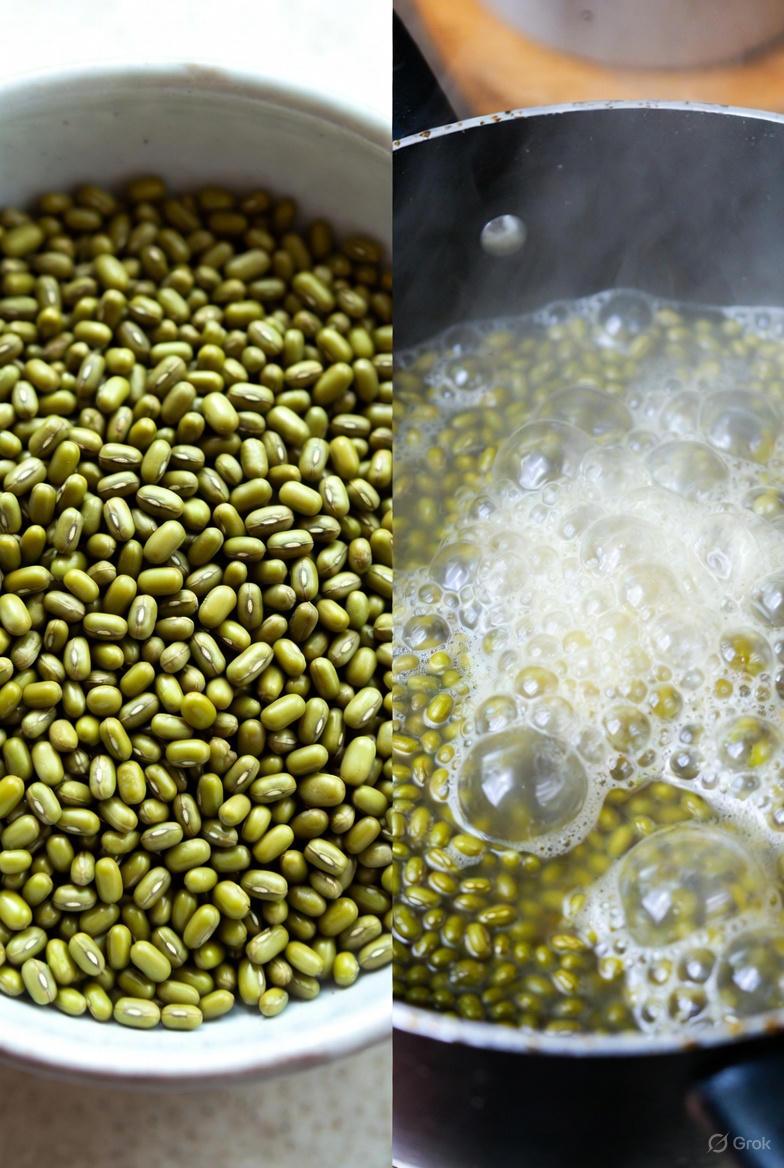
Step 2: In a pot, add the beans, water, and ginger. Bring to a boil over medium heat.
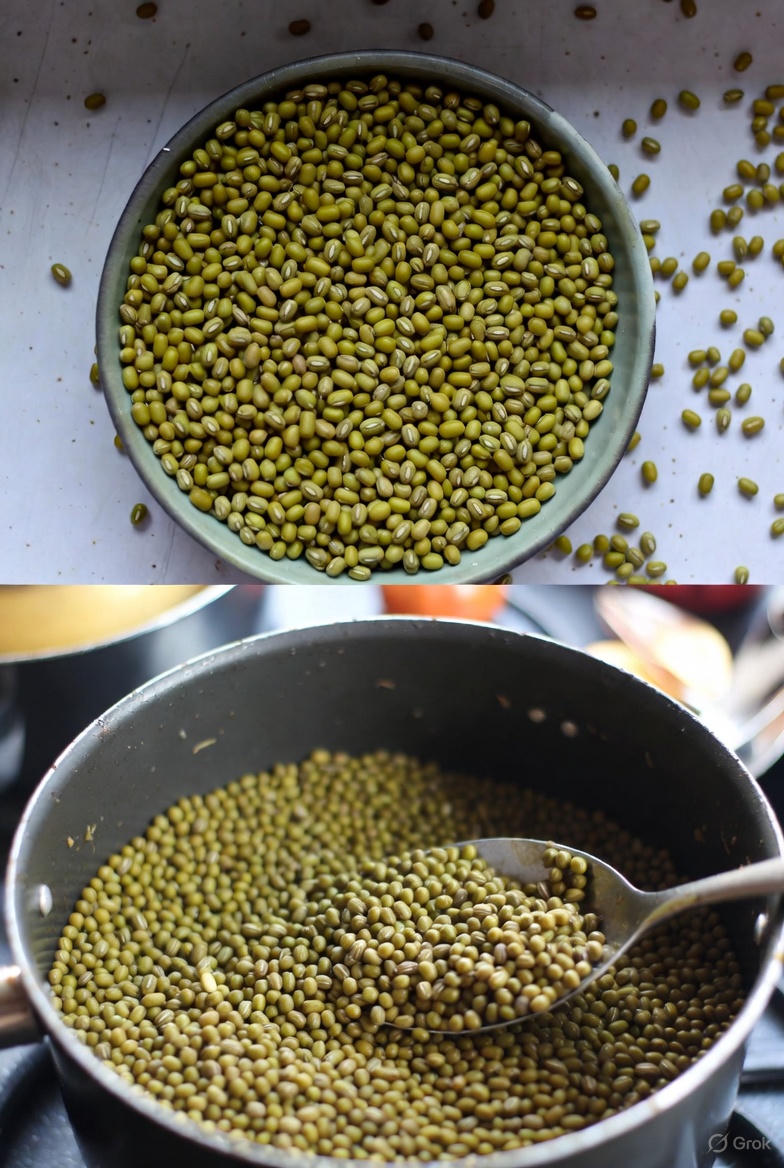
Step 3: Reduce to a simmer and cook for 20-25 minutes until the beans are soft.
Step 4: Remove from heat and let cool slightly. Blend the mixture until smooth.
Step 5: Strain if you prefer a clearer drink, then stir in honey and salt.
Serve chilled or warm—it’s versatile! This makes about 4 servings.
For variations, add coconut milk for creaminess, as in some traditional recipes.
This drink can be a gentle start to your day or a soothing evening sip.
Tips for Incorporating Mung Beans into Your Daily Routine
Wondering how to make mung beans a regular part of your meals? Here are some actionable ideas:
- Sprout them: Soak overnight, then drain and rinse daily for 2-3 days. Add to salads for a crunchy boost.
- In soups: Toss into vegetable broth with carrots and spinach for a hearty meal.
- As a side: Cook with rice for a balanced dish, similar to traditional kitchari.
- Snacking: Roast split mung beans with spices for a healthy alternative to chips.
- In desserts: Blend into smoothies or porridges with fruits like pear.
Start small—perhaps one serving a few times a week—to see how your body responds.
Sustainability is key. Choose organic when possible to maximize benefits.
And here’s the interesting part: mung beans aren’t just for digestion; studies show they may support heart health by helping manage cholesterol levels. That’s the unexpected twist I mentioned earlier!
Potential Considerations When Trying Mung Beans
While mung beans are generally well-tolerated, some people might experience gas if they’re new to high-fiber foods. Introduce them gradually.
If you have specific dietary needs, like low-FODMAP, check with a professional.
Research also notes that germinated mung beans could enhance polyphenol content, potentially benefiting gut health further.
Always source from reputable suppliers to avoid contaminants.
Conclusion
Exploring natural options like mung beans can be a straightforward way to support your digestive wellness through everyday habits. From their fiber-rich nutrition to simple recipes like the drink outlined here, they offer accessible benefits backed by traditional use and modern research. Remember to listen to your body and make gradual changes for the best results.
Frequently Asked Questions
What are some easy ways to prepare mung beans for beginners?
Start with soaking them overnight to reduce cooking time. Try boiling them into a simple soup or blending into a drink as described—it’s beginner-friendly and requires minimal equipment.
Can mung beans be part of a balanced diet for everyone?
Yes, they’re versatile and nutrient-dense, fitting into many eating patterns. However, if you have allergies or specific health conditions, consult a healthcare provider first.
How often should I include mung beans in my meals?
Aim for 2-3 servings per week to enjoy their potential benefits without overdoing it. Pair them with a variety of other foods for balanced nutrition.
This article is for informational purposes only and is not intended as medical advice. Always consult with a healthcare professional before making changes to your diet or health routine.
(Word count: 1,248)