Many people reach for familiar spices in their kitchen without realizing how a simple habit like sipping a warm infusion could support their overall well-being. That occasional digestive discomfort after meals, the desire for a stronger immune response during seasonal changes, or just wanting more natural ways to feel energized—these common experiences affect so many of us every day. The frustrating part is trying one trendy remedy after another, only to find they don’t fit seamlessly into real life. But here’s the good news: there’s a straightforward, time-tested option hiding in plain sight that countless cultures have relied on for generations—and by the end of this guide, you’ll discover exactly how to make it part of your routine in a way that feels effortless.

What Is Clove Water and Why Is It Gaining Attention?
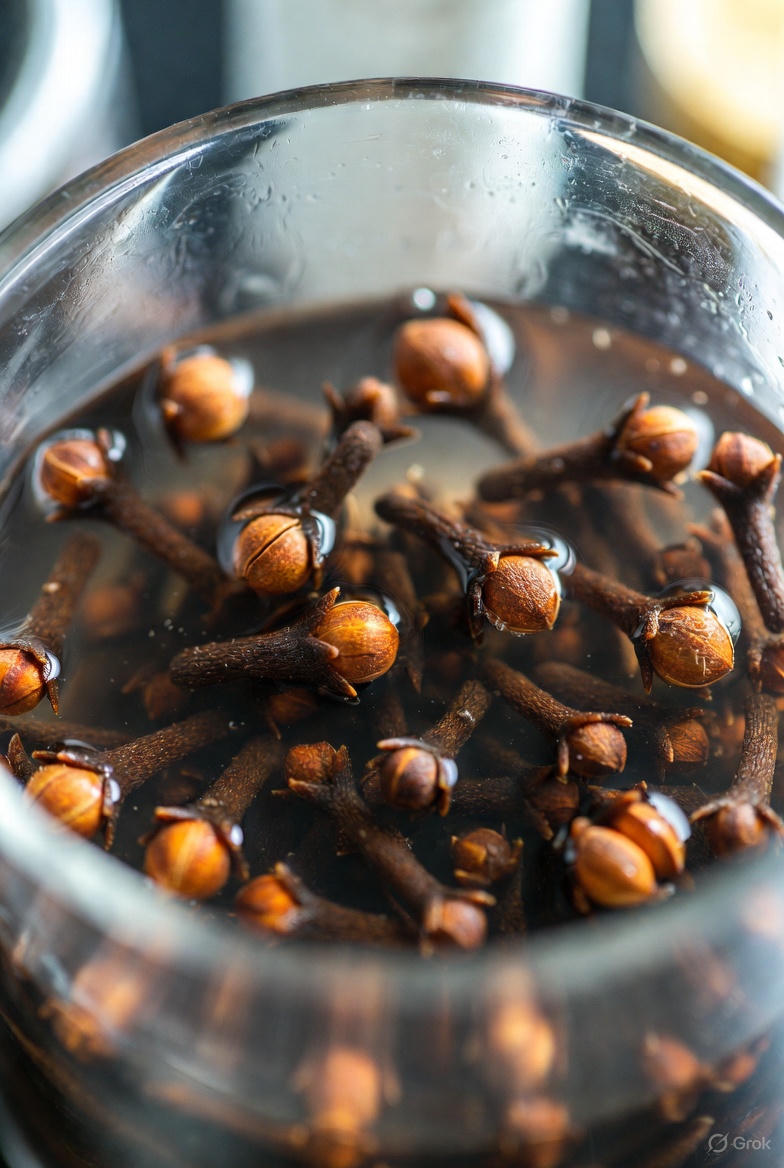
Clove water is simply an infusion made by steeping whole cloves in water. Cloves come from the dried flower buds of the Syzygium aromaticum tree, a spice long valued in traditional practices around the world.
The key compound in cloves is eugenol, which research suggests contributes to their antioxidant properties. Studies, including those published in PMC and Healthline reviews, indicate that cloves rank high in antioxidant content compared to many other spices. This means they may help combat oxidative stress when included in your diet.
But that’s not all—preliminary research points to potential anti-inflammatory effects as well. For instance, animal and in vitro studies have shown eugenol can modulate inflammatory pathways. While human evidence is still emerging, incorporating cloves through something as simple as an infusion offers an easy way to explore these benefits naturally.
Here’s a quick look at what makes cloves stand out nutritionally:
- Rich in manganese, which supports bone health and metabolism
- Contains small amounts of vitamin K, fiber, and other minerals
- High antioxidant capacity, as noted in multiple scientific reviews
Simple Ways to Prepare Clove Water at Home
The beauty of clove water lies in its simplicity—no fancy equipment needed. Here are two beginner-friendly methods:
Basic Overnight Soak (Cold Infusion)
- Add 4-6 whole cloves to a glass of room-temperature or warm water (about 8-10 oz).
- Cover and let it sit overnight (8-12 hours).
- Strain the cloves in the morning and sip slowly.
This method gently extracts compounds without heat, preserving delicate flavors.
Quick Hot Infusion
- Bring 1 cup of water to a boil.
- Add 4-6 whole cloves.
- Reduce heat and simmer for 5-10 minutes.
- Remove from heat, let steep for another 5 minutes, then strain.
You can enjoy it plain or add a slice of lemon for extra freshness.
Pro tip: Start with fewer cloves if you’re new to it—the flavor is strong and warming.
Practical Tips to Make Clove Water a Sustainable Habit
Incorporating any new routine works best when it’s realistic. Here are actionable steps:
- Morning ritual: Drink a glass first thing to kickstart your day.
- After meals: Sip a small cup to support comfortable digestion.
- Evening wind-down: Enjoy a warm version as a caffeine-free alternative.
But here’s the interesting part—consistency matters more than perfection. Many people notice they feel more balanced after making it a daily habit for a few weeks.
To keep it engaging, try these variations:
- Add a cinnamon stick for warmth
- Mix with ginger slices for an extra zing
- Combine with green tea leaves for added antioxidants

What Research Says About Potential Benefits
Studies on cloves highlight several areas worth noting:
- Antioxidant support: Cloves show strong free-radical scavenging in lab tests, potentially helping protect cells.
- Digestive comfort: Traditional use aligns with findings that eugenol may relax digestive muscles.
- Oral freshness: The antimicrobial properties of clove compounds are well-documented in dental research.
- Immune and respiratory insights: Some evidence suggests cloves may support respiratory health during seasonal challenges.
Research from sources like PubMed and WebMD emphasizes that while promising, most benefits come from moderate dietary inclusion rather than concentrated forms.
Here’s a comparison of common preparation methods:
| Method | Time Required | Flavor Intensity | Best For |
|---|---|---|---|
| Overnight Soak | 8-12 hours | Mild | Daily hydration |
| Hot Simmer | 10-15 minutes | Strong | Immediate warmth |
| Boiled & Steep | 5-10 minutes | Balanced | Quick evening ritual |
Safety Considerations and Best Practices
Cloves are generally recognized as safe when used in culinary amounts. However, like any spice, moderation is key.
Potential precautions include:
- Start small to see how your body responds
- Avoid excessive amounts, as high doses of eugenol could lead to digestive upset
- If you’re on medications (especially blood thinners), check with your doctor
- Not recommended in large quantities during pregnancy or nursing
Research indicates that sticking to 4-6 cloves per day in infusions is a sensible approach for most adults.
The truth is, individual responses vary—what feels great for one person might need adjustment for another.
Wrapping It Up: Your Next Step Toward a Simpler Routine
Adding clove water to your day is one of those small changes that can add up over time. It’s affordable, uses something you likely already have, and fits into busy schedules without fuss.
Whether you’re looking for more ways to support digestion, enjoy antioxidant-rich options, or simply explore traditional wellness habits, this infusion offers an approachable starting point.
Ready to give it a try? Grab a few whole cloves tonight and set up your first soak. You might be surprised how such a simple step becomes a favorite part of your routine.
Frequently Asked Questions
How many cloves should I use per glass?
Most people start with 4-6 whole cloves in 8-10 oz of water. Adjust based on taste preference.
Can I drink clove water every day?
Yes, in moderation as part of a varied diet. Many enjoy it daily without issues.
Is clove water safe for everyone?
It’s generally fine for healthy adults, but consult a healthcare provider if you have conditions or take medications.
Disclaimer: This article is for informational purposes only and not intended as medical advice. Always consult your healthcare professional before making changes to your diet or wellness routine, especially if you have health concerns.
(Word count: 1,248)