Many people notice changes in their hair density as they get older, often feeling frustrated by thinning or slower growth. These shifts can stem from everyday factors like stress, diet, or hormonal changes, making it hard to feel confident in your appearance. If you’ve been searching for gentle, plant-based ways to nourish your scalp, you might be curious about natural ingredients that have been used traditionally for hair care.
But here’s something interesting: papaya leaves, often overlooked, contain compounds like the enzyme papain and various nutrients that some people incorporate into their routines. Keep reading to discover practical ways to explore this option and what research suggests about its potential role in scalp health.
Why Hair Changes Are Common and What Influences Them
Hair thinning or shedding affects millions worldwide, becoming more noticeable after age 40 due to natural aging processes.
Factors like oxidative stress from daily life, nutrient gaps, or inflammation can play a role in how follicles function.
Research shows that antioxidants in certain plants may help protect cells from damage, potentially supporting overall scalp environment.
It’s normal to feel concerned when you spot more strands in the brush or changes in density.
The good news? Many turn to natural remedies to complement their hair care habits.
But that’s not all—let’s look at one plant that’s gained attention in traditional practices.
Introducing Papaya Leaves: A Traditional Ingredient Worth Exploring
Papaya leaves (from the Carica papaya plant) have been used in folk medicine across tropical regions for various purposes, including skin and scalp applications.
They contain papain, a natural enzyme known for breaking down proteins, along with vitamins, flavonoids, and other plant compounds.
Some studies in test tubes and animals suggest these elements have antioxidant and anti-inflammatory properties.
People often use papaya leaf extracts or juices topically, believing it helps exfoliate the scalp gently.
However, human research specifically on hair is limited, with most evidence coming from traditional use and preliminary lab findings.
Here’s the exciting part: many report trying simple home preparations to see if it fits their routine.
Potential Ways Papaya Leaves May Support Scalp Health
While not proven in large human trials, here’s what emerging research and traditional insights point to:
- Gentle Exfoliation: Papain may help remove buildup of dead skin cells on the scalp, creating a cleaner environment for follicles. Animal studies on related enzymes show exfoliating effects.
- Antioxidant Support: Flavonoids and vitamin E in the leaves could combat oxidative stress, which some research links to hair concerns.
- Scalp Soothing: Test-tube studies indicate antifungal properties that might help with issues like dandruff caused by fungus overgrowth.
- Nutrient Boost: Vitamins A and C may nourish the scalp when applied or consumed.
One small animal study on papaya leaf extract showed promising effects on hair growth parameters in rats.
But remember, results vary, and more studies are needed.
Curious how others incorporate it? Let’s move to practical tips.
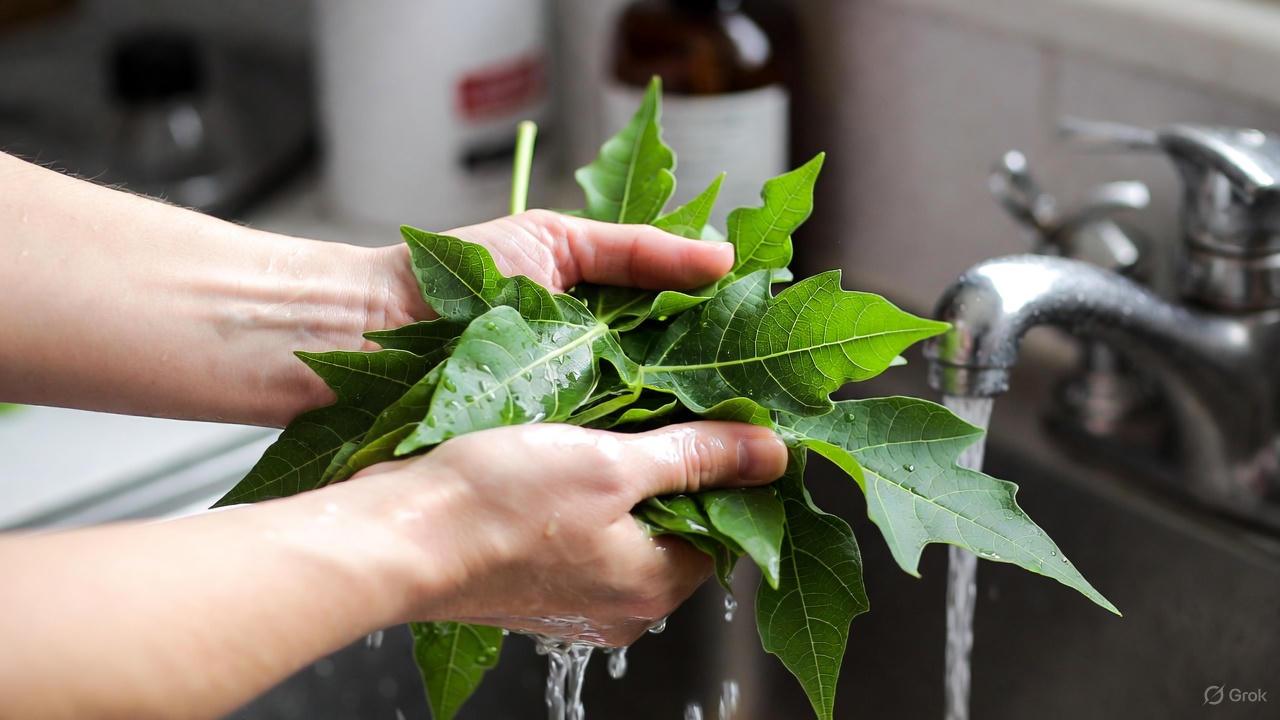
Simple Ways to Try Papaya Leaves in Your Hair Care Routine
If you’re interested in natural options, here are easy, step-by-step methods using fresh or dried papaya leaves (available at some markets or online).
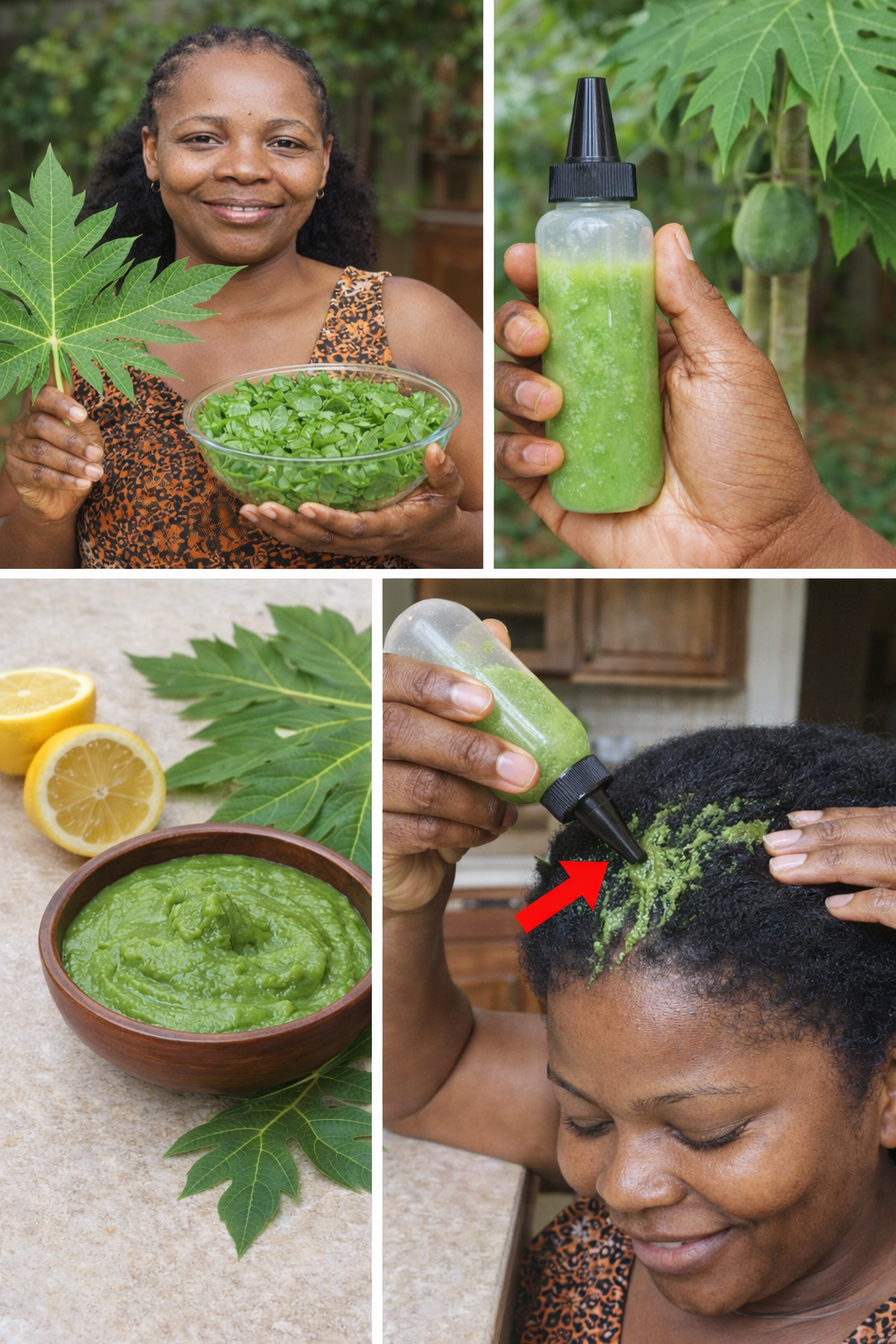
1. Papaya Leaf Hair Rinse
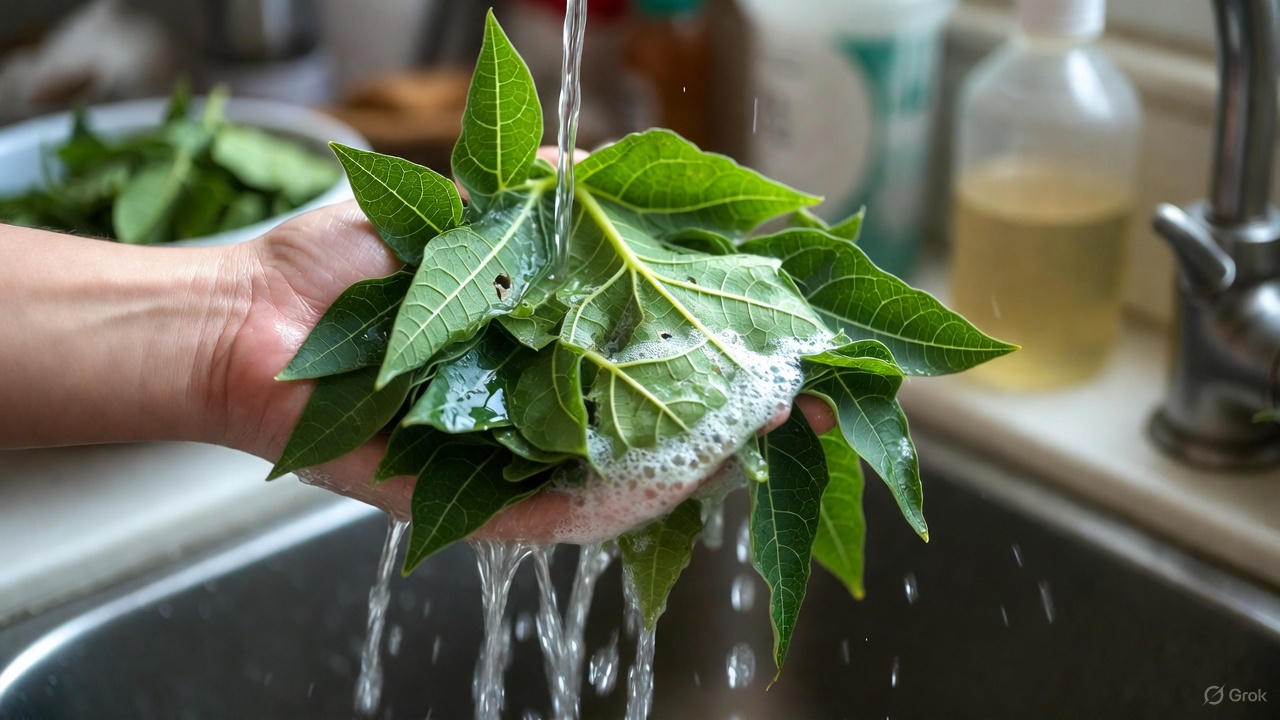
- Wash 5-10 fresh papaya leaves thoroughly.
- Boil them in 2 cups of water for 10-15 minutes.
- Let cool, strain, and use as a final rinse after shampooing.
- Massage into scalp gently and leave on for 5-10 minutes before rinsing.
Do this 1-2 times a week to start.
2. Papaya Leaf Paste Mask
- Blend fresh leaves into a paste.
- Mix with a carrier like coconut oil or yogurt for easier application.
- Apply to scalp, cover with a shower cap, and leave for 20-30 minutes.
- Rinse thoroughly with lukewarm water.
This may help with gentle exfoliation.
3. Combining with Other Naturals
For added moisture:
- Mix papaya leaf juice with aloe vera gel.
- Apply as a leave-in treatment on damp hair.
Always patch test first to check for sensitivity.
Here’s a quick comparison of common natural scalp remedies:
| Remedy | Key Benefit | Ease of Use | Frequency Suggestion |
|---|---|---|---|
| Papaya Leaves | Gentle enzyme exfoliation | Moderate | 1-2 times/week |
| Aloe Vera | Soothing hydration | Easy | 2-3 times/week |
| Coconut Oil | Deep moisture | Easy | As needed |
| Green Tea Rinse | Antioxidant support | Easy | Weekly |
Tips for Best Results and Safety
Start slow—use once a week and observe how your scalp responds.
Combine with a balanced diet rich in proteins, vitamins, and minerals for overall hair support.
Gentle scalp massage during application may improve circulation.
Stay consistent for a few months to notice any changes.
If you have sensitive skin or conditions, consult a professional first.
Research indicates papaya leaves are generally safe in moderation, with low toxicity in animal studies.
Other Natural Habits to Support Healthy Hair
- Eat antioxidant-rich foods like berries, nuts, and greens.
- Manage stress through walks or meditation.
- Use mild shampoos and avoid excessive heat styling.
- Stay hydrated and get enough sleep.
These lifestyle tweaks often make the biggest difference.
Conclusion: A Gentle Natural Approach to Try
Exploring papaya leaves offers a simple, plant-based way to nurture your scalp, drawing from traditional knowledge and early research on its enzymes and nutrients.
While it won’t work miracles overnight and evidence is still growing, many find it a refreshing addition to their routine.
Give it a try mindfully, track your progress, and enjoy the process of caring for your hair naturally.
Frequently Asked Questions (FAQ)
1. How long does it take to see changes from using papaya leaves on hair?
Individual results vary, but consistent use over 4-8 weeks is common before noticing softer scalp or reduced flaking. Hair growth changes may take longer.
2. Can I drink papaya leaf tea for hair benefits?
Some consume it for overall nutrients, but topical use is more common for scalp direct support. Start with small amounts and consult a doctor.
3. Is papaya leaf safe for all hair types?
Generally yes for most, but those with latex allergy (related to papaya) should avoid it. Always patch test.
This article is for informational purposes only and is not intended to diagnose, treat, or cure any condition. Consult a healthcare professional before trying new remedies, especially if you have underlying health issues.