Many people feel tired and congested during colder months, with stuffy sinuses, occasional joint stiffness, or just a general sense of being run-down. These common discomforts can make everyday activities feel harder than they should. But what if a few everyday kitchen staples could offer a gentle way to feel more comfortable and energized? Keep reading to discover a traditional-inspired approach that’s easy to try at home—and why so many find it worth adding to their routine.
This warming infusion combines six common ingredients long used in various cultural traditions for seasonal wellness. While no single drink is a magic solution, research on these individual components suggests they may support the body’s natural processes in meaningful ways. Let’s explore what makes this blend interesting and how you can prepare it safely.
Why These Ingredients Are Often Chosen for Warming Drinks
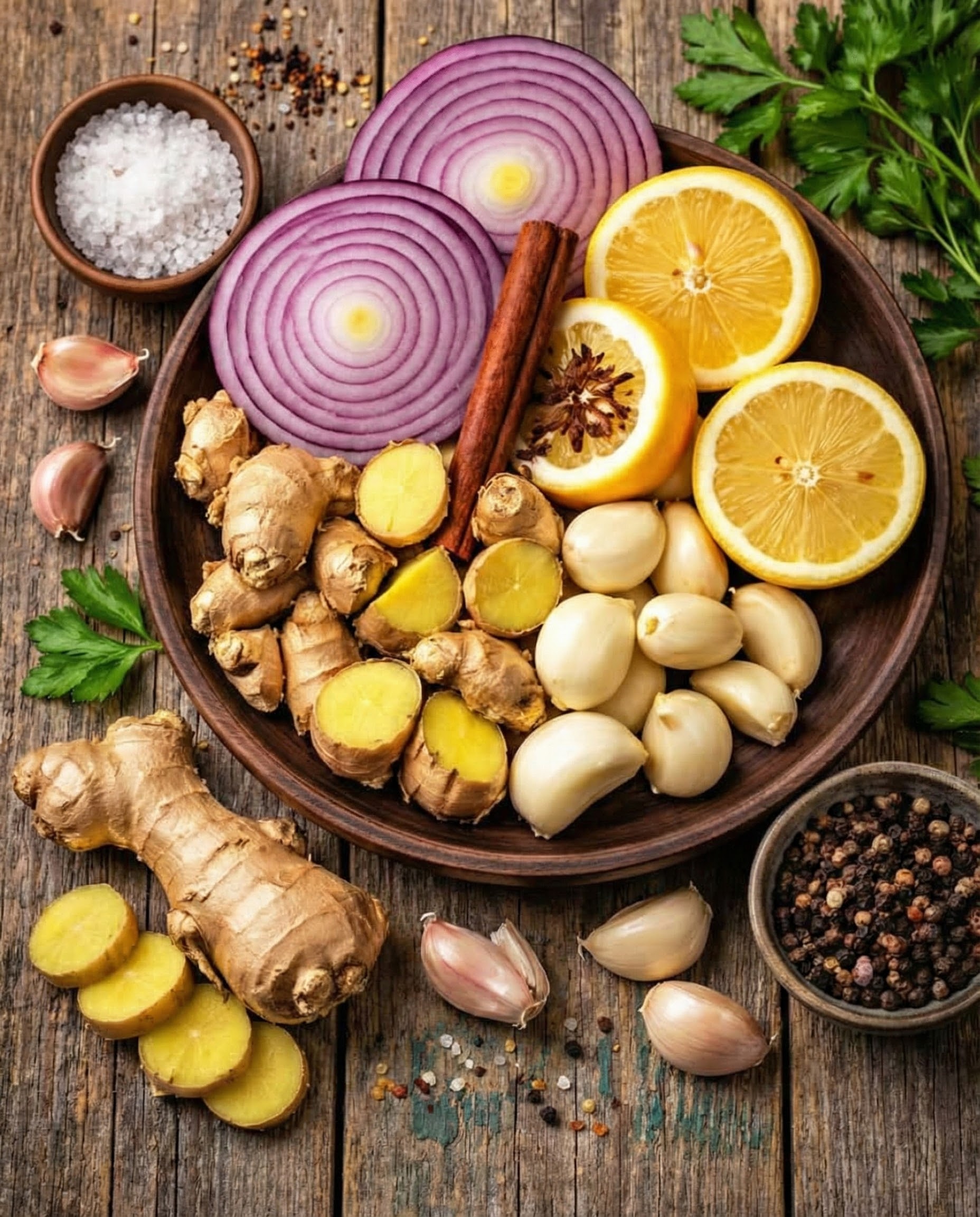
Each ingredient brings its own natural compounds that have been studied for potential health-supporting properties. Here’s a closer look:
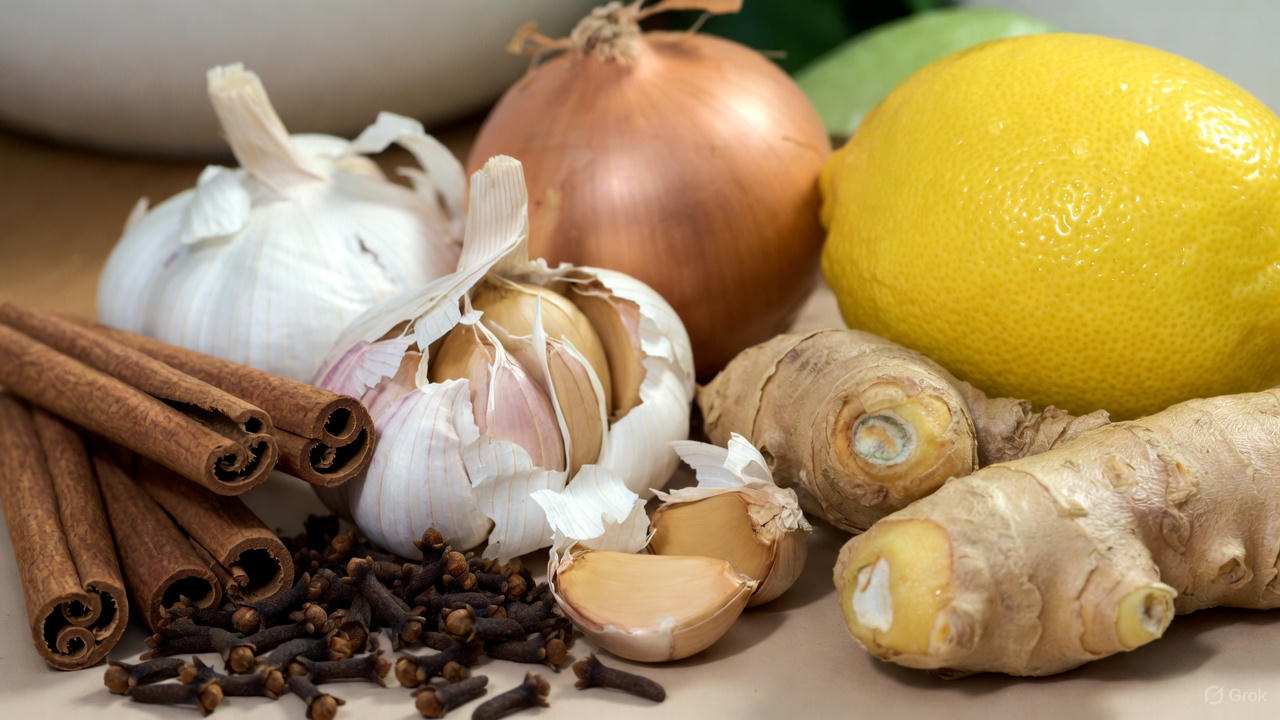
- Cinnamon: Known for its warming aroma, studies indicate cinnamon contains antioxidants that may help maintain healthy inflammation levels and support balanced blood sugar.
- Cloves: These small buds are rich in compounds like eugenol, which research shows have antioxidant and antimicrobial effects.
- Garlic: Contains allicin, a sulfur compound formed when garlic is crushed. Some studies suggest it may support immune function and respiratory comfort.
- Ginger: Packed with gingerol, ginger is frequently researched for its ability to ease digestive discomfort and provide natural warmth.
- Lemon: A great source of vitamin C, which plays a role in immune health and antioxidant protection.
- Onion: Provides quercetin, a flavonoid that may help with seasonal respiratory support in traditional practices.
When simmered together, these create a spicy-sour infusion that many describe as surprisingly refreshing once you get used to the flavor.
But that’s not all—people often notice subtle shifts when sipping this regularly.
Common Reasons People Enjoy This Infusion Daily
Many who incorporate similar herbal drinks report feeling:
- More open and clear in their breathing passages, thanks to the steaming vapor and natural compounds.
- A sense of warmth spreading through the body, especially helpful for cold hands or feet.
- Less morning stiffness in joints, possibly from the anti-inflammatory properties of ginger and cinnamon.
- Overall comfort during seasonal changes, as these ingredients have been used traditionally to support wellness.
Research supports some of these observations. For example, studies on garlic and ginger show they may enhance immune cell activity, while cinnamon has been linked to better insulin sensitivity in some trials.
Here’s a quick comparison to highlight the differences:
| Feature | Regular Herbal Tea | This Cinnamon-Clove-Garlic-Ginger-Lemon-Onion Infusion |
|---|---|---|
| Warming sensation | Mild | Deep and penetrating |
| Antioxidant support | Moderate | From multiple compounds across six ingredients |
| Traditional use for seasons | Common | Long history in various cultures |
| Cost per serving | $0.50–$2 | Under $0.25 |
| Flavor profile | Pleasant and mild | Spicy-sour, becomes addictive for many |
This table shows why some prefer the more robust blend.
What Research Says About These Ingredients
Modern science is exploring what traditional healers have known for generations:
- Garlic’s allicin may help reduce the duration of common colds, according to some clinical reviews.
- Ginger and cloves have shown potential to support healthy inflammatory responses in lab and human studies.
- Lemon’s vitamin C contributes to normal immune function, as recognized by health authorities.
- Onion and garlic together provide sulfur compounds and quercetin that may aid respiratory comfort.
Of course, results vary by individual, and these are supportive elements in a healthy lifestyle—not replacements for medical care.
The truth is, combining them into one infusion makes it convenient to enjoy their collective properties.
Step-by-Step Guide: How to Prepare the Infusion at Home
This recipe serves about 4 cups and takes just 15 minutes of active time. It’s straightforward and uses whole ingredients for maximum freshness.
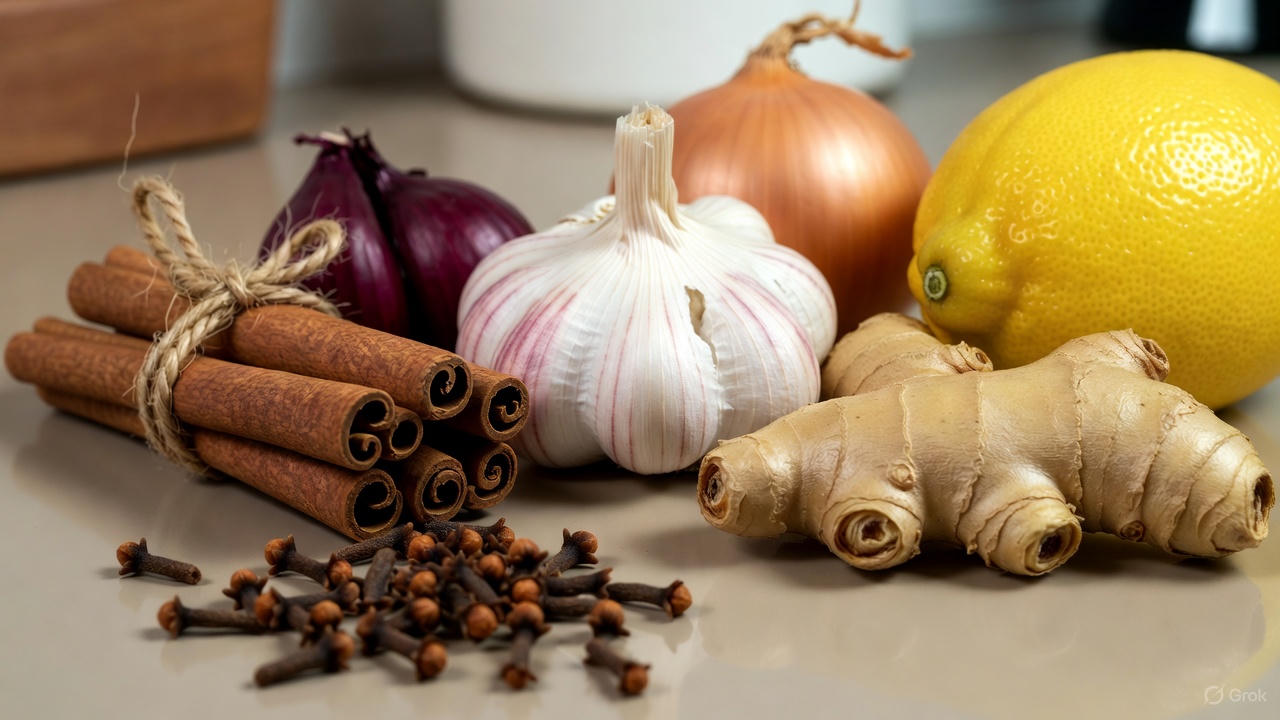
Ingredients (for one batch):
- 1 cinnamon stick (or 1 tsp ground cinnamon)
- 5 whole cloves
- 2 garlic cloves, lightly smashed
- 1-inch piece fresh ginger, sliced (no need to peel)
- ½ medium onion, quartered (skin on for extra quercetin)
- 1 whole lemon, quartered (wash well; include skin for more flavor)
Instructions:
- Add all ingredients to a pot with 4 cups of water.
- Bring to a hard boil for 2 minutes, then reduce to a simmer for 13 minutes. Keep the lid off for the first 5 minutes to allow strong aromas to release gently.
- Remove from heat and strain through a fine sieve into a jar or mugs. Gently press the solids to extract more liquid.
- Optional: Once cooled below 140°F (about 60°C), stir in raw honey to taste—this preserves its natural enzymes.
- Enjoy 1–2 cups daily, warm or at room temperature. Store leftovers in the fridge for up to 2 days.
Start with smaller amounts if you’re new to bold flavors. Many find it grows on them quickly.
Here are some tips to customize:
- Add a pinch of black pepper to enhance absorption of certain compounds.
- For a milder version, reduce garlic and onion.
- Sip in the morning for an energizing start or evening for winding down.
Safety Considerations and Who Should Be Cautious
These ingredients are generally safe in food amounts for most people. However:
- Garlic, ginger, and cinnamon may interact with blood-thinning medications.
- Those with acid reflux or ulcers might find the acidity or spice irritating.
- Pregnant individuals should consult a provider, as high amounts of some herbs aren’t recommended.
Always start slowly and listen to your body. If you have health conditions or take medications, speak with your healthcare provider first.
Frequently Asked Questions
How often can I drink this infusion?
Most people enjoy 1–2 cups daily. It’s best as part of a varied diet.
Does it taste strongly of garlic or onion?
The boiling process mellows the flavors, and lemon plus cloves balance it out. Many say it’s surprisingly neutral or even enjoyable after a few tries.
Can children have this?
For kids over 1 year, use a very mild version without much garlic or onion, and avoid honey for infants under 12 months.
Final Thoughts
Exploring simple, traditional-inspired infusions like this one can be a gentle way to support your daily wellness routine. With ingredients readily available and backed by both cultural use and emerging research, it’s an approachable option worth considering—especially when you want something warming and nourishing.
Remember, this is informational and meant to complement, not replace, professional health advice.
Disclaimer: This article is for informational purposes only and is not intended to diagnose, treat, cure, or prevent any disease. Please consult your healthcare provider before trying new remedies, especially if you have medical conditions or take medications.