Dealing with mice, cockroaches, or ants in your home can be incredibly frustrating. You spot droppings, hear scurrying at night, or find tiny trails across your kitchen counter. These unwanted visitors seem to appear out of nowhere, and the constant worry about them spreading germs or damaging food keeps you on edge. Many people turn to commercial poisons, but they often come with concerns about safety around kids and pets, plus the ongoing expense. What if a simple household item already in your bathroom could offer a natural alternative? In this article, we’ll explore how mint-flavored toothpaste might help deter these pests and share practical steps you can try at home.
But first, a quick note: while many people share stories about this trick working for them, results can vary widely, and it’s not a guaranteed solution.
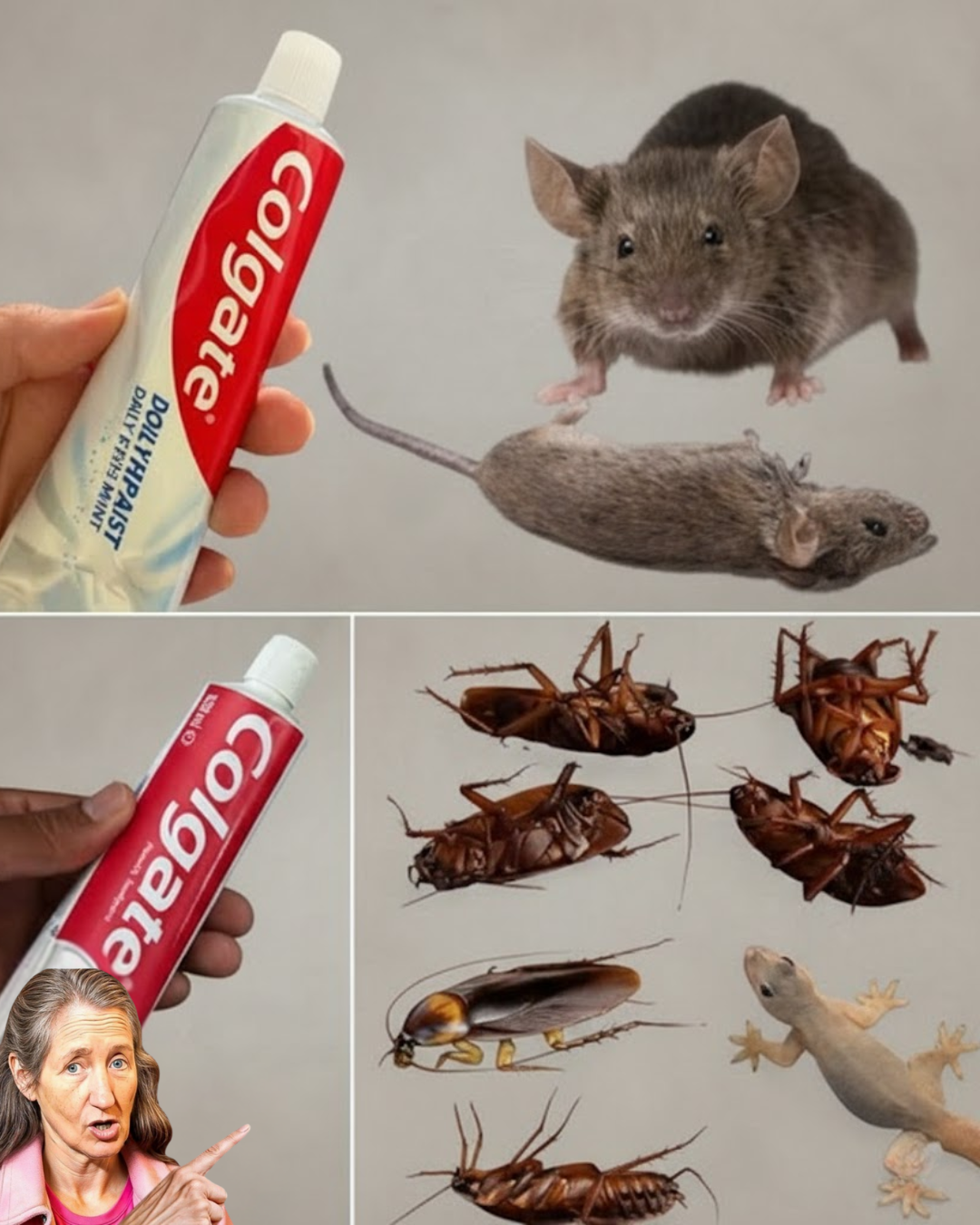
Why Mint Toothpaste Might Deter Household Pests
The key ingredient in many whitening or fresh-breath toothpastes is mint — usually peppermint or spearmint flavoring. This strong scent comes from compounds like menthol, which can be overwhelming to pests with highly sensitive noses.
Mice, cockroaches, and ants rely heavily on smell to navigate, find food, and communicate with each other through pheromone trails. A powerful mint odor can disrupt these trails and make certain areas less appealing. Research on peppermint oil (the concentrated form of what gives toothpaste its minty smell) has shown it can temporarily repel some insects and rodents. Studies suggest peppermint compounds may interfere with pests’ sensory systems, making them avoid treated spots.
That said, toothpaste is not as potent as pure essential oils, and scientific evidence specifically for toothpaste as a pest deterrent is limited. It’s more of an anecdotal home remedy than a proven method.
How to Use Mint Toothpaste as a Natural Deterrent
If you’d like to give this a try, focus on mint-flavored toothpaste — avoid gel or children’s fruity varieties, as they might not have the same effect. Here’s a simple, step-by-step guide:
- Choose the right toothpaste Pick a strong mint paste (like Colgate Total or similar whitening mint formulas).
- Identify problem areas Look for entry points (gaps around pipes, baseboards, doors), trails, or hiding spots (under sinks, behind appliances, in corners).
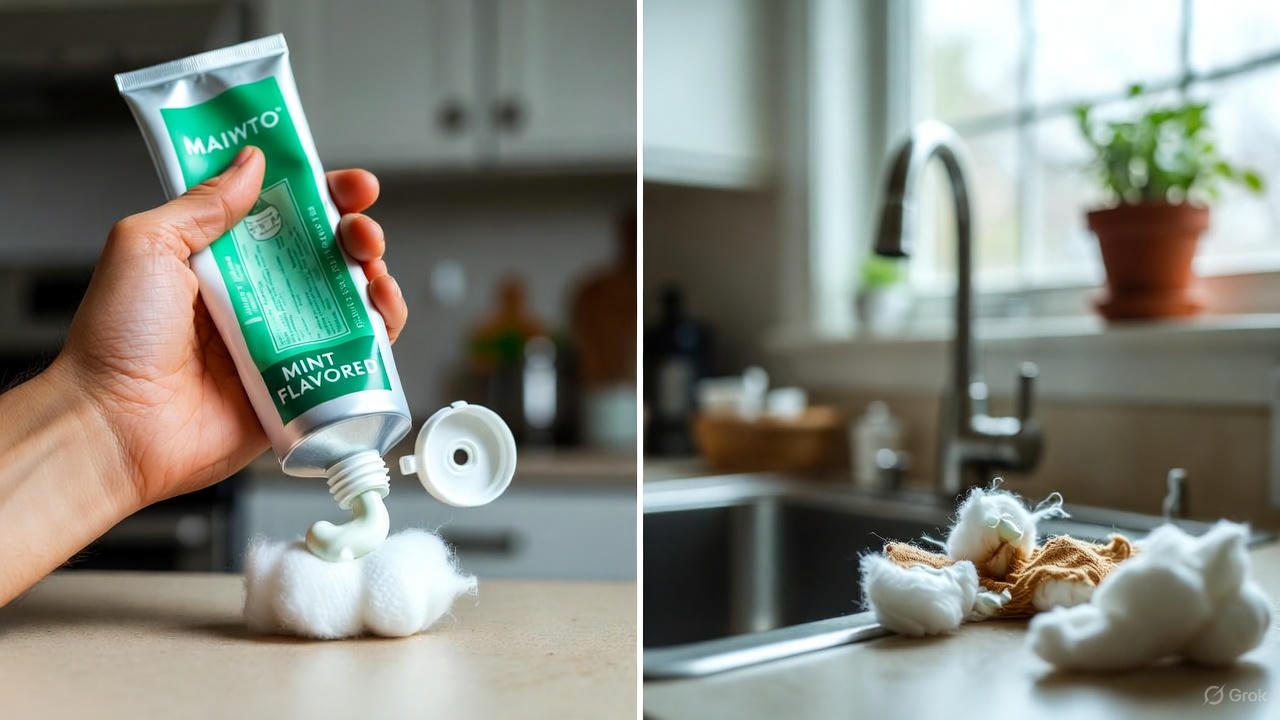
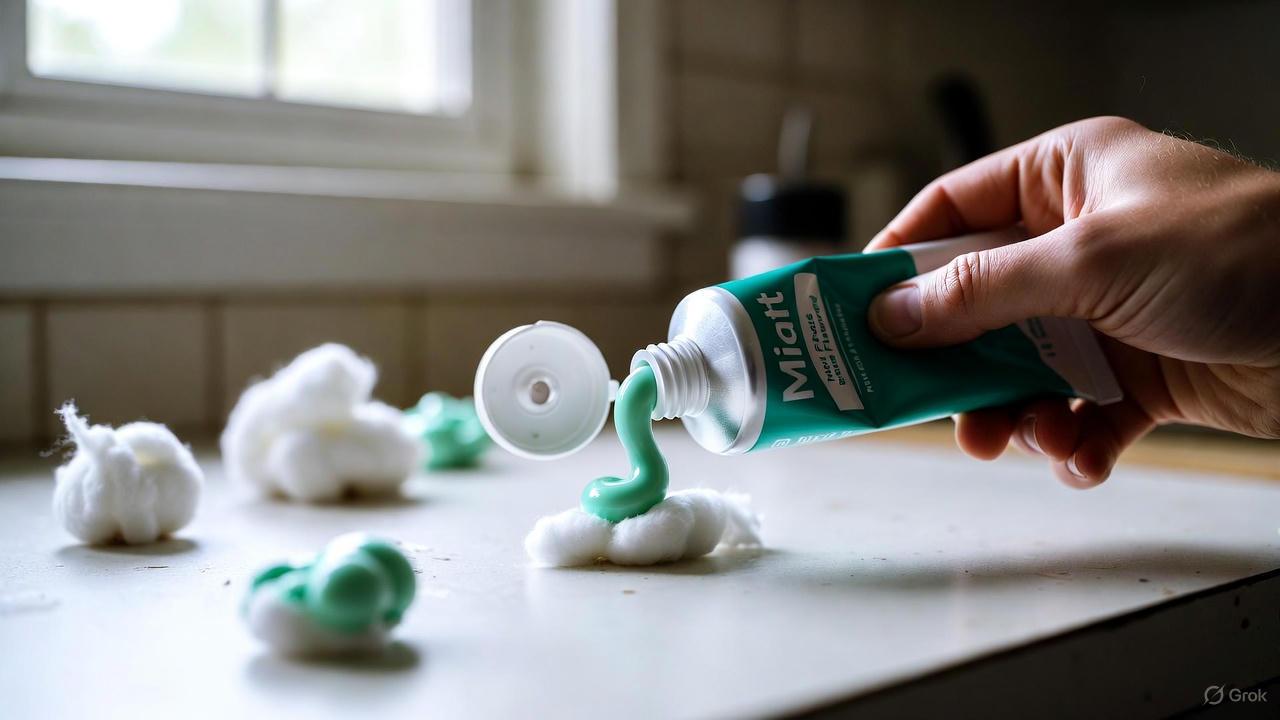
- Apply the toothpaste Squeeze small dots or thin lines of toothpaste directly into cracks, along baseboards, or near entry points. For a less messy option, dab toothpaste onto cotton balls and place them in cabinets, drawers, or along walls.
- Reapply regularly The scent fades over time, so refresh every 3–5 days or after cleaning.
- Combine with prevention This works best alongside good habits like sealing cracks, keeping food in airtight containers, and cleaning up crumbs.
Important tip: Never use toothpaste in areas where pets might lick it, as some ingredients (like fluoride or xylitol) can be harmful to cats and dogs if ingested in large amounts.
Pros and Cons of Using Toothpaste for Pest Deterrence
Here’s a quick comparison to help you decide if this approach is right for you:
| Aspect | Toothpaste Method | Commercial Poisons/Baits |
|---|---|---|
| Cost | Very low (uses what you already have) | Moderate to high |
| Safety | Generally safe if kept away from pets/kids | May pose risks if misused |
| Ease of Use | Simple, no special tools needed | Requires careful placement |
| Effectiveness | Temporary repellent (varies by pest) | Often more targeted and longer-lasting |
| Mess Factor | Can be visible/sticky | Usually discreet |
| Environmental Impact | Low (biodegradable) | Higher (chemicals) |
This method is best as a preventive measure or for minor issues, not severe infestations.
Other Natural Ways to Help Keep Pests at Bay
Toothpaste isn’t the only kitchen-friendly option. Here are a few other popular natural approaches:
- Peppermint oil: Dilute a few drops in water and spray around entry points.
- White vinegar: Wipe surfaces or spray along trails to disrupt ant paths.
- Diatomaceous earth (food-grade): Sprinkle in dry areas to dehydrate crawling insects.
- Cinnamon or cayenne pepper: Dust lightly in corners to deter ants.
- Seal entry points: Use caulk to close small gaps around windows and doors.
Combining several methods often works better than relying on just one.
When to Call a Professional
If you’re seeing a lot of pests, droppings, or damage, toothpaste alone probably won’t solve the problem. Persistent infestations can spread bacteria or trigger allergies. In those cases, a licensed pest control expert can identify the source and provide safe, effective solutions.
Conclusion
Trying mint toothpaste as a natural deterrent is a low-risk, low-cost experiment that many homeowners find helpful for keeping mice, cockroaches, and ants at bay. The strong mint scent may make your home less inviting to these pests, especially when paired with good cleaning and sealing habits. While it’s not a miracle cure, it’s worth a try if you’re looking to reduce chemical use.
Have you tried this trick? Share your experience in the comments below — we’d love to hear what worked for you!
FAQ
Q: Does any toothpaste work, or does it have to be mint-flavored? A: Mint-flavored toothpaste is the most commonly recommended because of its strong scent. Non-mint varieties (like fruity or herbal) likely won’t have the same effect.
Q: How long does it take for toothpaste to repel pests? A: Some people notice fewer pests within a few days, but it depends on the infestation size and how consistently you reapply. It’s usually a gradual deterrent rather than an instant fix.
Q: Is this method safe around children and pets? A: Toothpaste is generally safe for humans, but keep it out of reach of young children and pets. Some ingredients can cause stomach upset if swallowed in large amounts.
Disclaimer: The information in this article is for educational purposes only and is not intended as professional pest control advice. Results vary, and this method may not work for everyone. For serious infestations or health concerns, consult a qualified pest management professional. Always read product labels and exercise caution around children and pets.