Your hands and arms tell a story of everyday life—constant exposure to sun, water, and environmental factors that can lead to dryness, roughness, and uneven tone over time. Many people notice these changes gradually, feeling frustrated as their skin starts to look more tired or textured than it used to. It’s completely understandable; these areas often get overlooked in daily care routines, yet they show visible shifts sooner than other parts of the body.
The frustration builds when lotions alone don’t seem to make much difference, leaving skin feeling dull and less soft. But here’s the encouraging part: a gentle, consistent approach using everyday ingredients can help support hydration and smoother texture. And the best news? There’s a straightforward homemade mixture that’s gained attention for its simplicity—keep reading to discover exactly how it works and why so many find it helpful.
Why Hands and Arms Show Visible Changes First
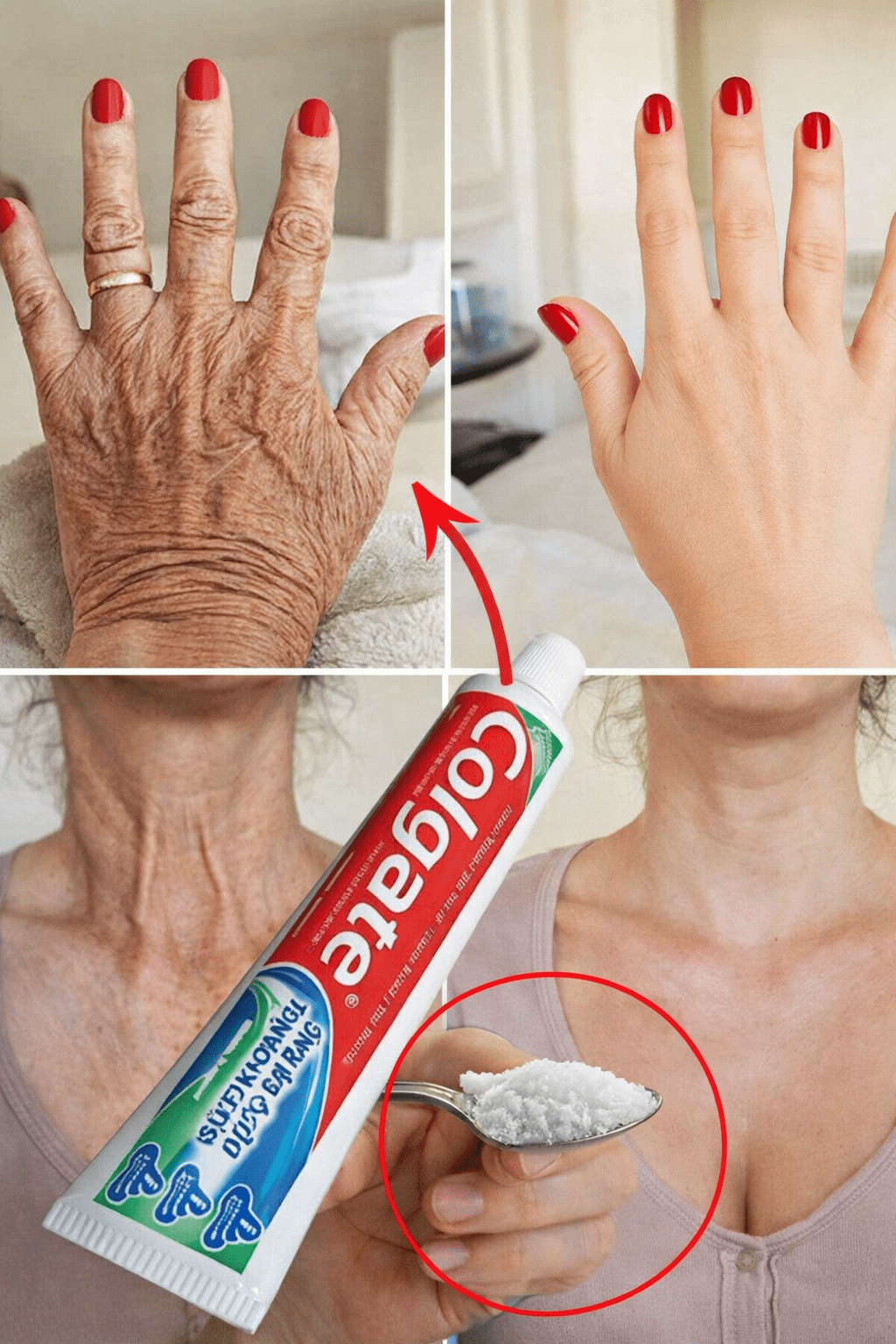
Hands and arms are uniquely exposed. They face daily sun contact, frequent washing, and natural shifts in skin structure as we age.
Research shows that prolonged UV exposure is a primary factor in skin changes on these areas, contributing to dryness and uneven appearance. Loss of moisture and slower cell turnover can make texture feel rougher.
But that’s not all—dryness amplifies the look of fine lines, while buildup of dead cells dulls the overall radiance. Supporting hydration and gentle renewal can make a noticeable difference in how skin feels and looks.
The Power of Gentle Exfoliation and Deep Hydration
This popular at-home method combines two key elements skin benefits from most:
- Hydration: Ingredients that draw in and lock moisture help plump and soften dry areas.
- Gentle exfoliation: Mild physical buffing removes dead cells, promoting a fresher surface.
Studies on physical exfoliants like sugar highlight their ability to smooth texture without harshness, as the granules dissolve naturally during use. Natural oils, such as coconut or olive, are known for their moisturizing fatty acids that support skin barrier function.
When paired, these create a balanced routine that many use to enhance softness and brightness over time.
Common Ingredients for This DIY Approach
Always patch-test on a small area first to check for sensitivity.
- Gentle exfoliant: Granulated sugar (preferred for its humectant properties that attract moisture) or baking soda in small amounts.
- Moisturizing base: A thick hand cream or natural oil like coconut, olive, or aloe vera gel.
- Soothing additions: Honey for its humectant benefits or a few drops of aloe for calming hydration.
These staples are backed by general research on natural moisturizers—coconut oil, for example, helps seal in hydration, while aloe supports soothing effects.
Step-by-Step Guide to Preparing the Mixture
Creating this paste is quick and uses items you likely have at home.
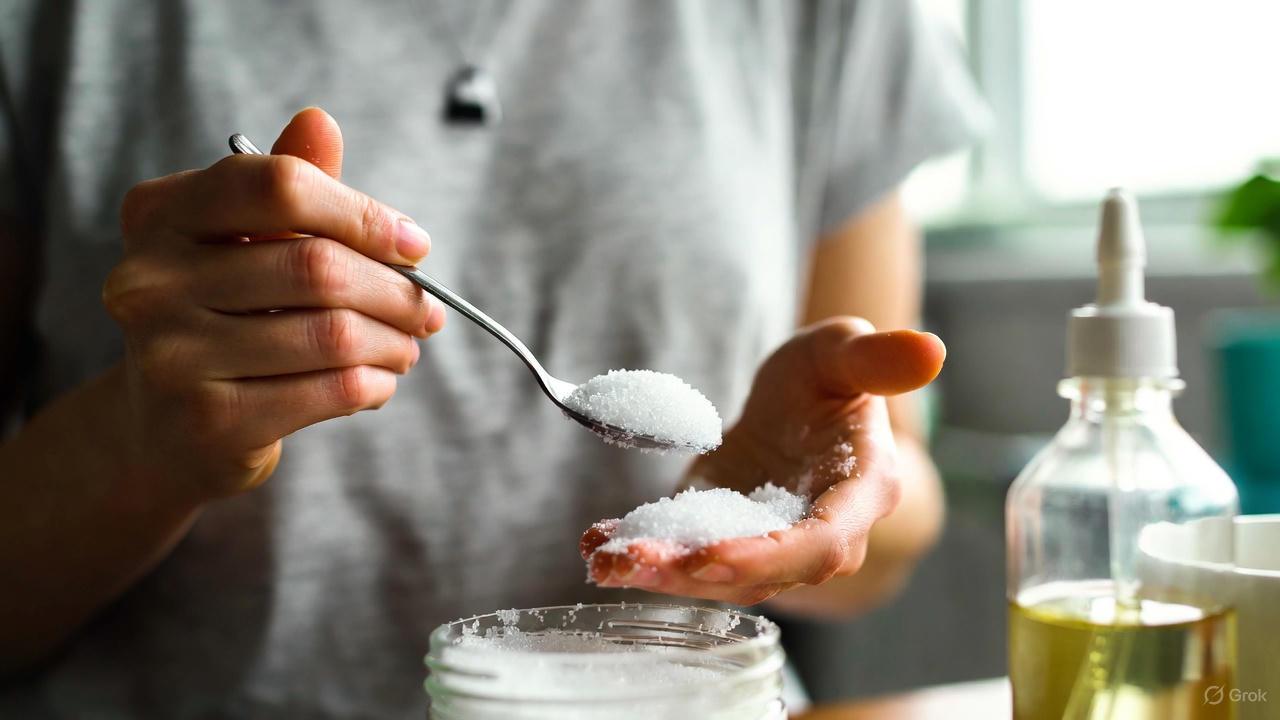
- Start with 1-2 teaspoons of sugar in a small bowl.
- Add 1-2 teaspoons of your chosen moisturizer or oil—mix until it forms a gritty paste.
- Optionally, stir in a teaspoon of aloe vera gel or honey for extra nourishment.
The texture should be spreadable but not too runny. Adjust as needed for comfort.
Here’s a simple comparison of exfoliant options:
| Exfoliant | Texture Feel | Best For | Notes |
|---|---|---|---|
| Sugar | Gentle, dissolving | Dry or sensitive skin | Attracts moisture naturally |
| Baking Soda | Finer, more abrasive | Occasional deep clean | Use sparingly to avoid dryness |
How to Apply It Safely on Hands and Arms
Consistency is key—aim for 2-3 times per week.
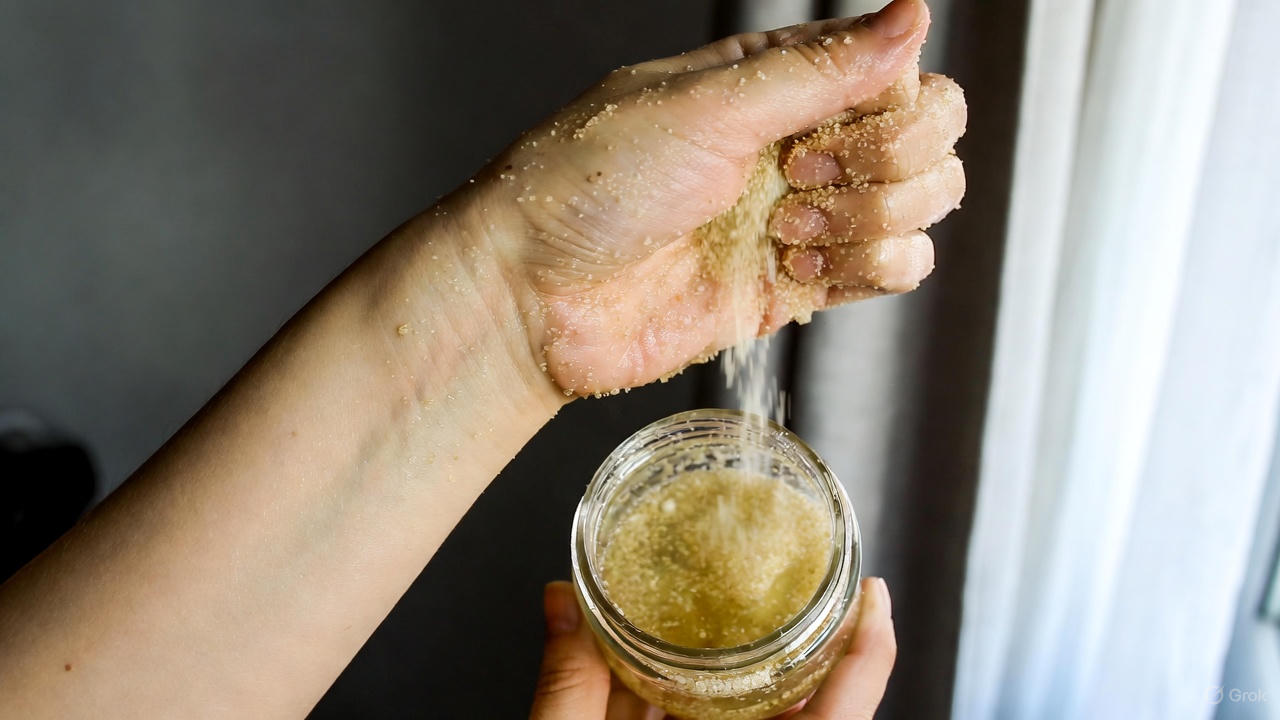
- Cleanse hands and arms with mild soap and lukewarm water.
- Apply the paste in gentle circular motions, focusing on rough or dry spots.
- Massage lightly for 1-2 minutes—avoid vigorous scrubbing.
- Rinse thoroughly with lukewarm water and pat dry.
- Immediately follow with a rich moisturizer to seal in benefits.
Many notice softer texture after a few uses, but results build with regular care.
This isn’t the only step, though…
Everyday Habits to Enhance Results
Pair the routine with these supportive practices:
- Apply broad-spectrum sunscreen daily on hands and arms—UV protection is crucial for preventing further changes.
- Use a nourishing night cream or oil before bed.
- Wear protective gloves during household tasks to shield from harsh soaps.
- Stay hydrated internally by drinking plenty of water.
- Include antioxidant-rich foods like berries or citrus for overall skin support.
Research emphasizes that daily sun protection and hydration habits play a major role in maintaining even, healthy-looking skin.
Important Safety Tips and Precautions
While gentle, this approach isn’t for everyone.
- Always patch-test 24 hours before full use.
- Avoid if you have open cuts, eczema, or very sensitive skin.
- Stop if irritation occurs and consult a dermatologist.
- Baking soda can be drying for some—opt for sugar if concerned.
- Never use on the face without professional advice, as hand skin is thicker.
These methods support appearance but aren’t medical treatments.
Frequently Asked Questions
How often should I use this mixture?
2-3 times per week is ideal. Overuse can lead to dryness, so listen to your skin.
Can this help with very dry, cracked skin?
It may support softness through hydration, but severe cracking needs professional care—see a doctor for persistent issues.
Will results happen overnight?
No, consistent use over weeks or months, combined with sun protection, yields the best improvements in texture and tone.
Final Thoughts
Supporting the skin on your hands and arms doesn’t require complex routines—just gentle, regular care with hydration and mild exfoliation. Many find this simple mixture a helpful addition, leading to noticeably softer, more radiant results over time.
Remember, individual skin varies, and these tips are for general wellness.
Disclaimer: This information is for educational purposes only and not medical advice. Consult a healthcare professional before trying new routines, especially if you have skin conditions or concerns. Results may vary, and these methods do not diagnose, treat, or prevent any disease.