Many women experience small changes in their breasts from time to time and assume they’re just part of normal hormonal fluctuations or daily stress. It’s easy to push those worries aside when life feels busy, hoping everything will return to normal on its own. Yet some of these subtle shifts can be important early signals from your body asking for attention. Recognizing them promptly can make a real difference in health outcomes.
The good news is that awareness truly empowers you. In this guide, you’ll discover the key signs experts recommend watching for—and one in particular that often means the condition may already be advancing. Keep reading to the end for a simple monthly habit that can help you stay ahead.
Why Paying Attention to Breast Changes Matters
Breast cancer is one of the most common cancers worldwide, but when noticed early—before it spreads—the chances of successful management are extremely high. Research from the American Cancer Society shows that the 5-year relative survival rate approaches 99% for localized cases.
Early awareness helps shift detection to these favorable stages. Studies consistently demonstrate that knowing your body and acting quickly leads to better results with less intensive interventions.
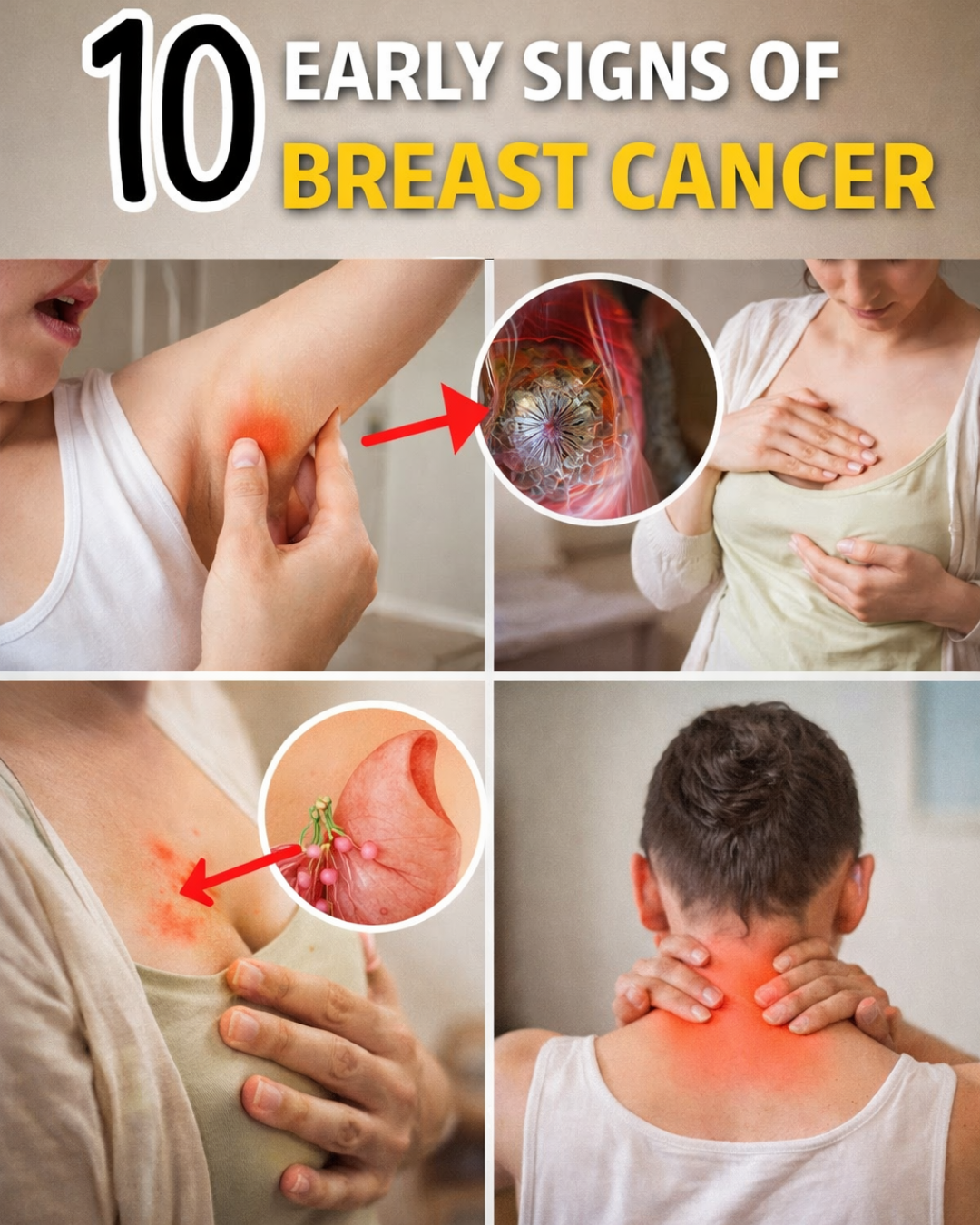
10 Important Warning Signs to Watch For
Here are the signs that medical experts encourage everyone—women and men—to take seriously.
10. Unexpected Changes in Breast Size or Shape
A noticeable difference in the size or contour of one breast, without an obvious reason like weight change or pregnancy, deserves attention.
These shifts can happen when underlying tissue changes affect the breast’s structure. They sometimes appear before anything else is felt.
Look for:
- Changes affecting only one side
- Persistence beyond a couple of weeks
- No clear link to your menstrual cycle
A helpful habit: Take monthly photos in the same pose and lighting to spot subtle differences over time.
9. Skin Dimpling or Texture Changes
Skin that starts to look puckered or resembles orange peel (called peau d’orange) is worth noting.
This texture change can occur when lymphatic channels beneath the skin become affected, pulling the surface inward.
Simple ways to check:
- Stand with arms relaxed, then raise them overhead
- Press hands on hips to tense chest muscles
- Gently examine the skin’s smoothness
Any new dimpling should prompt a conversation with your doctor.
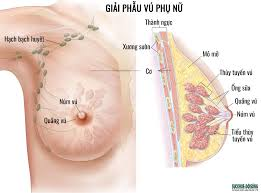
8. Ongoing Itching, Redness, or Warmth
Itching or redness that lingers for weeks—especially with warmth or swelling—isn’t always a simple skin irritation.
In some cases, these symptoms point to inflammatory breast cancer, a less common but faster-moving type.
Key differences to notice:
- Normal irritation usually improves quickly
- Persistent symptoms may worsen over time
- Lack of response to usual remedies raises concern
Rapid changes like these call for prompt medical review.
7. A Firm Lump or Thickened Area
A hard, irregular lump that feels attached to surrounding tissue is a classic reason to seek evaluation.
Cancer-related lumps often feel different from benign ones:
| Feature | Possible Cancer Sign | Common Benign Finding |
|---|---|---|
| Shape | Irregular edges | Smooth, round |
| Mobility | Fixed in place | Moves easily |
| Pain | Usually painless | Often tender |
| Growth pattern | May increase over time | Stays stable |
Men should check too—changes often appear near the nipple area.
6. Breast or Nipple Pain That Doesn’t Go Away
Most breast discomfort is harmless and cyclical, but constant pain in one specific area warrants attention.
Watch for pain that:
- Affects only one breast
- Remains steady rather than coming and going
- Feels deep or focused
When pain accompanies other changes, the concern level rises.
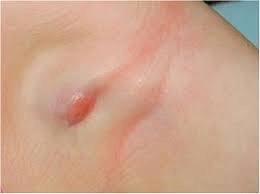
5. Swelling in the Breast or Underarm Area
Sometimes swelling occurs without a distinct lump, either in the breast itself or in nearby lymph nodes.
This can happen when normal lymph drainage is affected.
Quick self-check steps:
- Raise one arm overhead
- Use the opposite hand to gently feel the underarm area
- Check front, sides, and back for firm or enlarged nodes
Unexplained swelling deserves professional assessment.
4. New Nipple Retraction or Turning Inward
A nipple that suddenly pulls inward—especially if it used to point outward—should not be overlooked.
This change can result from tissue pulling from behind the nipple.
Higher concern arises when:
- The change is recent
- Only one side is affected
- Other symptoms appear together
Long-standing inversion present since puberty is usually normal.
3. Redness, Flaking, or Thickening Around the Nipple
Persistent scaling, redness, or crusting of the nipple or areola may signal Paget’s disease, a rare form linked to underlying breast changes.
These symptoms can mimic eczema but typically don’t improve with usual skin treatments.
Early evaluation often leads to favorable outcomes.
2. Unusual Nipple Discharge
Any spontaneous discharge unrelated to breastfeeding or pregnancy should be checked—especially if it appears on its own.
Levels of concern increase with:
- Bloody appearance
- Clear or colored fluid from one side only
- Discharge without squeezing
Bloody discharge in particular needs prompt medical review.
1. Swollen Lymph Nodes Under the Arm or Above the Collarbone
Enlarged, firm nodes in these areas can indicate spread beyond the breast—one of the most urgent signs on this list.
When combined with any breast change, this combination calls for immediate attention.
Survival rates remain highest when changes are addressed before node involvement.
Your Simple Monthly Breast Awareness Routine
You can take proactive steps starting today:
- Choose a consistent day each month (e.g., the first day of your cycle or the 1st of the month).
- Examine in good lighting—standing and lying down.
- Look for visual changes in size, shape, and skin.
- Gently feel all areas of both breasts and underarms using light, medium, and firm pressure in circular motions.
- Note anything new or different in a journal or phone app.
Consistency makes changes easier to spot over time.
Who Should Be Extra Vigilant?
Certain factors increase monitoring importance:
- Age 40 and older
- Family history of breast or ovarian cancer
- Known genetic changes (such as BRCA)
- Dense breast tissue on prior mammograms
Discuss your personal risk with your healthcare provider to tailor screening recommendations.
When to Seek Medical Care Right Away
Contact your doctor promptly if you notice:
- Bloody discharge combined with a lump
- Rapid redness, warmth, and swelling of the entire breast
- A fixed lump with underarm node changes
Trust your instincts—better to check and feel reassured.
Final Thoughts: Knowledge Gives You Control
Understanding these 10 warning signs places power back in your hands. Listening to your body and acting early turns uncertainty into confidence and supports the best possible health journey.
Share this information with loved ones, schedule regular check-ups, and make breast awareness a natural part of your routine. Small consistent actions today can make a big difference tomorrow.
Frequently Asked Questions
At what age should routine mammograms begin?
Most guidelines recommend starting annual mammograms at age 40 for average-risk individuals, with earlier screening for those with higher risk factors.
Can men develop breast cancer?
Yes, though less common. Men account for about 1% of cases, and the same awareness principles apply.
Are all breast lumps cancerous?
No—most lumps turn out to be benign. However, any new, persistent, or changing lump should always be evaluated by a healthcare professional.
Disclaimer: This article is for informational purposes only and is not a substitute for professional medical advice, diagnosis, or treatment. Always consult a qualified healthcare provider with any concerns about breast changes or health symptoms. Regular screenings according to guideline recommendations remain essential for early detection.