Picture this: You’re grabbing your coffee mug in the morning, and suddenly one nail catches and splits right down the edge. It stings a little, looks uneven, and makes your hands feel less polished than you’d like. These moments add up, especially when brittle nails become a regular frustration that affects simple daily tasks. The good news is that many people experience this, and often it’s linked to everyday factors your body is highlighting.
But what if understanding these signals could help you make small adjustments for healthier nails? Keep reading to uncover the common reasons—and some surprising insights that might change how you care for them.
What Causes Nails to Become Brittle and Split?
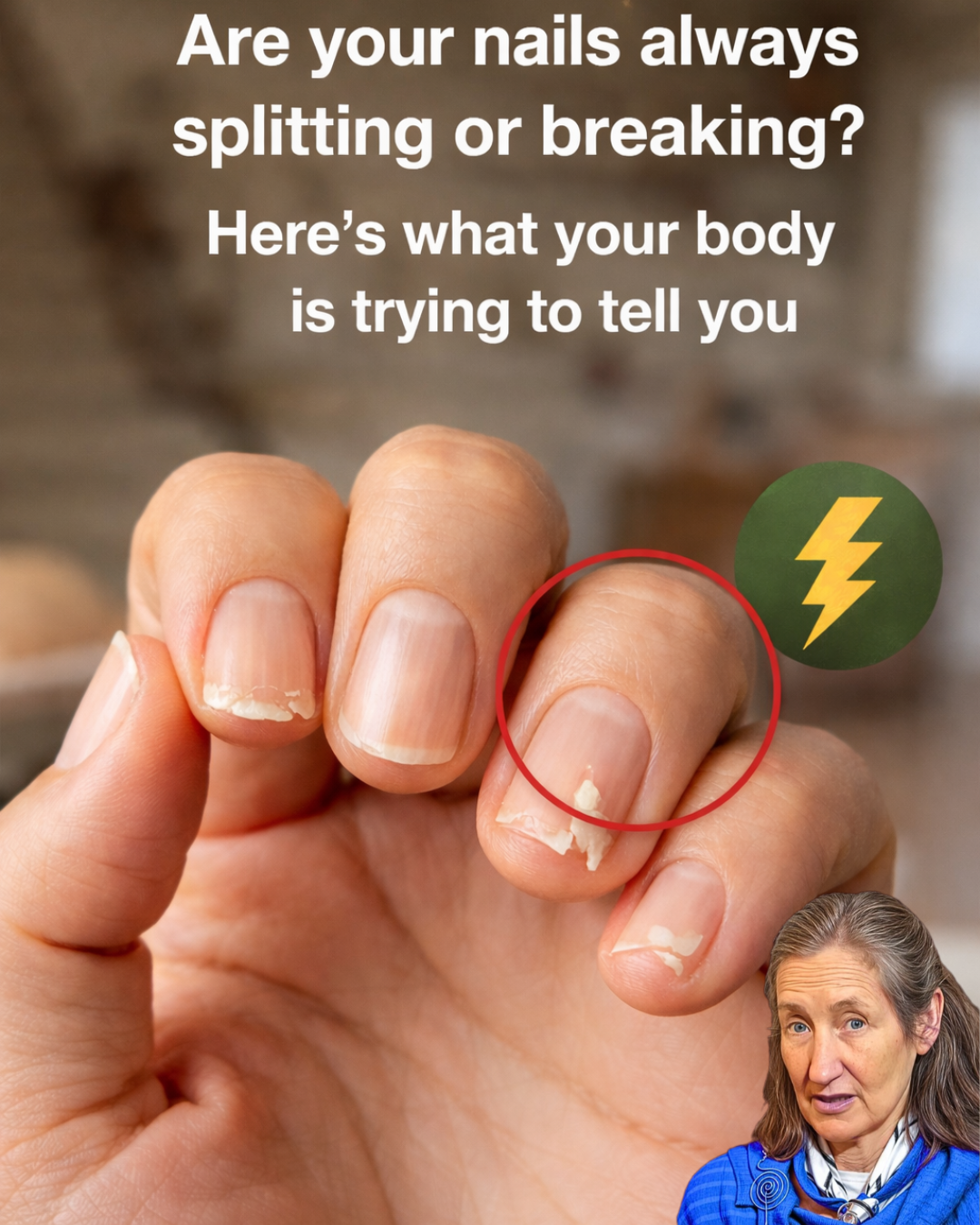
Brittle nails, sometimes called onychoschizia, are more common than you might think. Research shows they affect around 20% of the population, particularly women.
The main issue? Nails lose moisture and flexibility, leading to layering, peeling, or easy breakage.
Everyday exposure plays a big role here.
Frequent contact with water or harsh chemicals strips away natural oils. This drying effect makes nails prone to splitting over time.
But that’s not the only factor. Let’s dive deeper.
Everyday Habits That Can Weaken Your Nails
Think about how often your hands get wet—washing dishes, cleaning, or even frequent hand sanitizing.
Each wet-dry cycle causes nails to expand and contract, weakening their structure.
Cold weather or low humidity can make this worse by pulling even more moisture out.
Harsh nail products, like acetone-based removers, add to the problem.
Many people notice improvement simply by adjusting these routines.
Here’s the interesting part: small protective steps can make a noticeable difference.
How Aging and Lifestyle Affect Nail Strength
As we age, nails naturally grow slower and become less flexible.
You might see more ridges or thinning, which is common after 50.
Longer nails or frequent use of gel polishes and extensions can add extra stress.
Lifestyle factors like stress or poor sleep might indirectly play a role too.
The truth is, these changes are often normal—but supporting your nails can help maintain their strength.
Nutritional Factors That Influence Nail Health
Your nails rely on certain nutrients to build strong keratin.
For example, low iron levels are linked to brittle nails in some studies.
This is especially noted in cases where people feel unusually tired.
B vitamins, particularly biotin (vitamin B7), support keratin production.
Some research suggests higher biotin intake may help with brittleness, though results vary.
Zinc, protein, and healthy fats also contribute.
A balanced diet rich in whole foods usually provides what you need.
But gaps in nutrition can show up in your nails over months.
Wondering how to spot if this applies to you? The signs often build gradually.
Less Common Health Factors to Keep in Mind
In some situations, brittle nails appear alongside other changes.
For instance, thyroid function can influence nail dryness and fragility.
Studies show hypothyroidism is sometimes associated with brittle nails, along with fatigue or sensitivity to cold.
Poor circulation or skin conditions like psoriasis may contribute too.
Certain medications can have side effects on nails.
These are less frequent causes, but worth noting if other symptoms are present.
Most often, though, the roots are in daily habits or nutrition.
Real-Life Examples of Nail Improvements
Take Sarah, a 55-year-old teacher who struggled with splitting nails for years.
She frequently washed her hands and did chores without protection.
After starting to wear gloves and applying moisturizer regularly, she saw stronger growth within a few months.
Or consider John, who noticed brittleness along with low energy.
Simple dietary adjustments and hydration helped him feel better overall, including in his nails.
These stories show how targeted changes can add up.
Practical Steps to Help Support Stronger Nails
Ready for actionable ideas you can start today?
Here are some evidence-based habits that many find helpful:
- Protect your hands: Wear cotton-lined gloves during wet chores or cleaning to limit moisture loss.
- Moisturize consistently: Apply a gentle hand cream or cuticle oil after washing hands—focus on nails and cuticles.
- File gently: Shape nails in one direction with a soft file to avoid weakening edges.
- Keep them shorter: Shorter lengths experience less stress and breakage.
- Stay hydrated: Drink plenty of water daily to support overall moisture levels.
These steps are simple but effective for most people.
Quick Comparison of Common Nail-Supporting Approaches
| Approach | How It Helps | Easy Tips to Start |
|---|---|---|
| Protective Gloves | Reduces repeated wetting and drying | Use cotton-lined ones for dishes |
| Daily Moisturizing | Locks in natural oils | Apply after every hand wash |
| Nutrient-Rich Foods | Provides building blocks for keratin | Add eggs, nuts, salmon, and greens |
| Gentle Nail Care | Prevents mechanical damage | Avoid metal files and harsh removers |
Pick one or two to try first—consistency matters most.
Step-by-Step Routine for Daily Nail Care
Want a simple routine? Try this:
- Morning: After washing, pat hands dry thoroughly and apply moisturizer.
- During chores: Put on gloves before starting.
- Evening: Massage a drop of oil into each cuticle.
- Weekly: Gently file any rough edges in one direction.
- Ongoing: Include protein and colorful veggies in meals.
Most people notice changes in 4–8 weeks with regular care.
When to Consult a Healthcare Professional
If brittle nails persist despite habit changes, or if you notice discoloration, pain, or swelling, it’s wise to see a doctor.
They can help identify any underlying factors.
The same goes if you have accompanying symptoms like ongoing fatigue or hair changes.
Early check-ins often bring peace of mind.
Final Thoughts: Small Changes for Healthier Nails
Your nails can reflect daily habits, nutrition, and overall wellness.
By protecting them from excess moisture, keeping them moisturized, and supporting good nutrition, many people enjoy stronger, smoother nails.
Start with one habit today—you might be surprised how quickly things improve.
And remember: healthier nails often come with feeling better overall.
Frequently Asked Questions
How long does it take to see stronger nails after making changes?
Most people notice improvements in 4–12 weeks, as nails grow slowly (about 3mm per month).
Can diet alone fix brittle nails?
A balanced diet helps a lot, but combining it with protective habits and moisturizing usually gives the best results.
Are biotin supplements always helpful for splitting nails?
Some studies show benefits for certain people, but it’s best to talk with a doctor before starting any supplement.
This article is for informational purposes only and is not a substitute for professional medical advice. Please consult your healthcare provider for personalized guidance.