Many adults experience occasional leg heaviness, swelling, or fatigue after long periods of sitting or standing. These discomforts often stem from everyday factors like prolonged inactivity or age-related changes in blood flow. What if simple, natural herbs could gently support your body’s own mechanisms for maintaining smooth circulation and strong veins?
The good news is that certain herbs have been studied for their potential to promote better blood flow and vein health. Keep reading to explore seven well-researched options—and uncover practical tips to incorporate them safely into your routine.
Why Supporting Circulation and Vein Health Matters as We Age
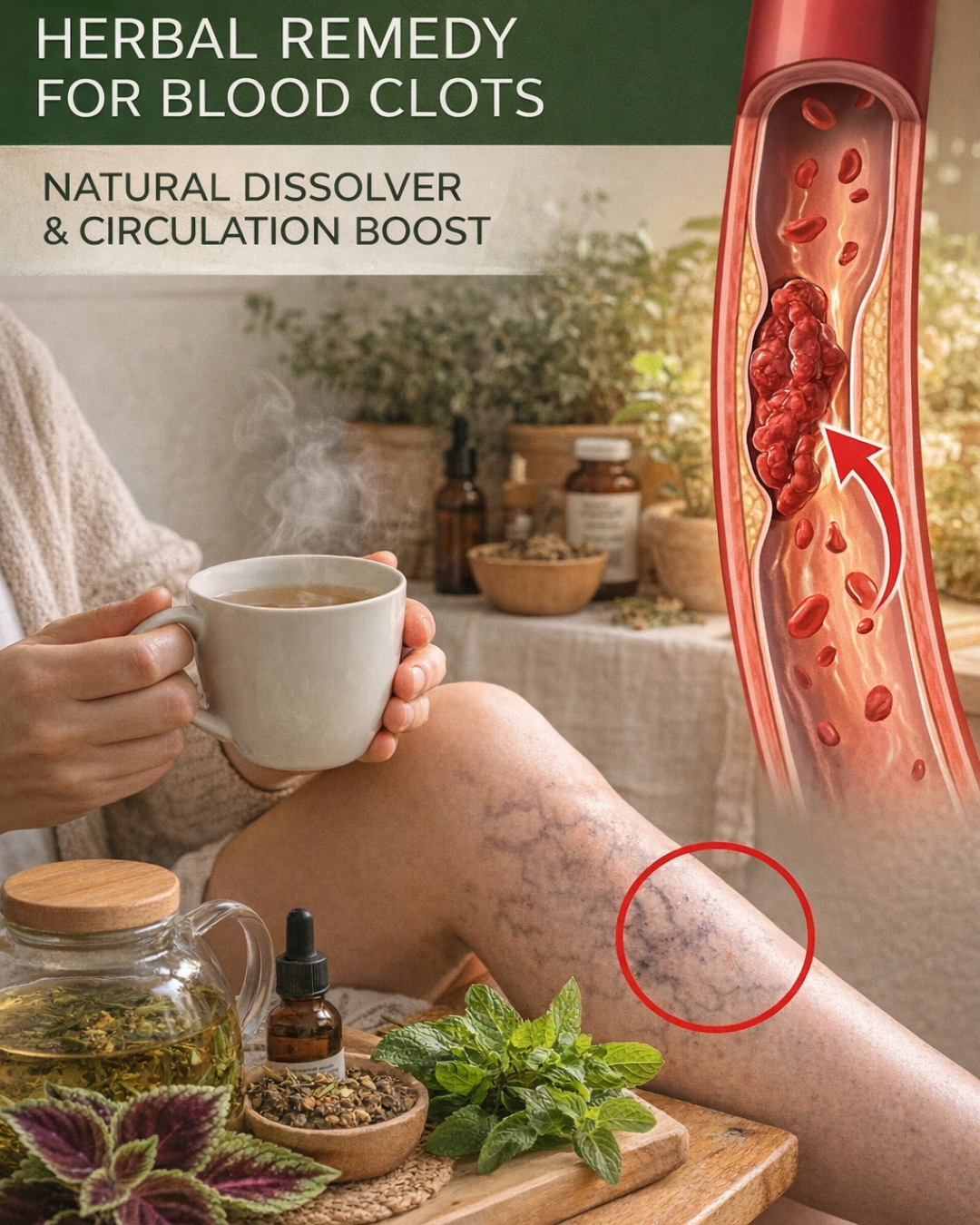
As we get older, blood vessels naturally lose some elasticity, and circulation can slow down. This might lead to feelings of tiredness in the legs or mild puffiness around the ankles.
According to estimates, venous thromboembolism (including deep vein issues) affects hundreds of thousands of Americans annually, with risks increasing after age 45. Factors like extended sitting, travel, or recovery from illness can play a role.
While lifestyle habits like movement and hydration are key, research suggests some herbs may offer supportive benefits by promoting healthy blood flow, reducing inflammation, or strengthening vein walls.
But that’s just the beginning…
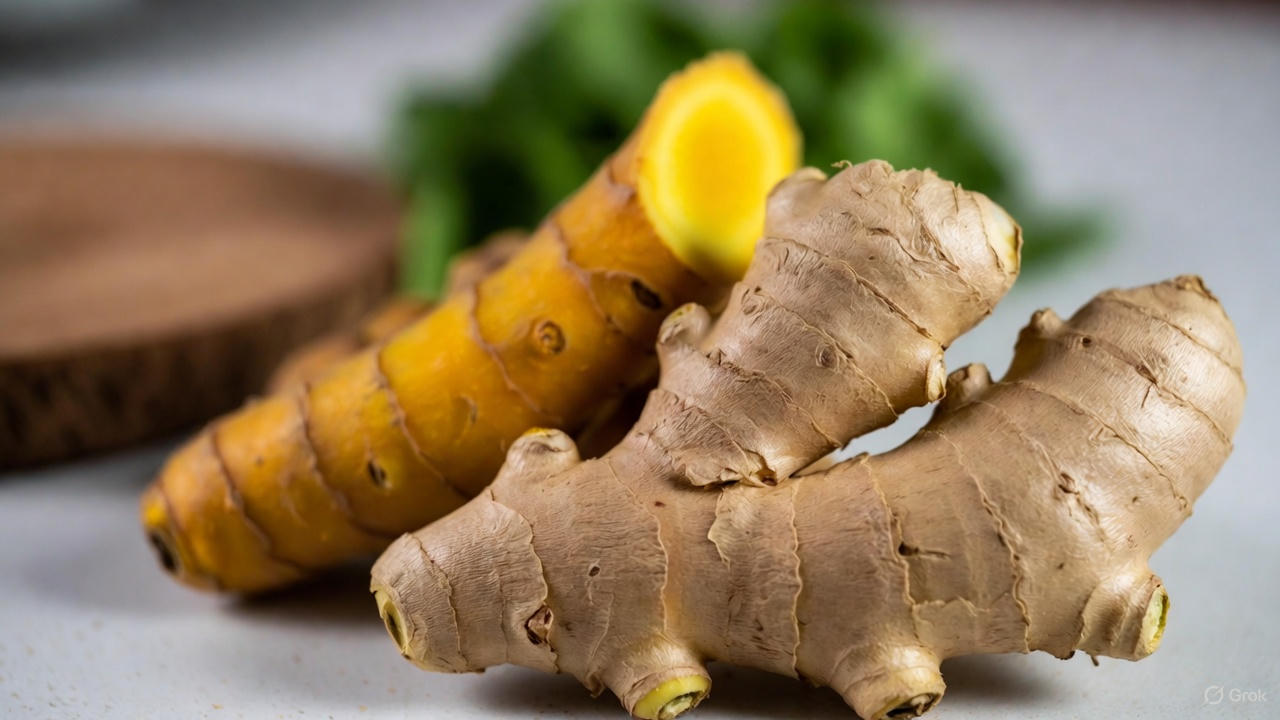
Herb #1: Ginger – A Warming Root for Everyday Circulation Support
Ginger has been used for centuries in teas and meals. Its active compounds, like gingerol, show promise in lab and human studies for supporting microcirculation and reducing platelet stickiness.
Research indicates ginger may help maintain normal blood flow and ease inflammation. One review of clinical trials found mixed but positive effects on platelet function, especially at higher doses.
Try fresh ginger in hot water for a simple daily ritual. Many people notice a gentle warming sensation that feels comforting in the legs.
Herb #2: Turmeric (Curcumin) – The Bright Spice for Vein and Vessel Health
Turmeric’s golden color comes from curcumin, a compound studied extensively for its anti-inflammatory properties.
Multiple reviews suggest curcumin may support healthy platelet activity and reduce oxidative stress on blood vessels. Animal and some human studies point to potential benefits for maintaining normal coagulation balance.
Pair turmeric with a pinch of black pepper to enhance absorption—perfect in soups or golden milk.
This is one of the most researched herbs for overall vascular support…
Herb #3: Garlic – Nature’s Ally for Smooth Blood Flow
Garlic’s sulfur compounds, especially allicin, are linked to mild blood-thinning effects in studies.
Research shows garlic may help inhibit platelet aggregation and support arterial flexibility. Regular intake has been associated with better circulation markers in some trials.
Fresh crushed garlic releases the most active compounds. Add it to meals for flavor and potential benefits.
Herb #4: Cayenne Pepper – The Spicy Booster for Vessel Dilation
Capsaicin in cayenne gives it heat—and may help widen blood vessels for improved flow.
Studies suggest capsaicin activates receptors that promote vasodilation and better microcirculation. It’s often used traditionally to support warmth in extremities.
Start small: a dash in food or capsules for those who prefer milder options.
Momentum is building with these first four…
Herb #5: Horse Chestnut – Targeted Support for Vein Tone
Horse chestnut seed extract, rich in aescin, is one of the best-studied herbs for venous health.
Cochrane reviews of multiple trials conclude it probably reduces leg volume, swelling, and discomfort in chronic venous insufficiency. It appears to strengthen vein walls and reduce capillary permeability.
Standardized extracts are commonly used—look for products with 50-150 mg aescin daily.
Herb #6: Butcher’s Broom – Traditional Help for Venous Strength
Butcher’s broom contains ruscogenins, compounds that may constrict veins gently and reduce swelling.
Small clinical studies show it helps with leg heaviness and circulation issues, often combined with other herbs.
It’s a classic European remedy for supporting lower limb comfort.
Herb #7: Nattokinase – An Enzyme from Fermented Soy
Derived from natto, nattokinase is an enzyme researched for fibrinolytic activity.
Human and animal studies suggest it supports the breakdown of fibrin, a protein involved in clotting, potentially aiding normal blood flow.
Doses around 100-200 mg daily are common in research.
You’ve now discovered all seven—here’s how they compare:
| Herb | Key Compound(s) | Potential Benefits Supported by Research | Common Form |
|---|---|---|---|
| Ginger | Gingerol | Microcirculation, anti-inflammatory | Fresh, tea, capsules |
| Turmeric | Curcumin | Platelet support, vessel health | Powder, extracts |
| Garlic | Allicin | Platelet inhibition, flow enhancement | Fresh, aged extracts |
| Cayenne | Capsaicin | Vessel dilation, warmth | Spice, capsules |
| Horse Chestnut | Aescin | Vein strength, reduced swelling | Standardized extract |
| Butcher’s Broom | Ruscogenins | Venous tone, leg comfort | Capsules |
| Nattokinase | Enzyme | Fibrin breakdown, circulation support | Supplements |
Practical Ways to Incorporate These Herbs Safely
Start gradually to see how your body responds:
- Daily Tea Blend: Combine ginger, turmeric, and a dash of cayenne for a warming drink.
- Meal Boosters: Add fresh garlic or turmeric to dinners.
- Supplements: Choose standardized products for horse chestnut, butcher’s broom, or nattokinase.
Aim for consistency over weeks or months. Pair with habits like short walks, leg elevation, and staying hydrated.
Research shows combining herbs with movement yields the best results.
Common Questions About Herbs for Circulation
Are these herbs safe for everyone?
Most are well-tolerated in food amounts, but supplements can interact with medications (especially blood thinners). Always check with your doctor first.
How long until I notice benefits?
Studies often show changes in 4-12 weeks with regular use.
Can I use them alongside compression stockings?
Yes—many trials combine herbs with standard supportive measures for enhanced comfort.
Final Thoughts: Small Steps for Lasting Leg Comfort
These seven herbs offer natural ways to support your body’s circulation and vein health, backed by decades of research and traditional use.
By starting with one or two that appeal to you—and building from there—you may find your legs feeling lighter and more energized.
Remember, herbs work best as part of a balanced approach including activity and nutrition.
Disclaimer: This article is for informational purposes only and is not intended to diagnose, treat, cure, or prevent any disease. Always consult your healthcare provider before starting new herbs or supplements, especially if you have health conditions or take medications.