Many people reach for familiar spices in their kitchen without realizing the natural compounds they offer for daily comfort. Cloves, those small dried flower buds with a warm, aromatic scent, have been part of traditional wellness practices for centuries. Yet in our busy lives, it’s easy to overlook simple habits that might help us feel more energized and balanced throughout the day.
The frustration builds when minor discomforts—like occasional digestive unease or seasonal sniffles—disrupt our routine, leaving us searching for gentle ways to feel better. And while modern options abound, turning to something as straightforward as a warm cup of tea can feel reassuring, especially when it’s rooted in time-tested ingredients.
That’s where clove tea comes in as a soothing addition to your day. Research shows cloves are rich in antioxidants, including eugenol, which studies suggest may support the body’s natural defenses and overall well-being. But there’s more to explore about how this humble spice might fit into your lifestyle—and a few creative twists that could make it even more enjoyable. Keep reading to uncover practical tips you’ll want to try right away.

What Makes Cloves Special for Wellness
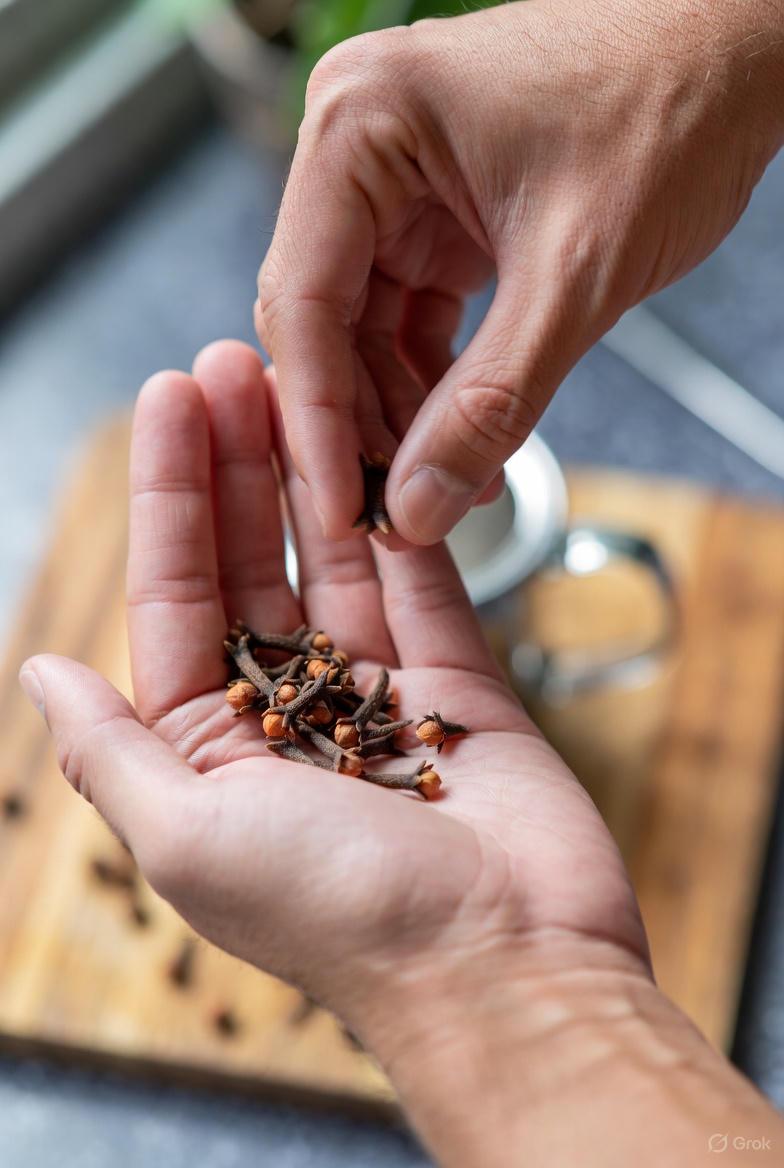
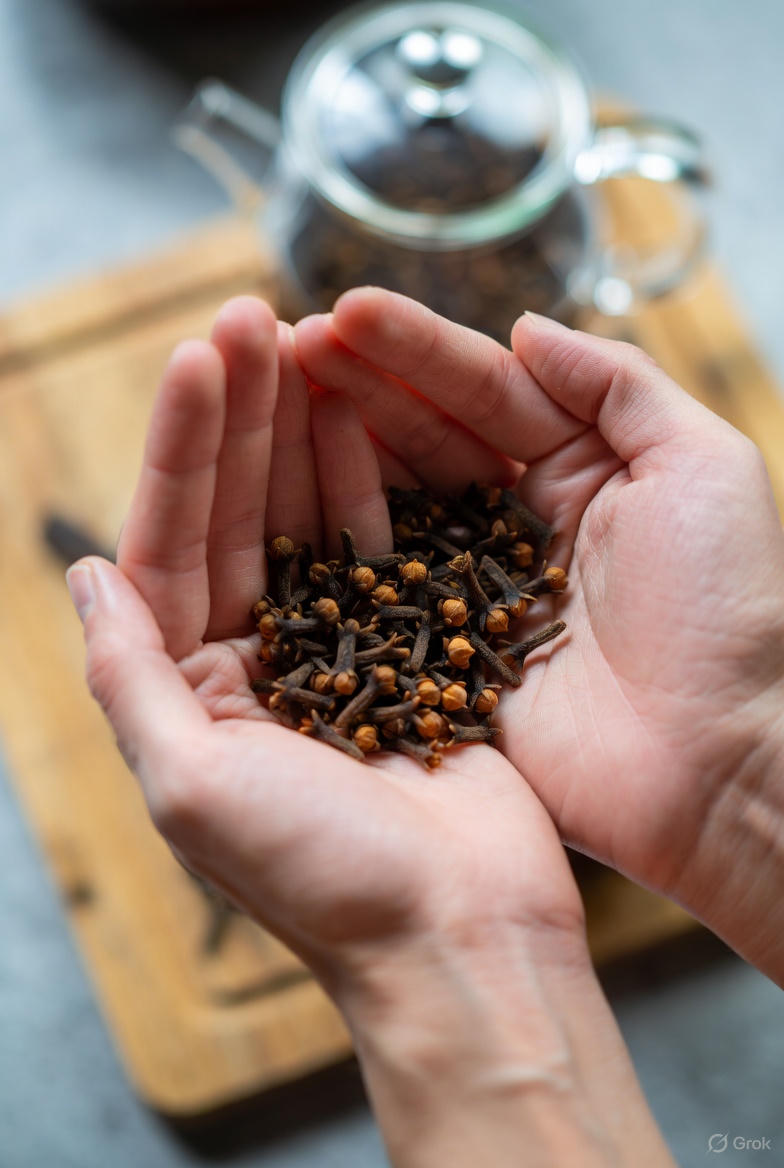
Cloves pack a surprising amount of beneficial compounds into their tiny form. The key player is eugenol, a natural oil that gives cloves their distinctive aroma.
Studies, including those reviewed by Healthline and Cleveland Clinic, highlight cloves’ high antioxidant content. Antioxidants help combat oxidative stress in the body, which plays a role in everyday vitality.
Cloves also contain manganese, a mineral important for bone health and metabolism, along with small amounts of vitamin K and fiber.
But that’s not all—preliminary research points to anti-inflammatory properties that may contribute to feeling more comfortable during active days.
This combination makes cloves a versatile spice worth considering for routine support.
Simple Steps to Brew the Perfect Clove Tea at Home
Making clove tea is straightforward and requires just a few ingredients you likely have on hand.
Here’s an easy, actionable recipe to get started:
- Ingredients (for 1 cup):
- 4-6 whole cloves (or ½ teaspoon ground cloves)
- 1 cup water
- Optional: Honey, lemon, or a cinnamon stick for flavor
- Instructions:
- Lightly crush the whole cloves with a mortar and pestle or the back of a spoon—this releases more flavor.
- Bring the water to a boil in a small pot or kettle.
- Add the crushed cloves (and any extras like cinnamon).
- Reduce heat and simmer for 5-10 minutes.
- Strain into a mug, add honey or lemon if desired, and enjoy warm.
Sip it plain for a bold spice kick, or blend with green tea for added antioxidants.
This basic method takes under 15 minutes and can become a relaxing ritual morning or evening.
Ways Clove Tea May Support Digestive Comfort
Feeling bloated or sluggish after meals is common, and many turn to natural options for relief.
Cloves have traditionally been used to ease digestive discomfort. The compounds in cloves, like eugenol, may help relax the digestive tract lining, according to some studies.
Here are some potential benefits:
- Promotes smoother digestion by stimulating enzyme production
- Reduces occasional gas and bloating
- Supports overall gut comfort after eating
Drinking a cup after meals could become a gentle habit.
Research from sources like WebMD notes cloves’ role in traditional remedies for indigestion.
Pair it with mindful eating for even better results.
How Cloves Contribute to Oral Freshness and Comfort
Cloves have long been a go-to for oral care in many cultures.
Their natural antimicrobial properties may help maintain a healthier mouth environment.
Potential supports include:
- Freshening breath naturally
- Soothing minor gum discomfort
- Supporting plaque control when used as a rinse
A simple clove tea rinse (cooled) can be swished gently.
Studies, such as those in the Journal of Indian Society of Periodontology, suggest herbal mouthwashes with cloves improve gum health.
Chewing a single clove post-meal is another easy tip.
Antioxidant Boost: Protecting Cells Daily
Free radicals from daily life can build up, but antioxidants help balance them.
Cloves rank high in antioxidant power—one of the highest among spices, per some rankings.
This may support:
- Cellular health over time
- Immune system function
- General vitality
Regular small amounts, like in tea, add up.
Evidence from Medical News Today highlights cloves’ impressive antioxidant levels compared to other foods.
Combine with a varied diet for optimal effect.
Supporting Respiratory Ease During Seasonal Changes
When seasons shift, many seek ways to breathe easier.
Cloves’ warming nature and expectorant qualities have been used traditionally for respiratory support.
They may help:
- Clear occasional congestion
- Soothe irritated airways
- Provide comforting steam when inhaled from hot tea
Add ginger for extra warmth.
Some research points to anti-inflammatory effects benefiting airways.
This makes clove tea a cozy choice on cooler days.
Potential Role in Skin Glow and Circulation
Healthy circulation delivers nutrients where needed, including to the skin.
Cloves’ compounds may promote better blood flow, per traditional uses.
For skin:
- Antioxidants combat daily stressors
- Anti-inflammatory properties soothe minor irritations
- Topical diluted clove water as a toner (test patch first)
Improved circulation could mean warmer hands and feet too.
Studies suggest eugenol supports vascular health indirectly.
Drink regularly and notice subtle changes.
Here’s a quick comparison of clove tea variations:
| Variation | Key Add-In | Best For | Flavor Profile |
|---|---|---|---|
| Classic Clove | None | Pure spice experience | Bold, warming |
| Lemon Clove | Fresh lemon | Immune support | Bright, tangy |
| Honey Ginger Clove | Honey + ginger | Digestive comfort | Sweet, spicy |
| Cinnamon Clove | Cinnamon stick | Circulation boost | Cozy, festive |
Experiment to find your favorite.
Additional Everyday Tips for Using Cloves
Beyond tea, incorporate cloves creatively:
- Add ground cloves to oatmeal or smoothies
- Stud an orange with whole cloves for a natural air freshener
- Mix into homemade spice blends for cooking
Start small—1-2 cloves daily—to see how your body responds.
Consistency matters more than quantity.
Conclusion: A Small Habit with Potential Big Rewards
Adding clove tea to your routine offers a simple, aromatic way to support daily wellness. From digestive ease to antioxidant protection, the natural compounds in cloves provide gentle backing for feeling your best.
Many find it a comforting ritual that fits seamlessly into busy days.
Try brewing a cup tonight and see how it feels.
Frequently Asked Questions
How often can I drink clove tea?
Most people enjoy 1-2 cups daily without issues. Start with one and listen to your body.
Can I drink clove tea on an empty stomach?
Yes, some do for a morning boost, but if sensitive, have it with food.
Is clove tea safe during pregnancy?
In small culinary amounts, yes—but consult your doctor for personalized advice.
Disclaimer: This article is for informational purposes only and not medical advice. Cloves may support wellness through their natural properties, but they do not diagnose, treat, or prevent any condition. Always consult a healthcare professional before adding new habits, especially if you have health concerns or take medications.