In today’s fast-paced world, many people feel constantly drained, struggle with fluctuating energy levels throughout the day, and worry about supporting their body’s natural defenses as they age. These common concerns can make it hard to feel your best, especially when relying solely on everyday meals that might lack certain nutrients. The good news is that nature offers some nutrient-dense options worth exploring, like moringa seeds from the Moringa oleifera tree. But there’s something intriguing about how these seeds are used in traditional practices that modern conversations often overlook—keep reading to discover a lesser-known aspect that ties everything together.
What Are Moringa Seeds and Why Are They Gaining Attention?
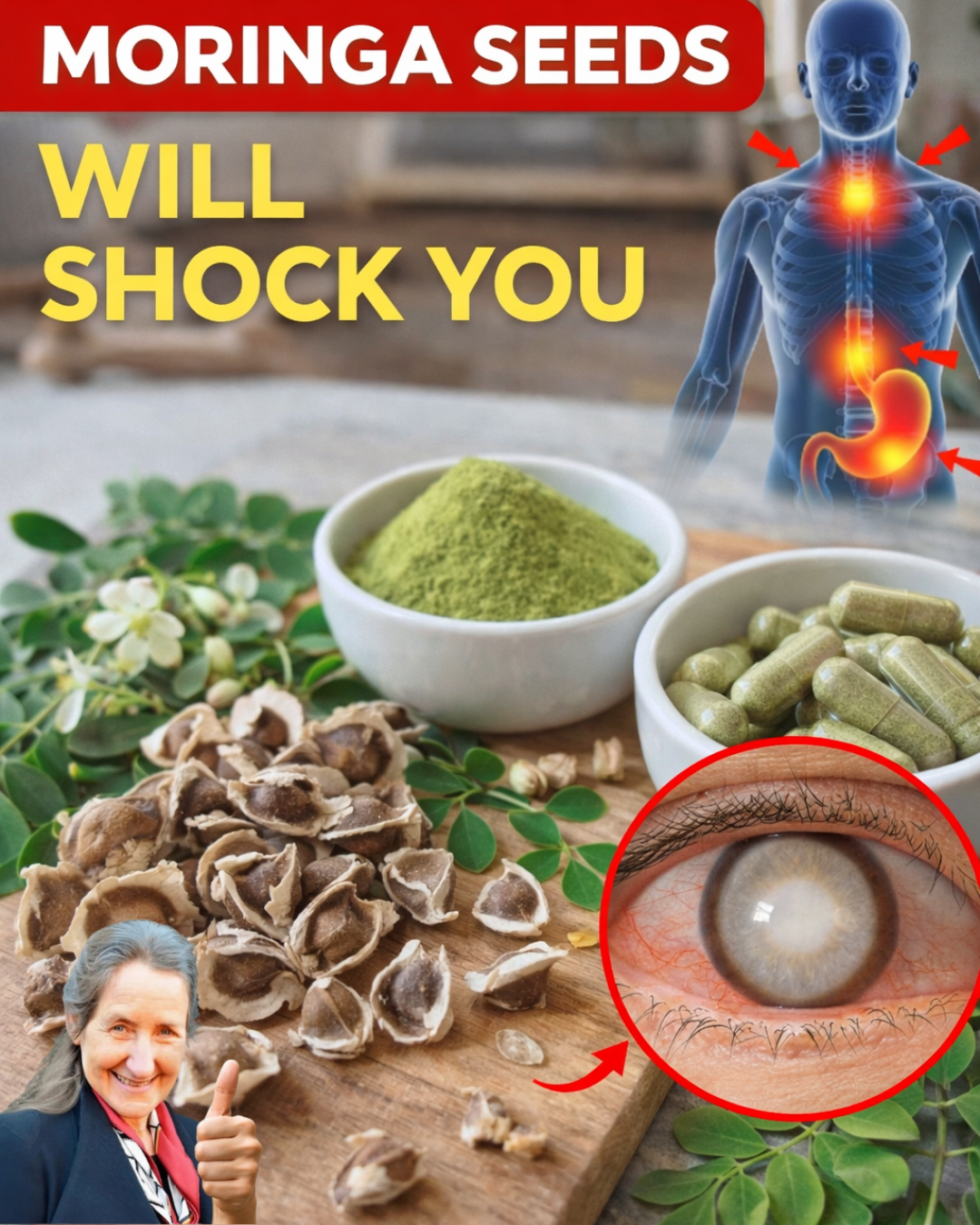
Moringa oleifera, often called the “miracle tree,” is native to parts of Asia and Africa, where nearly every part of the plant has been used for generations. While the leaves steal the spotlight in many supplements, the seeds are packed with unique compounds.
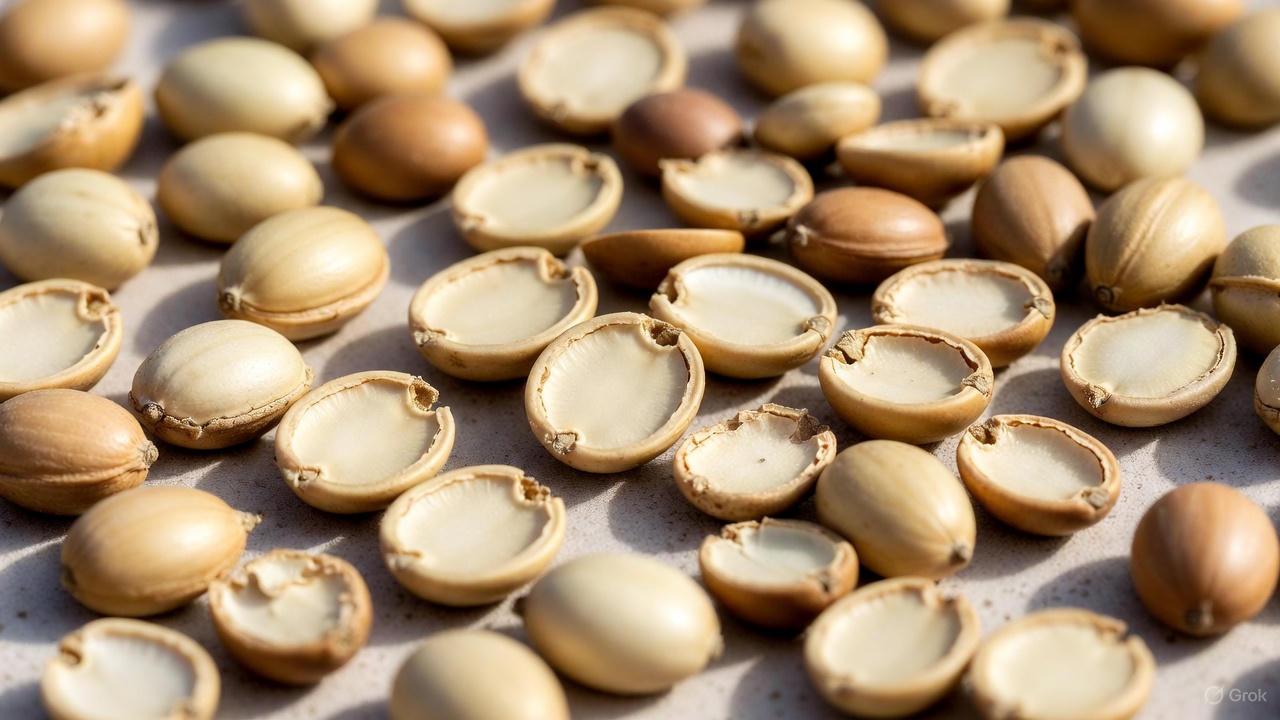
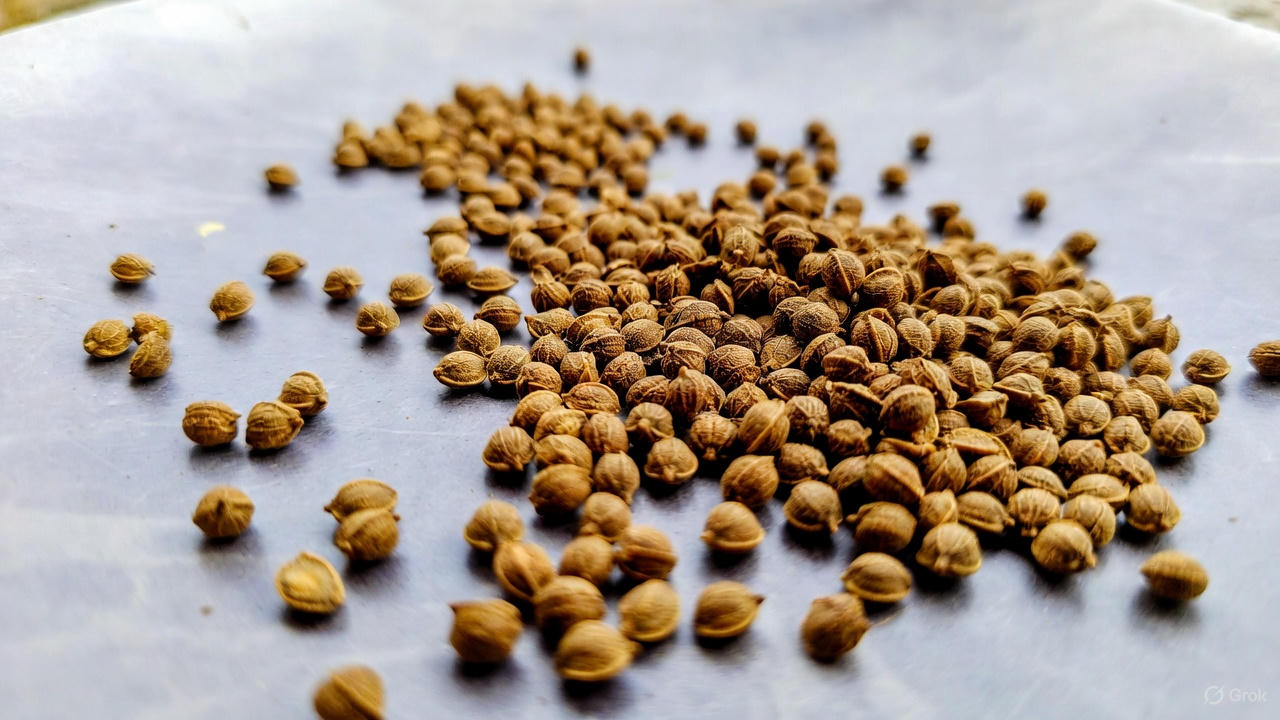
These small, round seeds contain healthy fats, proteins, and a range of micronutrients. Research highlights their rich profile, including oleic acid (similar to what’s found in olive oil) and antioxidants like polyphenols.
Studies suggest moringa seeds contribute to overall nutrition in traditional diets. For instance, reviews in journals like the International Journal of Molecular Sciences note their potential role in supporting cellular health through bioactive elements.
But that’s just the start—let’s dive into some specific ways they might fit into a wellness routine.
Nutritional Highlights of Moringa Seeds
Moringa seeds stand out for their dense nutrient content. On average:
- Proteins: Around 19-37% by weight, providing essential building blocks.
- Healthy fats: Up to 31-46%, mostly monounsaturated like oleic acid.
- Key micronutrients: Sources of zinc, iron, magnesium, and more.
Here’s a quick comparison of moringa seeds versus common nuts (approximate values per 100g):
| Nutrient | Moringa Seeds | Almonds | Walnuts |
|---|---|---|---|
| Protein (g) | 25-35 | 21 | 15 |
| Fat (g) | 30-40 | 50 | 65 |
| Oleic Acid (%) | 70+ | 60-70 | 20-30 |
| Fiber (g) | 15-20 | 12 | 7 |
Data drawn from studies in PMC articles on moringa composition.
This profile makes them a versatile addition for anyone looking to boost daily intake naturally.
Potential Ways Moringa Seeds May Support Blood Sugar Stability
Many people experience energy dips after meals. Preliminary research indicates moringa seeds contain compounds that might help the body maintain steadier levels.
Animal studies and some human reviews suggest these seeds could play a supportive role in metabolic health. For example, findings in Nutrients journal point to possible improvements in insulin sensitivity.
Traditional uses often involve small amounts alongside food for sustained vitality.
How Moringa Seeds Offer Antioxidant Support
Free radicals from daily life can contribute to oxidative stress. Moringa seeds are loaded with flavonoids and polyphenols that act as natural antioxidants.
Research in Food Science & Nutrition shows these compounds help neutralize harmful molecules, potentially aiding long-term cellular protection.
Think of it as giving your body an extra layer of defense from everyday exposures.
Exploring Liver Health Support from Moringa Seeds
The liver plays a key role in processing what we consume. Some studies on moringa seeds indicate gentle support for liver function.
In animal models, extracts have shown protective effects against toxins, as noted in PMC reviews. This aligns with traditional applications for overall detoxification processes.
Better liver efficiency often ties to improved digestion and clearer skin—an indirect bonus many notice.
Digestive Comfort and Gut Balance
Bloating or irregular digestion affects so many. Moringa seeds have mild properties that may promote a healthier gut environment.
Their natural compounds support balanced bacteria, according to traditional and emerging research. Unlike stronger options, this approach feels gradual and sustainable.
Heart-Friendly Fats in Moringa Seeds
Heart health starts with what we eat daily. The high oleic acid content in moringa seed oil mirrors heart-supportive fats in olive oil.
Studies suggest potential benefits for cholesterol balance and vessel flexibility. Incorporating these fats traditionally links to circulatory resilience over time.
Here’s a simple bullet list of heart-supportive elements:
- High monounsaturated fats
- Plant sterols for natural balance
- Antioxidants for vascular support
Calming Everyday Inflammation
Low-level inflammation can lead to discomfort and fatigue. Bioactive elements in moringa seeds may help soothe these pathways.
Research in Wiley journals highlights anti-inflammatory potential, making them a go-to in folk remedies for joint ease.
This is one area where seeds shine compared to leaves.
Boosting Immune Resilience Naturally
A strong immune response relies on key nutrients like zinc and iron—both present in moringa seeds.
They provide foundational support without overactivation, helping the body maintain equilibrium. Balanced immunity means better adaptation to seasonal changes.
Nourishment for Skin and Hair from Within
Beauty routines often focus outward, but internal nutrients matter too. Moringa seed oil, rich in nourishing fats, has centuries-old use in skincare.
When included in moderation, it may promote elasticity and strength. Healthy glows often stem from consistent nutrition.
Eye Wellness Through Micronutrients
Age-related eye strain is common. Antioxidants in moringa seeds, including vitamin A precursors, tie to traditional support for vision.
Regions with high moringa use report this benefit, though leaves get more credit—seeds hold their own.
Steady Energy Without the Jitters
Caffeine crashes are frustrating. Moringa seeds support cellular energy production gently.
No stimulants here—just efficient nutrient use for calmer focus.
A Unique Traditional Use: Natural Water Clarification
One fascinating fact: Crushed moringa seeds bind impurities in water, a practice used globally.
This underscores their potent compounds—few plants offer this practical benefit.
Indirect Support for Hormonal Harmony
Stress impacts hormones. By aiding inflammation control and nutrient absorption, moringa seeds may contribute to better balance.
Stable systems communicate effectively, including hormonal signals.
Practical Tips: How to Incorporate Moringa Seeds Safely
Ready to try? Start small for best results.
Step-by-step guide:
- Choose quality sources—organic, dried seeds or cold-pressed oil.
- Remove shells carefully (crack gently to access kernels).
- Begin with 3-5 peeled seeds daily, chewed or swallowed.
- Or use powdered form in smoothies (1/2 tsp).
- Add seed oil to salads for flavor.
Roast lightly for crunch, or soak to mellow taste.
Always moderate—traditional wisdom emphasizes balance.
Why Moringa Seeds Aren’t Mainstream Yet
They’re natural, non-patented, and rooted in tradition. Modern focus leans toward synthesized options, but interest is growing as research emerges.
Final Thoughts
Moringa seeds offer a nutrient-rich way to explore foundational wellness support. From antioxidants to healthy fats, they align with age-old practices backed by promising studies. Used responsibly, they can complement a balanced lifestyle.
And here’s that open loop closer: The most overlooked benefit? Their role in sustainable nutrition—providing dense support in resource-limited areas, reminding us simple plants can make a big difference.
Frequently Asked Questions
1. How many moringa seeds can I consume daily?
Start with 3-5 peeled seeds or equivalent powder/oil. Listen to your body and consult a professional for personalized advice.
2. Are moringa seeds safe for everyone?
Generally well-tolerated in food amounts, but moderation is key. Avoid roots or excessive intake.
3. What’s the best way to store moringa seeds?
Keep in a cool, dry place in airtight containers to preserve freshness.
Disclaimer: This article is for informational purposes only and not intended as medical advice. Moringa seeds are not a substitute for professional healthcare. Always consult your doctor before adding new foods or supplements, especially if pregnant, nursing, or on medications.
(Word count: approximately 1350)