Many people in their 30s, 40s, and beyond start noticing fine lines, dullness, or uneven texture that can make skin feel less vibrant. These common concerns often stem from daily environmental stressors, natural changes in skin structure, and buildup of dead cells. It’s completely normal to wonder about simple, everyday ways to help maintain a healthier glow.
But here’s the intriguing part: emerging research points to compounds in coffee that may offer natural support for skin appearance when used topically. Keep reading to discover what studies suggest—and a surprising everyday ritual that could make a difference.
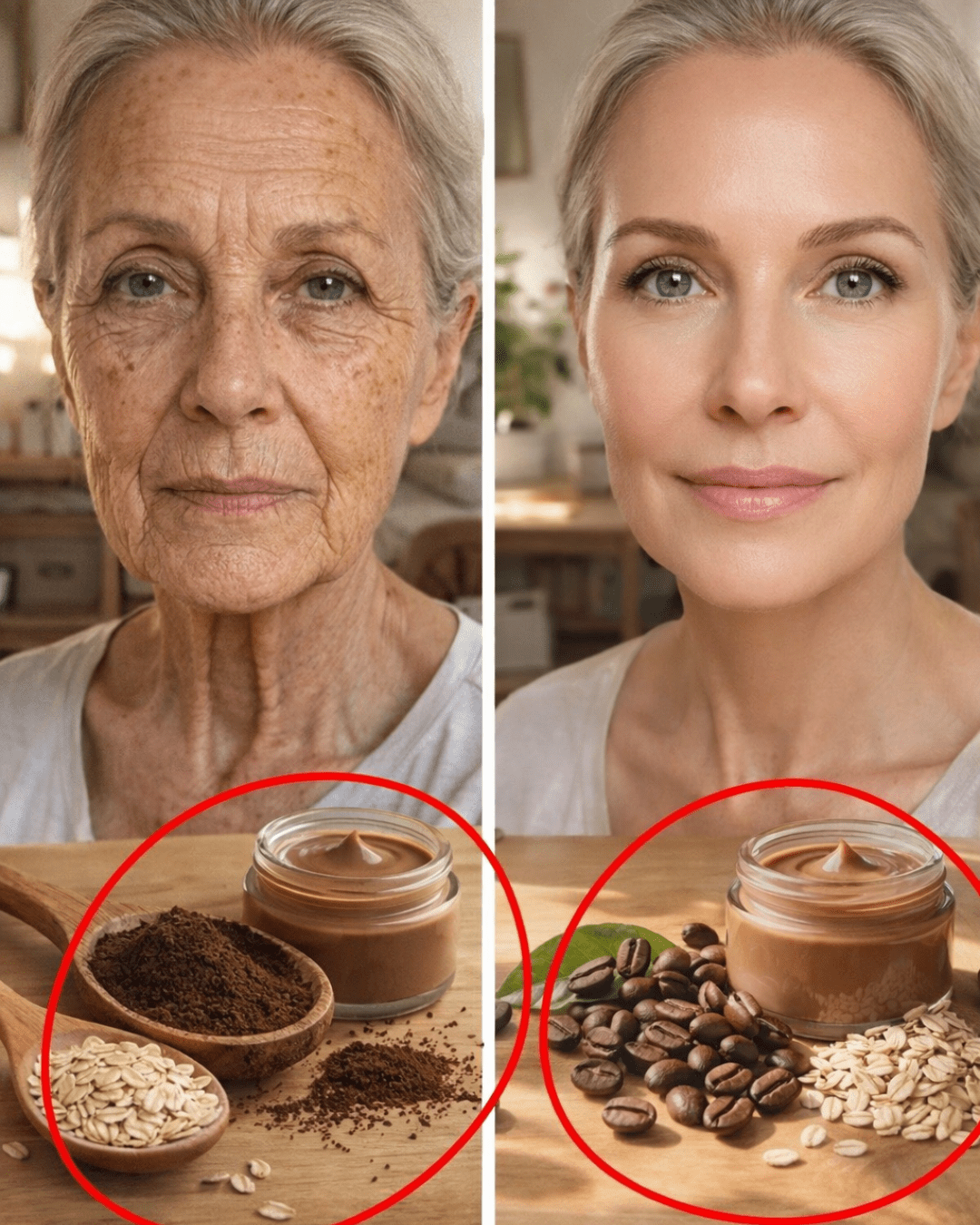
Why Coffee Compounds Are Gaining Attention for Skin Care
Coffee isn’t just a beloved beverage—it’s packed with natural compounds like caffeine and polyphenols, including chlorogenic acids. These have been studied for their antioxidant properties, which help neutralize free radicals from pollution, UV exposure, and daily life.
Research, including studies on topical caffeine, shows it may temporarily improve circulation and reduce the look of puffiness. Polyphenols in coffee extracts have also demonstrated potential to protect against oxidative stress in lab and animal models.
The truth is, while no ingredient is a miracle, coffee’s natural elements make it a fascinating option for at-home routines. Many people report enjoying the refreshing feel of coffee-based masks.
How Coffee May Support Brighter, Smoother Skin Appearance
Let’s break down some ways coffee compounds could contribute, based on scientific insights.
Gentle Exfoliation for Renewed Texture
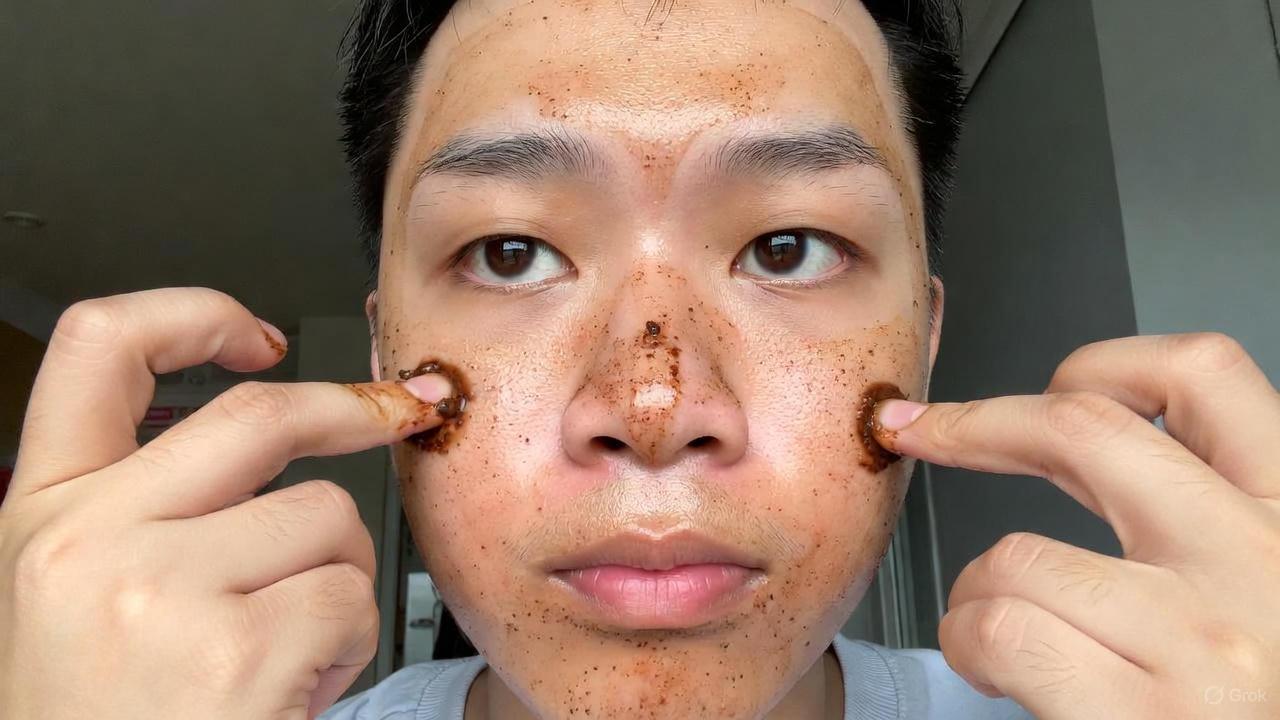
Used coffee grounds provide mild physical exfoliation, helping remove dead skin cells that can make texture appear rough.
Studies on spent coffee grounds suggest they retain antioxidants even after brewing, potentially supporting a fresher look.
Here’s a simple tip: Mix grounds with a carrier like yogurt for gentle use.
Improved Circulation and Reduced Puffiness
Caffeine is known for its ability to temporarily constrict blood vessels, which may help with morning puffiness, especially around the eyes.
Multiple studies, including those on topical caffeine gels, indicate it can enhance microcirculation and give skin a more awakened appearance.
This effect is temporary but can be a nice boost.
Antioxidant Protection Against Daily Stressors
Coffee is rich in polyphenols like chlorogenic acid, which research shows may help combat free radical damage.
Animal studies have found topical coffee extracts reduce UVB-induced changes, suggesting potential photoprotective benefits.
Human trials on coffee consumption link higher polyphenol intake to fewer pigmented spots.
Potential Support for Firmness and Elasticity
Some lab research indicates caffeine and coffee oils may influence collagen-related pathways, promoting a plumper feel.
In vitro studies show coffee berry extracts inhibit enzymes that break down collagen.
But that’s not all—consistent use seems key for noticing changes.
Simple DIY Coffee Recipes to Try at Home
Ready to experiment? Here are actionable, easy recipes using common ingredients. Always patch test first on your inner arm.
Basic Coffee Ground Scrub
- 2 tablespoons used coffee grounds (cooled)
- 1 tablespoon coconut oil or honey
- Mix and gently massage onto damp face for 1-2 minutes
- Rinse with lukewarm water
- Use 1-2 times per week
This provides exfoliation while the oils hydrate.
Soothing Coffee Mask for Radiance
- 1 tablespoon finely ground coffee
- 1 tablespoon plain yogurt or aloe vera gel
- Optional: A few drops of vitamin E oil
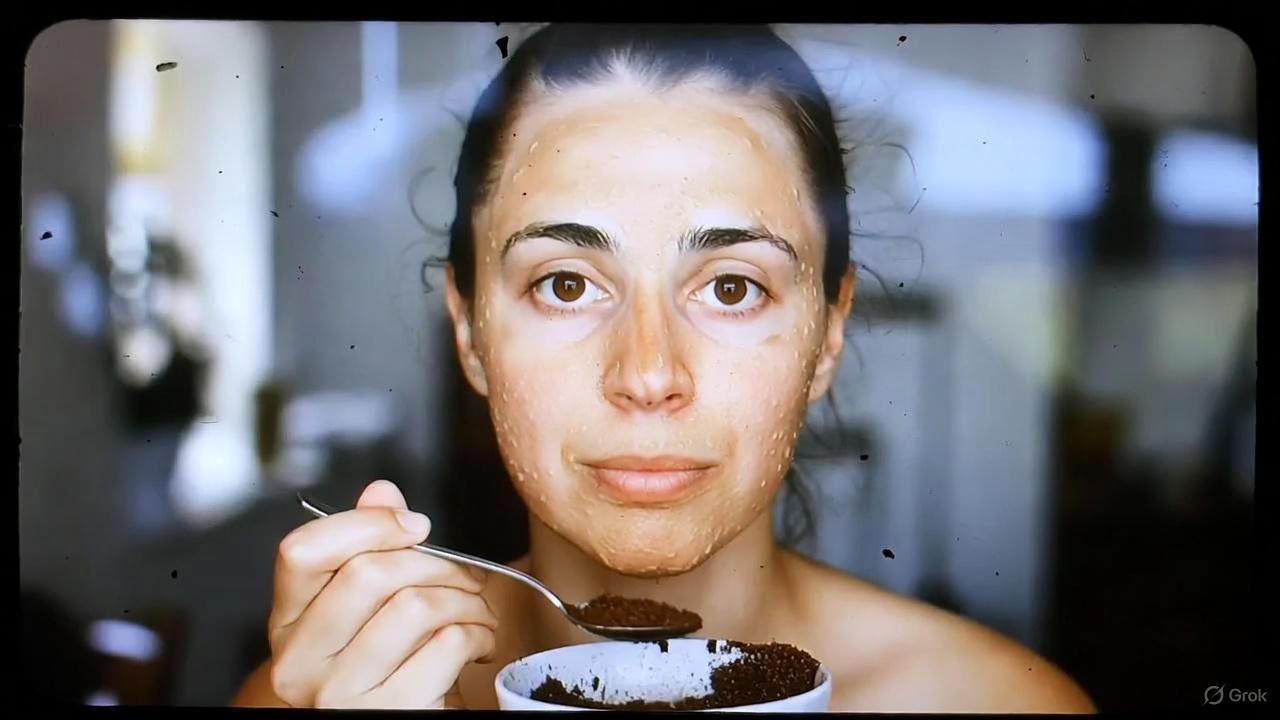
- Apply for 10-15 minutes, then rinse
- Great for a weekly glow boost
Eye Area Coffee Compress
- Brew strong coffee, cool completely
- Soak cotton pads and place over eyes for 10 minutes
- May help temporarily depuff
| Recipe | Key Ingredients | Frequency | Focus |
|---|---|---|---|
| Exfoliating Scrub | Grounds + Oil | 1-2x/week | Texture & Smoothness |
| Hydrating Mask | Grounds + Yogurt | Weekly | Brightness & Calm |
| Depuffing Compress | Brewed Coffee | As needed | Circulation & Freshness |
Comparing Coffee Routines to Common Alternatives
Many turn to store-bought options, but here’s how coffee stacks up:
| Approach | Pros | Considerations | Coffee Advantage |
|---|---|---|---|
| Exfoliating Scrubs | Remove dead cells | Can be harsh if chemical | Natural, gentle physical action |
| Eye Creams | Target puffiness | Often pricey | Affordable, temporary circulation boost |
| Antioxidant Serums | Fight free radicals | Synthetic options vary | Rich in natural polyphenols |
| Professional Treatments | Quick results | Invasive/costly | At-home, non-invasive support |
Research suggests topical coffee compounds offer multi-benefits without complexity.
Tips for Getting the Most from Coffee Skin Routines
- Use organic or fresh grounds for maximum potency
- Avoid over-exfoliating—stick to 1-2 times weekly
- Follow with a moisturizer to lock in hydration
- Combine with sunscreen daily, as coffee isn’t a substitute
- Store mixtures in the fridge for freshness
Consistency matters most. Many notice softer texture after a few weeks.
Here’s the exciting part: Pairing gentle exfoliation with daily hydration could amplify results over time.
Wrapping It Up: A Natural Way to Support Your Skin’s Glow
Coffee’s compounds—like caffeine for circulation and polyphenols for antioxidant support—offer a promising, evidence-backed way to enhance at-home routines. From smoother texture to brighter appearance, these simple habits may help maintain radiant skin.
Start small, listen to your skin, and enjoy the process.
Frequently Asked Questions
Is topical coffee safe for all skin types?
Most find it gentle, but sensitive skin should patch test. Avoid if irritated, and don’t use on broken skin.
How often should I use coffee masks?
1-2 times per week for exfoliation; daily cooled rinses if tolerated. Overuse can dry skin.
Can coffee replace my skincare products?
No—it’s a complement. Continue cleanser, moisturizer, and sunscreen for balanced care.
This article is for informational purposes only and is not medical advice. Results vary; consult a dermatologist for personalized skin concerns.