Have you ever noticed persistent bad breath that doesn’t go away no matter how much you brush or use mouthwash? It can be frustrating and embarrassing, especially when it affects your confidence in social situations. That lingering odor, sometimes accompanied by a feeling of something stuck in your throat, often points to something many people experience but rarely talk about. And the surprising part? There’s a simple explanation—and everyday habits that can make a big difference. Keep reading to uncover what these little white stones really are and why they form.
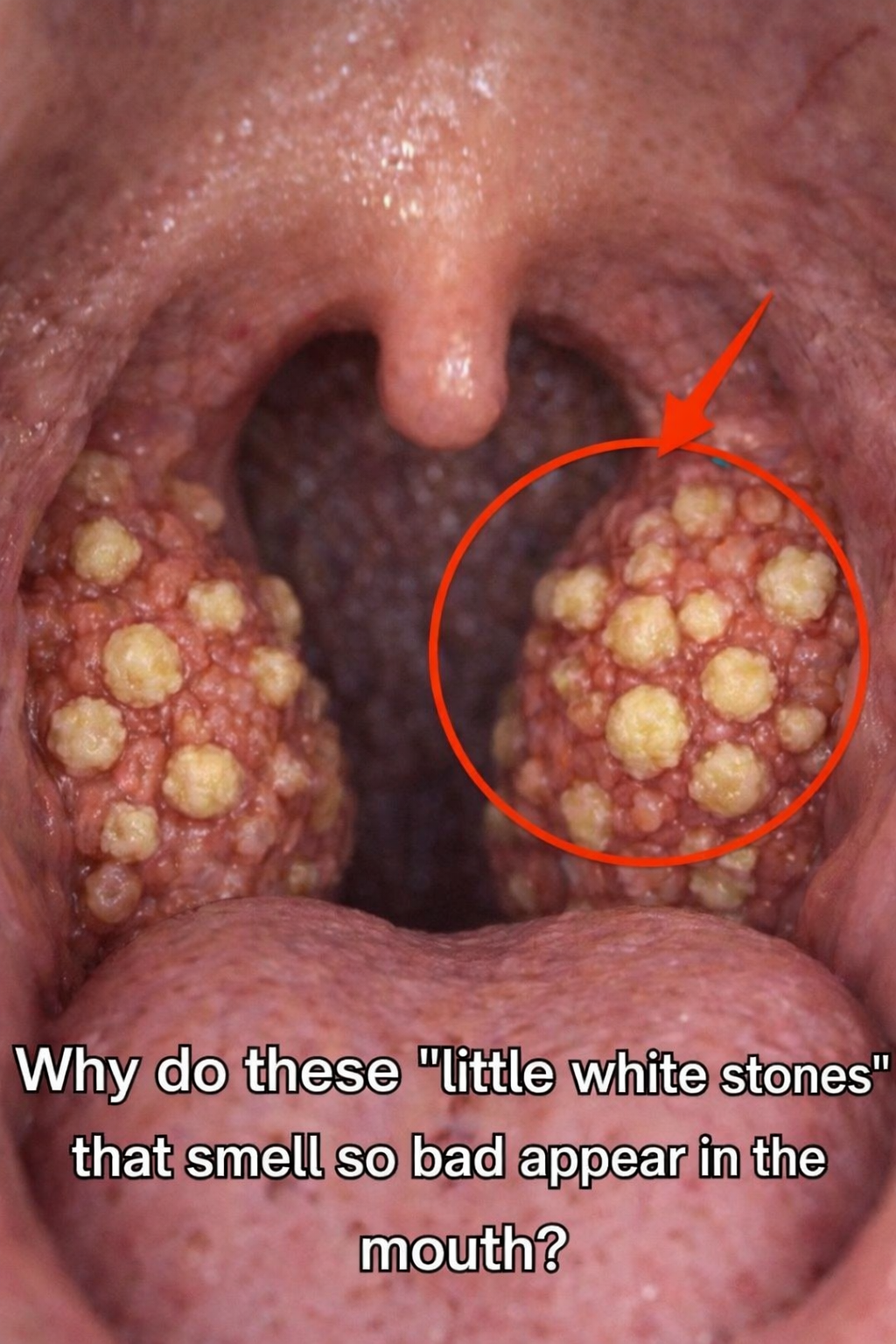
What Exactly Are These White Stones in Your Mouth?
Those small, white or yellowish lumps you might spot (or cough up) are commonly known as tonsil stones, or tonsilloliths. They form in the crevices of your tonsils—the two oval-shaped tissues at the back of your throat that help fight infections.
Your tonsils have natural pits and folds called crypts. Over time, food particles, dead cells, mucus, and bacteria can get trapped in these crypts. As they build up and harden with minerals like calcium, they turn into these pebble-like stones.
But that’s not all…
Many people have them without any noticeable issues. Studies suggest that tonsil stones are quite common, affecting a significant portion of adults at some point.
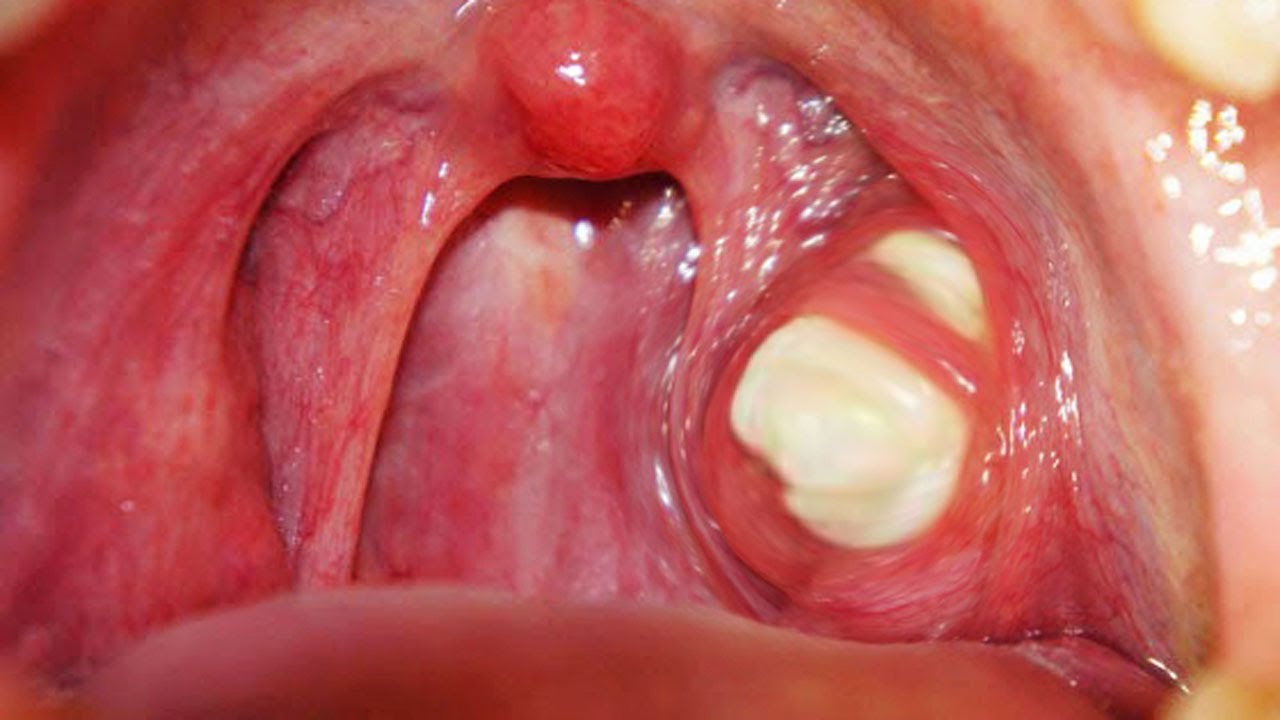
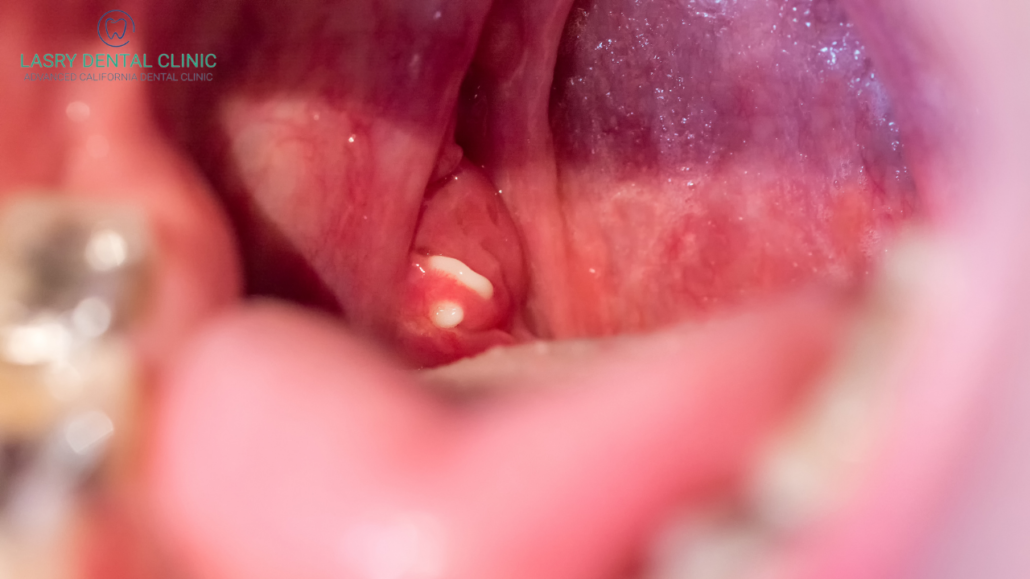
(Visual example of tonsil stones visible on the tonsils)
Why Do Tonsil Stones Smell So Bad?
The foul smell is one of the most common complaints—and it’s no wonder why it causes persistent bad breath.
Inside those trapped debris, anaerobic bacteria thrive in the low-oxygen environment. As these bacteria break down the proteins and food remnants, they release volatile sulfur compounds—the same gases responsible for that rotten egg-like odor.
Research from sources like Cleveland Clinic and WebMD notes that this bacterial activity is the primary reason for the strong, unpleasant smell. Even small stones can pack a big punch when it comes to halitosis.
Here’s the interesting part: Not everyone with tonsil stones notices the smell right away. It often becomes more apparent when a stone dislodges or grows larger.
Common Signs You Might Have Tonsil Stones
While some tonsil stones cause no symptoms at all, others can lead to noticeable discomfort. Here are the most frequently reported signs:
- Persistent bad breath that doesn’t improve with regular brushing
- A sore or irritated throat
- Feeling like something is stuck in the back of your throat
- White or yellow spots visible on the tonsils
- Mild ear pain (due to shared nerve pathways)
- Occasional coughing that dislodges a stone
If you’ve experienced a few of these, you’re not alone—many people discover tonsil stones accidentally while looking in the mirror or during a dental checkup.
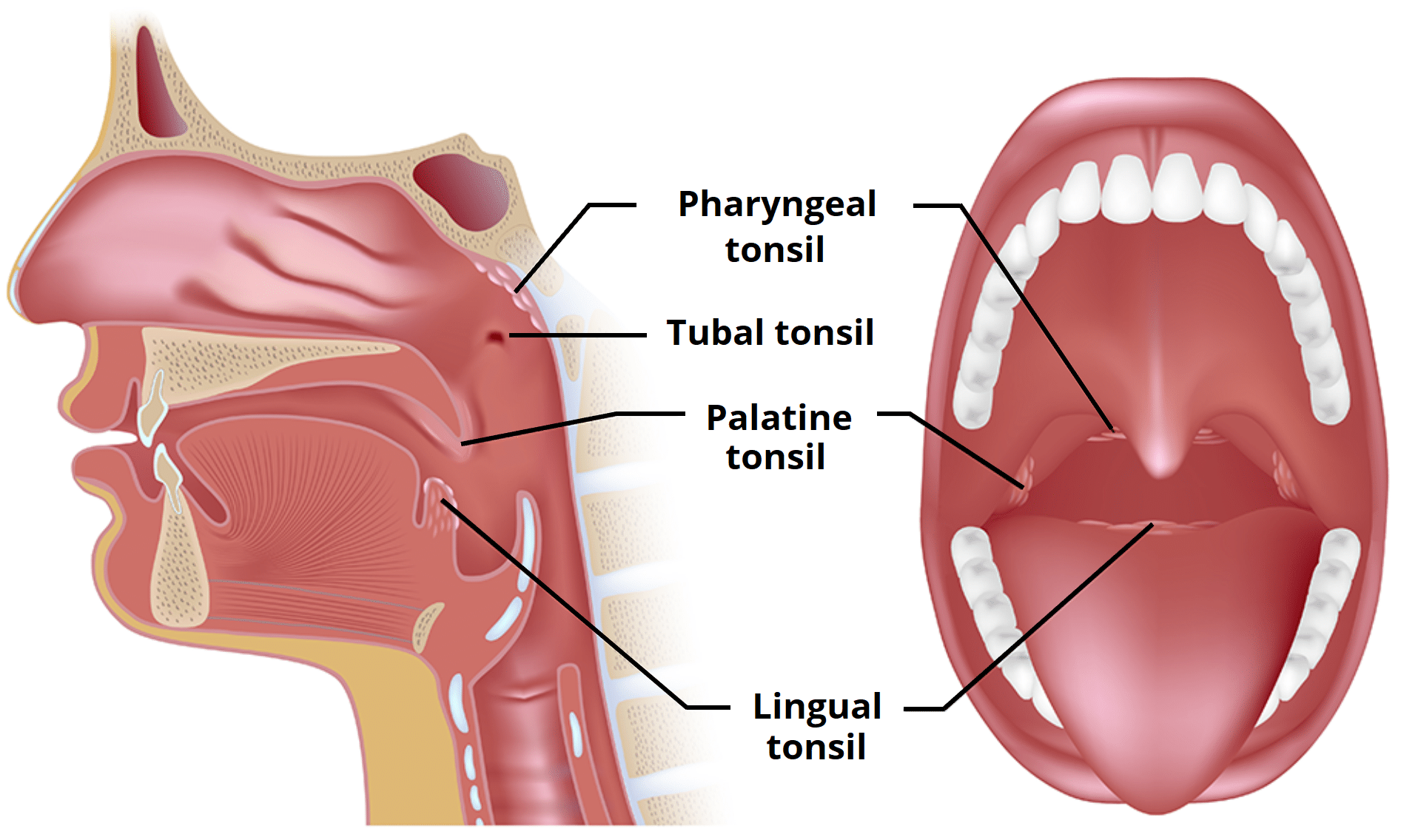
The Tonsils (Waldeyer’s Ring) – Lingual – Pharyngeal – Palatine …
(Diagram showing the location and structure of tonsils)
Everyday Habits to Help Reduce Tonsil Stones
The good news is that simple daily routines can often help manage and reduce the formation of tonsil stones. Research from reputable sources like Mayo Clinic and Healthline emphasizes the role of good oral care.
Here are some practical steps you can start today:
- Brush thoroughly twice a day: Include gentle brushing of your tongue and the roof of your mouth to remove bacteria.
- Floss daily: This helps clear food particles that could contribute to buildup.
- Stay hydrated: Drinking plenty of water keeps your mouth moist and helps flush out debris naturally.
- Gargle after meals: A simple saltwater rinse can loosen particles and soothe the throat.
But wait—there’s one habit that’s particularly effective for many people…
Step-by-Step Guide: Safe Saltwater Gargle at Home
One of the most recommended home practices for throat health and managing tonsil stones is gargling with warm salt water. It’s gentle, inexpensive, and backed by insights from medical sources.
Here’s how to do it properly:
- Dissolve 1/2 teaspoon of salt in a cup of warm (not hot) water.
- Take a sip and tilt your head back slightly.
- Gargle for 15-30 seconds, letting the solution reach the back of your throat.
- Spit it out—don’t swallow.
- Repeat 2-3 times, a few times per day, especially after eating.
This can help dislodge small stones and reduce bacterial buildup over time.


(Examples of someone performing a saltwater gargle)
Other Gentle Ways People Manage Tonsil Stones
In addition to gargling, here are a few other approaches commonly suggested:
- Using an alcohol-free mouthwash to rinse daily
- Coughing vigorously (if it feels natural) to naturally dislodge stones
- Eating crunchy foods like apples or carrots, which may help scrub the tonsils gently
For visible stones, some gently use a cotton swab—but always with care to avoid irritation.
Remember, these are supportive habits, not guaranteed fixes.
When to Talk to a Healthcare Professional
Most tonsil stones are harmless and resolve with good habits. However, if you experience ongoing discomfort, swelling, difficulty swallowing, or if home practices aren’t helping, it’s wise to consult a doctor or dentist.
They can provide personalized guidance and rule out other causes.
Quick Comparison: Common Habits vs. Potential Benefits
| Habit | How It Helps | Frequency Suggested |
|---|---|---|
| Brushing & flossing | Removes bacteria and debris | Twice daily |
| Saltwater gargling | Loosens particles, soothes throat | After meals/daily |
| Staying hydrated | Prevents dry mouth buildup | Throughout day |
| Alcohol-free mouthwash | Reduces oral bacteria | 1-2 times daily |
These small changes can add up to noticeable differences for many.
Wrapping It Up: Understanding and Managing Those Annoying White Stones
Tonsil stones are a common occurrence caused by trapped debris in the tonsils, often leading to bad breath due to bacterial activity. While they can be bothersome, everyday oral hygiene habits—like thorough brushing, staying hydrated, and regular gargling—can help reduce their formation and impact.
By staying consistent with these simple steps, many people find relief and fewer issues over time. And that surprising solution we hinted at earlier? It’s often just prioritizing consistent, gentle care for your mouth and throat.
Frequently Asked Questions
Are tonsil stones a sign of something serious? No, they are usually harmless and common. However, persistent symptoms warrant a check with a healthcare provider to rule out other issues.
Can tonsil stones go away on their own? Yes, many do—through coughing, eating, or natural flushing. Good habits can encourage this.
How can I prevent bad breath from tonsil stones? Focus on oral hygiene, hydration, and gargling. These steps help minimize bacterial buildup.
Disclaimer: This article is for informational purposes only and is not a substitute for professional medical advice. Always consult a qualified healthcare provider for any concerns about your health or symptoms. They can offer guidance tailored to your situation.