Feeling that uncomfortable bloating after meals or occasional heaviness in your stomach can really disrupt your day and leave you searching for natural ways to feel more balanced. These common digestive issues affect so many of us, making it hard to enjoy food or stay energized, and they often linger without easy relief. But there’s a straightforward, time-honored approach rooted in traditional practices that many people turn to for gentle support—and the best part is, it involves something you likely already have in your kitchen spice rack.
In this guide, we’ll explore how incorporating a simple clove infusion into your routine might help promote digestive ease and contribute to your daily well-being. Stick around until the end for some practical tips that could make a noticeable difference in how you feel.

What Exactly Is Clove Water?
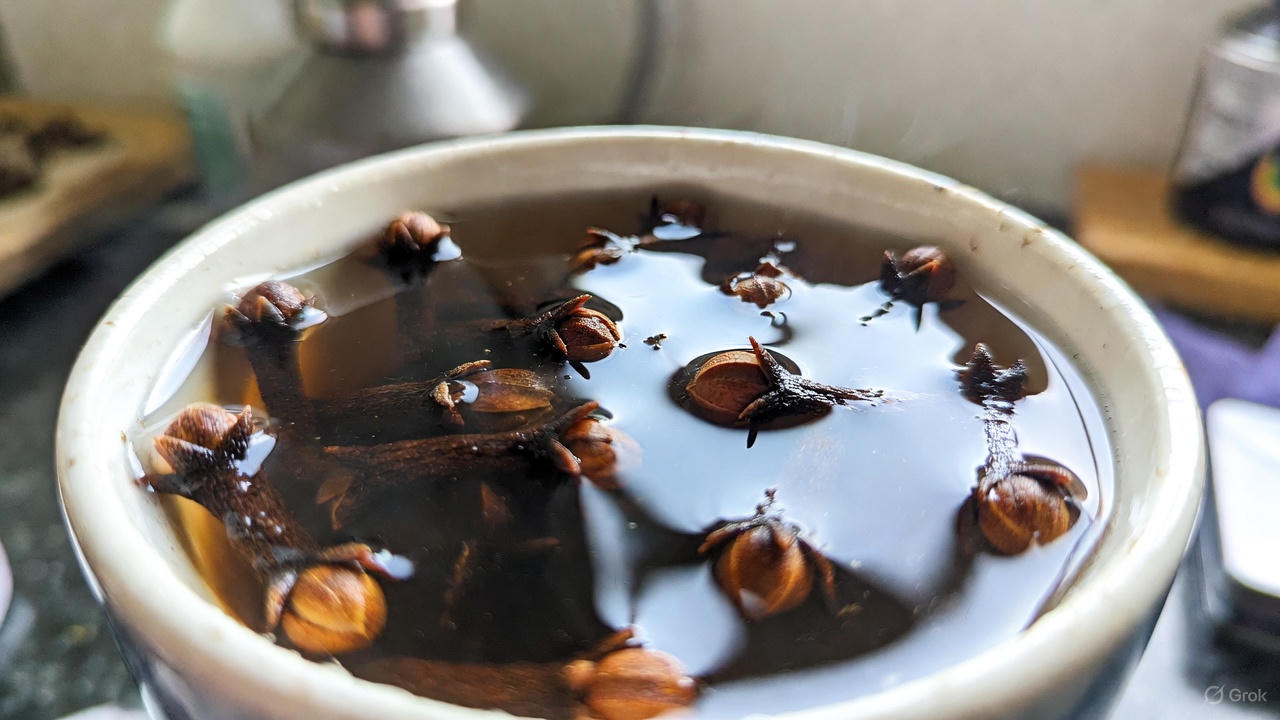
Clove water is a basic herbal infusion created by steeping whole dried cloves—the flower buds of the Syzygium aromaticum tree—in hot water.
This aromatic spice has been used for centuries in various cultures, not just for flavoring foods but also in traditional wellness routines.
Cloves are naturally packed with compounds like eugenol, a phenolic substance known for its antioxidant properties, according to studies published on PubMed.
These plant-based antioxidants help combat oxidative stress, which plays a role in overall cellular health.
But that’s not all—research also highlights cloves’ potential antimicrobial effects, making this simple drink a popular choice in folk practices.
The beauty of clove water lies in its simplicity: no fancy ingredients needed, just cloves and water.
How Cloves May Support Digestive Comfort
Many people experience occasional gas, bloating, or that post-meal heaviness, and that’s where cloves have traditionally shone.
In traditional systems like Ayurveda, cloves are valued for their warming qualities that may help promote healthy digestive flow.
Studies suggest that eugenol in cloves could stimulate digestive enzymes, potentially easing mild discomfort.
For instance, preclinical research indicates cloves may support gut motility, helping things move along more smoothly.
Here’s a quick look at common digestive supports associated with cloves:
- Eases occasional bloating and gas
- Promotes comfort after eating
- Supports natural digestive processes
Research from sources like Healthline notes that including antioxidant-rich spices like cloves in your diet can contribute to better overall gut health when part of a balanced lifestyle.
But remember, consistency in moderation is key here.
This isn’t about overnight changes—it’s about gentle, daily support.

The Role of Cloves in Supporting Natural Immunity and Defenses
Seasonal changes often bring challenges to our immune balance, leaving us feeling run down.
Cloves contain compounds that have been studied for their potential to support the body’s natural defenses.
Antioxidant-rich foods like cloves help neutralize free radicals, as noted in reviews on PubMed.
Additionally, their antimicrobial properties—backed by multiple studies showing activity against bacteria and fungi—make clove water a favored seasonal sip in traditional practices.
Here’s what stands out:
- High in plant antioxidants for cellular protection
- Traditionally used to support respiratory comfort
- May help maintain oral freshness due to natural cleansing effects
One study highlighted cloves’ higher antioxidant activity compared to many other spices.
Incorporating them mindfully could be a small step toward feeling more resilient.
The truth is, building natural defenses starts with simple habits like this.
Additional Ways Cloves Contribute to Everyday Wellness
Beyond digestion and immunity, cloves have been linked to other areas of comfort in traditional use.
Eugenol’s soothing properties are often associated with mild relaxation and tension relief.
Some people use clove infusions for:
- Gentle support during minor headaches
- Promoting healthy circulation through warming effects
- Contributing to overall vitality and energy balance
Animal studies suggest potential liver-protective effects from clove compounds, though more human research is needed.
Cloves also show promise in supporting oral health, with eugenol long used in dental care for its numbing qualities.
This versatile spice truly offers multifaceted traditional benefits.
But here’s the interesting part: when used regularly in small amounts, it might help with inflammation markers, per some preclinical data.
Easy Step-by-Step Guide to Making Clove Water at Home
Ready to try it yourself? It’s incredibly straightforward and takes just minutes.
You’ll need:
- 4–6 whole dried cloves (start small to avoid overpowering flavor)
- 1 cup (about 250 ml) of fresh water
- Optional: a touch of honey or lemon for palatability
Follow these simple steps:
- Bring the water to a gentle boil in a small pot.
- Add the whole cloves and reduce heat to simmer for 8–10 minutes—this allows the compounds to infuse properly.
- Remove from heat, let it steep for another 5 minutes.
- Strain into a cup, discarding the cloves.
- Enjoy warm, perhaps in the morning or evening.
Many prefer it on an empty stomach for digestive support, but listen to your body.
Store any leftovers in the fridge for up to a day, but fresh is best.
Pro tip: Use high-quality, organic cloves for maximum natural benefits.
This ritual can become a calming part of your day.
How Much Clove Water Is Recommended and Best Practices
Moderation is essential—cloves are potent.
Most traditional recommendations suggest:
- 1 small cup (about 150–200 ml) per day
- Not exceeding 5–7 cloves per serving
- Best during times of digestive unease or seasonal shifts
Avoid daily excess, as too much eugenol could lead to irritation.
Start with less if you’re new to it, and observe how you feel.
Combining with a varied diet rich in fruits, veggies, and fiber amplifies potential benefits.
Here’s a simple comparison:
| Daily Amount | Potential Focus | Notes |
|---|---|---|
| 1/2 cup (half strength) | Gentle introduction | Ideal for beginners |
| 1 full cup | Digestive and immunity support | Standard traditional use |
| More than 1 cup | Not recommended | Risk of side effects |
Always prioritize balance.
Important Precautions and When to Be Cautious
While clove water is generally safe in culinary amounts, it’s wise to approach mindfully.
Potential considerations include:
- Avoid if pregnant or breastfeeding without professional guidance
- Consult a doctor if on blood-thinning medications, as cloves may interact
- Those with sensitive stomachs might experience mild irritation from excess
- Not suitable for children in concentrated forms
Side effects from overuse can include mouth irritation or allergic reactions, though rare.
Research emphasizes safety in moderation, with no major issues in typical spice amounts.
If any discomfort arises, stop and seek advice.
Your body’s signals are the best guide.
Wrapping It Up: Small Rituals for Lasting Comfort
Incorporating clove water as a daily habit offers a gentle, natural way to support digestive comfort, antioxidant intake, and overall balance—drawing from centuries of traditional wisdom backed by emerging science.
It’s affordable, easy, and aligns with a holistic approach to wellness.
Start small, stay consistent, and pair it with healthy eating and movement for the best results.
Sometimes, the simplest additions to your routine yield the most rewarding feelings of vitality.
Frequently Asked Questions
Is clove water safe to drink every day?
In moderation (one small cup), it’s commonly used daily in traditional practices. Monitor your response and consult a healthcare provider for personalized advice.
When is the best time to drink clove water?
Many enjoy it warm in the morning for digestive support or evening for relaxation, but anytime works as long as it’s consistent and moderate.
Can clove water help with oral health?
Traditionally, yes—its natural compounds may support freshness and comfort, but it’s not a substitute for dental care.
This article is for informational purposes only and is not intended as medical advice. Always consult a healthcare professional before starting any new wellness routine, especially if you have underlying conditions or take medications.
(Word count: approximately 1,350)