Leg pain and joint discomfort can make simple daily activities feel exhausting, especially when they disrupt your sleep or limit your movement. Many people also notice visible varicose veins or a heavy, achy feeling in their legs after long days on their feet. The good news is that gentle, natural home practices—used for generations—may help promote relaxation, better circulation, and overall leg comfort. And toward the end of this guide, I’ll share a simple daily habit that many find surprisingly helpful.
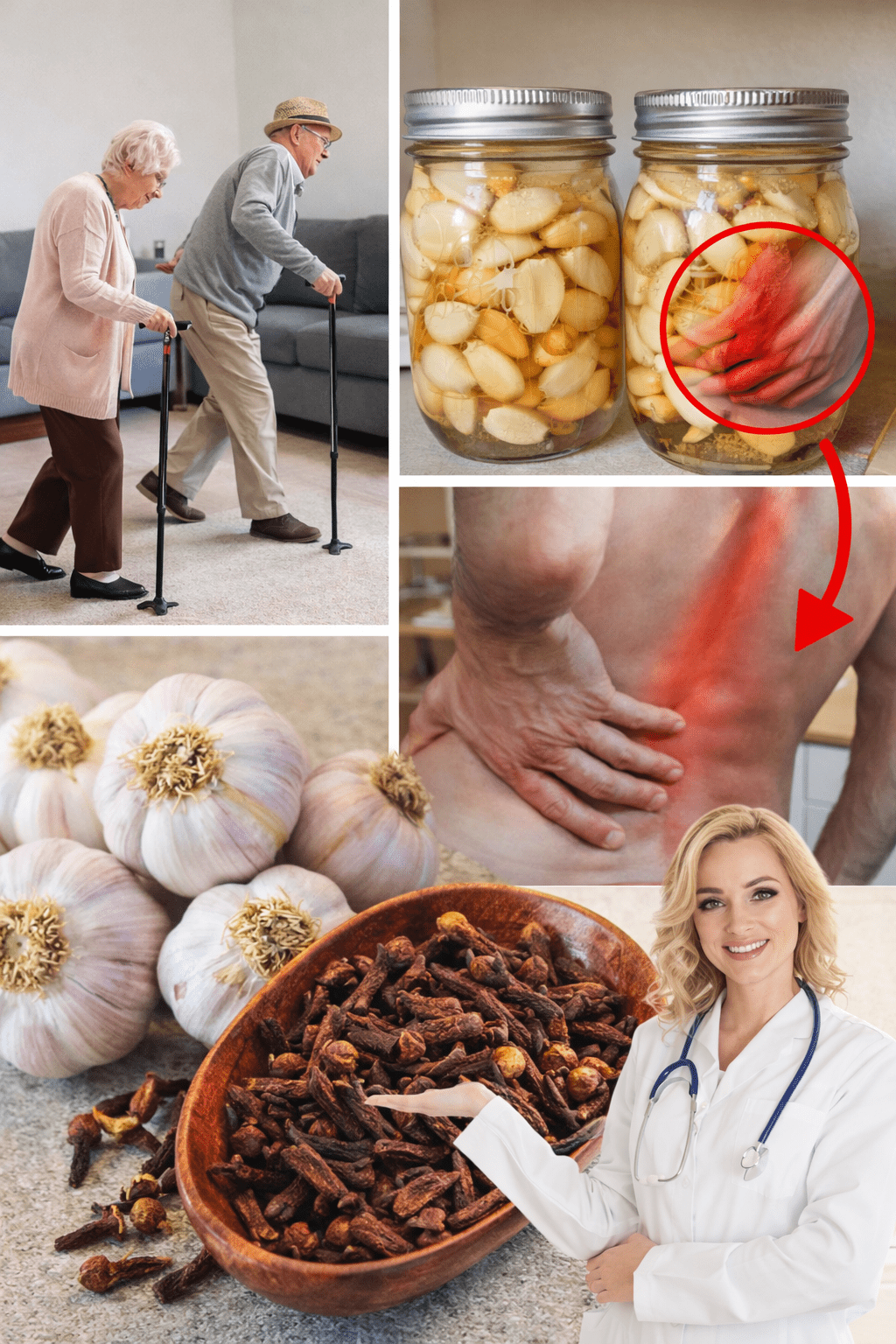
Why Leg and Joint Discomfort Are So Common as We Age
As we get older, several factors can contribute to achy legs and stiff joints.
Reduced blood flow, muscle tension from daily habits, and normal wear on joints all play a role. Prolonged sitting or standing doesn’t help either.
Research shows that lifestyle factors like dehydration and lack of gentle movement can make these sensations more noticeable. But small, consistent changes can make a real difference.
Gentle Movement Habits to Encourage Daily Circulation
One of the easiest ways to support leg comfort is through light activity.
Short walks, even just 10–15 minutes a few times a day, can help blood flow more smoothly. Studies from the American Heart Association suggest that regular gentle walking supports healthy circulation.
Here are simple movements you can try right away:
- Ankle circles: Sit or lie down and slowly rotate each ankle 10 times in each direction.
- Leg elevations: Lie on your back and rest your legs against a wall for 5–10 minutes daily.
- Gentle knee bends: Stand and slowly bend one knee at a time, like marching in place.
- Calf stretches: Stand facing a wall, place one foot back, and gently lean forward.
These take almost no time and can be done while watching TV or waiting for coffee.
Warm Compresses and Soaks for Muscle Relaxation
Heat is a time-tested way to help tight muscles feel more relaxed.
A warm compress or foot soak can create a soothing sensation and encourage better blood flow. Many people find this especially comforting in the evening.
Easy Epsom Salt Soak You Can Do Tonight
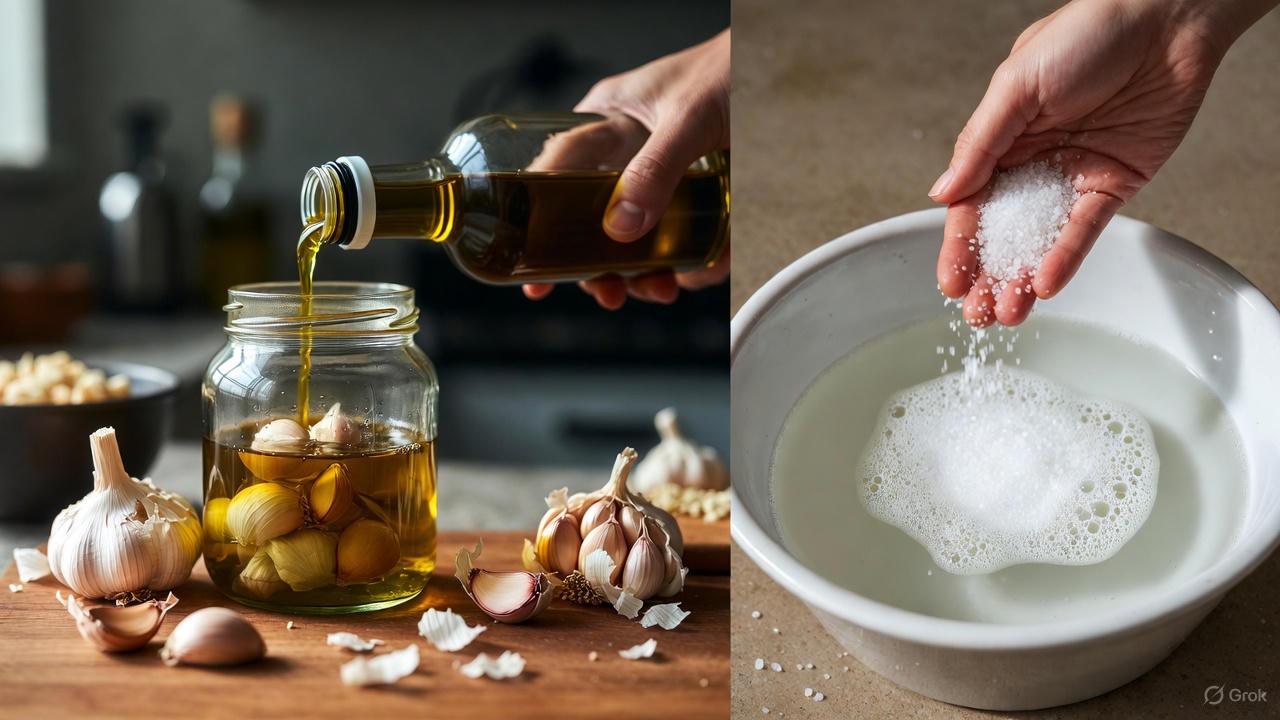
Epsom salt has been popular for decades because it dissolves easily in warm water and provides magnesium through the skin (some studies suggest this may support muscle relaxation).
Here’s how to prepare one:
- Fill a basin or tub with warm (not hot) water—enough to cover your feet or lower legs.
- Add 1–2 cups of Epsom salt and stir until dissolved.
- Soak for 15–20 minutes.
- Pat dry gently and follow with a light moisturizer if desired.
Do this 2–3 times a week for best results. It’s inexpensive and feels luxurious.
Simple Warm Towel Compress
If you don’t have a basin, try this instead:
- Soak a clean towel in warm water, wring it out, and wrap around your calves or knees.
- Cover with a dry towel to hold the warmth.
- Rest for 15 minutes.
The gentle heat may help ease that heavy feeling many describe.
Herbal Infused Oils for Gentle Massage
Massaging your legs with a lightly warmed oil is another traditional practice that feels wonderful.
Certain herbs and spices have been used in home remedies for their warming properties.
Garlic and Clove Infused Oil Recipe
Garlic and cloves are commonly included in traditional massage oils because of their natural warming effect when applied topically.
To make a small batch at home:
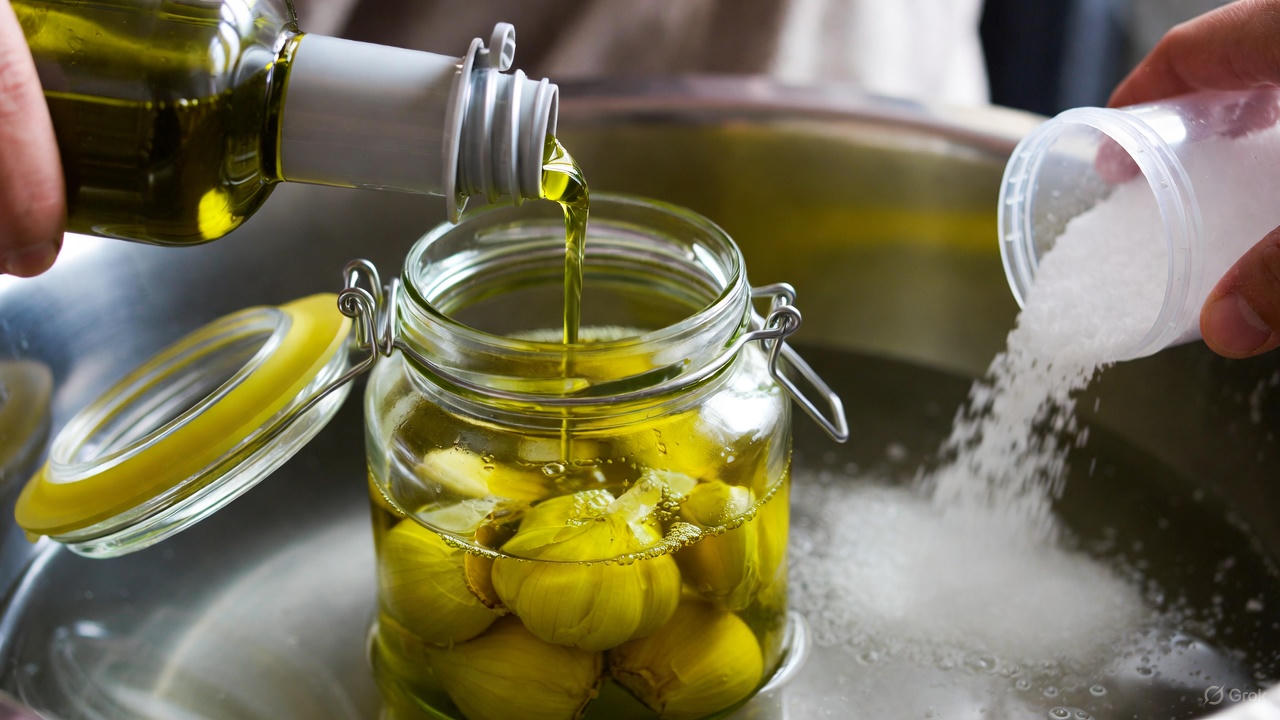
- Lightly crush 4–5 garlic cloves (no need to chop finely).
- Add 10–15 whole cloves.
- Place in a clean glass jar.
- Cover completely with extra-virgin olive oil or coconut oil (about 1 cup).
- Seal and store in a cool, dark place for 7–10 days.
- Strain through cheesecloth or a fine sieve.
- Store in a dark bottle.
How to use:
- Warm a small amount between your palms.
- Gently massage upward from ankles toward knees for 5–10 minutes.
- Do this in the evening for a relaxing wind-down ritual.
Many find the gentle warming sensation comforting, especially on cooler nights.
Anti-Inflammatory Foods That May Support Joint Comfort
What you eat daily can influence how your body feels.
Research published in journals like Arthritis & Rheumatology points to certain foods that may help maintain normal inflammatory responses.
Consider adding more of these to your meals:
- Fatty fish (salmon, sardines) rich in omega-3s
- Berries and cherries for natural antioxidants
- Turmeric in curries or golden milk (contains curcumin, studied for joint support)
- Ginger in tea or cooking
- Leafy greens and nuts
Small dietary tweaks often add up over time.
Here’s a quick comparison of easy anti-inflammatory additions:
| Food | Simple Way to Include | Potential Benefit Noted in Studies |
|---|---|---|
| Turmeric | Add to soups or warm milk | Curcumin may support comfort |
| Ginger | Fresh tea or in stir-fries | Warming effect, digestive ease |
| Berries | Fresh or frozen in smoothies | High in antioxidants |
| Olive oil | Use as dressing or for cooking | Healthy fats for joint health |
Hydration and Posture Tips You Might Be Overlooking
Dehydration can make muscles feel tighter and joints less flexible.
Aim for steady water intake throughout the day rather than large amounts at once.
Good posture while sitting also helps—keep feet flat on the floor and avoid crossing legs for long periods.
And here’s that simple daily habit I promised earlier: Many people notice improvement when they consistently elevate their legs for just 10 minutes in the evening while reading or relaxing. It’s free, requires no special tools, and can become a peaceful part of your routine.
Putting It All Together: Your Gentle Evening Routine
Try combining a few of these practices:
- Short walk after dinner
- Epsom salt soak or warm compress
- Light massage with infused oil
- Leg elevation while winding down
Consistency matters more than doing everything perfectly.
Frequently Asked Questions
How long does it usually take to notice any difference with these natural approaches?
Most people report feeling more relaxed after a few days of consistent use, though individual experiences vary. Gentle habits work best over weeks, not overnight.
Can I use these remedies if I’m already taking medication?
Yes, these are general wellness practices, but always check with your healthcare provider about any new routine, especially if you have existing conditions.
Are there any natural methods specifically for varicose vein appearance?
Compression socks, leg elevation, and gentle walking are among the most commonly recommended lifestyle supports. Staying hydrated and maintaining a healthy weight also help.
These natural approaches are meant to complement—not replace—professional medical advice. If leg pain, swelling, or discomfort persists or worsens, please consult a qualified healthcare provider for personalized guidance.