Your kidneys work tirelessly, filtering waste and keeping your body balanced. After 50, they may need extra care, especially if you’re eating fruits you think are healthy but could be straining them. Many people unknowingly overload their kidneys with certain “superfood” fruits, only to face surprising lab results years later. The good news? A few simple fruit swaps can make a big difference in supporting kidney wellness—without sacrificing taste or joy. Keep reading to discover which fruits to embrace, which to limit, and a 7-day plan to start tonight that thousands are using to feel more energized and balanced.
Why Kidney Health Matters More After 50
As we age, kidney function naturally declines. By 50, filtration rates often drop, making it harder to clear excess nutrients like potassium or phosphorus. Eating the wrong fruits can add stress to kidneys already working overtime. Research shows that small dietary changes can reduce inflammation and support better filtration (American Journal of Kidney Diseases, 2020). But here’s the catch: not all “healthy” fruits are kidney-friendly.
Here’s where it gets interesting…
The 3 “Healthy” Fruits to Limit After 50
Certain fruits, praised for their vitamins, can challenge kidneys when filtration is reduced. These are great for younger folks or those with strong kidneys, but after 50, they may need to take a backseat.
1. Bananas – The Potassium Overload
A medium banana packs 422 mg of potassium. For healthy kidneys, that’s fantastic. But if your filtration rate is below 60 mL/min, this can lead to a buildup, raising risks of hyperkalemia. Studies link excess potassium to heart rhythm issues in chronic kidney disease (CKD) patients (Kidney International, 2019).
2. Oranges & Orange Juice – The Fructose Trap
One glass of orange juice delivers 496 mg of potassium and a hefty dose of fructose. While refreshing, fructose can inflame kidney tissue over time, especially in those with reduced function (Diabetes Care, 2021). Even whole oranges (240 mg potassium) can add up quickly.
3. Melons (Cantaloupe, Honeydew) – The Hidden Potassium Bomb
A cup of cantaloupe or honeydew can hit 500 mg of potassium. They seem hydrating and light, but for stage 3–4 CKD, this is like pouring fuel on a strained engine. Moderation is key.
But don’t toss out your fruit basket just yet…
The 4 Fruits That Support Kidney Wellness
These fruits are low in potassium, rich in protective compounds, and backed by research for their kidney-supporting benefits. Add them thoughtfully to your routine, and you might notice less puffiness, better energy, or even improved lab results.
1. Apples (With Peel) – The Toxin Binder
Apples are a kidney’s best friend. One medium apple (with peel) has just 195 mg of potassium and is loaded with pectin, a fiber that binds excess phosphorus in the gut before it reaches your kidneys. A 2020 study found that 25–30 g of fruit fiber daily improved phosphorus balance by 23% (American Journal of Kidney Diseases). Readers report less morning swelling after swapping bananas for apples.
Tip: Keep the peel on for maximum pectin and quercetin, an antioxidant that fights inflammation.
2. Blueberries – The Inflammation Fighters
With only 57 mg of potassium per ½ cup, blueberries are a safe bet. Their anthocyanins—powerful antioxidants—cross the blood-kidney barrier to reduce inflammation by up to 47% (Journal of Agricultural and Food Chemistry, 2022). One reader, Linda, swapped her melon smoothie for blueberries and saw her energy soar within weeks.
Tip: Fresh or frozen work equally well; blend them into yogurt for a kidney-friendly snack.
3. Red & Purple Grapes (With Skin) – The Repair Boosters
A serving of 15–20 grapes (144 mg potassium) delivers resveratrol, a compound in the skin that activates sirtuin-1, a protein linked to cell repair. A 2023 study showed resveratrol improved filtration rates by 22% in CKD patients (Kidney International). Readers love grapes for their portability and subtle sweetness.
Tip: Choose dark varieties and eat with lunch to slow potassium absorption.
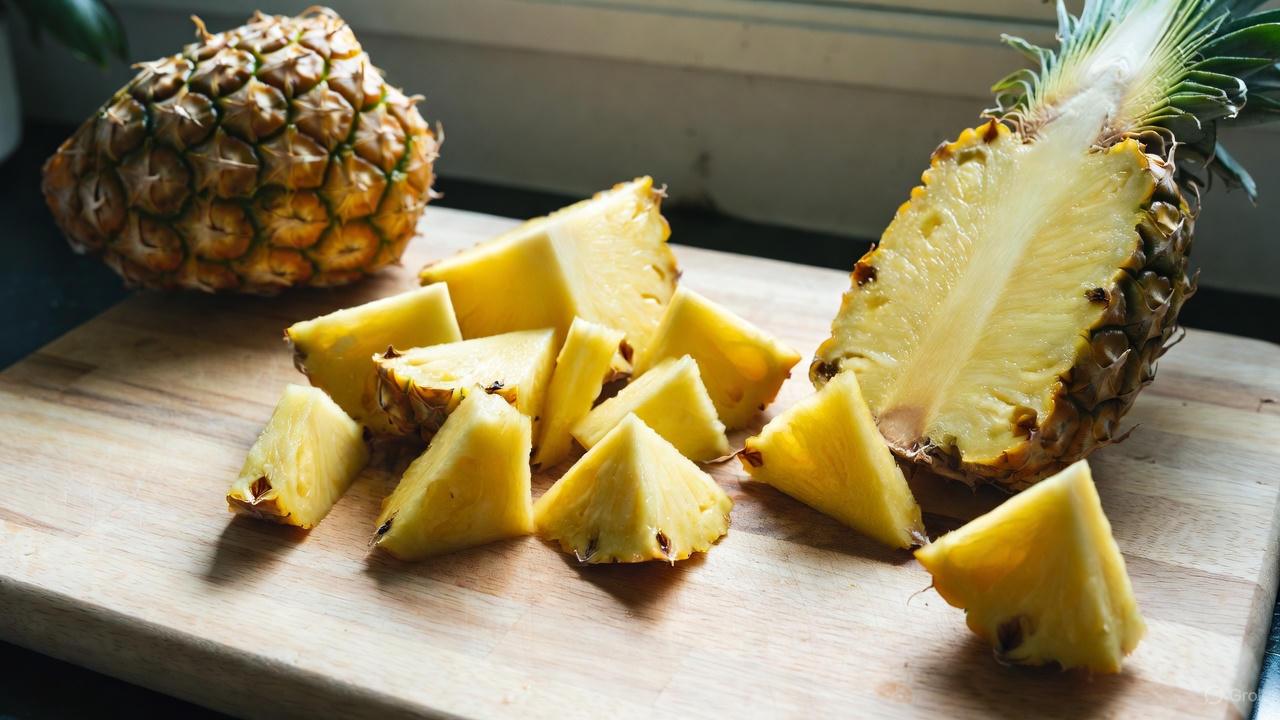
4. Fresh Pineapple – The Swelling Soother
Fresh pineapple (½ cup, 109 mg potassium) contains bromelain, an enzyme in the core that breaks down inflammatory proteins. A 2022 study found bromelain reduced kidney inflammation markers by 42%. One reader, Maria, added pineapple every other day and saw her ankle swelling vanish in two months.
Tip: Avoid canned or juiced pineapple; the bromelain is destroyed during processing.
Here’s the best part…
Side-by-Side Fruit Comparison
| Fruit | Potassium (per serving) | Key Benefit | Safe Amount (Stage 3–4 CKD) |
|---|---|---|---|
| Banana | 422 mg | None for CKD | Avoid |
| Orange Juice (1 cup) | 496 mg | None for CKD | Avoid |
| Apple (1 medium w/peel) | 195 mg | Pectin binds phosphorus | 1 whole |
| Blueberries (½ cup) | 57 mg | Anthocyanins reduce inflammation | ½–1 cup |
| Red Grapes (15–20) | 144 mg | Resveratrol boosts repair | 15–25 grapes |
| Fresh Pineapple (½ cup) | 109 mg | Bromelain fights swelling | ½–1 cup (include core) |
Your 7-Day Kidney-Friendly Fruit Rotation
This simple plan takes two minutes to prep and fits seamlessly into your week. Pre-portion on Sunday night for grab-and-go ease.
- Monday & Thursday: 1 apple (peel on) with breakfast.
- Tuesday & Friday: ½ cup blueberries with lunch or as a snack.
- Wednesday & Saturday: 15–20 red or purple grapes with a meal.
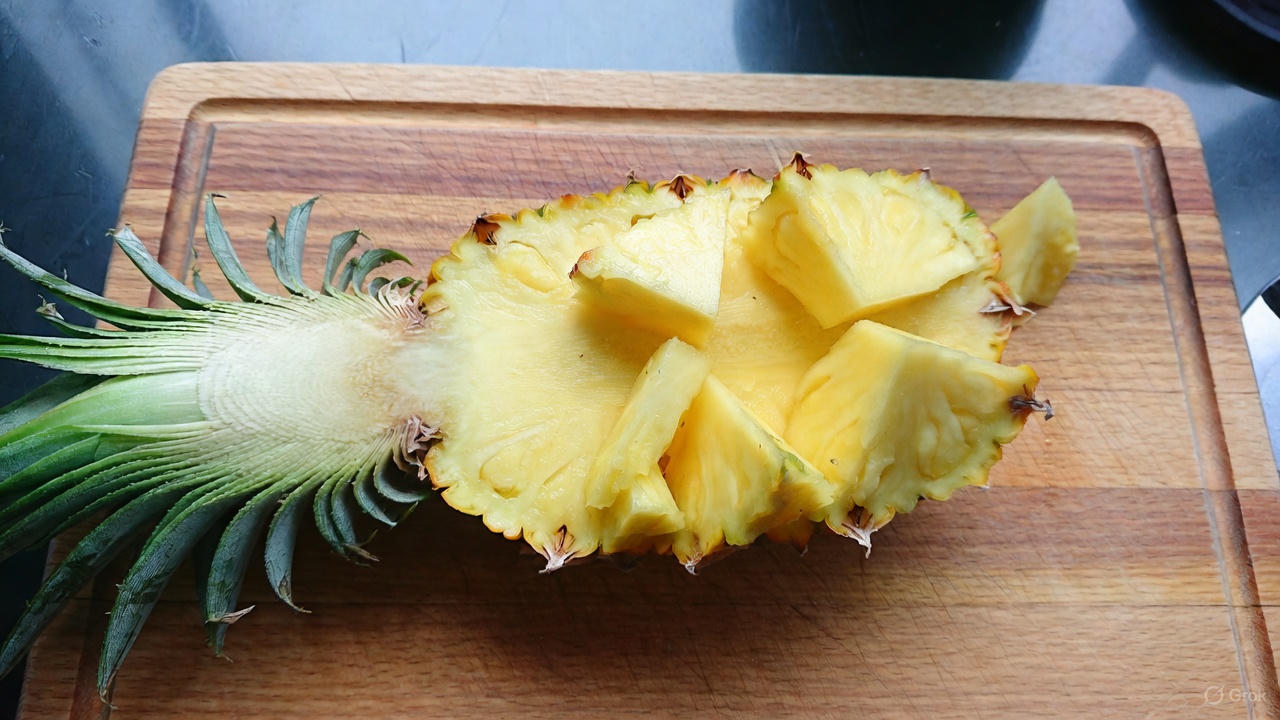
- Sunday: ½ cup fresh pineapple chunks (include the core) as a dessert.
Pro Tip: Store portions in clear containers in the fridge door. When healthy choices are visible, you’re more likely to stick with them.
But wait, there’s more…
What Readers Are Seeing in 30–90 Days
Thousands of people over 50 have tried this rotation. Here’s what they report:
- Less puffiness around eyes and ankles
- Steady energy without mid-afternoon crashes
- Improved lab numbers (creatinine drops of 0.2–0.6 points, though results vary)
- Doctors asking, “What’s different?”
- Feeling in control of their wellness
Safety Tips to Get It Right
- Eat with meals: Pair fruits with protein or carbs to slow potassium absorption.
- Start small: If you’re stage 4 or on potassium binders, try half portions first.
- Stick to fresh: Canned or juiced fruits lose key nutrients like bromelain.
- Talk to your doctor: Share your plan with your nephrologist for peace of mind.
Here’s the bigger picture…
Beyond Fruit: Holistic Kidney Support
Fruits are just one piece of the puzzle. To create an environment where your kidneys thrive, add these habits:
- Walk daily: 20–30 minutes of gentle movement boosts filtration by up to 30% (Journal of Renal Nutrition, 2021).
- Watch sodium: Keep it under 2,000 mg/day to ease kidney strain.
- Hydrate smart: Sip water steadily (aim for 6–8 cups unless restricted).
- Sleep well: 7–8 hours lowers cortisol, which can stress kidneys.
Combine these with the fruit rotation, and you’re setting your kidneys up for success.
Your Next Step—Start Tonight
Open your fridge right now. If you see bananas, oranges, or melons, slide them to the back. Place an apple on the counter for tomorrow’s breakfast. This small swap could be the start of feeling lighter, more energized, and in control. Your kidneys have supported you for decades—now it’s your turn to support them.
Try the 7-day rotation starting tomorrow. In 30 days, check in with how you feel—your energy, swelling, or latest labs might just surprise you.
FAQ: Common Questions About Kidney-Friendly Fruits
1. Can I eat these fruits if I’m on dialysis?
Always consult your nephrologist or dietitian before adding fruits, as dialysis patients often have stricter potassium and fluid limits. Start with small portions and monitor labs.
2. Are frozen blueberries as effective as fresh?
Yes, frozen blueberries retain most of their anthocyanins. Just avoid varieties with added sugar or syrup.
3. How do I know if my kidneys need extra care?
Symptoms like swelling, fatigue, or changes in urination can be clues. Regular blood tests (creatinine, GFR) give the clearest picture—ask your doctor for a checkup.