Many adults face occasional digestive discomfort, fluctuating energy levels, or everyday stress from busy routines. These common challenges can affect how you feel day to day. What if a simple herbal tea, made from leaves of a familiar tropical plant, could offer natural support for your body’s balance?
Research on guava leaves (Psidium guajava) has explored their rich content of antioxidants, flavonoids like quercetin, and other compounds. Studies suggest these may contribute to overall wellness in several areas. Keep reading to learn more about the science and practical tips—and discover a straightforward way to try it yourself.
Why Guava Leaves Are Gaining Attention in Research
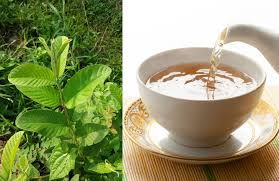
Guava trees grow in many warm climates, and their leaves have been used traditionally in various cultures as an herbal tea. Modern studies highlight compounds such as tannins, phenolic acids, and vitamin C that provide antioxidant properties.
These elements help combat oxidative stress, a factor in many common health concerns. Reviews in journals like Foods and PMC articles note guava leaves’ potential role in supporting digestion, metabolic health, and more.
But that’s just the start. Here’s a closer look at specific areas backed by research…
Potential Support for Occasional Digestive Upset
Digestive issues like loose stools can disrupt your routine. Animal and some human studies indicate guava leaf extracts may help by promoting normal intestinal function.
For instance, research in the Journal of Ethnopharmacology and PMC reviews show antidiarrheal effects, possibly due to astringent tannins that support gut balance.
Many people brew guava leaf tea for soothing relief during mild episodes. Studies suggest it may shorten duration without harsh effects.
Ready for more? The benefits don’t stop there…
How Guava Leaf Tea May Help Maintain Steady Energy
Blood sugar fluctuations can lead to afternoon slumps. Several studies, including those in Nutrition & Metabolism and PMC, explore how guava leaf compounds inhibit enzymes that break down carbs.
This may slow sugar absorption after meals. In some trials, regular intake supported healthier fasting glucose levels.
Pairing it with balanced meals could enhance daily steadiness. Research points to quercetin and polyphenols as key players.
This is intriguing, but keep scrolling for heart-related insights…
Supporting Healthy Cholesterol Levels Naturally
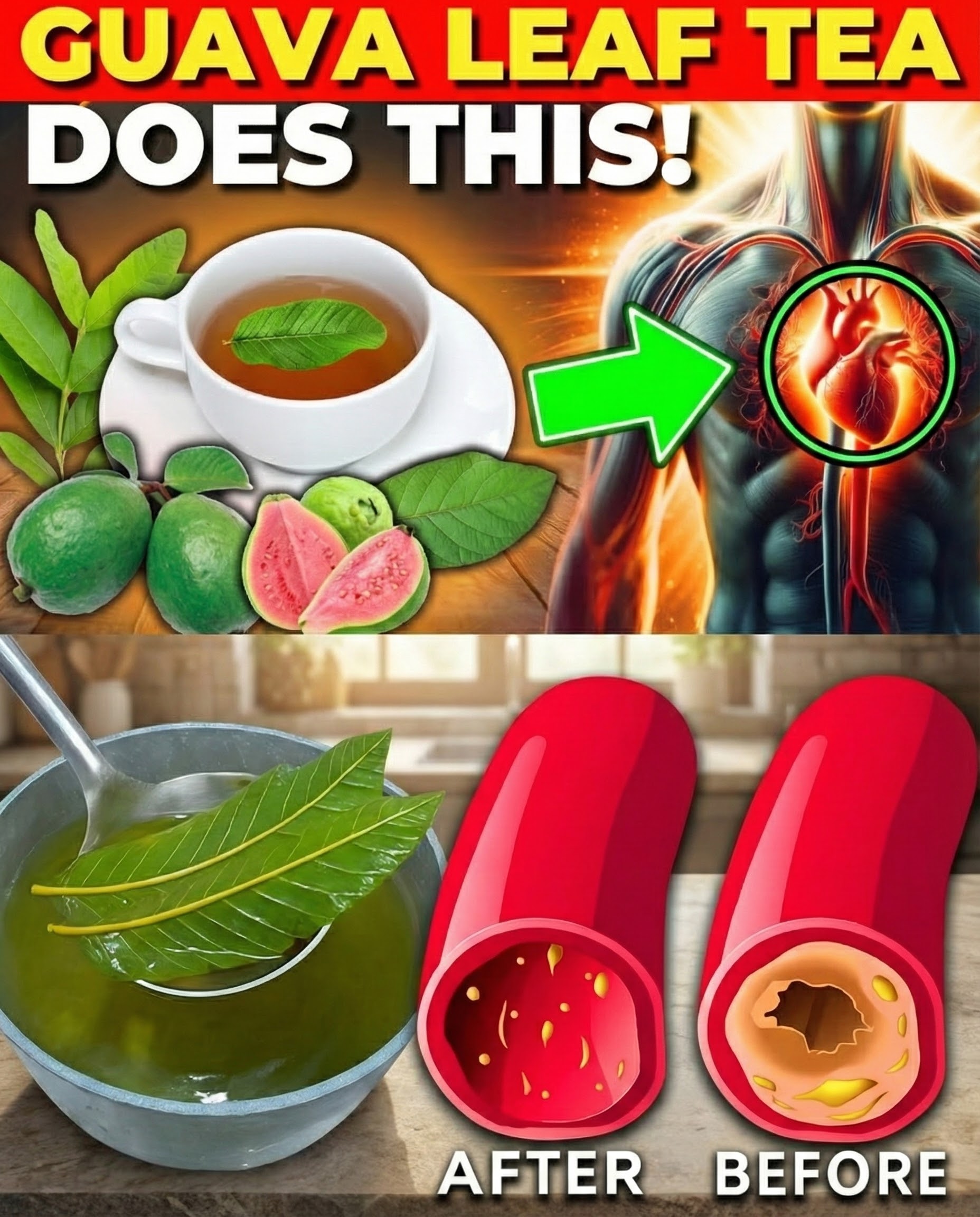
Maintaining balanced lipids is key for long-term wellness. Limited clinical data, such as trials adding guava or its extracts to diets, show potential reductions in total and LDL cholesterol while boosting HDL.
Antioxidants like quercetin may help by reducing oxidation. A study in subjects with borderline levels noted improvements over weeks.
| Aspect | Common Challenges | Potential Guava Leaf Support (From Studies) |
|---|---|---|
| Cholesterol Balance | Elevated LDL | May promote healthier ratios |
| Daily Intake Example | None | 1-2 cups tea |
Interesting comparison, right? Next up: blood pressure support…
Exploring Effects on Blood Pressure Management
High readings concern many adults. Animal models and small human trials suggest guava leaf extracts may aid vessel relaxation due to flavonoids.
One review mentions modest drops in systolic and diastolic pressure with regular use. Potassium in leaves also contributes.
Combine with lifestyle habits for best results. Studies emphasize consistency.
You’re halfway through—here’s a quick tip: Add fresh ginger to your brew for extra flavor…
Benefits for Oral Hygiene and Fresh Breath
Oral bacteria contribute to plaque and discomfort. Lab studies show guava leaf’s antibacterial properties against common strains like Streptococcus mutans.
Rinsing with cooled tea may support gum health. Research in BMC Complementary Medicine notes reduced gingivitis markers.
- Use as a rinse after brushing
- Supports daily oral care routine
- Natural alternative explored in trials
Pro tip: Gargle for 30 seconds twice daily.
But wait, there’s evidence for skin and wound support too…
Potential Role in Skin Health and Minor Wound Recovery
Antimicrobial and anti-inflammatory compounds make guava leaves interesting for topical use. Studies indicate faster healing in animal wound models.
For acne-prone skin, antibacterial effects target common bacteria. Antioxidants may soothe irritation.
| Skin Concern | Traditional Use | Research Insight |
|---|---|---|
| Minor Cuts/Abrasions | Leaf poultice | Promoted healing in models |
| Acne/Breakouts | Topical application | Inhibited bacteria |
Dilute tea for a gentle compress. Always patch test first.
Additional Areas: From Hair to Relaxation
Preliminary research touches on hair follicle support via anti-androgen effects, though more studies needed.
For stress, high vitamin C and antioxidants may aid resilience, but evidence is emerging.
Overall digestive comfort, including for IBS-like symptoms, shows promise in easing bloating per anecdotal and limited data.
Simple Guide: How to Prepare Guava Leaf Tea at Home
Ready to try? Here’s an easy, actionable recipe:
- Gather 8-10 fresh leaves (or 1-2 tsp dried).
- Rinse thoroughly under cool water.
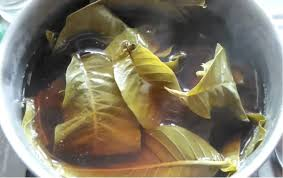
- Boil 2 cups water, add leaves, simmer 10 minutes.
- Steep off heat for 5 more minutes.
- Strain, add honey if desired, and enjoy 1-2 cups daily.
Start with one cup to see how you feel. Store extra in the fridge for up to 2 days.
Insider hack: Freeze into ice cubes for refreshing iced tea.
Frequently Asked Questions
Is guava leaf tea safe for daily use?
Generally well-tolerated in moderation. Studies show low toxicity, but excess may cause mild stomach upset.
Can I drink it if I’m pregnant?
Limited data—consult your doctor before using medicinal amounts.
Does it interact with medications?
Possible with blood sugar or pressure meds. Always check with a healthcare professional.
Final Thoughts
Guava leaf tea offers a gentle, research-backed way to explore natural wellness support—from digestion to energy and beyond. Consistency matters most, alongside a balanced diet.
Disclaimer: This information is for educational purposes only and not medical advice. Guava leaf tea is not intended to diagnose, treat, cure, or prevent any disease. Consult a healthcare provider before use, especially if you have conditions, take medications, or are pregnant/breastfeeding. Individual results vary.