Many adults over 50 notice changes in how their legs and feet feel, such as occasional cold sensations, tiredness after standing, or discomfort during walks. These experiences can make everyday activities feel more challenging and affect overall comfort. Research suggests that certain nutrients play a role in maintaining healthy blood flow, and one that has gained attention lately is vitamin K2.
In this guide, we’ll explore what studies say about vitamin K2 and its potential connection to circulation health. Keep reading to discover practical insights that might help you make informed choices.
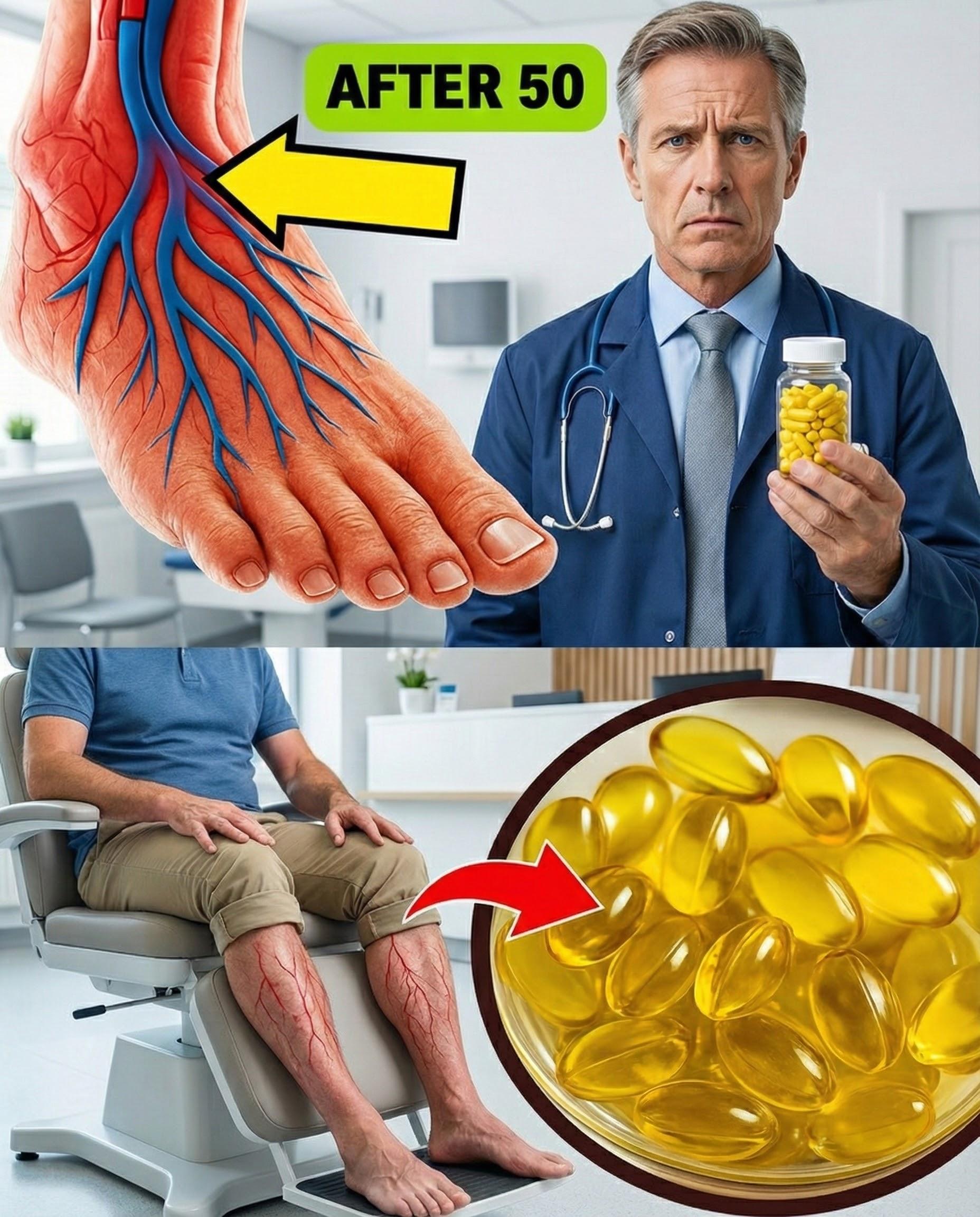
Why Circulation in Legs and Feet Can Change After 50
As we age, blood vessels naturally undergo changes. Factors like diet, activity levels, and nutrient intake influence how well blood moves through arteries and veins.
Studies show that calcium can sometimes build up in artery walls over time, making them less flexible. This process, called arterial calcification, may affect blood flow to the lower body. According to research published in journals like Nutrients and Circulation, higher intakes of certain forms of vitamin K2 are linked to lower levels of this buildup.
The good news? Simple dietary adjustments might support vascular health. But that’s just the beginning—let’s look closer at the science.
What Is Vitamin K2 and How Does It Work?
Vitamin K2 is a fat-soluble nutrient found in some fermented and animal-based foods. Unlike vitamin K1 (mostly in leafy greens), K2 comes in forms like MK-4 and MK-7.
One key role of K2 involves a protein called matrix Gla-protein (MGP). When activated by K2, MGP helps direct calcium to bones and away from arteries. A 2023 review in the journal Advances in Nutrition highlighted this mechanism as a reason why adequate K2 intake correlates with healthier vessel flexibility.
Here’s the interesting part: The MK-7 form, found in fermented soy, appears to stay active in the body longer than MK-4.
Food Sources Rich in Vitamin K2
Getting K2 from food is straightforward. Here are some common options:
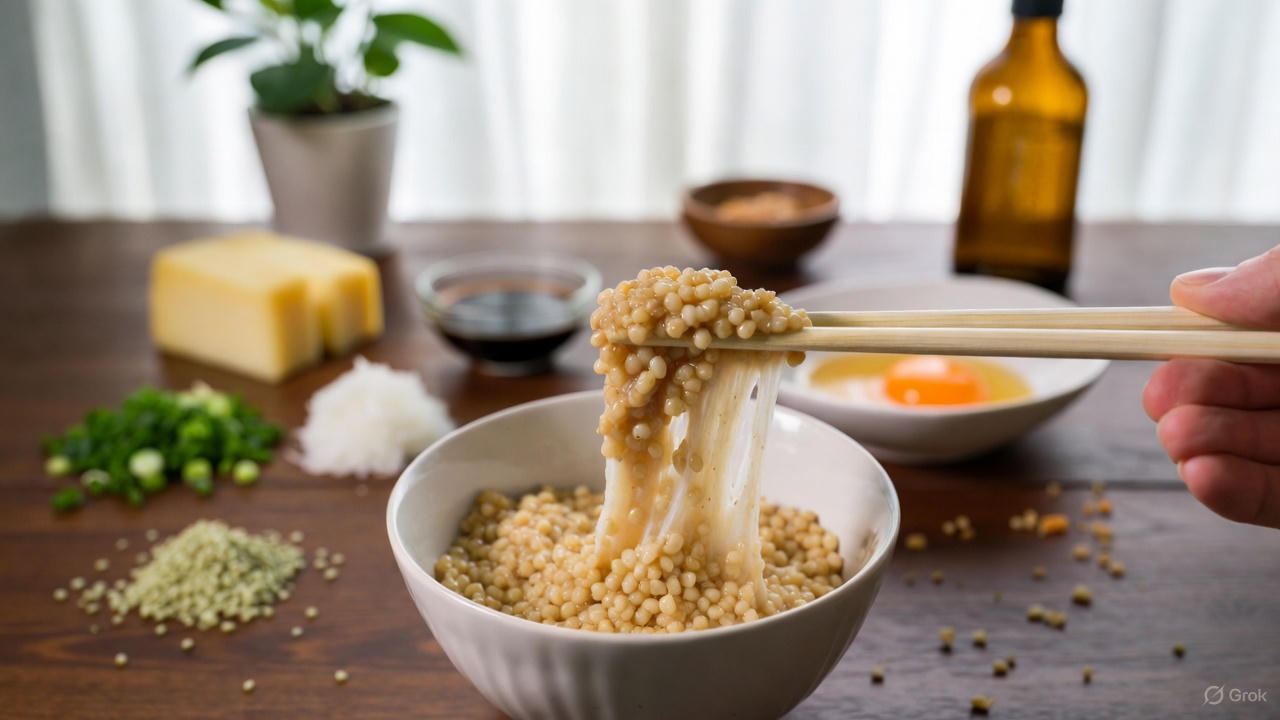
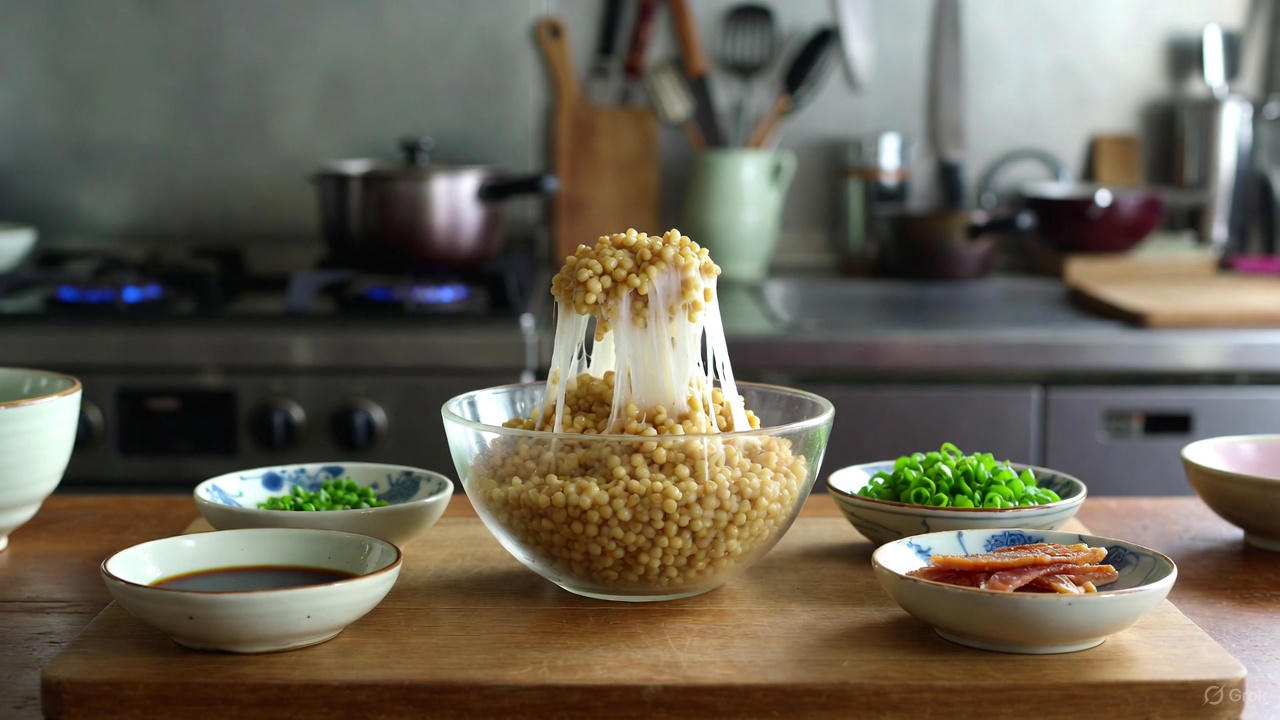
- Natto (fermented soybeans) – one of the highest sources of MK-7
- Hard cheeses like Gouda or Edam – contain moderate amounts of MK-4
- Egg yolks from pasture-raised chickens – a convenient everyday choice
- Butter from grass-fed cows – small but useful amounts
- Chicken liver or goose liver pâté – traditional sources of MK-4
Pairing these foods with healthy fats (like olive oil or avocado) can improve absorption. That’s a simple tip many people overlook.
What Research Says About Vitamin K2 and Circulation
Several studies have explored the link between K2 and vascular health:
- The Rotterdam Study, following thousands of participants, found that higher dietary K2 intake was associated with less arterial calcification.
- A 2022 randomized trial in Nutrients showed that MK-7 supplementation over three years correlated with slower progression of vessel stiffness in postmenopausal women.
- Another review in Thrombosis and Haemostasis noted potential benefits for peripheral blood flow markers.
While results are promising, researchers emphasize that K2 works best as part of an overall healthy lifestyle. No single nutrient is a magic fix.
But here’s something worth noting: Combining K2 with vitamin D may enhance its effects, as the two nutrients work together on calcium metabolism.
Practical Ways to Add More Vitamin K2 to Your Diet
Ready to try? Here are step-by-step ideas:
- Start small – Add one K2-rich food to a meal three times a week.
- Try natto – Mix a small portion with rice or vegetables if the texture is new to you.
- Choose cheese wisely – Opt for aged varieties and enjoy a small cube as a snack.
- Consider supplements carefully – Look for MK-7 forms (180–360 mcg is a common research dose) and always check with your doctor first.
- Track how you feel – Keep a simple journal of energy levels or comfort in your legs over a few weeks.
Consistency matters more than perfection. Small changes often add up.
Other Lifestyle Habits That Support Healthy Circulation
Vitamin K2 is just one piece of the puzzle. These evidence-based habits also help:
- Regular gentle movement, like daily walks
- Staying hydrated throughout the day
- Eating a balanced diet with plenty of fruits and vegetables
- Managing stress through relaxation techniques
- Wearing comfortable, supportive shoes
Combining these with attention to nutrient intake often yields the best results.
Comparing Common Nutrients for Vascular Support
Here’s a quick comparison based on available research:
| Nutrient | Main Food Sources | Key Potential Benefit | Research Notes |
|---|---|---|---|
| Vitamin K2 | Natto, hard cheese, egg yolks | Supports calcium direction in vessels | Linked to less arterial calcification |
| Vitamin D | Sunlight, fatty fish, fortified foods | Works together with K2 | Deficiency common after 50 |
| Omega-3 fats | Salmon, walnuts, flaxseeds | Supports vessel flexibility | Anti-inflammatory effects |
| Magnesium | Nuts, seeds, dark chocolate | Helps muscle relaxation | May ease occasional cramps |
Choose based on your preferences and dietary needs.
Final Thoughts
Maintaining comfortable circulation in legs and feet as we age involves many factors—nutrition, movement, and overall wellness all play a role. Emerging research on vitamin K2 offers an interesting avenue to explore through food choices or, when appropriate, supplements.
The key takeaway? Listen to your body, make gradual improvements, and stay informed. You deserve to feel your best at every stage.
Frequently Asked Questions
1. How much vitamin K2 do most adults need daily?
There’s no official RDA for K2 specifically, but studies often use 180–360 mcg of MK-7. Food sources vary widely, so focus on including them regularly.
2. Can I get enough K2 from diet alone?
Yes, for many people—especially if you enjoy fermented foods or aged cheeses. Others choose supplements after discussing with a healthcare provider.
3. Are there any interactions to watch for?
Vitamin K can affect blood-thinning medications like warfarin. Always consult your doctor before making changes if you take prescription drugs.
This article is for informational purposes only and is not medical advice. Please consult your healthcare professional before starting any new supplement or making significant dietary changes.